Preferences
Privacy is important to us, so you have the option of disabling certain types of storage that may not be necessary for the basic functioning of the website. Blocking categories may impact your experience on the website. More information

Privacy is important to us, so you have the option of disabling certain types of storage that may not be necessary for the basic functioning of the website. Blocking categories may impact your experience on the website. More information

Learn what keyword cannibalization is and how to identify and fix it. Consolidate keywords to improve rankings and remove internal competition.







Tools


Summary
Keyword cannibalization happens when multiple pages on your site target the same keyword, causing them to compete with each other.
Want to go further? Ask
Imagine two of your pages fighting for the same position on Google. One appears above the other, pushing the second-place page further down. That's keyword cannibalization, and it's hurting your SEO. Instead of one strong page ranking #1 for a keyword, you have two mediocre pages competing, and neither reaches its full potential. This guide explains how to identify cannibalization and fix it before it costs you rankings and traffic.
Keyword cannibalization is especially common as sites grow. New pages get built without checking whether keywords are already covered. Content management systems generate automatic pages. Blog category pages end up targeting the same keywords as individual posts. Before you know it, your site is competing with itself. The fix is straightforward: consolidate keywords strategically so each keyword has one clear primary page.
Keyword cannibalization happens when two or more pages on your site target the same keyword and have the same search intent. When Googlebot crawls your site, it finds multiple pages competing for the same ranking. Google has to choose which page to rank, and that creates several problems.
First, your link equity is split. Links pointing to your site for that keyword may go to page A, while other links may go to page B. Neither page accumulates enough authority to rank highly. If you consolidated those pages, every link would flow to one page, making it much stronger.
Second, your crawl budget is wasted. Googlebot has to crawl both pages instead of focusing on unique content. On large sites, that wastes valuable crawl resources on duplicate keyword targets. Third, user experience suffers. If both pages rank in search results, users may click one, fail to find what they're looking for, and leave.
Google Search Console is your primary tool for spotting cannibalization. Go to the Performance report and look for keywords that surface for multiple pages. If a keyword shows impressions for page A and also for page B, you have cannibalization.
Export Search Console data from the last three months. Sort by keyword and look for keywords that appear for more than one page. The pages with the most impressions are likely your preferred ranking pages; the others are cannibalizing.
Alternatively, use a keyword tracking tool to monitor which pages rank for which keywords. If you see a keyword ranking position 3 (page A) and position 7 (page B), you have cannibalization. Consolidating those pages could push the merged page to position 1 or 2. See our content gap analysis guide for competitive keyword research.
Duplicate product pages: Ecommerce sites often have similar products with nearly identical descriptions. Product A and Product B might both target "blue cotton t-shirt," causing cannibalization. Solution: use distinct product names, unique descriptions, and category pages to differentiate them.
Category and tag pages: Many CMS platforms automatically generate category pages and tag pages with similar content. A "Digital Marketing" category page and a "Digital Marketing" tag page both target the same keyword. Solution: block tag pages with robots.txt or use noindex if they don't add unique value.
Blog posts and pillar pages: You might write a 5,000-word pillar page on "content marketing strategy," but you also have a blog post titled "content marketing strategy tips." Both target the same keyword. Solution: reposition the blog post to target a long-tail variant like "content marketing strategy for SaaS," or merge it into the pillar page. See our long-tail keyword guide for differentiation.
Pagination and filtering: Online retailers often have multiple filtered product pages (sorted by price, color, rating). Each variation generates a different URL but targets overlapping keywords. Solution: use canonical tags to consolidate filtered pages onto the main product page. See our duplicate content guide for consolidation techniques.
Option 1: Consolidate the pages. Merge content from multiple cannibalizing pages into one comprehensive page. Combine the best sections from page A and page B into a superior page C. Then 301-redirect both pages A and B to page C. All link equity flows to page C, which now has content depth that neither original page had on its own. The merged page will rank higher than either page did independently.
Option 2: Differentiate the targets. If the pages genuinely serve different audiences or intents, differentiate them. Reposition one page to target a different, complementary keyword. For example, if two pages both target "best running shoes," change one to target "best running shoes for flat feet." Update the H1, meta description, and body content to reflect the new keyword. The pages no longer compete; they complement each other.
Option 3: Use canonical tags. If you can't merge or redirect pages, use canonical tags to tell Google which version is the primary one. Add <link rel="canonical" href="preferred-version-url"> to the secondary pages. That consolidates ranking signals onto the preferred page without using a redirect. The approach is less powerful than a 301 redirect but works when you need to keep both pages live.
Option 4: Block secondary pages. If a page truly doesn't need to rank (such as a tag archive page), block it from search results. Use <meta name="robots" content="noindex"> or robots.txt to prevent Google from indexing it. That removes cannibalization immediately without requiring redirects.
Long-tail keyword strategy sometimes intentionally clusters multiple pages targeting related keywords on the same topic. That's not cannibalization, it's strategic. For example, targeting "best espresso machine for beginners," "best espresso machine for beginners under $200," and "best espresso machine for beginners for apartments" might look like cannibalization, but they have different intents and search volumes.
True cannibalization is when two pages target the identical keyword and intent. If both pages answer the same question for the same audience, merge them. If pages target different buyer personas or different product variants (price tier, use case), they're differentiating, not cannibalizing. See our topic cluster guide for strategic organization.
As you build new content, check whether keywords are already targeted. Before you write a new page, search Search Console: is another page already ranking for this keyword? If yes, target a different keyword or merge your new content into the existing page.
Use a keyword tracking spreadsheet to document which pages target which keywords. As you build new content, update the spreadsheet. That prevents you from accidentally targeting keywords already covered. Periodically review your site structure and consolidate where possible.
Keyword cannibalization often goes unnoticed until traffic drops. Signs include: multiple pages ranking for the same keyword but none in the top 3, declining rankings for important keywords despite no algorithm change, users bouncing between pages (high click-through to your own pages), and falling conversion rates on target keywords.
Google Search Console's Performance report shows which pages rank for each keyword. If multiple pages rank for the same keyword, you have cannibalization. The report also shows average position; if a keyword shows positions 8-12 when multiple pages rank, cannibalization is diluting their ranking power.
Audit every page targeting a specific keyword. Use your keyword research tool to search your site for every page ranking for a target keyword. Analyze their content overlap. If pages address the same intent with similar content, consolidation or redirects are needed.
Featured snippet opportunities are particularly vulnerable to cannibalization. If two pages address the same topic, both might try to claim the featured snippet. Only one can win. Competing pages dilute each other's authority.
Consolidation is the most effective solution for severe cannibalization. Merge competing pages into one comprehensive page that addresses every aspect of the topic. Use 301 redirects from the old pages to the new page. That concentrates ranking power and gives users a single authoritative source.
Differentiation separates pages that target similar keywords. If you intentionally target variations of a keyword with different pages, differentiate them clearly. A page targeting "best coffee for weight loss" should focus on health benefits. A page targeting "best coffee for energy" should focus on caffeine content and alertness. The different angle justifies multiple pages.
Strategic internal linking funnels ranking power. If you have multiple pages on a topic, link from every page to the main page you want to rank. That consolidates ranking signals onto your priority page. Use anchor text that matches your priority keyword when linking to your main page.
Separate targeting by intent and searcher type. You can target multiple keywords with different pages if they address different search intents. A beginner page addresses "how to get started with SEO" (informational). An agency page addresses "enterprise SEO software" (commercial). The different intent justifies multiple pages targeting different keywords.
Plan your keyword strategy before you build content. Map keywords to specific pages. Each page should target one primary keyword and 2-3 secondary keyword variants. Avoid assigning the same keyword to multiple pages unless they address different search intents.
Document your keyword assignments in a spreadsheet. Track primary keywords, secondary keywords, and target pages for every keyword. Before launching new content, check the spreadsheet to make sure the new page doesn't cannibalize existing ones.
As your site grows, watch for accidental cannibalization. Pages can start competing for the same keyword through natural keyword expansion in content. Quarterly audits catch cannibalization early before ranking damage occurs.
No. Keyword cannibalization is only a problem when two of your pages compete for the same query with the same intent and neither ranks as well as one strong page would. Several situations look like cannibalization but are healthy:
Act when you see the warning signs: rankings that swap between two URLs every few weeks, both pages stuck beyond the first page, or clicks split between pages that say the same thing. The fix is then to merge, redirect or re-target one of them. Sorank prevents the issue upstream: its keyword research checks every new keyword against your published and planned articles, so each article targets its own query.
Keyword cannibalization happens when multiple pages target the same keyword, causing them to compete and dilute their ranking power. Identify cannibalization in Google Search Console by looking for keywords that appear for multiple pages. Fix it by consolidating pages, differentiating target keywords, using canonical tags, or blocking low-value pages from search results. As your site grows, audit your content regularly to prevent new cannibalization. A well-structured site with each keyword targeted by one primary page will rank higher and attract more organic traffic. Consolidate your keyword strategy by surfacing cannibalization opportunities and prioritizing the pages that would benefit most from consolidation.
Sources

Not always. If you build several related pages around the same keyword (such as a category page and individual product pages), some overlap is expected and even beneficial. Search engines understand that. However, if two pages target the same keyword with the same intent, they compete with each other and dilute your ranking power. The key question is whether the pages serve different, complementary purposes or whether they're duplicates.
Check Google Search Console data. Look for keywords that appear in search queries for multiple pages on your site. If two pages both surface for the same keyword, that's cannibalization. You can also use your keyword tracking tool to see which pages rank for which keywords. Cannibalization shows up when two pages rank for the same primary keyword.
Yes, merging is an effective solution. If two pages target the same keyword, combine their content into one comprehensive page and 301-redirect the other page. That consolidates link equity and removes the internal competition. Alternatively, you can reposition one page to target a different, complementary long-tail keyword.
THEY TRIED SORANK BEFORE YOU
 “I tested Sorank on a real client site and it's insane. It does everything an agency would bill you $1500 a month for. It's going into production on that client now.”
 Guillaume Guersanguersanguillaume.com“We are an Ads agency and we wanted to get our SEO back on track once and for all. Sorank gave us a clear view of our site, helped us prioritize optimizations, and properly structure our content. The tool is easy to use, well designed for a team, and very practical for centralizing tracking without having to juggle multiple platforms. A very solid foundation to start fresh with our SEO.”
 Gaspard MadouiAds Agency
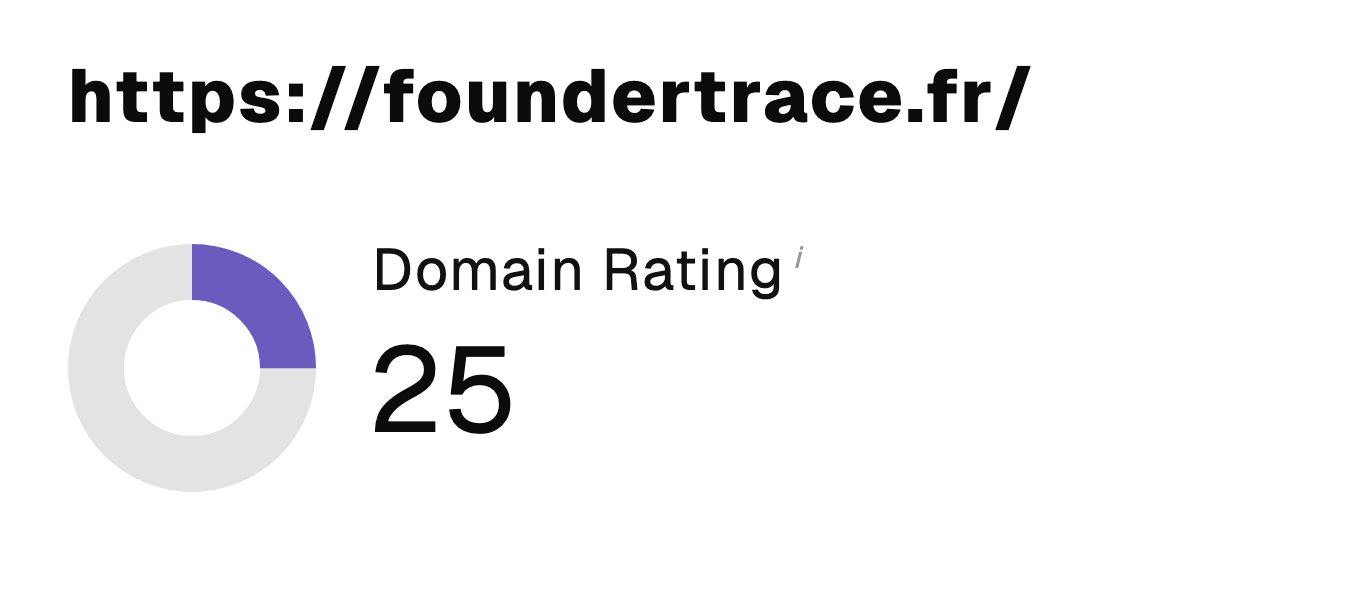 “I just let the Sorank software do its thing, and now my DR is 25 and my page is ranking higher.”
 Lucas Flandrefoundertrace.fr“I specialized in GEO thanks to Sorank. The GEO Leaderboard allows me to show my clients their position vs competitors on ChatGPT. It’s a real commercial differentiator.”
 MélanieSEO Freelance“Great service, works well for our website and helps us understand how to improve it to rank better on Google and elsewhere. Congrats, keep going, I recommend it.”
 Hugo T.E-commerce merchant