






What Is LinkedIn SEO and Why Does It Matter?
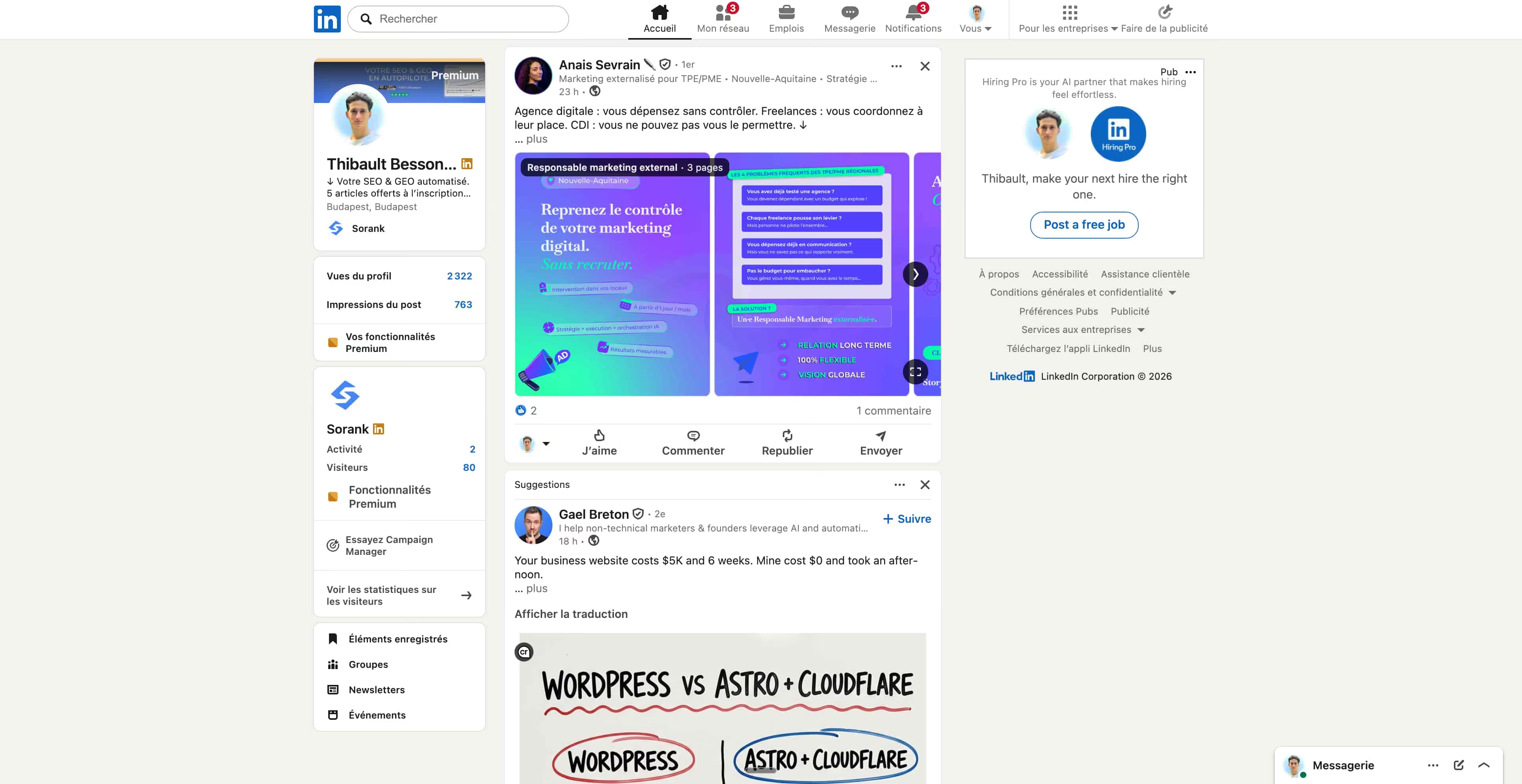
LinkedIn SEO has become a critical component of modern search engine optimization strategy. As the world's largest professional network with over 900 million users, LinkedIn represents far more than a job-search platform, it's now a content distribution powerhouse that directly impacts your visibility in both traditional search results and the AIs.
When most marketers think about SEO, they focus on Google rankings. However, ignoring LinkedIn SEO means leaving massive opportunities on the table. LinkedIn profiles, company pages, and articles now rank in Google searches, and more importantly, AI models like ChatGPT, Perplexity, and Gemini actively scrape LinkedIn content to generate insights about industry professionals, companies, and trends.
How LinkedIn Impacts Your Search Rankings
Direct SEO Benefits
Your LinkedIn profile appears in Google search results, especially when someone searches your name plus relevant keywords. A fully optimized LinkedIn profile with strategic keyword placement can rank higher than your website for branded searches. This means potential clients, employers, and business partners see your professional credentials before they even reach your domain.
LinkedIn articles published on the platform get indexed by Google, creating additional ranking opportunities. Posts with high engagement generate social signals that Google considers as trust factors. If you publish an article about your industry expertise, it can rank for long-tail keywords that drive qualified traffic.
Social Signals and Authority
LinkedIn engagement serves as a trust signal for search engines. When your LinkedIn posts receive likes, comments, and shares from verified professionals, these signals indicate authority and relevance. Google's algorithms recognize that content endorsed by industry peers carries more weight than isolated blog posts.
LinkedIn recommendations and endorsements function similarly to backlinks. A recommendation from a respected CEO carries significant weight in search algorithms. While Google doesn't directly count LinkedIn endorsements as backlinks, they reinforce your expertise signals across the web.
LinkedIn and GEO, Boosting Your AI Search Visibility
Why AI Models Cite LinkedIn Content
Generative AI models are trained on massive datasets that include LinkedIn content. When someone asks ChatGPT, Perplexity, or Gemini about industry leaders or expert opinions, these tools often pull from LinkedIn. Your LinkedIn presence directly impacts whether AI systems recognize and cite your expertise.
This phenomenon is what experts call GEO optimization, which stands for Generative Engine Optimization. Unlike traditional SEO vs GEO, which targets search engines, GEO targets the algorithms that power generative AI. Your LinkedIn content should be optimized for both organic discovery and AI citation.
Optimizing for generative AI
To maximize your LinkedIn visibility in AI search results, focus on creating original, data-backed insights. AI models prioritize content from authoritative sources, and a LinkedIn profile with verified employment history and consistent expertise signals makes your content more likely to be cited.
Use Sorank's AI Mention Tracking tool to monitor when AI models reference your content or profile. This helps you understand which of your LinkedIn posts resonate with generative AI and which topics generate the most AI citations. Understanding these patterns allows you to refine your GEO strategy for maximum visibility.
Step-by-Step LinkedIn SEO Strategy
Profile Optimization
Your LinkedIn profile is your digital business card. Optimize every field for discoverability. In the headline, include primary and secondary keywords. Instead of "Marketing Manager," try "Growth Marketing Manager specializing in B2B SaaS Content Strategy and LinkedIn SEO." This immediately signals relevance to both humans and algorithms.
In the About section, write a compelling summary that naturally incorporates your target keywords. Don't keyword stuff, instead tell your professional story while mentioning your specialties. Include a link to your website using the website field at the bottom of your profile.
Complete all experience entries with detailed descriptions. Each job entry is a ranking opportunity. Use keywords that describe your achievements, not just your job duties. For example, "Led SEO optimization initiatives that increased organic traffic by 300 percent" ranks better than "Responsible for SEO duties."
Content Strategy for Maximum Visibility
Publish LinkedIn articles and posts consistently. Articles are long-form content (500+ words) that get indexed by Google and have higher visibility potential than regular posts. Write about trending topics in your industry, share case studies, or offer frameworks that help your network.
Use Sorank's Blog Article Generator to quickly create optimized LinkedIn article outlines. This tool helps you structure content that balances readability with keyword optimization.
Engage strategically with others' content. Comments on high-visibility posts increase your visibility. When you leave thoughtful comments, your profile appears in notifications to the post creator's network, expanding your reach organically.
Building Backlinks and Authority from LinkedIn
Every LinkedIn article should include links to your website and relevant resources. When reputable sites link to your content from LinkedIn, those links contribute to your domain authority. Use Sorank's Backlink Analysis tool to track which LinkedIn-shared content generates the most referring domains.
LinkedIn's networking features create opportunities for reciprocal linking. When you connect with industry colleagues and collaborate on content, you naturally generate backlink opportunities. Participate in LinkedIn groups in your niche and share resources that include backlinks to your site.
Partner with other thought leaders on LinkedIn. Guest authoring articles on established thought leader profiles exposes your content to broader audiences and generates valuable backlinks to your domain.
Best Practices and Common Mistakes
Do's
Use targeted keywords naturally throughout your profile and content. Research industry keywords using Sorank's Keyword Research tool to identify which terms your audience searches for.
Post consistently, at least once or twice weekly. LinkedIn's algorithm favors active profiles. Regular posting signals that you're an engaged professional, not a ghost account.
Engage authentically with your network. Spend time commenting on posts from people you follow. This builds genuine relationships and increases your visibility exponentially.
Use multimedia content. Posts with images, videos, or documents get significantly higher engagement rates. Videos are particularly powerful on LinkedIn.
Don'ts
Never use keyword stuffing. LinkedIn's algorithm penalizes profiles and posts that artificially pack keywords. Keep keywords natural and conversational.
Don't buy followers or engagement. Fake engagement damages your credibility and violates LinkedIn's terms of service.
Avoid self-promotion overload. LinkedIn users expect professional value, not constant sales pitches. Follow an 80/20 rule, 80 percent value-driven content, 20 percent promotional content.
Don't ignore comments on your posts. Respond to every comment. This signals engagement to LinkedIn's algorithm and keeps conversations visible longer.
How Sorank Helps You Track LinkedIn Performance
Managing LinkedIn SEO manually is time-consuming. Sorank's Chrome Extension allows you to analyze your LinkedIn profile's keyword positioning and identify optimization opportunities directly from the platform.
Use Sorank's GEO and SEO Audit tool to evaluate how your LinkedIn content performs in both traditional search engines and generative AI systems. This comprehensive analysis reveals which of your LinkedIn posts generate the most AI citations and search visibility.
Monitor your competitors' LinkedIn strategies with Sorank's SEO Competitor Spy. Discover which keywords your competitors target, what content performs best, and where you have opportunities to capture market share.
Compare your strategy with other social platforms. Read our guides on YouTube SEO, X and Twitter SEO, and TikTok SEO to develop a comprehensive social media optimization strategy.
Sources
This article draws insights from industry-leading sources including HubSpot's LinkedIn Marketing Guide, Backlinko's social media ranking factors study, Moz's Authority Insights on social signals, Search Engine Journal's professional network SEO coverage, and LinkedIn's official SEO resources for content creators.