
העדפות
הפרטיות חשובה לנו, ולכן יש לך אפשרות להשבית סוגים מסוימים של אחסון שייתכן שאינם נחוצים לתפקוד הבסיסי של האתר. חסימת קטגוריות עלולה להשפיע על חווית השימוש שלך באתר. מידע נוסף

הפרטיות חשובה לנו, ולכן יש לך אפשרות להשבית סוגים מסוימים של אחסון שייתכן שאינם נחוצים לתפקוד הבסיסי של האתר. חסימת קטגוריות עלולה להשפיע על חווית השימוש שלך באתר. מידע נוסף
סוכני AI הם מערכות אוטונומיות שתופסות, מנמקות, פועלות ולומדות כדי להשיג מטרות. למדו כיצד הם פועלים, מהם הסוגים שלהם, ומדוע הם חשובים ל-GEO.
.webp)
.webp)



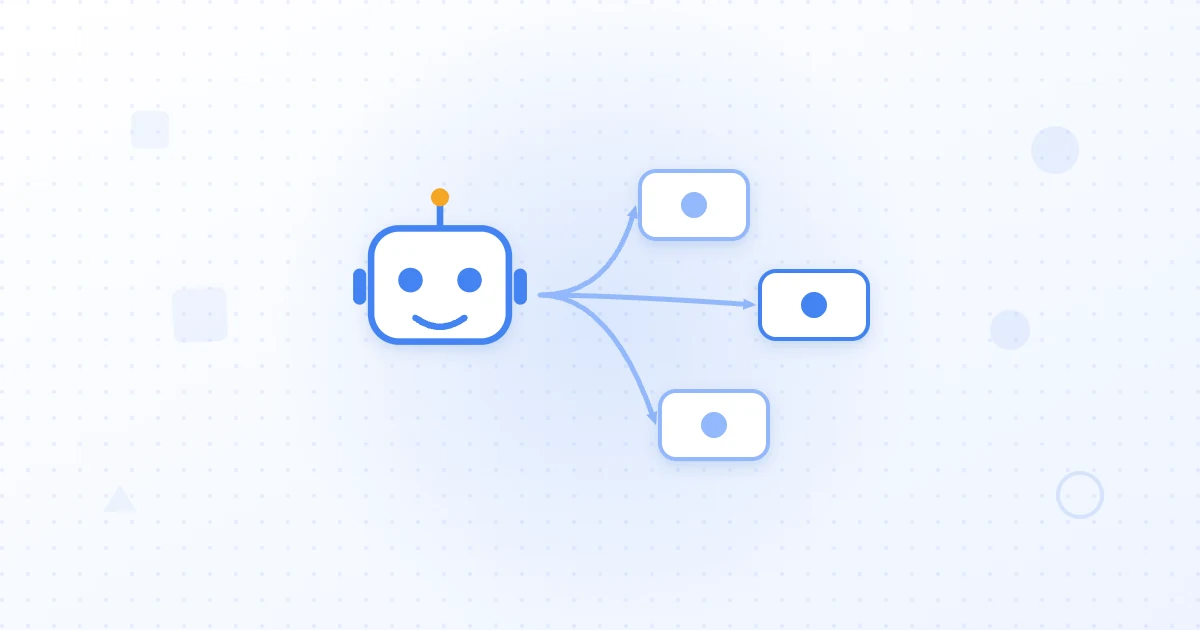
סוכני AI הם מערכות תוכנה אוטונומיות שתופסות את הסביבה שלהן, מקבלות החלטות, ונוקטות פעולות כדי להשיג מטרות ספציפיות. בניגוד למודל שרק מפיק פלט כאשר מבקשים ממנו, סוכן יכול לתכנן, לנמק, לקרוא לכלים, ולבצע משימות מרובות שלבים בפיקוח אנושי מוגבל. הוא יזום ולא פסיבי.
המעבר הזה חשוב מכיוון שיותר ויותר מחקר, קניות ותמיכה מתרחשים כיום בתוך סוכנים ועוזרים כמו ChatGPT, Perplexity ו-Gemini במקום בעמוד תוצאות קלאסי. כאשר סוכן מבצע את העבודה, השאלה עבור משווקים משתנה מהאם אתם מדורגים עבור מילת מפתה מסוימת לשאלה האם הסוכן מוצא, סומך ומצטט את התוכן שלכם תוך כדי המחקר שלו. סוכנים הם השחקנים שמפעילים תהליכי עבודה אגנטיים.
סוכן AI הוא מערכת המשלבת מודל שפה גדול כמנוע הנימוק שלה עם היכולת לפעול בעולם. הוא מחזיק במטרה, מחליט מה לעשות, משתמש בכלים כדי לעשות זאת, ומתאים את עצמו בהתאם למה שקורה. צ'אטבוט רגיל ממתין לפרומפט ומגיב; סוכן חותר למטרה על פני מספר שלבים ויכול להתחבר למערכות חיצוניות כדי להגיע לשם.
המאפיינים המגדירים הם אוטונומיה, שימוש בכלים, זיכרון ונימוק מרובה שלבים. סוכן פועל ללא הנחיה מתמשכת, משתלב עם ממשקי API ומקורות נתונים, שומר הקשר לאורך אינטראקציות, ומשתפר באמצעות לולאות משוב. ארבע היכולות הללו הן מה שמפריד סוכן אמיתי מקריאת מודל בודדת.
רוב הסוכנים עוקבים אחר אותו מעגל. הם תופסים על ידי איסוף ופרשנות נתונים ממסמכים, אימיילים, חיישנים, ממשקי API, מסדי נתונים או אינטראקציות עם משתמשים. הם מנמקים על ידי הערכת פעולות אפשריות וסידור השלבים הדרושים להשגת המטרה, לעיתים קרובות תוך התחברות למערכות אחרות דרך ממשקי API לאורך הדרך.
לאחר מכן הם פועלים על ידי ביצוע התוכנית באמצעות קריאות API, עדכוני מסדי נתונים, תהליכי עבודה או הודעות, ולבסוף הם לומדים על ידי התאמת ההתנהגות בהתאם לתוצאה. מכיוון שכל מעגל מזין את הבא אחריו, הסוכן מסתגל בזמן אמת במקום להריץ תסריט קבוע. אותו מעגל בדיוק מניע תכונות מחקר מעמיק הנשענות על חיפוש אגנטי כדי לאסף ולסנתז מקורות.
סוכן נשען על כמה חלקים המחוברים זה לזה. המודל או המוח הוא מנוע הנימוק, בדרך כלל LLM, שמנתח מידע ומניע החלטות. חיישנים או קלטים מאפשרים לסוכן לתפוס את סביבתו, בין אם באמצעות מכשירים פיזיים כמו מצלמות או אותות וירטואליים כמו יומני מערכת והודעות משתמשים.
כלים הם ממשקי ה-API, הפונקציות והמערכות החיצוניות שהסוכן יכול לקרוא להן כדי לפעול, לעיתים קרובות באמצעות קריאת פונקציות. זיכרון שומר הקשר הן בצורות קצרות טווח והן ארוכות טווח כך שהסוכן לא מתחיל מאפס בכל פעם. תזמור מחבר בין כל אלה, ומנהל את תהליך העבודה ואת לוגיקת ההחלטות. סוכנים רבים משתמשים גם ביצירה מבוססת אחזור כדי לבסס תשובות בנתונים אמינים.
תיאוריית הסוכנים הקלאסית מתארת מספר סוגים לפי רמת התחכום. סוכני רפלקס פשוטים מגיבים לקלט הנוכחי לפי כללים קבועים וללא זיכרון, כמו צ'אטבוט מבוסס כללים בסיסי. סוכני רפלקס מבוססי מודל שומרים מודל פנימי של העולם כדי להתמודד עם מצבים שאינם ניתנים לתצפית מלאה. סוכנים מבוססי מטרה מתכננים לעבר יעד מוגדר, בדומה לאופן שבו מערכת ניווט מנתבת ליעד.
סוכנים מבוססי תועלת הולכים צעד נוסף על ידי אופטימיזציה בין עדיפויות מתחרות כדי למקסם תוצאה נבחרת, וסוכני למידה משתפרים עם הזמן על ידי שילוב משוב, כמו מסנן ספאם שמסתגל. בפועל, מערכות מודרניות הן לעיתים קרובות היררכיות או מרובות-סוכנים, ומאצילות משימות לכמה סוכנים מתמחים המשתפים פעולה.
ההבדלים מעשיים. צ'אטבוט מטפל בשיחה וממתין לקלט אנושי, בעוד סוכן מתכנן, מנמק ומבצע משימות מרובות שלבים על פני כלים ומערכות. מודל שפה גדול מייצר תוכן בתגובה לפרומפט, בעוד סוכן משתמש במודל הזה כרכיב אחד ומוסיף מעליו אוטונומיה, כלים וזיכרון.
אוטומציה מסורתית, כולל תסריטים מבוססי כללים, מריצה תהליך עבודה שנקבע מראש ונשברת כאשר התנאים משתנים. סוכן מנמק באופן עצמאי, שומר הקשר על פני אינטראקציות, ומסתגל לתנאים חדשים. זהו גם הקו המפריד בין סוכן לבין AI אגנטי רחב יותר: הסוכן הוא היחידה שפועלת, ו-AI אגנטי הוא דפוס העיצוב הרחב יותר של התנהגות אוטונומית וחותרת למטרה.
ככל שסוכנים משתלטים על יותר גילוי, הנראות מפסיקה להיות רק עניין של דירוג עבור מילת מפתח. כאשר סוכן חוקר נושא על פני שלבים רבים, התוכן שלכם מתחרה על היותו המקור שהוא קורא, סומך עליו ומצטט לאורך הדרך. עמוד שעונה בדיוק על תת-שאלה ספציפית יכול להיות מצוטט שוב ושוב גם אם הוא לעולם לא מדורג ראשון עבור המונח הראשי.
זהו לב לבה של אופטימיזציה למנועים גנרטיביים ואופטימיזציית ציטוטי AI. המטרה היא להפוך למקור אמין שסוכנים חוזרים אליו לאורך שאילתות רבות, מה שמצטבר הרבה מעבר לדירוג בודד. האימוץ עולה במהירות: מחקר של Capgemini המצוטט על ידי מקורות בתעשייה מצא שכ-82 אחוזים מהארגונים צפויים לשלב סוכני AI תוך מספר שנים, כך שהקהל שמגיע לתוכן שלכם דרך סוכנים ימשיך לגדול.
ענו על שאלות באופן ישיר ומוקדם כך שסוכן יוכל לחלץ הצהרה נקייה ועצמאית מבלי לנחש. בנו עומק נושאי אמיתי על פני תת-נושאים, השוואות ומקרי קצה שסוכן יבחן, והתייחסו לכל עמוד כאל צומת אחד באשכול מחובר הנתמך על ידי אסטרטגיית תוכן AI מכוונת.
אותות טכניים חשובים גם הם. השתמשו בנתונים מובנים כדי שמכונות יוכלו לפרש את העובדות שלכם, חזקו את הקישוריות הפנימית כדי שסוכן יוכל לנוע בין עמודים קשורים, שמרו על עקביות עובדות ברחבי האתר, וודאו שהעמודים שלכם נגישים לזחלני AI שמזינים מערכות אלה. שילוב זה עם מחקר מילות מפתח ותכנון תוכן ממושמעים מסייע לכם למקד בשאלות שסוכנים שואלים בפועל.
סוכנים כבר פועלים על פני תעשיות. בשירות לקוחות הם פותרים שאילתות מרובות שלבים ללא הסלמה. בתחום הפיננסים הם עוקבים אחר עסקאות, מזהים הונאות ומנתחים תיקי השקעות בזמן אמת. בתחום הבריאות הם תומכים באבחון ומאוטמים עבודה אדמיניסטרטיבית, ובקמעונאות הם מטפלים במלאי, תמחור דינמי, חיזוי ביקוש והתאמה אישית.
בתוך חברות, סוכנים מאוטמים משימות משאבי אנוש כמו סינון קורות חיים וקליטת עובדים, שומרים על דיוק הנתונים באמצעות אינדוקס ומעקב מתמשכים, ומטפלים בתמיכת IT שגרתית כמו איפוס סיסמאות ובקשות גישה. בכל מקרה, יכולת הסוכן לנמק ולפעול היא מה שמפריד אותו מאוטומציה נוקשה.
יותר אוטונומיה מביאה יותר סיכון. סוכנים יכולים להזות, לנקוט פעולות לא מכוונות, או לחשוף פערי אבטחה כאשר הם נוגעים במערכות רגישות. החלטה שגויה מוקדם בשרשרת ארוכה יכולה להצטבר לתוצאה שגויה בביטחון, ושאלות ממשל או תאימות גדלות ככל שסוכנים מקבלים גישה ליותר כלים.
פריסה אחראית נשענת אפוא על מעקות בטיחות: נקודות ביקורת עם אדם בלולאה, ניטור בזמן אמת, הגדרת הרשאות ברורה ומנגנוני התערבות, במיוחד בהגדרות בעלות סיכון גבוה. העמדה המעשית היא להתייחס לפלט הסוכן כאל טיוטה חזקה לאימות, לא כאל מקור אמת סופי.
סוכני AI הופכים מודל סטטי למערכת אוטונומית שתופסת, מנמקת, פועלת ולומדת כדי להשיג מטרה, תוך שימוש במוח מודל, כלים, זיכרון ותזמור. הם מגיעים במספר סוגים, מרפלקס פשוט ועד סוכנים לומדים ומרובי-סוכנים, והם שונים מהותית מצ'אטבוטים, מודלים פשוטים, ואוטומציה מבוססת כללים. עבור משווקים, עליית הסוכנים מגדירה מחדש את הנראות סביב היותכם מקור אמין וניתן לציטוט על פני שלבים רבים.
להעמקה נוספת, ניתן לחבר זאת עם תהליכי עבודה אגנטיים ו-מסגרות סוכני AI. מקורות התייחסות: Cognizant, Moveworks, ו-Google Cloud.

צ'אטבוט בנוי לשיחה וממתין לפרומפט אנושי לפני שהוא משיב. סוכן AI חותר למטרה על פני מספר שלבים, מנמק לגבי מה לעשות, ומשתמש בכלים וב-API כדי לפעול בעצמו. בקצרה, צ'אטבוט מגיב, בעוד סוכן מתכנן ומבצע משימות בפיקוח מוגבל.
התיאוריה הקלאסית מתארת חמישה סוגים: סוכני רפלקס פשוטים העוקבים אחר כללים קבועים, סוכני רפלקס מבוססי מודל השומרים מודל פנימי של העולם, סוכנים מבוססי מטרה המתכננים לעבר יעד, סוכנים מבוססי תועלת המבצעים אופטימיזציה בין עדיפויות מתחרות, וסוכני למידה המשתפרים ממשוב. מערכות מודרניות משלבות לעיתים קרובות את אלה להגדרות היררכיות או מרובות-סוכנים שבהן סוכנים מתמחים משתפים פעולה.
כאשר סוכני AI חוקרים נושא על פני שלבים רבים, התוכן שלכם מתחרה על היותו המקור שהם קוראים, סומכים עליו ומצטטים בכל שלב. הציטוט תלוי במבנה ברור, תשובות ישירות קרוב לראש העמוד, עומק נושאי, וקישוריות פנימית נקייה. ככל שאימוץ הסוכנים גדל, אופטימיזציה לאופן שבו סוכנים מאחזרים ומשתמשים מחדש בתוכן הופכת מרכזית לאופטימיזציה למנועים גנרטיביים.









.svg)
.svg)