Preferences
Privacy is important to us, so you have the option of disabling certain types of storage that may not be necessary for the basic functioning of the website. Blocking categories may impact your experience on the website. More information

Privacy is important to us, so you have the option of disabling certain types of storage that may not be necessary for the basic functioning of the website. Blocking categories may impact your experience on the website. More information

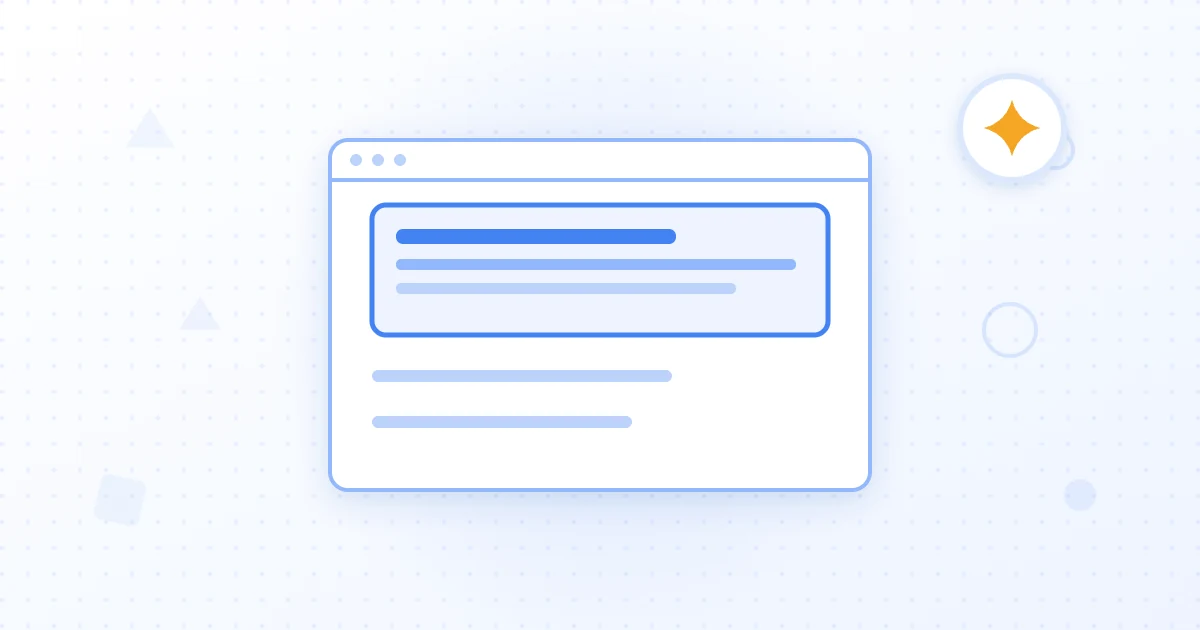
AI Overview is Google's AI generated summary above search results. Learn how it works, its impact on traffic, and how to get your content cited.







Sources
AI Overview is Google's AI generated answer that sits above the traditional list of blue links. Instead of forcing users to click through several pages, it reads a query, pulls information from multiple sources, and presents a concise summary with a few cited links right on the results page. For many informational searches, this gives users the answer they need without leaving Google.
This feature has reshaped how visibility works. Ranking first no longer guarantees the click it once did, because the AI Overview often answers the question first. The new objective is to be one of the sources Google synthesizes and cites inside that overview, which makes AI Overviews central to both modern SEO and generative engine optimization.
An AI Overview is a synthesized response that summarizes information from across the web to answer a search query as directly as possible. Rather than relying on one dominant page, it typically blends several sources into a single short explanation and lists the pages it drew from. Users read the summary, see the citations, and frequently get what they came for immediately.
Powered by Google's Gemini models, AI Overviews appear when Google judges that a summarized answer is more useful than a plain list of links. They extract discrete claims from content, which is why pages that state answers clearly tend to be cited more often than pages that bury the point inside long paragraphs. This behavior connects closely to how the underlying LLM selects and stitches together facts.
The feature began as the Search Generative Experience, or SGE, which Google tested through its Search Labs program starting in 2023. On May 14, 2024, Google rebranded SGE as AI Overviews and began rolling it out more broadly, moving it from an opt-in experiment to a default part of search for many users. It later expanded across more than one hundred countries.
This evolution is important context because AI Overviews are the bridge between classic ten blue links and the fully conversational AI Mode. The same generative search ideas that powered search generative experience now sit at the top of everyday results, exposing far more searches to AI summarization than before.
When a query is eligible, Google identifies the key facts that would answer it and retrieves supporting passages from relevant pages. It then synthesizes those passages into a short answer rather than copying any single source, and attaches citation links so users can verify and explore further. Increasingly, overviews draw from several sources per answer rather than leaning on one.
Because the system extracts specific claims, content structure matters enormously. A page that leads with a concise, definitive statement is easier to lift than one that hides the answer deep in narrative. Many overviews also rely on retrieval augmented generation, grounding the summary in retrieved web content so the answer reflects current pages rather than only what the model memorized.
AI Overviews and AI Mode are easy to confuse but serve different roles. An AI Overview is a summary layered on the standard results page, with the blue links still present underneath. AI Mode is a separate, immersive experience where the conversation replaces the link list entirely and answers are longer and more densely cited.
The two surfaces also cite differently. Industry analyses in 2026 found only limited overlap between the URLs cited in AI Overviews and those cited in AI Mode, which means ranking well in one does not automatically carry over to the other. Brands need to think about both surfaces as part of broader AI search visibility rather than assuming a single strategy covers everything.
The biggest effect is on clicks. When an AI Overview appears, users often get their answer without visiting a site, which lowers click through rates for affected queries. SeoProfy reports that position one pages can lose a meaningful share of expected clicks when an overview is present, and that a notable portion of sessions end after the user reads the overview without clicking anything.
The impact is uneven. Informational and health related queries trigger overviews far more often than transactional ones like local services or real estate, so the traffic hit depends heavily on your niche. The strategic takeaway is consistent: ranking first still helps, but being cited inside the overview is the new currency of visibility, which is the core idea behind zero-click attribution.
Start by answering directly. For each target query, include a concise, definitive answer near the top of the relevant section so Google can extract it cleanly. Use scannable formatting with clear headings, short paragraphs, and lists, since structured content is easier for the model to parse and reuse. Keep your facts consistent across pages so the same answer surfaces wherever Google looks.
Authority still counts. Evergreen Media notes that the vast majority of cited sources rank in the top ten organic results, so strong rankings, credible backlinks, and clear expertise signals remain foundational. Add structured data and original data or research that generic pages cannot match, then pair this with AI citation optimization and disciplined keyword research and content planning to target the queries that trigger overviews in your space.
Standard analytics struggle to isolate AI Overview impact, because Google does not cleanly separate overview impressions and clicks. To understand your presence, track citations and brand mentions across AI search surfaces and watch organic click through rates on queries where overviews appear. A drop in clicks without a drop in rankings is often a sign an overview is intercepting the traffic.
Treat measurement as continuous. Overview prevalence shifts month to month and varies by country and category, so a single snapshot is misleading. Ongoing monitoring shows which queries newly gained an overview, which pages you are cited in, and where to strengthen content to win or keep a citation.
An AI Overview is Google's AI generated summary that answers a query at the top of the results page by synthesizing and citing multiple sources. It has shifted the goal of search from ranking first to being one of the cited sources inside the summary, especially for informational queries where clicks have fallen. Winning means answering directly, structuring content cleanly, building authority, and tracking citations across surfaces.
To go further, connect this with AI Mode and AI citation optimization, and use Sorank's research and content planning tools to target the queries that trigger overviews most. Reference sources: SeoProfy and Evergreen Media.

An AI Overview is a short AI summary that appears at the top of the normal Google results page, with the blue links still shown below. AI Mode is a separate, fully conversational search experience that replaces the link list entirely. Overviews are a layer added to classic search, while AI Mode is a dedicated destination with longer, more heavily cited answers.
They can, especially for informational queries. Multiple studies in 2026 report lower click through rates when an AI Overview appears, because many users get their answer without clicking. The impact varies widely by industry and query type, and being cited inside the overview becomes the new way to stay visible even when fewer people click through.
Lead each section with a clear, direct answer in the first sentences so Google can extract a clean claim. Maintain strong organic rankings, since most cited sources still rank in the top results, and build authority through expertise and original data. Add structured data and use scannable formatting like lists and headings to help Google parse your content.
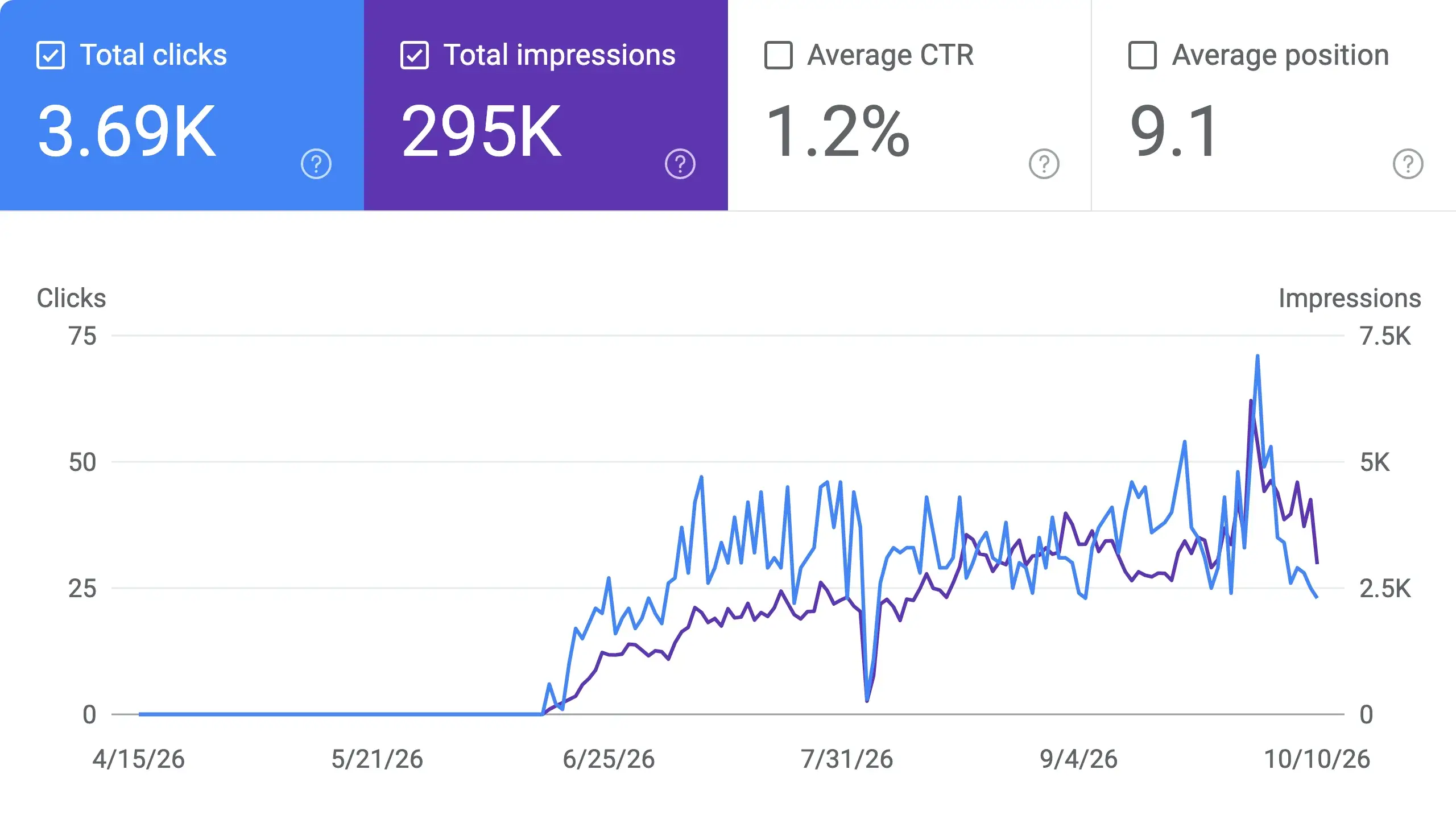
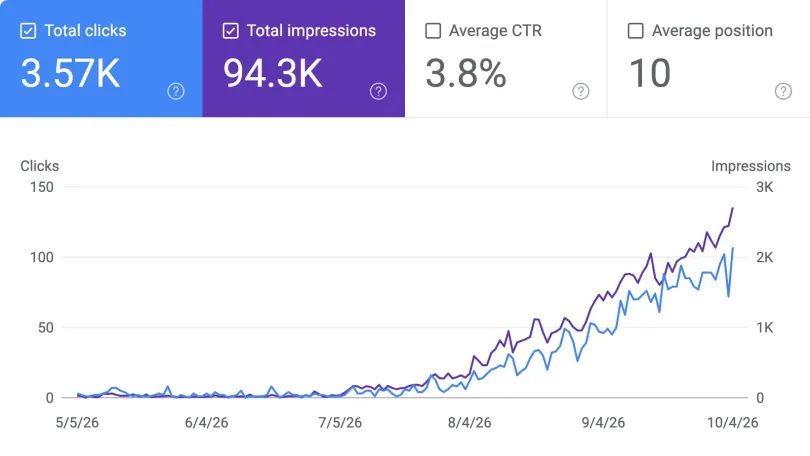
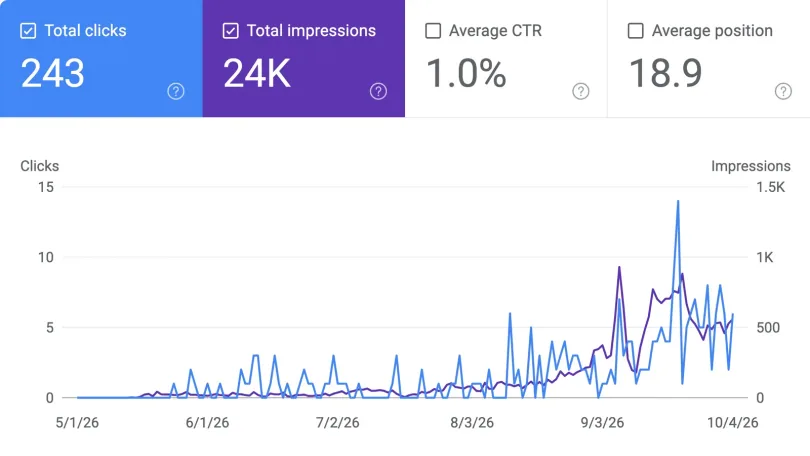
THEY TRIED SORANK BEFORE YOU
 “I tested Sorank on a real client site and it's insane. It does everything an agency would bill you $1500 a month for. It's going into production on that client now.”
 Guillaume Guersanguersanguillaume.com“We are an Ads agency and we wanted to get our SEO back on track once and for all. Sorank gave us a clear view of our site, helped us prioritize optimizations, and properly structure our content. The tool is easy to use, well designed for a team, and very practical for centralizing tracking without having to juggle multiple platforms. A very solid foundation to start fresh with our SEO.”
 Gaspard MadouiAds Agency
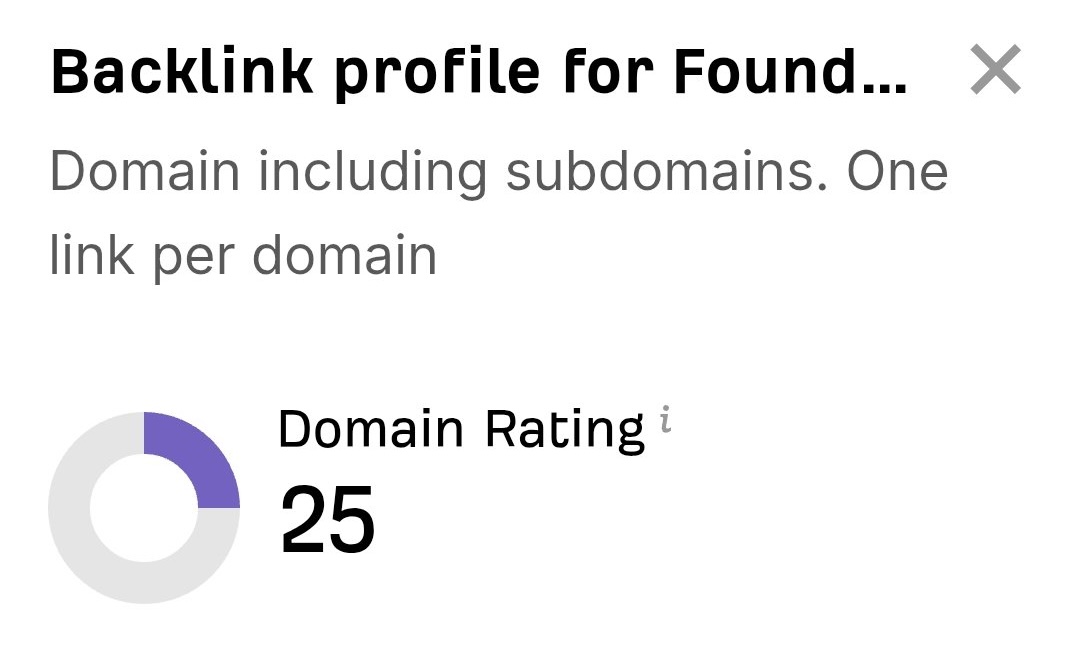 “I just let the Sorank software do its thing, and now my DR is 25 and my page is ranking higher.”
 Lucas FlandrePodcast Host“I specialized in GEO thanks to Sorank. The GEO Leaderboard allows me to show my clients their position vs competitors on ChatGPT. It’s a real commercial differentiator.”
 MélanieSEO Freelance“Great service, works well for our website and helps us understand how to improve it to rank better on Google and elsewhere. Congrats, keep going, I recommend it.”
 Hugo T.E-commerce merchant