
העדפות
הפרטיות חשובה לנו, ולכן יש לך אפשרות להשבית סוגים מסוימים של אחסון שייתכן שאינם נחוצים לתפקוד הבסיסי של האתר. חסימת קטגוריות עלולה להשפיע על חווית השימוש שלך באתר. מידע נוסף

הפרטיות חשובה לנו, ולכן יש לך אפשרות להשבית סוגים מסוימים של אחסון שייתכן שאינם נחוצים לתפקוד הבסיסי של האתר. חסימת קטגוריות עלולה להשפיע על חווית השימוש שלך באתר. מידע נוסף
פריימוורקים לסוכני AI מעניקים למפתחים זיכרון, שילוב כלים ותזמור לבניית סוכנים אוטונומיים. השוואה בין LangChain, CrewAI, AutoGen ועוד.
.webp)
.webp)




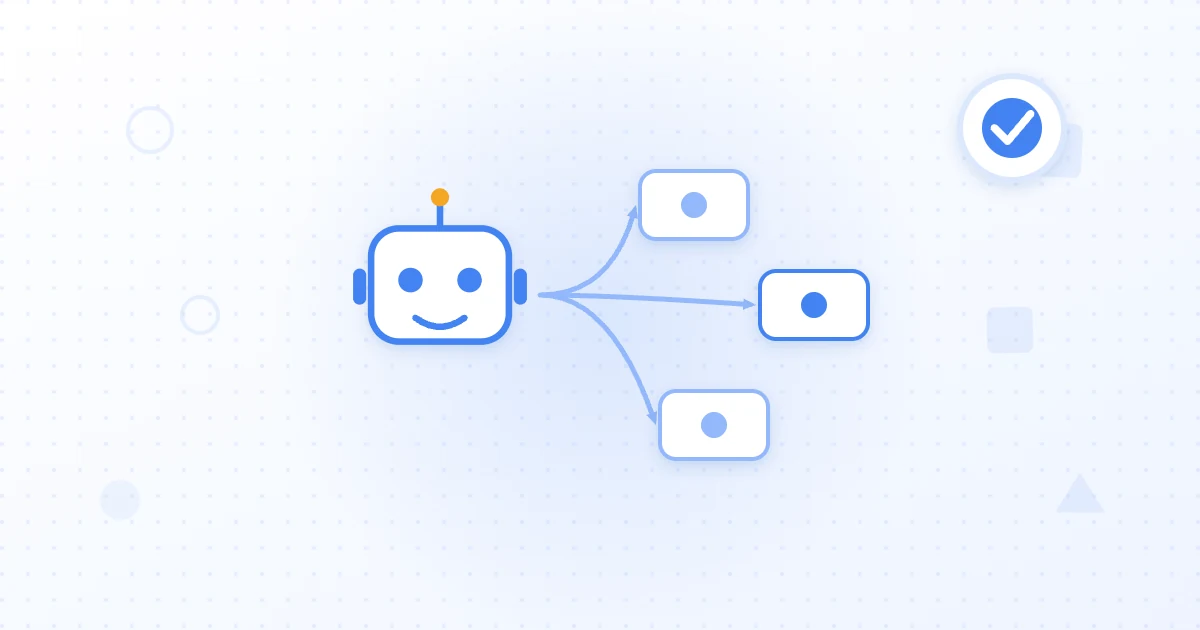
פריימוורקים לסוכני AI הם ערכות תזמור לבניית מערכות אוטונומיות שמנמקות על פני שלבים מרובים, קוראות לכלים חיצוניים ולעיתים פועלות בתיאום כצוות. אפשר לחשוב עליהם כעל תוכניות בנייה: במקום לחווט זיכרון, קריאות לכלים וזרימת בקרה באופן ידני, המפתח מקבל רכיבים בנויים מראש ומתמקד בלוגיקה ובמטרות של הסוכן.
הפריימוורקים האלה מפשטים אינטראקציות ברמה נמוכה עם המודל, כך שצוותים יכולים להתמקד בדפוסי ארכיטקטורה במקום בקוד מדבק. ככל שיותר גילוי עובר אל סוכני AI ועוזרים כמו ChatGPT, Perplexity ו-Gemini, הפריימוורקים שמאחוריהם מעצבים את האופן שבו תוכן מאוחזר, מוערך ומצוטט, ולכן משווקים נהנים מהבנתם.
פריימוורק לסוכני AI הוא פלטפורמה שמאפשרת יישומים תלויי מצב ומרובי-שחקנים המופעלים על ידי מודלי שפה גדולים. הוא מספק את פיגומי הבנייה שסוכן זקוק להם כדי לפעול: דרך להחזיק מטרה, להחליט על פעולות, לקרוא לכלים, לזכור הקשר, ובמערכי מרובי-סוכנים, להעביר עבודה בין סוכנים מתמחים. הפריימוורק מטפל בתשתית החוזרת על עצמה כדי שהמפתח יוכל להגדיר את ההתנהגות.
ללא פריימוורק, צוות היה צריך לבנות מחדש את אותם רכיבי בסיס בכל פרויקט: תזמור פרומפטים, קריאה לכלים, זיכרון, ניסיונות חוזרים וטיפול בשגיאות. פריימוורקים ארוזים אלה כחלקים מודולריים הניתנים להרכבה, יחד עם שרשראות בנויות מראש, תבניות סוכנים ומגוון רחב של אינטגרציות צד שלישי. זה מה שהופך את הרעיון המופשט של תהליכי עבודה אגנטיים למשהו שמפתח יכול לשלוח לייצור.
רוב הפריימוורקים מתכנסים לאותן אבני בניין. תזמור מנהל ביצוע מרובה-שלבים, לרוב כשרשרת או כגרף, ומתאם בין סוכנים לקראת מטרה משותפת. ניהול זיכרון ומצב שומר על ההקשר בין שלבים ולאורך הפעלות, כך שהסוכן לא מתחיל מאפס בכל פעם.
שילוב כלים ו-API מעניק למודל ממשקים סטנדרטיים להגיע למערכות חיצוניות, להריץ קוד או לשאול נתונים, דפוס המבוסס על קריאה לפונקציות. מנגנוני תכנון מטפלים בפירוק משימות ובלוגיקת קבלת החלטות, בעוד תיאום מרובה-סוכנים מבנה שיתוף פעולה בין סוכנים בעלי תפקידים נבדלים. פריימוורקים רבים נשענים גם על יצירה מבוססת אחזור כדי שסוכנים יוכלו לבסס תשובות על נתונים פרטיים או חיים.
הפריימוורקים מתחלקים באופן כללי לשתי משפחות. פריימוורקים חד-סוכניים מתמקדים בבניית ישות אוטונומית מסוגלת אחת שמטפלת במשימה ספציפית עם שיתוף פעולה מוגבל. הם מתאימים לתהליכי עבודה שבהם מספיקה לולאת נימוק אחת עם כלים.
פריימוורקים מרובי-סוכנים מתזמרים מספר סוכנים שמתקשרים, מאצילים סמכויות ומשתפים מידע כדי לפתור יחד בעיה גדולה יותר. זה משקף צוות של מומחים: סוכן אחד חוקר, אחר כותב, אחר מאמת. הפשרה היא שמערכות מרובות-סוכנים מוסיפות עומס תיאום ועשויות להיות קשות יותר לניפוי באגים, ולכן הן משתלמות בעיקר במשימות מורכבות באמת ומרובות-חלקים.
קומץ פריימוורקים שולט בשנת 2026. LangChain ידוע בזכות תזמור גמיש ומערכת האקולוגית הרחבה ביותר, מה שהופך אותו לברירת מחדל נפוצה לאינטגרציות מגוונות ולשרשראות נימוק מורכבות. LangGraph, אחיו מבוסס הגרף, מצטיין בתהליכי עבודה תלויי מצב שדורשים הסתעפות מפורשת, ניסיונות חוזרים ובקרה עם אדם בלולאה, ומאפשר לסוכנים לחזור לשלבים קודמים ולהסתגל.
LlamaIndex בנוי במיוחד לאחזור נתונים וסינתזת מסמכים, וההתאמה החזקה ביותר כאשר תפקידו העיקרי של הסוכן הוא לנמק על התוכן המאונדקס שלך. CrewAI מדגם סוכנים כצוות מומחים מבוסס-תפקידים המשתפים פעולה במשימות. Microsoft AutoGen תומך בשיחות מרובות-סוכנים ובשקיפות עם אדם בלולאה לעבודה חקרנית, בעוד Microsoft Semantic Kernel מציע ערכת פיתוח תוכנה מוכנה לארגונים ועקבית בין C#, Python ו-Java.
הפריימוורק שעליו פועל עוזר קובע כיצד הוא מאחזר ושוקל מקורות. כאשר סוכנים חוקרים נושא על פני שלבים רבים, התוכן שלכם מתחרה על להיות המקור שהם קוראים, סומכים עליו ומצטטים בכל שלב. הבנת דפוסי התזמור והאחזור שהפריימוורקים האלה משתמשים בהם מבהירה מדוע תוכן מובנה ומקושר היטב עולה למשטח.
הדבר מתחבר ישירות לאופטימיזציה למנועי חיפוש גנרטיביים ולאופטימיזציית ציטוט AI. פריימוורקים שמסתמכים על אחזור מתגמלים דפים עם מבנה נקי, תשובות ישירות ועובדות עקביות, כי אלה הקלים ביותר לניתוח ולשימוש חוזר עבור סוכן. המטרה היא להפוך למקור אמין שסוכנים חוזרים אליו לאורך שאילתות רבות, במקום לדרג פעם אחת עבור מילת מפתח אחת.
הבחירה צריכה לעקוב אחר צורת הפרויקט. תהליכי עבודה מורכבים ותלויי מצב שזקוקים לבקרה מדויקת על הסתעפות וחזרה לאחור מעדיפים אפשרויות מבוססות גרף. יישומים המתמקדים בנתונים שההצלחה שלהם תלויה באיכות האחזור מעדיפים פריימוורקים שמציבים אחזור בראש סדר העדיפויות. סביבות ארגוניות שוקלות לעיתים קרובות עקביות של ערכת פיתוח תוכנה, ארכיטקטורת אבטחה והגנה מפני נעילה לספק.
אזהרה שימושית אחת מאנשי מקצוע: בחירת הפריימוורק חשובה לעיתים קרובות פחות משכבת ההקשר המנוהלת שמתחתיו. לפי ניתוח ענפי, 32 אחוזים מהצוותים מציינים ביצועים לא אמינים, לא בחירת פריימוורק, כחסם העיקרי להתרחבות, והוספת אונטולוגיה ארגונית שיפרה את הדיוק ב-20 אחוזים תוך צמצום קריאות לכלים בכ-39 אחוזים במחקר אחד של Snowflake. התייחסות לשכבת ההקשר הזו כאל תשתית שאינה תלויית-פריימוורק שומרת על אפשרות הפיכה של מעבר עתידי. יש לשלב זאת עם מחקר מילות מפתח ותכנון תוכן ממושמעים כדי ליישר את התוכן עם מה שסוכנים שואלים.
פריימוורקים מפעילים מגוון רחב של מערכות. עוזרי מחקר מסנתזים דוחות ממקורות רבים. סוכני תמיכת לקוחות פותרים כרטיסים מול בסיס ידע. עוזרי קידוד מייצרים, מריצים ומנפים באגים בקוד בלולאה. סוכני נתונים מנמקים על מסמכים פרטיים כדי לענות על שאלות עסקיות.
מערכי מרובי-סוכנים מרחיבים זאת לצינורות עבודה שיתופיים שבהם סוכנים מתקשרים, מאצילים סמכויות ובודקים את עבודתם ההדדית. בכל מקרה, הפריימוורק מספק את הזיכרון, הכלים והתיאום, בעוד הצוות מגדיר את התפקידים, המטרות ומעקות הבטיחות הספציפיים לתחומו.
פריימוורקים מצמצמים קוד חוזר אך אינם מסירים אחריות. אבטחה ואימות נשארים באחריות הבונה: כל פריימוורק זקוק למעקות בטיחות מותאמים אישית, לתיחום הרשאות ולפיקוח. פרויקטי AI ארגוניים נכשלים לעיתים קרובות, כאשר דוחות ענפיים מציינים שיעור כישלון של כ-70 אחוזים ורוב הארגונים אומרים שהאינטגרציה קשה יותר מהצפוי, ולכן תיחום ריאליסטי חשוב.
אוטונומיה נוספת גם מפחיתה יכולת חיזוי, ומערכות מרובות-סוכנים עלולות להיות קשות למעקב כשמשהו משתבש. הדרך המעשית היא להתחיל בפשטות, להוסיף סוכנים ומורכבות רק כשהמשימה דורשת זאת, ולשמור על אדם בלולאה בהחלטות בעלות סיכון גבוה. יש להתייחס לפלט הסוכן כאל טיוטה שיש לאמת, לא כמקור אמת סופי.
פריימוורקים לסוכני AI הם ערכות הכלים שהופכות סוכנים אוטונומיים למעשיים, ומספקים זיכרון, שילוב כלים, תכנון ותזמור כך שצוותים יכולים לבנות במקום להמציא מחדש את התשתית. הם נעים מפריימוורקים כלליים וגמישים ועד לאפשרויות מבוססות-גרף, מבוססות-אחזור-בראש ומבוססות-תפקידים, כל אחת מתאימה לצורת בעיה שונה. עבור משווקים, ידיעת האופן שבו מערכות אלה מאחזרות ושוקלות מקורות מבהירה מדוע תוכן מובנה וניתן לציטוט מנצח.
כדי להעמיק, יש לחבר זאת עם סוכני AI ותהליכי עבודה אגנטיים. מקורות התייחסות: Turing, Atlan, ו-TechAhead.

סוכן AI הוא המערכת האוטונומית שמנמקת, קוראת לכלים ופועלת כדי להשיג מטרה. פריימוורק לסוכני AI הוא ערכת התוכנה שמפתח משתמש בה כדי לבנות את הסוכן הזה, ומספקת מראש זיכרון, שילוב כלים, תכנון ותזמור. הפריימוורק הוא ערכת הבנייה; הסוכן הוא מה שבונים באמצעותו.
אין פריימוורק אחד שהוא הטוב ביותר, אלא רק ההתאמה הטובה ביותר לפרויקט מסוים. LangChain ו-LangGraph מתאימים לתהליכי עבודה גמישים או תלויי מצב, LlamaIndex מתאים למערכות עתירות אחזור, CrewAI מטפל בצוותי סוכנים מבוססי תפקידים, ו-AutoGen תומך בעבודה שיחתית מרובת סוכנים בפיקוח אנושי. אנשי מקצוע מציינים ששכבת ההקשר והנתונים שמתחת חשובה לעיתים קרובות יותר מבחירת הפריימוורק עצמה.
בעקיפין, כן. פריימוורקים רבים מסתמכים על אחזור כדי לבסס את תשובות הסוכן, ולכן הם מעדיפים דפים עם מבנה נקי, תשובות ישירות ועובדות עקביות שקל לנתח ולהשתמש בהן שוב. אופטימיזציה של תוכן לתבניות אחזור אלה היא ליבת האופטימיזציה למנועי חיפוש גנרטיביים, והיא משפרת את הסיכויים להיות מצוטט בשאילתות סוכן רבות.












.svg)
.svg)