
העדפות
הפרטיות חשובה לנו, ולכן יש לך אפשרות להשבית סוגים מסוימים של אחסון שייתכן שאינם נחוצים לתפקוד הבסיסי של האתר. חסימת קטגוריות עלולה להשפיע על חווית השימוש שלך באתר. מידע נוסף

הפרטיות חשובה לנו, ולכן יש לך אפשרות להשבית סוגים מסוימים של אחסון שייתכן שאינם נחוצים לתפקוד הבסיסי של האתר. חסימת קטגוריות עלולה להשפיע על חווית השימוש שלך באתר. מידע נוסף
תהליכי עבודה אגנטיים מאפשרים לסוכני AI לתכנן, לפעול ולשכלל משימות מרובות-שלבים. איך הם עובדים, הדפוסים שלהם ולמה הם חשובים ל-SEO ול-GEO.
.webp)
.webp)



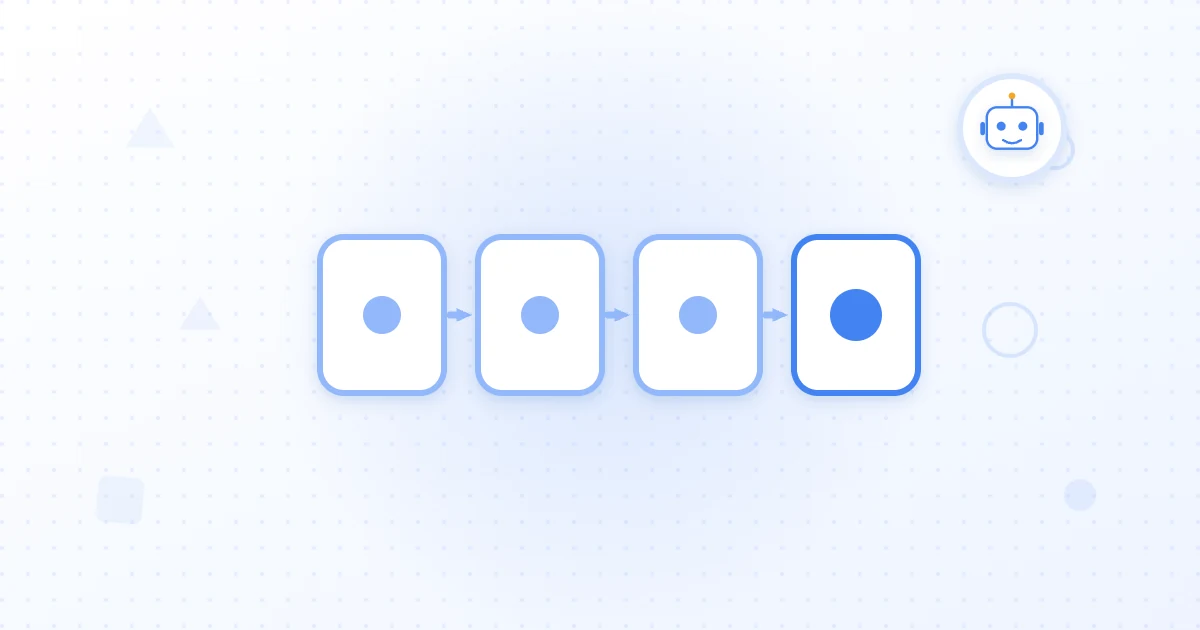
תהליכי עבודה אגנטיים הם תהליכים מונעי AI שבהם סוכן אוטונומי אחד או יותר מתכננים, מחליטים ופועלים תחת פיקוח אנושי מועט. במקום להריץ רצף קבוע של כללים, תהליך העבודה צופה במצב, מנמק לגבי הצעד הבא הטוב ביותר, נוקט פעולה, בודק את התוצאה ומסתגל. הלולאה הזו היא מה שהופך אוטומציה סטטית למערכת שיכולה להתמודד עם מטרות מבולגנות ומרובות-שלבים.
ההבחנה החשובה היא פשוטה: סוכן AI הוא המערכת האוטונומית שמבצעת את העבודה, בעוד תהליך עבודה אגנטי הוא סדרת השלבים שהסוכן הזה עוקב אחריהם כדי להשיג יעד. ככל שיותר מחקר, קניות ותמיכה עוברים לתוך סוכני AI, הבנת האופן שבו תהליכי עבודה אלה פועלים עוזרת למשווקים לראות היכן ניתן לגלות ולצטט את התוכן שלהם.
תהליך עבודה אגנטי הוא היישום התהליכי של היכולות של סוכן. במקום שבו תהליך עבודה מסורתי רץ באותו נתיב בכל פעם, תהליך אגנטי משלב נימוק, שימוש בכלים וזיכרון מתמשך כדי ליצור תהליך אדפטיבי ומתקן את עצמו. הסוכן מחזיק מטרה, מפרק אותה, ומחליט בזמן ריצה אילו שלבים להריץ ובאיזה סדר.
זו הסיבה שאנשים מתארים לעיתים קרובות מערכות אגנטיות במחזור של צפייה, חשיבה, פעולה. המערכת קולטת מידע מדואר אלקטרוני, בסיסי נתונים, מסמכים או האינטרנט הפתוח, שוקלת את האפשרויות שלה, מבצעת פעולה, ואז עוקבת אחר התוצאה כדי ליידע את הצעד הבא. מכיוון שהנתיב נקבע תוך כדי תנועה, תהליך העבודה יכול לשנות כיוון כשהתנאים משתנים.
שני המונחים משמשים לעיתים קרובות לסירוגין, אך המסגור הנקי יותר מפריד בין השחקן לתהליך. סוכני AI הם הישויות האוטונומיות עם לולאות נימוק וגישה לכלים. תהליכי עבודה אגנטיים מוציאים את זרימת הבקרה הזו החוצה לרצף מתוזמר של שלבים שיכול לכלול מספר סוכנים, שירותים וממשקי API. תהליך עבודה עוקב אחר שלבים מוגדרים ברמה גבוהה תוך שהוא עדיין מאפשר לסוכן לבחור נתיבי ביצוע בזמן ריצה.
להבדל הזה יש השלכות מעשיות. סוכן טהור הוא אדפטיבי מאוד אך יכול להתנהג כמו קופסה שחורה שקשה לעקוב אחריה ולנפות בה באגים. תהליך עבודה הוא מודולרי וניתן למעקב, עם נראות שלב אחר שלב ומקום למעקות בטיחות. זו הסיבה שצוותים פונים לתהליכי עבודה בהגדרות מוסדרות או בייצור, ולסוכנים פשוטים יותר באבטיפוסים מהירים. רבות מהמערכות האלה נבנות עם פריימוורקים לסוכני AI שמטפלים בתזמור, בזיכרון ובחיווט הכלים.
רוב תהליכי העבודה האגנטיים נשענים על שלוש אבני בניין. הראשונה היא זיכרון. זיכרון לטווח קצר מאחסן הקשר מיידי כמו השיחה הנוכחית כך שהסוכן יכול להחליט על צעדו הבא, בעוד זיכרון לטווח ארוך שומר ידע לאורך הפעלות כדי לאפשר התאמה אישית ושיפור עקבי לאורך זמן.
השנייה היא כלים: משאבים חיצוניים שהסוכן יכול לקרוא להם, כמו ממשקי API, חיפוש וקטורי, מפרשי קוד, דפדפני אינטרנט ושאילתות מסד נתונים, כל אחד מלווה בהרשאות שהמשתמש מעניק. השלישית היא נימוק, שמתפצל בעצמו לתכנון (פירוק בעיה מורכבת לצעדים קטנים וברי-ביצוע) ולרפלקציה (הערכת תוצאות והתאמת הגישה). שימוש בכלים נשען לעיתים קרובות על יצירה מבוססת אחזור כדי לבסס תשובות בנתונים אמיתיים.
כמה דפוסים חוזרים על עצמם ברוב היישומים. דפוס התכנון גורם לסוכן לפרק משימה מורכבת לתת-משימות פשוטות יותר, מה שמקטין את העומס הקוגניטיבי על המודל ומפחית את הסיכוי להזיה של AI. דפוס שימוש הכלים מאפשר לסוכן לקיים אינטראקציה עם העולם האמיתי דרך חיפושים, קריאות למסד נתונים, הרצת קוד וממשקי API, במקום להסתמך על ידע משונן.
דפוס הרפלקציה הוא מנגנון משוב עצמי: הסוכן מבקר את הפלט שלו, משכלל את הגישה, ומקודד את מה שלמד בזיכרון לפני שהוא מסיים תשובה. מעבר לאלה, דפוסי תזמור כמו ביצוע מקבילי, שערי אישור עם אדם בלולאה, הסתעפויות של פיצול ואיחוד, וטיפול מובנה בשגיאות מאפשרים לתהליכי עבודה לתאם מספר סוכנים באופן אמין.
בפועל, המחזור עקבי. בקשת משתמש מפעילה את תהליך העבודה. הסוכן בונה תוכנית על סמך המטרה והכלים הזמינים לו. הוא מבצע את הפעולה הראשונה ועוקב אחר התוצאה בזמן אמת. אם התוצאה אינה מספקת, הוא משתקף, מתכנן מחדש ומנסה גישה טובה יותר. רק כשהמטרה מושגת הוא מחזיר תשובה סופית.
מכיוון שכל שלב מיידע את הבא, תהליך העבודה מסתגל באופן מתמשך במקום להריץ תסריט נוקשה. זו אותה לולאה שמפעילה תכונות מחקר עמוק ותשובות מרובות-שלבים בתוך עוזרים כמו ChatGPT, Perplexity ו-Gemini, שבהם המערכת מריצה מספר פעולות לפני שהיא מייצרת תשובה מבוססת אחת. הלולאות האלה קשורות קשר הדוק לחיפוש אגנטי, שבו הפעולות הן בעיקר שלבי אחזור.
ככל שתהליכי עבודה אגנטיים משתלטים על יותר גילוי, נראות מפסיקה להיות רק עניין של דירוג עבור מילת מפתח. כאשר סוכן חוקר נושא על פני שלבים רבים, התוכן שלכם מתחרה על להיות המקור שהוא קורא, סומך עליו ומצטט לאורך הדרך. דף שעונה על תת-שאלה ספציפית בדיוק יכול להיות מצוטט שוב ושוב גם אם הוא לעולם לא מדורג ראשון עבור מונח הראש.
זו ליבת האופטימיזציה למנועי חיפוש גנרטיביים ואופטימיזציית ציטוט AI. המטרה היא להפוך למקור אמין שסוכנים חוזרים אליו לאורך שאילתות רבות, מה שמצטבר הרבה מעבר לדירוג בודד. זה מתגמל מבנה ברור, תשובות ישירות ועומק נושאי אמיתי, מכיוון שסוכנים מעדיפים מקורות שמכסים נושא ביסודיות.
יש להתחיל בלענות על שאלות באופן ישיר ומוקדם כדי שסוכן יוכל לחלץ הצהרה נקייה ועצמאית מבלי לנחש. לאחר מכן יש לבנות עומק נושאי אמיתי על פני תתי-הנושאים, ההשוואות והמקרי-קצה שסוכן יבדוק תוך כדי ביצוע התוכנית שלו. יש להתייחס לכל דף כאל צומת אחד באשכול מחובר הנתמך על ידי אסטרטגיית תוכן AI מכוונת.
גם אותות טכניים חשובים. יש להשתמש בנתונים מובנים כדי שמכונות יוכלו לנתח את העובדות שלכם, לחזק קישוריות פנימית כדי שסוכן יוכל לנוע בין דפים קשורים, לשמור על עובדות עקביות בכל האתר, ולוודא שהדפים שלכם נגישים לזחלנים שמזינים את המערכות האלה. שילוב זה עם מחקר מילות מפתח ותכנון תוכן ממושמעים עוזר לכם למקד את השאלות המדויקות שסוכנים שואלים.
תהליכי עבודה אגנטיים זוהרים במשימות שאף שלב בודד לא יכול לסיים. צינורות אחזור אגנטיים מפרקים שאילתה, שופטים רלוונטיות ומשכללים תשובות באופן איטרטיבי. עוזרי מחקר מסנתזים דוחות מעמיקים ממקורות רבים, ומתאימים את התוכנית ככל שמגיעים נתונים חדשים. עוזרי קידוד מייצרים, מריצים ומנפים באגים בקוד בלולאה, ומשכללים בהתבסס על השגיאות שהם נתקלים בהן.
הדפוס מתרחב על פני פונקציות עסקיות: תמיכת לקוחות שפותרת כרטיסים מול בסיס ידע, התאמה אישית שיווקית, עיבוד פיננסי, תיאום שרשרת אספקה ואוטומציה של משאבי אנוש. בכל מקרה, יכולת הסוכן לנמק ולהסתגל היא מה שמפריד בין תהליך העבודה לבין אוטומציה נוקשה מבוססת כללים.
יותר אוטונומיה מביאה יותר סיכון. תהליכי עבודה אגנטיים יכולים להיות מורכבים שלא לצורך עבור משימות פשוטות ודטרמיניסטיות שבהן תסריט קבוע יהיה מהיר ואמין יותר. אוטונומיה גדולה יותר גם מפחיתה יכולת חיזוי, והחלטה שגויה מוקדם בשרשרת ארוכה יכולה להצטבר לתוצאה שגויה בביטחון עצמי.
פריסות אמיתיות זקוקות אפוא למעקות בטיחות: נקודות ביקורת עם אדם בלולאה, מסלולי ביקורת, ותיחום זהיר של הרשאות לכלים. איכות נתונים, אינטגרציה עם מערכות ישנות ותחזוקה שוטפת מוסיפים חיכוך, והחלטות בעלות סיכון גבוה מעלות שאלות אתיות ורגולטוריות. יש להתייחס לפלט אגנטי כאל טיוטה חזקה שיש לאמת, לא כמקור אמת סופי.
תהליכי עבודה אגנטיים הופכים אוטומציה ללולאה אדפטיבית שבה סוכן AI מתכנן, פועל, מעריך ומשכלל באמצעות זיכרון, כלים ונימוק. הסוכן הוא השחקן; תהליך העבודה הוא הנתיב המתוזמר שהוא עוקב אחריו, ודפוסים כמו תכנון, שימוש בכלים ורפלקציה הופכים את הנתיב הזה לאמין. עבור משווקים, המעבר ממסגר מחדש את הנראות סביב היות מקור אמין וניתן לציטוט לאורך שלבים רבים, במקום דירוג בודד עבור מילת מפתח אחת.
כדי להעמיק, יש לחבר זאת עם סוכני AI ועם אסטרטגיית תוכן AI רחבה יותר. מקורות התייחסות: Weaviate, Atlassian, ו-Orkes.

סוכן AI הוא המערכת האוטונומית שמנמקת, קוראת לכלים ונוקטת פעולות. תהליך עבודה אגנטי הוא סדרת השלבים המחוברים שהסוכן עוקב אחריהם כדי להשיג מטרה. תהליך העבודה מוציא את זרימת הבקרה החוצה כך שהיא מודולרית וניתנת למעקב, בעוד סוכן עצמאי שומר את הלוגיקה הזו פנימית, מה שהופך אותו לגמיש יותר אך קשה יותר לניפוי באגים.
אוטומציה מסורתית, כמו סקריפטים מבוססי כללים ואוטומציית תהליכים רובוטית, עוקבת אחר רצף קבוע ונשברת כשמשהו בלתי צפוי קורה. תהליכי עבודה אגנטיים משתמשים בנימוק כדי להעריך את המצב, לבחור את הפעולה הבאה ולהסתגל בזמן אמת. הם גם לומדים מתוצאות באמצעות שלב של רפלקציה, כך שהם משתפרים עם הניסיון במקום לחזור על אותו נתיב נוקשה.
כאשר סוכני AI חוקרים נושא על פני שלבים רבים, התוכן שלכם מתחרה על להיות המקור שהם קוראים, סומכים עליו ומצטטים בכל שלב. הציטוט תלוי במבנה ברור, בתשובות ישירות בתחילת הדף, בעומק נושאי ובקישוריות פנימית נקייה שמאפשרת לסוכן לנוע בין הדפים שלכם. זו המטרה המרכזית של אופטימיזציה למנועי חיפוש גנרטיביים.









.svg)
.svg)