
העדפות
הפרטיות חשובה לנו, ולכן יש לך אפשרות להשבית סוגים מסוימים של אחסון שייתכן שאינם נחוצים לתפקוד הבסיסי של האתר. חסימת קטגוריות עלולה להשפיע על חווית השימוש שלך באתר. מידע נוסף

הפרטיות חשובה לנו, ולכן יש לך אפשרות להשבית סוגים מסוימים של אחסון שייתכן שאינם נחוצים לתפקוד הבסיסי של האתר. חסימת קטגוריות עלולה להשפיע על חווית השימוש שלך באתר. מידע נוסף
Content Decay הוא הירידה ההדרגתית בתנועה האורגנית ובדירוגים של דף. למידע על הגורמים, איך לזהות את התופעה וכיצד להחזיר תנועה שאבדה.
.webp)
.webp)




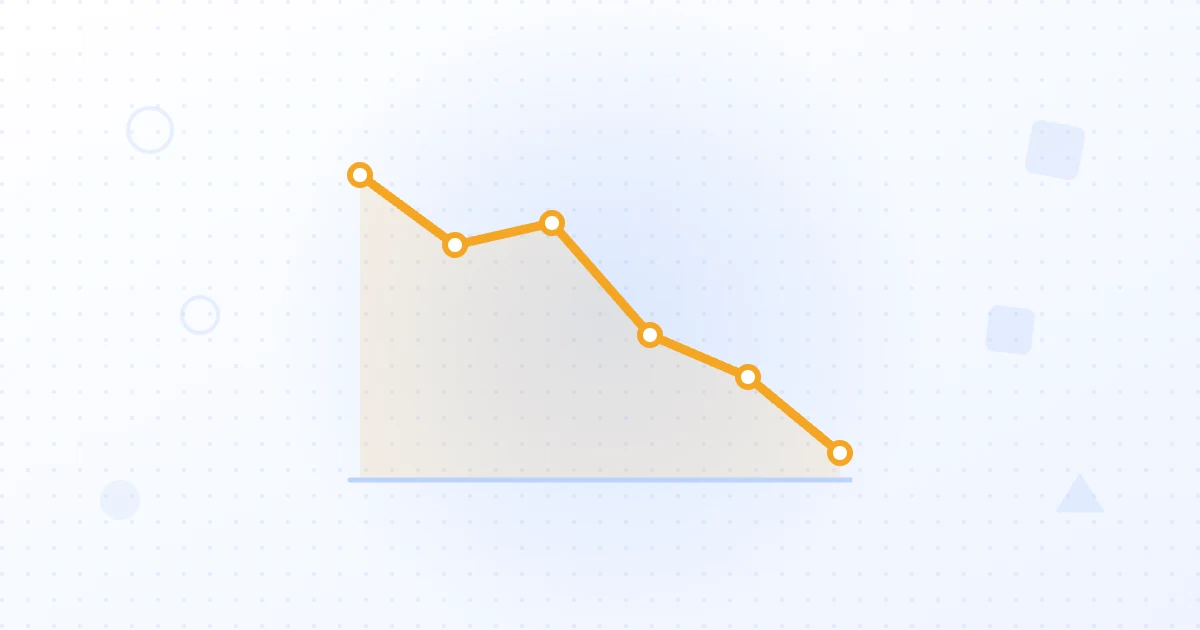
Content Decay הוא הירידה האיטית בתנועה האורגנית, בדירוגים ובהתאמה של דף עם הזמן. בניגוד לקריסה פתאומית כתוצאה מענישה או מעדכון אלגוריתם משמעותי, השחיקה מתגנבת בהדרגה, מאבדת מעט בכל חודש עד שדף שהיה פעם חזק מתחיל להניב תוצאות חלשות בשקט. מכיוון שהאובדן מצטבר בהדרגה, קל לפספס אותו עד שכבר אבדה תנועה משמעותית.
כל תוכנית תוכן נתקלת בכך. רוב הצוותים משקיעים מאמץ בפרסום ואז ממשיכים הלאה, כך שהשחיקה מצטברת בדפים שהם כבר לא עוקבים אחריהם. הבנת הסיבות לכך, ובניית הרגל לאתר את התופעה מוקדם, הם מה שמבדיל בין ספרייה שהערך שלה הולך ומצטבר לבין כזו שנשחקת לאט.
Content decay מתאר את הירידה ההדרגתית בביצועים של דף, בניגוד לנפילות החדות שנגרמות מענישות או מעדכוני ליבה. מדובר בהחלקה איטית ולעיתים בלתי נראית: הדירוגים יורדים בהדרגה, המתחרים מתקדמים, והקליקים הולכים ומתמעטים על פני טווח זמן ארוך. הנזק מצטבר ולא דרמטי, וזו בדיוק הסיבה שהוא חומק מתשומת הלב.
חשוב להבדיל בין שחיקה אמיתית לבין תופעות דומות. ירידות עונתיות עוקבות אחר מחזורים שנתיים, בעיות טכניות כמו הסרה מהאינדקס (deindexing) או כתובות קנוניות שבורות גורמות לאובדן משלהן, וקונפיגורציה שגויה בכלי האנליטיקס עשויה לדמות ירידה שכלל לא קיימת. שחיקה אמיתית היא בעיה של תוכן ורלוונטיות, הקשורה קשר הדוק לדעיכה ברעננות התוכן ולירידה בתנועה האורגנית.
מספר גורמים מניעים את התופעה. הגיל והרעננות חשובים מכיוון שמנועי החיפוש מעדיפים תוכן שעודכן לאחרונה, במיוחד עבור שאילתות עם סימני רעננות מרומזים כמו "הטוב ביותר" או "איך לעשות". מתחרים מהווים לחץ מתמיד: כאשר מתחרה מפרסם דף בעל מבנה טוב יותר, קישורים טובים יותר ועדכני יותר על אותו מונח, הדף שלכם נשחק גם אם דבר בו לא השתנה.
גם כוונת החיפוש נעה עם הזמן. על פני שנים, מה שאנשים מצפים לקבל משאילתה יכול להשתנות באופן משמעותי, כך שדף עדיין יכול להכיל את מילות המפתח הנכונות אך כבר לא להתאים למה שהמחפשים רוצים. הוסיפו לכך סטטיסטיקות מיושנות, קישורים שבורים, מעורבות יורדת וקניבליזציה פנימית, שבה מספר דפים מפצלים ביניהם סמכות על אותו מונח, והשחיקה מואצת. קצב השינוי עצמו מגביר את התופעה: גוגל מבצעת אלפי שינויים במערכת החיפוש בשנה, בממוצע כ-13 ביום, כאשר רבים מהם מתגמלים תוכן רענן על פני דפים מיושנים, מה שמקשר את השחיקה לעדכוני האלגוריתם המתמשכים ולכוונת החיפוש.
ה-AI האיץ את השחיקה. ככל שחיפוש מבוסס AI עונה על יותר שאילתות באופן ישיר, פחות קליקים מגיעים לתוצאות המסורתיות, כך שאפילו דירוג יציב יכול לאבד תנועה. נתונים מדווחים מצביעים על כך ש-AI Overviews עשויים להפחית את שיעורי ההקלקה לתוצאות האורגניות בכ-30 עד 60 אחוז בשאילתות שבהן הן מופיעות, וגרטנר צפתה שנפח שאילתות החיפוש עשוי לרדת בכ-25 אחוז עד 2026 ככל שמשתמשים עוברים לעוזרים חכמים.
גם הלחץ לרעננות חד יותר בעולם ה-AI. ניתוח אחד מצא שכתובות URL המצוטטות על ידי עוזרי AI רעננות בכ-25.7 אחוז בממוצע יותר מהתוצאות האורגניות, מה שמעיד על הטיה חזקה לטובת תוכן עדכני. AI Overviews גם מציגות זוויות ותתי-נושאים מתחרים, כך שדף שלא מתייחס אליהם עלול להישחק מהר יותר. כך הופכת השחיקה לחלק מהמעבר הרחב יותר של ייחוס ללא קליק ו-AI Overview.
יש להתחיל ב-Google Search Console על ידי השוואת שלושת החודשים האחרונים לאותה תקופה לפני שנה. ירידה בחשיפות יחד עם ירידה בקליקים מסמנת שחיקה קלאסית, בעוד ירידה בחשיפות עם עלייה בשיעור ההקלקה (CTR) מעידה לרוב על תוכן שעדיין ניתן להציל. השוואה זו חושפת במהירות אילו דפים נשחקים.
לאחר מכן יש להוסיף הקשר. יש לבדוק אם הירידה הגיעה אחרי עריכה, מה שמרמז על פגיעה בשוגג הדורשת חזרה למצב קודם, או הופיעה ללא שינוי קודם, מה שמצביע על שחיקה קלאסית הדורשת רענון. מדדי מעורבות יכולים לשמש כאזהרה מוקדמת מעבר לנפח הגולמי. אזהרה מעשית: כדאי להמתין עד שהתוכן בן שישה חודשים לפחות לפני שמעריכים אותו, מכיוון שדפים מתחת לכשלושה חודשים חדשים מדי כדי להעריך, וכדאי לקרוא את הירידות לצד מגמות הדירוג הכלליות.
יש להתאים את התיקון לגורם. עדכון או רענון מתאימים כאשר מילת המפתח עדיין רלוונטית אך התוכן מיושן, תוך הבאת נתונים עדכניים, דוגמאות נוכחיות, בדיקת פערים נושאיים והתאמה לכוונה של היום. איחוד מתאים כאשר שניים מהדפים שלכם מתחרים על אותו מונח, על ידי מיזוג הדף החלש לתוך החזק תוך שימוש בהפניית 301 לשימור ערך הקישורים. הפניה מתאימה כאשר נושא כבר לא תואם את האסטרטגיה שלכם אך הדף מחזיק בקישורים נכנסים בעלי ערך.
עבור דפים בעלי ערך נמוך באמת, גיזום באמצעות noindex בטוח יותר ממחיקה, שהיא בלתי הפיכה, וכתיבה מחדש מלאה הגיונית כאשר המקור לא היה ממוטב היטב אך הנושא עדיין שווה כיבוש. המפתח הוא שהעדכונים חייבים להיות משמעותיים: דף עם סטטיסטיקות ישנות ותאריך חדש בכותרת הוא רק תווית חדשה על תוכן מיושן, ומנועי חיפוש ומערכות AI כאחד הפכו טובים בזיהוי ההבדל. תוכן שעבר רענון נכון משיב לרוב 60 עד 80 אחוז מהדירוגים שאבדו תוך כ-30 עד 45 יום, במיוחד כשהדבר משולב עם ניתוח פערי תוכן.
מניעה היא הרגל תחזוקה. יש להריץ ביקורות רבעוניות המסמנות דפים שיורדים ביותר מכ-20 אחוז בתנועה משנה לשנה, להגדיר התראות למקרה שמתחרים מתחילים להתקדם בדירוג עבור המונחים שלכם, ולתזמן סקירות שנתיות של התוכן בעל הערך הגבוה ביותר ללא קשר למדדים הנוכחיים שלו. איתור ירידה מוקדם מונע מהחלקות קטנות להפוך להפסדים גדולים.
גם המבנה עוזר. קישור הדדי בין מאמרים קשורים מפזר את הסמכות במקום לפצל אותה, כך שבניית ותחזוקת אשכולות תוכן הופכות ספרייה לעמידה יותר. התייחסות לתחזוקה כחלק ממחזור הפרסום, ולא כמחשבה שלאחר מעשה, היא ההגנה היעילה ביותר, והיא שומרת על התאמת הדפים שלכם לרף התוכן המועיל שמנועי החיפוש מתגמלים.
עבור SEO, שחיקה שלא נבדקת מרוקנת בשקט את הערך המצטבר של הדפים הטובים ביותר שלכם, ומכיוון שהיא הדרגתית, היא לעיתים רחוקות מפעילה את האזעקה שנפילה פתאומית הייתה מפעילה. תוכנית רענון ממושמעת מגנה על דירוגים שכבר הרווחתם, מה שכמעט תמיד זול יותר מאשר לזכות בחדשים מאפס.
עבור אופטימיזציה למנועים גנרטיביים (GEO), הסיכון עוד גבוה יותר. מערכות AI נוטות למקורות רעננים ועדכניים, כך שדף שנשחק פחות סביר שיצוטט, בדיוק כפי שפחות סביר שידורג. שמירה על תוכן מעודכן ומותאם לכוונה מגנה אפוא הן על הנראות המסורתית שלכם והן על הנוכחות שלכם בתשובות AI, ומחזקת סמכות תוכן מתמשכת. התאמת הרעננות למחקר מילות מפתח ותכנון תוכן נכונים שומרת על המאמץ ממוקד בדפים שחשובים באמת.
Content decay היא השחיקה האיטית של התנועה, הדירוגים וההתאמה של דף, המונעת על ידי מידע מזדקן, מתחרים חזקים יותר, כוונה משתנה ודף תוצאות שמעוצב יותר ויותר על ידי AI. היא בלתי נראית עד שהיא הופכת יקרה, וזו הסיבה שגילוי מוקדם ורענונים משמעותיים כה חשובים.
יש לבצע ביקורות באופן קבוע, לתקן לפי הגורם באמצעות עדכונים, איחוד, הפניות או גיזום, ולבנות מבנים עמידים כדי להאט ירידה עתידית. יש לשלב זאת עם הרגלי רעננות תוכן חזקים וסמכות תוכן עמידה. מקורות התייחסות: Ahrefs, Search Engine Land, ו-1702 Digital.

ירידה פתאומית בתנועה נגרמת בדרך כלל מענישה, מעדכון אלגוריתם משמעותי או מבעיה טכנית, והיא מופיעה כנפילה חדה שניתן לתארך במדויק. Content Decay הוא הדרגתי: הדירוגים והקליקים נשחקים לאט על פני חודשים או שנים, ככל שהתוכן מזדקן, המתחרים משתפרים והכוונה משתנה. מכיוון שהשחיקה הדרגתית וקל לפספס אותה, היא לרוב גורמת לנזק מצטבר גדול בהרבה מנפילה חדה בודדת לפני שמישהו שם לב.
יש להשוות את שלושת החודשים האחרונים ב-Google Search Console לאותה תקופה לפני שנה. ירידה בחשיפות יחד עם ירידה בקליקים מצביעה על שחיקה קלאסית, בעוד ירידה בחשיפות עם עלייה בשיעור הקלקה (CTR) מרמזת על תוכן שניתן עדיין להציל. כדאי לבדוק אם הירידה הגיעה אחרי עריכה, מה שעשוי להעיד על נזק בשוגג, או קרתה ללא כל שינוי, מה שמצביע על צורך ברענון. יש להמתין עד שהדף בן שישה חודשים לפחות לפני שמעריכים אותו.
כשדף שחוק עובר רענון נכון, עם נתונים שעודכנו באמת, דוגמאות עדכניות והתאמה מחודשת לכוונת החיפוש, דיווחים מצביעים על כך שהוא לרוב משיב 60 עד 80 אחוז מהדירוגים שאבדו תוך כ-30 עד 45 יום. ההתאוששות אינה מובטחת ועדכונים שטחיים כמעט אף פעם לא עובדים, מכיוון שמנועי החיפוש ומערכות ה-AI מסוגלים להבחין בין רענון אמיתי לתאריך חדש על תוכן ישן. שינויים משמעותיים וקצת סבלנות הם הכרחיים.










.svg)
.svg)