
העדפות
הפרטיות חשובה לנו, ולכן יש לך אפשרות להשבית סוגים מסוימים של אחסון שייתכן שאינם נחוצים לתפקוד הבסיסי של האתר. חסימת קטגוריות עלולה להשפיע על חווית השימוש שלך באתר. מידע נוסף

הפרטיות חשובה לנו, ולכן יש לך אפשרות להשבית סוגים מסוימים של אחסון שייתכן שאינם נחוצים לתפקוד הבסיסי של האתר. חסימת קטגוריות עלולה להשפיע על חווית השימוש שלך באתר. מידע נוסף
בצע אופטימיזציה לאתר Weebly שלך עבור Google ומנועי חיפוש AI. הגדר מטא-דאטה, schema, קישורים פנימיים ואותות GEO כדי ש-ChatGPT, Perplexity, Claude ו-Gemini יצטטו את הדפים שלך באופן עקבי.
.webp)
.webp)





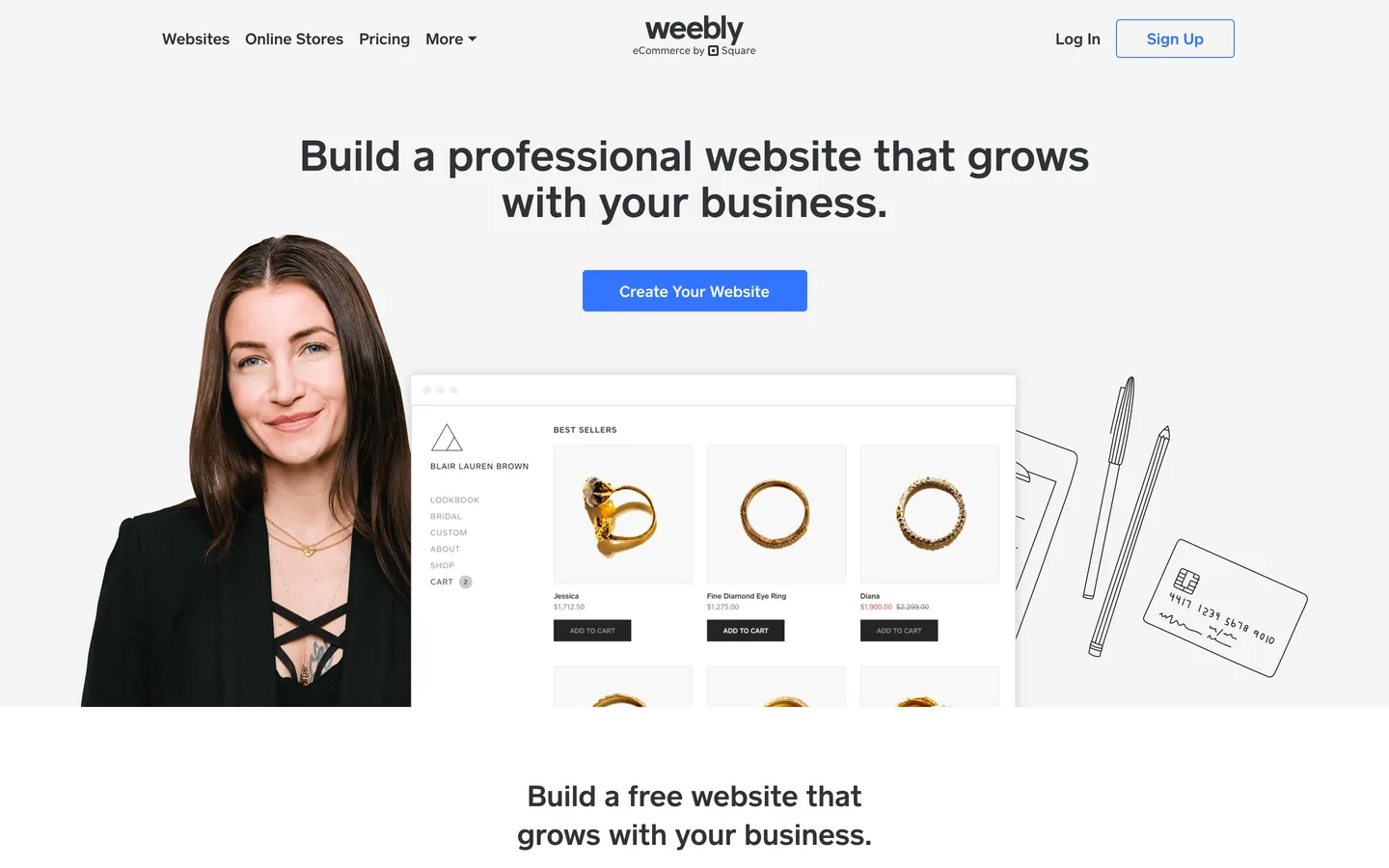


אתר ה-Weebly שלך יכול להפוך למקור מצוטט בתוך תשובות שנוצרו על ידי AI, לא רק דף בתוצאות חיפוש קלאסיות. Weebly, שהוא כעת חלק מהמערכת האקולוגית של Square, הוא בונה גרירה ושחרור המשמש מאות אלפי עסקים קטנים וחנויות מסחר אלקטרוני. הרץ קודם geo seo audit בסיסי כדי להבין את נראות ה-AI הנוכחית שלך, ואז נטר התקדמות בתוך geo seo dashboard. מדריך זה מכסה את הצעדים הספציפיים להגדרת Weebly כך ש-Google ועוזרים כמו ChatGPT, Perplexity, Claude ו-Gemini יסמכו ויצטטו את הדפים שלך.
Generative Engine Optimization פירושו להפוך לאחד מהרשימה הקצרה של מקורות שעוזרי AI מצטטים כשהם עונים על שאלות משתמשים. השילוב של Weebly במערכת המסחר של Square נותן לו דריסת רגל שימושית: נתוני מוצר, תמחור ופרטי חנות כבר חיים ברישומים מובנים. כאשר אתה חושף את המבנה הזה עם מטא-דאטה נכונה ו-JSON-LD, מודלי AI ממפים את המותג והקטלוג שלך באופן אמין. בצד התוכן, עורך הבלוג של Weebly מסוגל מספיק כדי לייצר מאמרים מובנים היטב כאשר אתה מיישם את התבניות הנכונות.
התחל עם ראיות. הרץ את השאלות שלקוחותיך שואלים דרך ChatGPT, Perplexity, Claude ו-Gemini, ותעד האם המותג או המוצרים שלך מופיעים. עקוב אחר אזכורי מותג לאורך זמן עם ai mention tracking, בדוק את הקישורים שמנועי AI מצטטים עם ai cited backlinks, ומדוד את מיקומך התחרותי עם seo competitor spy.
משתמשי AI מנסחים צרכים כ-prompts בשפה טבעית, לא רק כמילות מפתח קצרות. אסוף את השאלות המדויקות שלקוחותיך מקלידים לעוזרים, קבץ אותן לפי כוונה (השווה, קנה, תקן, למד), ומפה כל אשכול לדף קנוני אחד. השתמש ב-query fan-out tool כדי להרחיב כיסוי וב-keyword research כדי לתעדף נפח וקושי.
הגדרות ה-SEO של Weebly מאפשרות לך להגדיר כותרת דף ותיאור meta עבור כל דף וכל פוסט בבלוג. כתוב כותרות שקוראות בשם הישות הליבתית וכולל בידול, בהישארות מתחת ל-65 תווים. תיאורי meta צריכים להיפתח עם תשובה ישירה לשאילתה הראשית, בין 145 ל-160 תווים. בדוק את ה-URL הקנוני ש-Weebly מייצר עבור כל דף וודא שהוא נקי: הימנע מדפים כפולים המיוצרים על ידי תצוגות מסוננות או ממוינות בחנות Square Online.
עורך הבלוג של Weebly תומך בבלוקי HTML מותאמים וכותרות מ-H1 עד H6. השתמש ב-H2 עבור סעיפים ראשיים וב-H3 עבור תת-נקודות. שמור פסקאות ממוקדות: רעיון אחד, מתחת ל-110 מילים. פתח כל פוסט עם סיכום של שני משפטים שעונה על שאלת הליבה ישירות כדי שעוזרי AI יוכלו לצטט אותו בלי לקרוא את המאמר המלא.
Weebly מאפשר טקסט alt לכל תמונה בפאנל הגדרות האלמנט. הוסף טקסט alt תיאורי לכל תמונה, במיוחד לתמונות מוצר. השתמש בשמות קבצים נקיים, באותיות קטנות, מופרדים במקפים לפני העלאה. עבור חנות Weebly, ודא שכל תמונת מוצר מזכירה את המוצר ואת התכונה המרכזית שלו. זה חשוב הן לחיפוש תמונות קלאסי והן למודלי AI המנתחים תוכן דף כדי להסיק רלוונטיות מוצר.
Weebly מייצר תגי Open Graph מכותרת הדף ותיאור ה-meta שלך. אשר שה-og:image הוא ברזולוציה גבוהה (לפחות 1200x630 פיקסלים) ומייצג את נושא הדף. אותות Open Graph עקביים עוזרים לעוזרי AI לכייל את הביטחון שלהם בזהות המותג שלך והקשר בין הדפים שלך.
הוסף JSON-LD דרך אלמנט ה-HTML המותאם של Weebly או ה-embed של header ברמת האתר. רמת אתר: Organization עם name, url, logo, sameAs, foundingDate ו-contactPoint. פוסטים בבלוג: Article עם name, description, datePublished ו-author. דפי מוצר: Product עם name, description, image, brand ו-offers. סעיפי FAQ: FAQPage עם כל זוג שאלה-תשובה.
עוזרי AI מצטטים קטעים, לא דפים שלמים. מבנה תוכן כך שהפסקה הראשונה של כל סעיף עונה על שאלת הכותרת שלה ישירות. שמור כל תשובה בין 60 ל-120 מילים לפני הוספת פרטים תומכים. השתמש בבלוק FAQ ייעודי בתחתית כל דף חשוב. עבור תוכן how-to, השתמש בצעדים ממוספרים עם תוצאה ברורה לכל צעד.
בנה ארכיטקטורת hub-and-spoke: דף ראשי אחד לכל נושא, נתמך על ידי דפים צרים יותר ופוסטים בבלוג. השתמש ב-topical cluster generator כדי לתכנן את המבנה. קישורי inline עם עוגנים ספציפיים עוזרים ל-crawlers ולמודלים להבין את היקף המומחיות שלך. יישם את אותם עקרונות על wix, squarespace, או webnode אם אתה מריץ שם תוכן גם כן.
Weebly מייצר אוטומטית sitemap.xml לדפים ציבוריים. שלח אותו ל-Google Search Console ובקר כיסוי מדי חודש. ברירת המחדל של robots.txt מתירה; סקור אותה כדי לוודא ש-AI crawlers מגיעים לתוכן המפתח שלך. הוסף קובץ llms.txt בשורש (העלה דרך מנהל הקבצים של Weebly) כדי לתקשר כללי זחילה מועדפים ודפי עדיפות לסוכני AI.
GEO רץ על סמכות. זכה באזכורים וקישורים ממקורות אמינים בנישה שלך. חתום על פוסטים בבלוג בשם אמיתי עם ביוגרפיה נראית. שמור על דף About עם אישורי צוות ואותות אמון. עבור חנות Square Online, הצג ביקורות לקוחות אמיתיות ומדיניות החזרה ברורה. עקוב אחר ההתקדמות שלך עם domain authority tracker ונטר דירוג מגזרי על geo leaderboard.
ה-API של Weebly (Square Cloud API) הוא ציבורי חלקית אבל אין לו endpoint ליצירת פוסטים בבלוג, כך שאוטומציה של פרסום מאמרים ישיר לבלוג Weebly אינה אפשרית. Sorank משתמש במסלול הבלוג המתארח שלו: Sorank מייצר ומארח מאמרי SEO בבלוג מנוהל על ידי Sorank בתת-דומיין או תת-תיקייה משלך, שאתה מקשר מאתר ה-Weebly שלך עם קישורים פנימיים מלאים. השתמש ב-blog article generator כדי לייצר טיוטות מותאמות במהירות. השווה את ביצועי ה-GEO שלך עם אתרים דומים כמו jimdo, strikingly, ו-webnode.
עקוב אחר אילו prompts מזכירים את המותג שלך, אילו דפים מצוטטים, והיכן מתחרים צוברים קרקע. יחס המרות מעוזרי AI עם UTMs ייחודיים בדפי נחיתה. סקור את הבנצ'מרק שלך מדי חודש, התאם דפים קנוניים, ורענן תוכן בלוג עם ראיות חדשות ונתונים מעודכנים שמודלי AI משתמשים בהם כדי לשפוט עדכניות.
הפשטות של Weebly ושילוב המסחר של Square הם חוזקות אמיתיות. GEO מוסיף את השכבה שהופכת את החוזקות הללו לגלויות לעוזרי AI: תוכן מובנה, מטא-דאטה עקבית, JSON-LD למוצרים ולמאמרים, ובלוג מונע Sorank שמעצים את הסמכות שלך מעבר למה שעורך Weebly לבדו יכול לספק.

Weebly יכול לתפקד היטב עבור GEO עם ההגדרה הנכונה. השילוב שלו עם Square Online פירושו שקטלוג המוצרים שלך כבר קיים כנתונים מובנים שמודלי AI כמו ChatGPT, Perplexity, Claude ו-Gemini מנתחים כדי להבין מה אתה מוכר. בצד התוכן, עורך הבלוג של Weebly תומך בכותרות H2, בלוקי HTML מותאמים להזרקת JSON-LD, והגדרות SEO לכל דף. הפער הוא אוטומציה: אין API לבלוג, כך שפרסום בקנה מידה דורש את מסלול הבלוג המתארח של Sorank. עם תוכן מובנה, schema נכונה ובלוג חיצוני צומח, אתרי Weebly זוכים בציטוטים באופן עקבי.
כתוב בסגנון תשובה-ראשית: פתח כל דף ופוסט עם סיכום של שני משפטים שעונה על השאלה הראשית ישירות. השתמש בכותרות משנה H2 תיאוריות המשקפות את ה-prompts שלקוחות מקלידים. הוסף בלוק FAQ מפורש בסוף דפי מפתח עם תשובות של 60 עד 120 מילים. הזרק JSON-LD (Article לפוסטים, Product לדפי חנות, FAQPage לבלוקי FAQ, Organization ברמת האתר) דרך אלמנט ה-HTML המותאם של Weebly. מלא טקסט alt בכל תמונה. שלח את ה-sitemap שלך ל-Google Search Console כדי ש-AI crawlers יגלו את הדפים שלך וזכה ב-backlinks ממקורות אמינים כדי להעלות סמכות.
ל-Weebly יש API ציבורי חלקי (Square Cloud API) אבל אין endpoint ליצירת או פרסום פוסטים בבלוג, כך שאוטומציה ישירה של פרסום אינה אפשרית. Sorank מתחבר דרך מסלול הבלוג המתארח שלו: Sorank מייצר ומארח מאמרי SEO בבלוג מנוהל על ידי Sorank בתת-דומיין או תת-תיקייה שלך, שאתה מקשר מאתר ה-Weebly שלך עם קישורים פנימיים מלאים. מעבר לתוכן, Sorank מספק ביקורות GEO ו-SEO המותאמות לאתר שלך, עוקב אחר אזכורי AI ב-ChatGPT, Perplexity ו-Gemini, מנטר מתחרים, ומציג את כל הנתונים בדשבורד אחד, נותן לך מנוע תוכן אוטומטי ובר-אינדוקס.









.svg)
.svg)