
העדפות
הפרטיות חשובה לנו, ולכן יש לך אפשרות להשבית סוגים מסוימים של אחסון שייתכן שאינם נחוצים לתפקוד הבסיסי של האתר. חסימת קטגוריות עלולה להשפיע על חווית השימוש שלך באתר. מידע נוסף

הפרטיות חשובה לנו, ולכן יש לך אפשרות להשבית סוגים מסוימים של אחסון שייתכן שאינם נחוצים לתפקוד הבסיסי של האתר. חסימת קטגוריות עלולה להשפיע על חווית השימוש שלך באתר. מידע נוסף
הפוך את אתר Jimdo שלך לגלוי ל-Google ולחיפוש AI. השתמש בהגדרות SEO, כותרות נקיות, JSON-LD ובלוג מחובר כדי ש-ChatGPT, Perplexity, Claude ו-Gemini יצטטו את דפי העסק הקטן שלך.
.webp)
.webp)





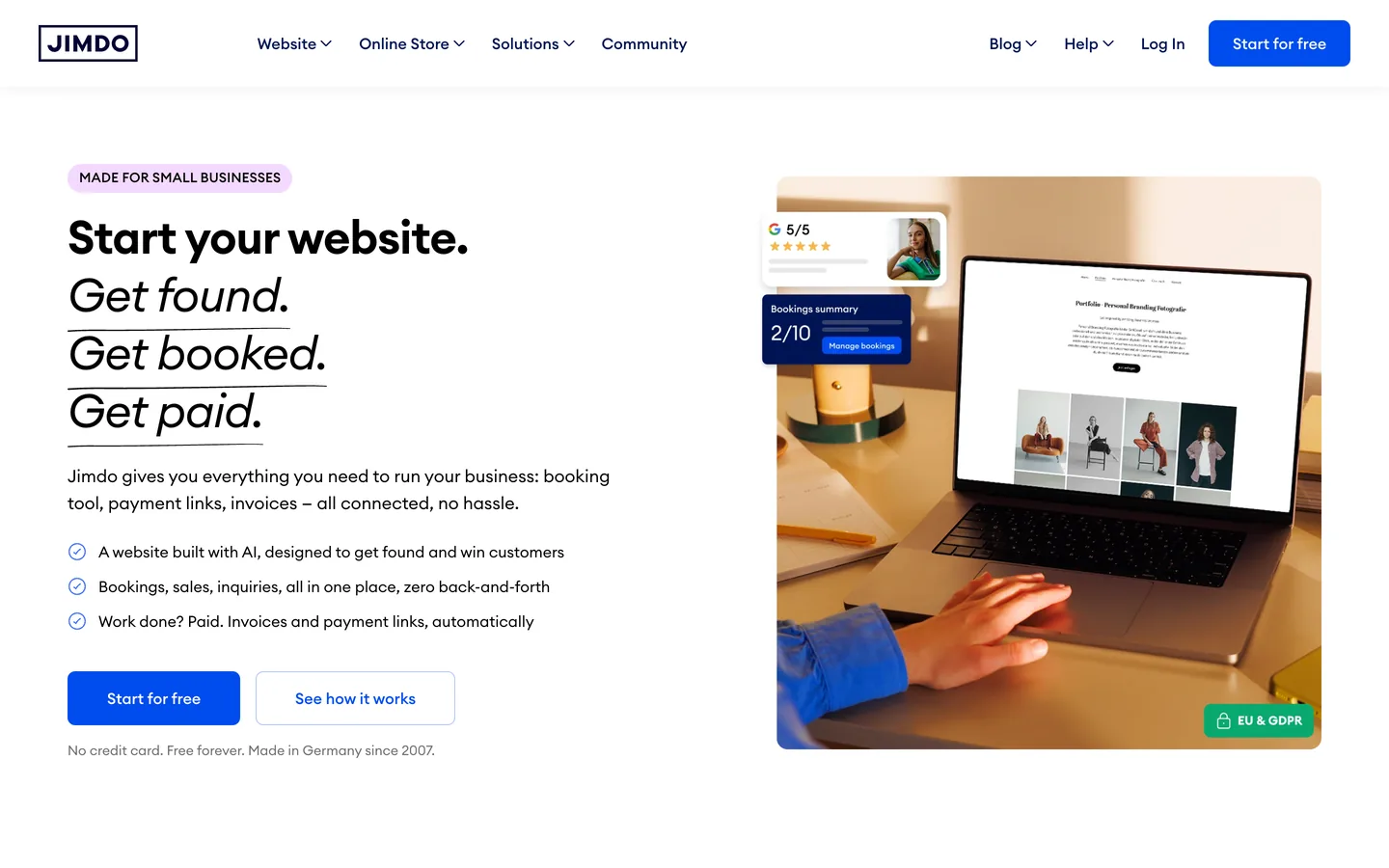


מנהל עסק קטן ב-Jimdo ורוצה שעוזרים ימליצו עליך, לא רק Google? Jimdo עוזר לבעלים להשיק אתר עסקי מסודר במהירות, בין אם דרך עוזר Dolphin המודרך או עורך Creator המעשי, וכמה צעדים מכוונים הופכים אותו לבסיס לאופטימיזציית מנוע גנרטיבי (GEO). התחל עם ביקורת geo seo בסיסית וצפה בהתקדמות שלך בלוח בקרה חי של geo seo. מדריך זה מסביר כיצד להשתמש בהגדרות SEO של Jimdo, לבנות את הדפים שלך, להוסיף סכימה ולחבר בלוג כך ש-Google ועוזרים כמו ChatGPT, Perplexity, Claude ו-Gemini יבינו ויצטטו את התוכן שלך.
אנשים שואלים יותר ויותר עוזר להמלצה לפני שהם אפילו פותחים דף חיפוש. Generative Engine Optimization היא העבודה של להפוך למקור שהעוזרים הללו מצטטים. אתרי Jimdo הם בדרך כלל רזים, מקומיים וממוקדי שירות, וזה חוזק: זהות עסקית ברורה עם שם, כתובת ושירותים עקביים היא בדיוק מה שמודלים ממפים היטב. המשימה היא לבטא את הזהות הזו במדויק, ואז להוסיף את העומק שעוזרים צריכים דרך דפים מובנים ובלוג מחובר.
התחל עם בנצ'מרק. שאל את העוזרים המובילים את השאלות שלקוח מקומי היה שואל, כמו השירות שאתה מציע בעירך, ורשום אם העסק שלך מופיע ואיזה דף מוצג. עקוב אחר אזכורי מותג עם מעקב אזכורי ai, סקור את הציטוטים שאתה מרוויח דרך קישורים מצוטטים על ידי ai, והפעל ביקורת geo seo בסיסית כדי לראות אילו פרטים כבר מחוברים לשמך.
ב-GEO, כוונה מגיעה כשאלות טבעיות. אסוף את הניסוח המדויק שלקוחות משתמשים בו לגבי השירות, המיקום, השעות והתמחור שלך, ואז קבץ אותם לפי משימה: ללמוד, להשוות, לבחור ולהזמין. הרחב כיסוי עם כלי הצפייה בשאילתות ותעדף נושאים עם מחקר מילות מפתח. תן לכל אשכול בית: דף שירות ב-Jimdo להצעות ליבה, מאמר בלוג לשאלות הזקוקות לתשובה מלאה יותר.
Jimdo נותן לכל דף שדות SEO משלו, אז הגדר כותרת דף מדויקת ותיאור מטא ברור לדף הבית, לכל דף שירות ולדף יצירת הקשר. כתוב כותרות שמציינות את השירות והמיקום, שמור על תיאורים ספציפיים, והשתמש בכתובות URL נקיות. בתוכנית Dolphin ההגדרות פשוטות, בעוד ש-Creator חושף יותר שליטה, אז השתמש בעורך שיש לך כדי למלא את השדות הללו בכל דף במקום להשאיר ברירות מחדל.
תן לכל דף H1 אחד שמציין את מטרתו, ואז ארגן את הגוף עם כותרות H2 ו-H3 שנקראות כשאלות ותשובות. פתח כל סעיף במשפט סיכום קצר וניתן לציטוט, שמור על רעיון אחד לכל בלוק, והשתמש ברשימות לצעדים, תכונות ואפשרויות שירות. היררכיה זו עוזרת לעוזרים לחלץ קטע מדויק במקום לנחש על דף לא מובנה, וזה מקל על מבקרים לסרוק את הדף.
Jimdo מאפשר לך להטמיע HTML מותאם, אז הוסף JSON-LD בווידג'ט. עבור עסק מקומי, השתמש ב-LocalBusiness עם name, address, telephone, openingHours וקישורי sameAs לפרופילים שלך, שהוא הסימון היחיד היקר ביותר לאתר שירות. הוסף WebPage לכל דף, FAQPage לבלוקי שאלות ו-HowTo לכל רשימת צעדים. נתונים מובנים נותנים למודלים ישויות מפורשות ואמינות לשייך למותג שלך.
עסקים מקומיים מרוויחים ציטוטים כשהפרטים שלהם תואמים בכל מקום. שמור על שמך, כתובתך ומספר הטלפון זהים ב-Jimdo, בפרופיל העסק שלך ובמדריכים, מכיוון שעוזרים בודקים אותם באופן צולב כדי לסמוך עליך. הטמע מפה, רשום אזורי שירות בטקסט פשוט, וציין שעות בבירור. קשר את הפרופילים המאומתים שלך דרך sameAs כך שמודלים יחברו את האתר, רישום המפה והביקורות לישות אחת בטוחה.
הוסף סעיף בעמוד של שאלות נפוצות עם תשובות ישירות, מכיוון שהבלוקים הללו הם בין התכנים הניתנים ביותר לציטוט עבור חיפוש AI. שמור כל תשובה בין 50 ל-120 מילים, כתובה כך שתעמוד בפני עצמה כשמוציאה לתגובה. שקף את הניסוח המדויק שלקוחות משתמשים בו, קשר כל תשובה למאמר בלוג עמוק יותר, וצמד את הבלוק לסכימת FAQPage כך שהמבנה יהיה מפורש.
חופן דפי עסק לעתים רחוקות מכסה כל שאלת לקוח, אז הוסף בלוג שמכוון לזנב הארוך של חיפושים והנחיות. Jimdo מציע בלוג בסיסי, ומנוע תוכן ייעודי מוסיף קנה מידה ומבנה עקבי. תכנן כיסוי עם מחולל אשכולות נושאיים, ואז ייצר טיוטות מיטביות במהירות עם מחולל מאמרי בלוג. קשר כל מאמר בחזרה לדף השירות הרלוונטי.
Jimdo מייצר מפת אתר לאתר שלך, אז אשר אותה ושלח אותה ב-Google Search Console. שמור על כללי robots פתוחים לדפים שאתה רוצה שיצוטטו והחזק כתובות URL שירותיות. הוסף קובץ llms.txt בשורש כדי לאותת על כללי זחילה מועדפים לסוכני AI, דפים בעדיפות לציטוט ותנאי השימוש החוזר שלך. הקבצים הקטנים הללו הופכים את האתר שלך לניתן לחיזוי גם למנועי חיפוש וגם לעוזרים.
קשר את דפי השירות שלך, דף יצירת הקשר ופוסטי הבלוג זה לזה עם טקסט עוגן תיאורי, כדי שמבקרים וזחלנים יעקבו אחר נתיב ברור דרך ההצעה שלך. התייחס לדפי הליבה שלך כמרכזים ולמאמרי הבלוג כחישורים תומכים. אם חלקים מהנוכחות שלך רצים במקום אחר, יישם את אותם עקרונות על strikingly, webnode, wix ו-squarespace, וחבר אותם עם קישור עקבי.
GEO מתגמל אמון. הרווח אזכורים בעיתונות מקומית, מדריכים תעשייתיים ואתרי שותפים, ואסוף ביקורות אמיתיות שמחזקות את המוניטין שלך. הראה את האנשים מאחורי העסק עם בעלים בשם, אישורים אמיתיים ודף אודות כן, שמחזק את E-E-A-T. עקוב אחר ההתקדמות שלך עם מעקב סמכות דומיין ככל שההפניות והביקורות מצטברות.
ל-Jimdo אין API ציבורי לדחיפת מאמרים לבלוג שלה, אז Sorank מפרסמת ומארחת את מאמרי ה-SEO שלך בבלוג בניהול Sorank, בתת-דומיין או תת-תיקייה משלך, שאתה מקשר מאתר Jimdo שלך עם קישורים פנימיים מלאים. אתה מקבל בלוג אוטומטי ומאונדקס לחלוטין שמשלים את דפי העסק שלך, מבלי להיאבק במגבלות של Jimdo. ייצר את התוכן עם מחולל מאמרי בלוג, ושמור על דפי Jimdo שלך כבית המלוטש להצעה שלך ופרטי הקשר.
עקוב אחר אילו הנחיות מציפות את העסק שלך, אילו דפים מצוטטים והיכן המתחרים מנצחים. השווה את עצמך עם מרגל מתחרי seo, צפה במעמדך בלוח מובילים של geo, וייחס ביקורים והזמנות מונעי עוזר עם דפי נחיתה מתויגים ו-UTM ייחודיים. סקור מדי חודש, רענן את התשובות שזוכות בציטוטים, והרחב את האשכולות שמביאים לקוחות.
Jimdo נותן לעסק קטן אתר נקי ומהיר; GEO נותן לך את השיטה לזכות בהמלצה. כשהדפים שלך מציינים זהות מדויקת, סכימת LocalBusiness ו-FAQ מתארות את הישויות שלך, ובלוג מחובר עונה על כל שאלת לקוח, עוזרים מצטטים אותך בביטחון. מלא את הגדרות ה-SEO, בנה את הכותרות שלך, הוסף סכימה ותשובות ניתנות לציטוט, קשר בלוג בהתארחות Sorank, ותן ל-Sorank להוביל ביקורות, תוכן ומעקב אזכורים.

Jimdo יכול לעבוד היטב עבור GEO, במיוחד עבור עסקים מקומיים וממוקדי שירות. לכל דף יש הגדרות SEO משלו לכותרת מדויקת ותיאור מטא, ותמיכה בקוד מותאם מאפשרת לך להוסיף JSON-LD, כאשר סימון LocalBusiness הוא הבעל ערך רב ביותר לאתר שירות. תן לכל דף H1 ברור ומבנה כותרות מונע שאלות, שמור על שם, כתובת וטלפון עקביים ברחבי הרשת, והוסף קובץ llms.txt. המגבלה העיקרית היא עומק בכמה דפי עסק, אז שלב את האתר עם בלוג מחובר כך ש-ChatGPT, Perplexity, Claude ו-Gemini יוכלו להגיע ולצטט את התוכן שלך.
כתוב תוכן שמתחיל בתשובה שנבנה סביב השאלות שלקוחות באמת שואלים. פתח כל סעיף בסיכום של שני משפטים, ואז הוסף מבנה כותרות סרקבל ושמור על פסקאות קצרות. בנה בלוק שאלה ותשובה בעמוד עם תשובות של 50 עד 120 מילים שעומדות בפני עצמן כשמצוטטות, וגבה זאת בסכימת FAQPage דרך קוד מותאם של Jimdo. הוסף סכימת LocalBusiness ו-HowTo, שמור על פרטי העסק שלך עקביים בכל מקום, וקשר כל תשובה למאמר בלוג עמוק יותר. עגן טענות למקורות אמינים. זה נותן למנועי AI קטעים נקיים וניתנים לציטוט שהם יכולים להרים לתשובות.
ל-Jimdo אין API ציבורי לדחיפת מאמרים לבלוג שלה, אז Sorank משתמשת בגישת הבלוג בהתארחות עצמית. Sorank מפרסמת ומארחת את מאמרי ה-SEO שלך בבלוג בניהול Sorank, בתת-דומיין או תת-תיקייה משלך, שאתה מקשר מאתר Jimdo שלך עם קישורים פנימיים מלאים, ונותנת לך בלוג אוטומטי ומאונדקס לחלוטין מבלי להיאבק במגבלות של Jimdo. מעבר לפרסום, Sorank מריצה ביקורות GEO ו-SEO המותאמות לאתר שלך, עוקבת אחר אזכורי AI ב-ChatGPT, Perplexity ו-Gemini, מנטרת מתחרים, ומציפה אופטימיזציות תוכן מלוח בקרה אחד, כך שדפי Jimdo שלך יישארו הבית להצעה שלך בעוד הבלוג בונה עומק נושאי וסמכות מקומית.









.svg)
.svg)