
העדפות
הפרטיות חשובה לנו, ולכן יש לך אפשרות להשבית סוגים מסוימים של אחסון שייתכן שאינם נחוצים לתפקוד הבסיסי של האתר. חסימת קטגוריות עלולה להשפיע על חווית השימוש שלך באתר. מידע נוסף

הפרטיות חשובה לנו, ולכן יש לך אפשרות להשבית סוגים מסוימים של אחסון שייתכן שאינם נחוצים לתפקוד הבסיסי של האתר. חסימת קטגוריות עלולה להשפיע על חווית השימוש שלך באתר. מידע נוסף
הפוך את חנות Volusion שלך לגלויה ל-Google ולחיפוש AI. השתמש בשדות SEO למוצרים, בתבניות נקיות, ב-JSON-LD וב-llms.txt כדי ש-ChatGPT, Perplexity, Claude ו-Gemini יצטטו את הקטלוג והמותג שלך.
.webp)
.webp)





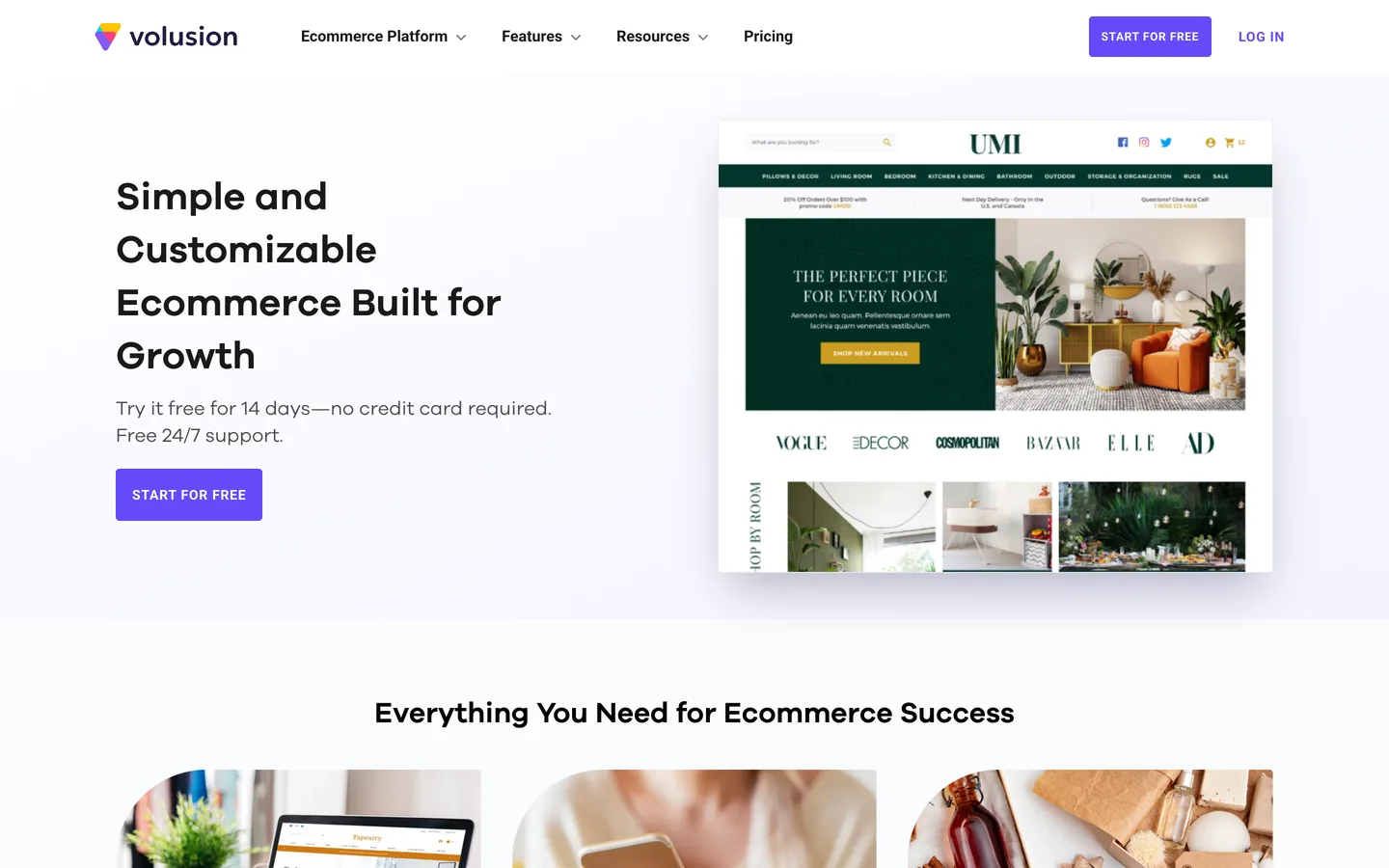


Volusion היא אחת מפלטפורמות החנויות המתארחות הוותיקות ביותר, מערכת הכל-באחד שמנהלת את קטלוג המוצרים, הצ'קאאוט והתבניות במקום אחד. זו פלטפורמת מורשת, ולכן הדרך ל-generative engine optimization (GEO) חזק עוברת דרך מבנה ממושמע: ישויות מוצר נקיות, דפים מהירים ו-schema מפורש. GEO הוא המימוש של להיות מקור שעוזרי AI מצטטים, וקטלוג Volusion מסודר נותן למודלים עובדות ברורות לצטט. התחל עם geo seo audit בסיסי ועקוב אחר כל התקדמות ב-geo seo dashboard חי. המדריך הזה מראה איך לבנות, לרנדר ולסמן Volusion כך ש-Google ועוזרים כמו ChatGPT, Perplexity, Claude ו-Gemini יבינו, יסמכו ויצטטו את הדפים שלך.
חיפוש קלאסי עדיין שולח קונים לקטלוג שלך, וכעת עוזרי AI קוראים את הרשת, מסכמים אותה ומוסרים לקונים רשימה קצרה של מקורות מומלצים. Generative Engine Optimization היא העבודה של להפוך למקור מצוטט. Volusion מארגנת הכל סביב מוצרים וקטגוריות, כך שכל פריט הוא כבר רשומה מובנית עם שם, מחיר ותיאור. כשאתה מחדד את השדות הללו ומוסיף schema, מודלים מזהים מה אתה מוכר ומצטטים אותך כשקונה שואל על אפשרויות, גם על פלטפורמה ישנה יותר.
התחל עם קו בסיס. שאל את העוזרים המובילים את שאלות הקנייה שהלקוחות שלך שואלים, ותעד האם החנות שלך מצוטטת, אילו כתובות URL מופיעות ואיך מתוארות חנויות מתחרות. עקוב אחר אזכורי מותג עם ai mention tracking, בחן את המקורות שאתה זוכה בהם דרך ai cited backlinks, והרץ geo seo audit בסיסי כדי למפות את הישויות המקושרות כבר למותג שלך. בפלטפורמת מורשת ביקורת זו גם מסמנת בעיות מהירות וסריקה שכדאי לתקן ראשונות.
ב-GEO, הכוונה מגיעה כ-prompts. אסוף את הניסוח המדויק שקונים משתמשים בו בצ'אט ובקול, ואז קבץ אותו לפי משימה: לגלות, להשוות, לבחור ולקנות. הרחב כיסוי עם query fan-out tool ודרג נושאים לפי ביקוש עם keyword research. עבור כל אשכול, בחר דף אחד שיזכה בציטוט, מוצר או קטגוריה, וודא שהעותק שלו תמציתי, ספציפי ומגובה בראיות ברורות כדי שעוזר יוכל לצטט אותו ישירות.
התייחס לקטלוג Volusion כעמוד השדרה של האתר. תן לכל מוצר שם מדויק, תיאור אמיתי ושדות מלאים כמו מותג, אפשרויות ומפרטים, וארגן את המוצרים לקטגוריות ותת-קטגוריות ברורות. כתוב הקדמה קצרה בכל דף קטגוריה כך שייקרא כדף נחיתה אמיתי במקום רשת מוצרים ריקה. מפה את השדות הללו למאפייני schema.org כמו name, description, image, brand ו-offers כך שעוזרים יקראו את הקטלוג שלך כעובדות מובנות ולא כטקסט חופשי.
Volusion מציעה תבניות ניתנות להתאמה, ואתה יכול לערוך את העיצוב כדי לשלוט בכותרות ובסימון בדף. מכיוון שמהירות הדף הייתה מבחינה היסטורית נקודת חולשה, דחוס תמונות, קצץ סקריפטים כבדים ושמור על עיצוב רזה כך שדפים ייטענו במהירות במובייל, מה ש-Google וסורקי AI מתגמלים. השתמש בתגי כותרת אמיתיים לכותרות מוצרים ומקטעים, שמור על עותק הליבה כטקסט HTML ולא כתמונות, הוסף alt מתאר, והגש הכל דרך דומיין מותאם עם SSL.
Volusion חושפת שדות SEO לכל מוצר וקטגוריה: הגדר כותרת דף מדויקת, meta description ברור וכתובת URL נקייה שמזהה את הישות. השתמש בתגי canonical כדי לאחד גרסאות כפולות או מבוססות פרמטרים, מקור נפוץ של נפח בעגלות מורשת, והחל הנחיות robots כדי לשמור דפים דקים מחוץ לאינדקס. כתוב כל תיאור מוצר כך שמשפט הפתיחה יקרא כתשובה שמודל יוכל להרים, ותן לכל מוצר עותק ייחודי. ודא שתגי Open Graph תואמים את כוונת הדף.
חזק את המשמעות עם JSON-LD שנוסף דרך התבנית או ה-header. השתמש ב-Product עם offers ו-AggregateRating לדפי מוצר, ב-BreadcrumbList לנתיבי קטגוריה וב-FAQPage לבלוקי שאלות. הוסף Organization schema ברמת האתר עם logo, contactPoint, foundingDate וקישורי sameAs לפרופילים המאומתים שלך, כך שעוזרים יקשרו כל דף למותג מהימן אחד וישתמשו בעובדות הללו בביטחון. אמת את הסימון שלך כדי ששגיאה יחידה לא תחסום דף חזק אחרת.
צור בלוקי שאלה ותשובה מפורשים שמשקפים prompts אמיתיים: מידות, תאימות, משלוח והחזרות. שמור כל תשובה בין 50 ל-120 מילים, קשר למוצר או קטגוריה רלוונטיים, וצטט מקור חיצוני סמכותי אחד היכן שזה עוזר. עבור מדריכי התקנה או שימוש, פרט חומרים, שלבים וזמן בפורמט HowTo כך שעוזר יוכל להרים תהליך נקי ומלא לקונה ששואל איך משהו עובד.
ודא ש-Volusion חושפת sitemap שמפרט מוצרים וקטגוריות, ואז שלח אותו ב-Google Search Console. שמור על חוקי robots פתוחים לתיקיות שמחזיקות תוכן לציטוט וסגורים לעגלה, חיפוש ונתיבי חשבון, ואסור את כתובות ה-URL עם פרמטרים שיוצרות כפילויות. הוסף קובץ llms.txt בשורש כדי לאותת על חוקי הסריקה המועדפים לסוכני AI, כתובות ה-URL בעדיפות לציטוט ותנאי השימוש החוזר שלך, ולתת לעוזרים מפה ברורה של מה לצטט מהקטלוג שלך.
קבץ מוצרים ומדריכים קשורים למוקדי נושא, ואז חבר אותם עם עוגנים מתארים ופירורי לחם שמבטאים היררכיה. מדריך קנייה שמקשר למוצריו, ומוצרים שמקשרים חזרה למדריך, בונים את עומק הנושא שמודלים סומכים עליו. האץ את זה עם topical cluster generator. אם חלקים מהנוכחות שלך רצים במקומות אחרים, החל את אותה גישה על bigcommerce, woocommerce ו-shopify.
GEO עדיין רץ על סמכות. זכה בציטוטים מעיתונות מקצועית, אתרי ביקורות וקהילות מתמחות, והצג את האנשים והמדיניות שמאחורי החנות עם מחברים בשם, דפי משלוח והחזרות ברורים וביקורות גלויות. אותות E-E-A-T אלה עוזרים לעוזרים להתייחס לחנות שלך כתשובה אמינה, שחשוב עוד יותר כשהפלטפורמה עצמה נראית ישנה. עקוב אחר מעמדך לאורך זמן עם domain authority tracker ותעדף את הקישורים שמזיזים אותו.
ל-Volusion אין בלוג טבעי לפרסם בו, וה-API שלה מתמקד במוצרים, הזמנות ולקוחות במקום ביצירת מאמרים, לכן Sorank מפרסמת דרך הבלוג המנוהל שלה. Sorank מארחת את מאמרי ה-SEO שלך בבלוג מנוהל של Sorank (סאב-דומיין או סאב-פולדר שלך) שאתה מקשר מניווט Volusion שלך, עם קישורים פנימיים מלאים חזרה למוצרים וקטגוריות. אתה מקבל מנוע תוכן אוטומטי לחלוטין הניתן לאינדקס שמניע תנועת חיפוש ו-AI לחנות, בלי להיאבק במגבלות Volusion או במגבלות מהירות הדף שלה. הפק טיוטות מותאמות במהירות עם blog article generator, ואז קשר כל מאמר לדף הקטגוריה התואם.
עקוב אחר אילו prompts מעלים את המותג שלך, אילו דפים מצוטטים והיכן חנויות יריבות מנצחות. השווה את עצמך עם seo competitor spy, צפה במעמדך ב-geo leaderboard, וייחס ביקורים המונעים על ידי עוזרים עם דפי נחיתה מתויגים ו-UTM ייחודיים כדי שתוכל להוכיח את ההכנסה.
Volusion נותנת לך חלון ראווה מבוסס והכל-באחד; GEO נותן לך את האסטרטגיה להיות מצוטט. כשהחנות שלך חושפת ישויות מוצר ברורות, מטא-דאטה מדויק, נתונים מובנים, דפים מהירים ותוכן תשובה-קודם, עוזרים מצטטים אותך בביטחון. הדק את הקטלוג שלך, תקן מהירות וכתובות URL כפולות, הוסף JSON-LD ותן לבלוג המנוהל של Sorank לשאת את עומס התוכן בזמן ש-Volusion מפעילה את החנות.

Volusion יכולה להצליח ב-GEO כשאתה נשען על מבנה ומתקן את נקודות החולשה הישנות שלה. כל מוצר וקטגוריה הם רשומה נקייה שאתה יכול לחשוף עם כותרות מדויקות, meta descriptions, תגי canonical ו-JSON-LD כמו Product ו-Organization שנוספים דרך התבנית. העבודה העיקרית היא היגיינה טכנית: דחוס תמונות, קצץ סקריפטים ואחד כתובות URL כפולות מבוססות פרמטרים כך שדפים ייטענו במהירות ויסרקו נקי. הגש הכל דרך דומיין מותאם עם SSL, ייצר sitemap והוסף קובץ llms.txt בשורש. עם תיאורים תשובה-קודם במקומם, ChatGPT, Perplexity, Claude ו-Gemini יכולים להגיע ולצטט את דפי המוצר והקטגוריה שלך.
כתוב דפים תשובה-קודם ממופים ל-prompts אמיתיים של קונים. פתח כל דף מוצר או קטגוריה במשפט או שניים שמודל יכול לצטט, ואז הוסף מתאר סקאנבל ושמור על פסקאות קצרות. השתמש בתגי כותרת אמיתיים דרך התבנית, בלוקי FAQ מפורשים עם תשובות של 50 עד 120 מילים, ומקטע עובדות ברור למידות, תאימות ומשלוח. הוסף JSON-LD (Product, FAQPage, Organization) ב-header ותן לכל מוצר עותק ייחודי. מכיוון ש-Volusion יכולה לייצר כתובות URL כפולות עם פרמטרים, החל תגי canonical ו-sitemap נקי כך שעוזרים ימפו ויצטטו את הדפים הנכונים.
ל-Volusion אין בלוג טבעי לפרסם בו, וה-API שלה מתמקד במוצרים, הזמנות ולקוחות במקום ביצירת מאמרים, לכן Sorank מפרסמת דרך הבלוג המנוהל שלה. Sorank מארחת את מאמרי ה-SEO שלך בבלוג מנוהל של Sorank (סאב-דומיין או סאב-פולדר שלך) שאתה מקשר מאתר Volusion שלך, עם קישורים פנימיים מלאים חזרה למוצרים וקטגוריות. מעבר לפרסום, Sorank מריצה ביקורות GEO ו-SEO מותאמות לחנות שלך, עוקבת אחר אזכורי AI ב-ChatGPT, Perplexity ו-Gemini, מנטרת מתחרים וחושפת הזדמנויות תוכן מדשבורד אחד, כך שאתה מקבל בלוג אוטומטי הניתן לאינדקס בלי להיאבק במגבלות Volusion.









.svg)
.svg)