
העדפות
הפרטיות חשובה לנו, ולכן יש לך אפשרות להשבית סוגים מסוימים של אחסון שייתכן שאינם נחוצים לתפקוד הבסיסי של האתר. חסימת קטגוריות עלולה להשפיע על חווית השימוש שלך באתר. מידע נוסף

הפרטיות חשובה לנו, ולכן יש לך אפשרות להשבית סוגים מסוימים של אחסון שייתכן שאינם נחוצים לתפקוד הבסיסי של האתר. חסימת קטגוריות עלולה להשפיע על חווית השימוש שלך באתר. מידע נוסף
הפוך את חנות Square Online שלך לגלויה ל-Google ולחיפוש AI. השתמש בעמודי Square Online, Stories, JSON-LD ו-llms.txt כדי ש-ChatGPT, Perplexity, Claude ו-Gemini יצטטו את המוצרים והמותג שלך.
.webp)
.webp)





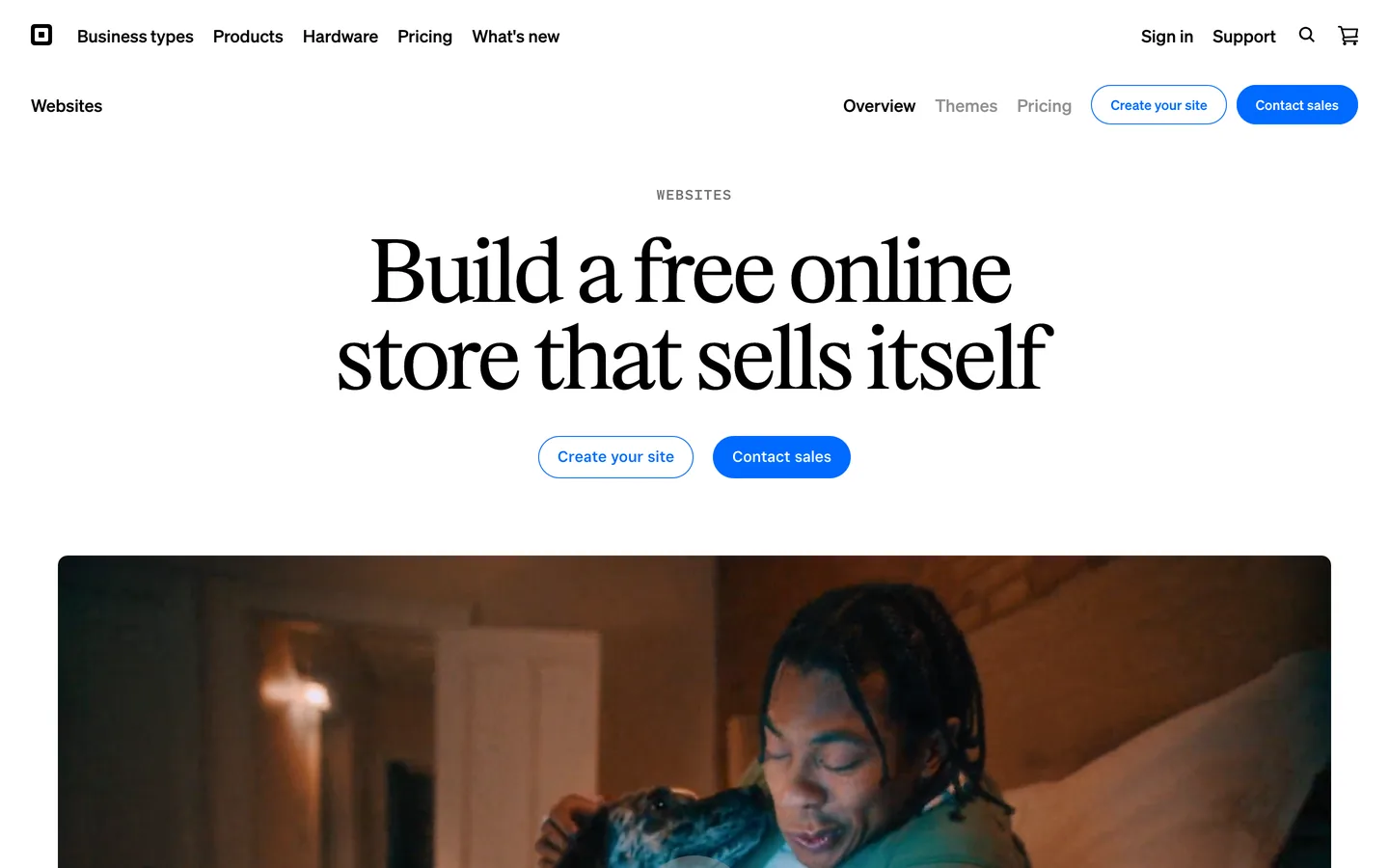


Square Online הופך את חשבון Square שלך לאתר וחנות פעילים, ועם המבנה הנכון הוא הופך לבסיס אמין לאופטימיזציה למנועים גנרטיביים (GEO). מכיוון שהבונה קורא מאותו קטלוג שמפעיל את נקודת המכירה של Square, המוצרים, המחירים והקטגוריות שלך כבר קיימים כרשומות נקיות שעוזרי AI יכולים למפות. התחל עם geo seo audit בסיסי ועקוב אחר כל שיפור ב-geo seo dashboard חי. מדריך זה מראה איך לבנות, לרנדר ולסמן את Square Online כך ש-Google ועוזרים כמו ChatGPT, Perplexity, Claude ו-Gemini יבינו, יסמכו ויצטטו את הדפים שלך.
החיפוש הקלאסי עדיין שולח קונים לחנות שלך, וכעת עוזרי AI קוראים את הרשת, מסכמים אותה ומגישים לקונים רשימה קצרה של מקורות מומלצים. Generative Engine Optimization היא העבודה של להפוך לאחד מהמקורות המצוטטים האלה. Square Online נותן לך יתרון פתיחה כי כל מוצר, וריאציה וקטגוריה הם ישות מובנית המסונכרנת מקטלוג Square שלך. כאשר אתה חושף את המבנה הזה עם כותרות, תיאורים וסכמה ברורים, מודלים מזהים מה אתה מוכר ומצטטים אותך כאשר קונה מבקש אפשרויות.
התחל עם נקודת ייחוס. שאל את העוזרים המובילים את שאלות הקנייה שלקוחותיך שואלים, ואז תעד האם חנותך מצוטטת, אילו כתובות URL מופיעות, וכיצד חנויות מתחרות מתוארות. עקוב אחר אזכורי מותג עם ai mention tracking, סקור את המקורות שאתה מרוויח דרך ai cited backlinks, והרץ geo seo audit בסיסי כדי למפות את הישויות שכבר מקושרות למותג שלך. נקודת ייחוס זו הופכת ללוח התוצאות שאתה משפר מולו.
ב-GEO, כוונה מגיעה כהנחיות. אסוף את הניסוח המדויק שקונים משתמשים בו בצ'אט וקול, ואז קבץ אותו לפי משימה: לגלות, להשוות, לבחור ולקנות. הרחב כיסוי עם query fan-out tool ודרג נושאים לפי ביקוש עם keyword research. עבור כל אשכול, בחר עמוד אחד לזכייה בציטוט: עמוד מוצר, עמוד קטגוריה, או פוסט Stories של Square Online, והפוך אותו לתמציתי, ספציפי ומגובה בראיות ברורות.
התייחס לקטלוג Square שלך כעמוד השדרה של הישויות באתר. שמור על שמות מוצרים, תיאורים וקטגוריות מדויקים במקור, כי Square Online מפרסם אותם באופן אוטומטי בחנות. בנה עמודים ייעודיים לכל קטגוריה, הוסף מדריכי קנייה דרך תכונת בלוג Stories, וכתוב תיאורי מוצרים מפורטים הממופים למאפייני schema.org כמו name, description, image, brand ו-offers. שמות עקביים בין נקודת מכירה לאינטרנט מלמדים מודלים תמונה אחת ובוטחת של המותג שלך.
Square Online בונה עמודים מעורך מבוסס סקציות ומגיש אותם באחסון Square עם SSL אוטומטי, כך שהחנות שלך נטענת מהר בנייד, מה ש-Google ו-AI crawlers מתגמלים. שמור כל עמוד ממוקד על כוונה אחת, השתמש בכותרות אמיתיות ולא בטקסט מעוצב, ותן לתוכן המרכזי לרנדר כ-HTML רגיל כדי שסורקים יקראו אותו בלי להריץ scripts. חבר דומיין מותאם אישית כדי שהדפים המצוטטים שלך יישאו את המותג שלך במקום subdomain גנרי.
Square Online חושף הגדרות SEO לכל עמוד: הגדר כותרת עמוד מדויקת, תיאור מטא ברור, וסלאג URL נקי שמכנה את המוצר או הקטגוריה. כתוב תיאורים שנקראים כמו תשובה במשפט אחד שמודל יכול לצטט. תן לכל מוצר כותרת ייחודית והימנע מתיאורים כפולים בין פריטים דומים, כי טקסט דליל או חוזר מחליש דירוג וציטוט כאחד. אשר שטקסט ותמונות תצוגה מקדימה חברתית תואמים לכוונת העמוד.
חזק משמעות עם JSON-LD. Square Online פולט חלק מסימון המסחר באופן אוטומטי, ואתה יכול להוסיף או להרחיב אותו על ידי הזרקת JSON-LD דרך אזור הקוד או סניפט הכותרת של האתר. השתמש ב-Product עם offers לעמודי מוצר, BreadcrumbList לנתיבי ניווט, Article ו-WebPage לפוסטים של Stories, ו-FAQPage לבלוקי שאלות. הוסף סכמת Organization כלל-אתרית עם logo, contactPoint, foundingDate ו-sameAs לפרופילים המאומתים שלך כדי שעוזרים יחברו כל דף למותג בוטח אחד.
צור בלוקי שאלות ותשובות מפורשים המשקפים הנחיות אמיתיות, כמו מידות, חומרים, משלוח וטיפול. שמור כל תשובה בין 50 ל-120 מילים, קשר למוצר או קטגוריה רלוונטיים, וצטט מקור חיצוני סמכותי אחד היכן שהוא עוזר. עבור מדריכי הגדרה או סטיילינג, פרט חומרים, שלבים וזמן בפורמט HowTo כדי שעוזרים יוכלו להרים הליך נקי ומלא.
Square Online מייצר מפת אתר לדפים שפורסמו; אשר שהיא מפרטת מוצרים, קטגוריות ופוסטי Stories, ואז הגש אותה ב-Google Search Console. שמור כללי robots פתוחים לספריות שמכילות תוכן מצוטט ושקטים לנתיבי עגלה או חשבון. הוסף קובץ llms.txt בשורש כדי לאותת על כללי הסריקה המועדפים עליך לסוכני AI, כתובות URL בעדיפות לציטוט, ותנאי השימוש החוזר שלך, מה שנותן לעוזרים מפה ברורה של מה לצטט.
קבץ מוצרים ומדריכים קשורים לרכזות נושא, ואז חבר אותם עם עוגני קישור תיאוריים ופירורי לחם המבטאים היררכיה. מדריך קנייה שמקשר למוצרים שלו, ומוצרים שמקשרים בחזרה למדריך, בונים את העומק הנושאי שמודלים סומכים עליו. האץ זאת עם topical cluster generator. אם חלקים מהנוכחות שלך פועלים במקומות אחרים, החל את אותה גישה על squarespace, bigcommerce ו-shopify.
GEO עדיין רץ על סמכות. הרוויח ציטוטים מעיתונות מקומית, שווקים, יוצרים וקהילות נישה, והראה את האנשים מאחורי החנות עם מחברים בשם, עמוד About וביקורות גלויות. אותות E-E-A-T אלה עוזרים לעוזרים להתייחס לחנותך כתשובה אמינה. עקוב אחר מעמדך לאורך זמן עם domain authority tracker ותעדף את הקישורים שמזיזים אותו.
Square Online שומר את בלוג Stories שלו בתוך הבונה, ו-API הציבורי שלו מתמקד בקטלוג, הזמנות ותשלומים ולא בנקודת קצה לכתיבת Stories, כך ש-Sorank מפרסם דרך בלוג מנוהל משלו. Sorank מארח את מאמרי ה-SEO שלך בבלוג מנוהל של Sorank (subdomain או subfolder משלך) שאתה מקשר מהניווט של Square Online שלך, עם קישור פנימי מלא חזרה למוצרים ולקטגוריות שלך. אתה מקבל מנוע תוכן אוטומטי לחלוטין וניתן לאינדוקס שמניע תנועת חיפוש ו-AI לחנות, ואתה שומר את Square Online למכירה. הפק טיוטות אופטימליות במהירות עם blog article generator, ואז קשר כל מאמר לעמוד הקטגוריה המתאים.
עקוב אחר אילו הנחיות מציפות את המותג שלך, אילו דפים מצוטטים, והיכן חנויות יריבות זוכות. השווה את עצמך עם seo competitor spy, צפה במעמדך על geo leaderboard, וייחס ביקורים מונעי-עוזרים עם דפי נחיתה מתויגים ו-UTMs ייחודיים כדי שתוכל להוכיח את ההכנסה.
Square Online נותן לך חנות המחוברת לקטלוג; GEO נותן לך את האסטרטגיה להיות מצוטט. כאשר החנות שלך חושפת ישויות מוצר ברורות, מטא-דאטה מדויקת, נתונים מובנים ותוכן תשובה-ראשונה, עוזרים מצטטים אותך בביטחון. הדק את הקטלוג שלך, הגדר SEO ו-JSON-LD לכל עמוד, שלח מדריכי קנייה, ותן לבלוג מנוהל של Sorank לשאת את עומס התוכן בעוד Square Online מטפל במכירה.

Square Online יכול לבצע היטב עבור GEO כי כל מוצר, וריאציה וקטגוריה הם ישות מובנית המסונכרנת מקטלוג Square שלך, מה שנותן לעוזרים רשומות נקיות למיפוי. החנות נטענת מהר באחסון Square עם SSL אוטומטי, ותוכן מרכזי מרנדר כ-HTML קריא, כך שסורקים מנתחים אותו באמינות. אתה חושף משמעות דרך כותרות עמוד, תיאורי מטא, סלאגים נקיים ו-JSON-LD שנוספים באזור סניפט הכותרת. צור מפת אתר, הוסף קובץ llms.txt ושמור תיאורים תשובה-ראשונה כך ש-ChatGPT, Perplexity, Claude ו-Gemini יוכלו להגיע ולצטט את המוצרים ומדריכי הקנייה שלך.
כתוב דפים תשובה-ראשונה הממופים להנחיות קונים אמיתיות. פתח כל עמוד מוצר או קטגוריה בסיכום של משפט או שניים שמודל יכול לצטט, ואז הוסף מתאר סרוק ושמור פסקאות קצרות. השתמש בכותרות אמיתיות, בלוקי FAQ מפורשים עם תשובות של 50 עד 120 מילים, וקטע עובדות ברור למידות, חומרים ומשלוח. הוסף JSON-LD (Product, FAQPage, Article, Organization) דרך אזור הקוד הכלל-אתרי, ופרסם מדריכי קנייה בבלוג Stories שמקשרים למוצרים שהם מתארים. שמות קטלוג עקביים בין נקודת מכירה לאינטרנט מחזקים את האותות הנושאיים שעוזרים מזהים.
Square Online שומר את בלוג Stories שלו בתוך הבונה, ו-API הציבורי שלו מתמקד בקטלוג, הזמנות ותשלומים ולא בנקודת קצה לכתיבת Stories, כך ש-Sorank מפרסם דרך בלוג מנוהל משלו. Sorank מארח את מאמרי ה-SEO שלך בבלוג מנוהל של Sorank (subdomain או subfolder משלך) שאתה מקשר מאתר Square Online שלך, עם קישור פנימי מלא חזרה למוצרים ולקטגוריות. מעבר לפרסום, Sorank מריץ ביקורות GEO ו-SEO המותאמות לחנות שלך, עוקב אחר אזכורי AI ב-ChatGPT, Perplexity ו-Gemini, מנטר מתחרים, וחושף הזדמנויות תוכן מלוח מחוונים אחד, כך שאתה מקבל בלוג אוטומטי וניתן לאינדוקס בלי להיאבק במגבלות של Square Online.









.svg)
.svg)