
העדפות
הפרטיות חשובה לנו, ולכן יש לך אפשרות להשבית סוגים מסוימים של אחסון שייתכן שאינם נחוצים לתפקוד הבסיסי של האתר. חסימת קטגוריות עלולה להשפיע על חווית השימוש שלך באתר. מידע נוסף

הפרטיות חשובה לנו, ולכן יש לך אפשרות להשבית סוגים מסוימים של אחסון שייתכן שאינם נחוצים לתפקוד הבסיסי של האתר. חסימת קטגוריות עלולה להשפיע על חווית השימוש שלך באתר. מידע נוסף
הפוך את פרסום Readymag שלך לגלוי במנועי Google ו-AI. בנה מטא-נתונים, schema ופרקטיקות GEO כדי ש-ChatGPT, Perplexity, Claude ו-Gemini יצטטו את התוכן שלך ב-Readymag.
.webp)
.webp)





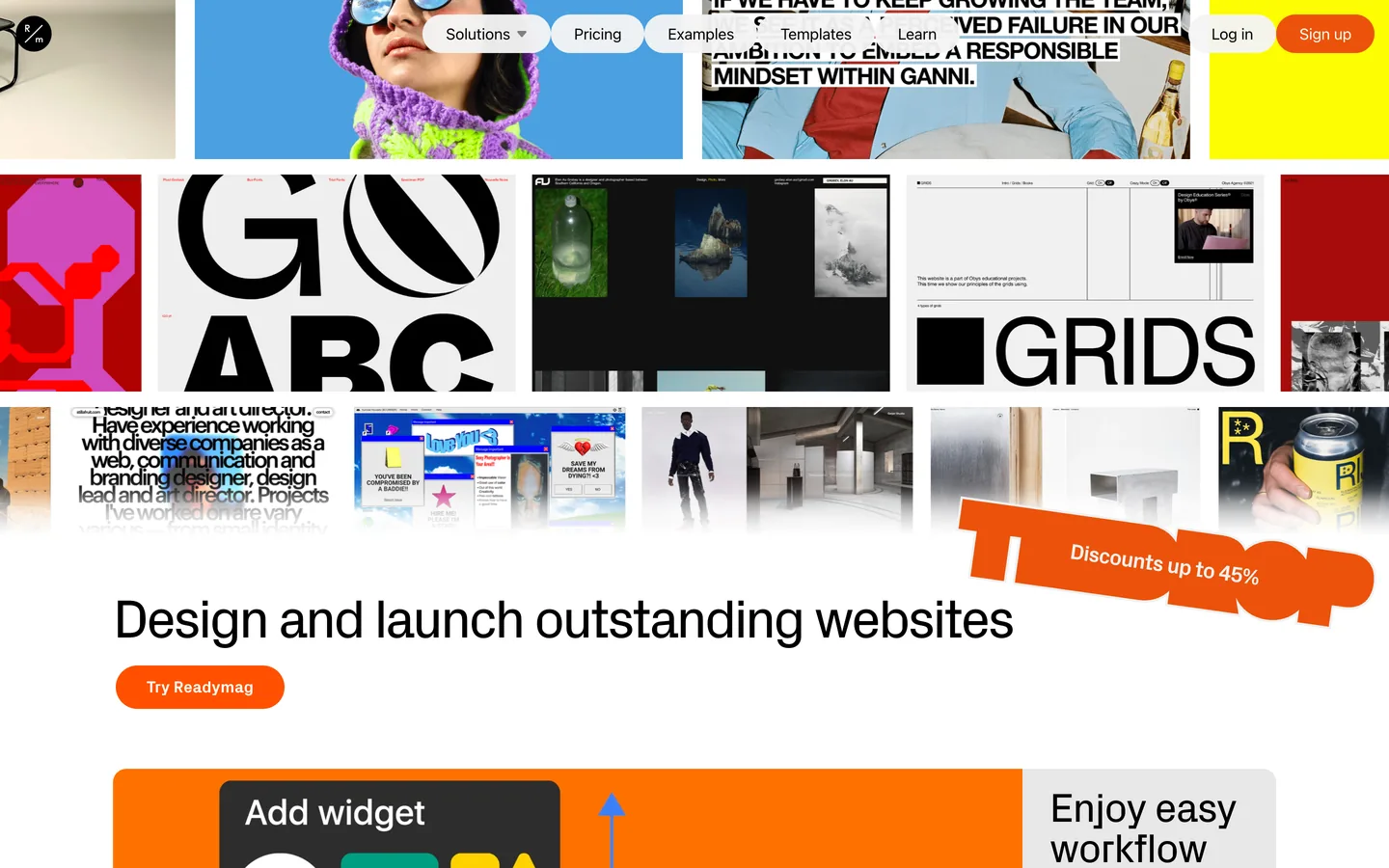


Readymag הוא כלי פרסום ווב שמתמקד תחילה בעיצוב, שנבנה עבור צוותים מערכתיים, סוכנויות ואולפני יצירה שרוצים פריסות מדויקות לפיקסל ללא קוד. הבד הוויזואלי שלו מייצר עמודים מרהיבים, אך כדי שהעמודים הללו יהיו ניתנים לציטוט על ידי עוזרי AI כמו ChatGPT, Perplexity, Claude ו-Gemini נדרשת אסטרטגיית GEO מכוונת. התחל עם geo seo audit בסיסי ועקוב אחר ההתקדמות ב-geo seo dashboard. מדריך זה מראה כיצד למקסם את פוטנציאל ה-SEO של Readymag ולבנות אסטרטגיית תוכן שזוכה בציטוטי AI.
Readymag מצטיין בסיפורי מותג: מאמרים ארוכים, דוחות אינטראקטיביים ותיקי עבודות שקשה יהיה לבנות במקומות אחרים. אותו תוכן ששובה את הקורא האנושי צריך כעת גם לספק סורקי AI שסורקים אחר עובדות מובנות וניתנות לציטוט. מנועים גנרטיביים מסכמים ומצטטים, ולכן העמודים היפים שלך ב-Readymag זקוקים לכותרות ברורות, תשובות מפורשות ואותות סמנטיים שהמנתחים יכולים לחלץ באמינות.
לפני בניית אסטרטגיה, מדוד היכן אתה עומד. פנה ל-ChatGPT, Perplexity ו-Gemini בשאלות שהקהל שלך שואל, ואז בדוק אם המותג או התוכן שלך מופיעים. השתמש ב-ai mention tracking כדי לתעד ציטוטי מותג, בדוק קישורים שהושגו עם ai cited backlinks, והרץ geo seo audit מלא כדי לזהות את הפערים בין הפלט הנוכחי שלך למה שמנועי AI מתגמלים.
Readymag עובד הכי טוב עבור תוכן בעל ערך גבוה: מקרי בוחן, דוחות מחקר, מנהיגות מחשבתית ויצירות נתונים אינטראקטיביות. עבור כל נושא, אסוף את הניסוח המדויק שהקהל שלך מקליד בעוזרי AI. קבץ הנחיות לפי כוונה: ללמוד, להשוות, לגלות, לצטט. הרחב את הכיסוי עם query fan-out tool ותעדף נושאים עם keyword research. עבור כל אשכול כוונה, ייעד עמוד Readymag קנוני אחד כתשובה הסמכותית.
Readymag מרנדר עמודים כ-JavaScript בצד הלקוח, מה שאומר שהתוכן המעוצב הגלוי אינו תמיד זמין מיד לבוטים של מנועי חיפוש שאינם מבצעים JavaScript במלואו. כדי למקסם זחילות, שמור תוכן טקסטואלי מרכזי בבלוקי טקסט HTML סטנדרטיים ולא באלמנטים של קנבס בלבד. השתמש בשדות SEO של Readymag בכל פעם שהם זמינים. אמת אינדוקס ב-Google Search Console באמצעות כלי בדיקת URL כדי לראות את הגרסה המרונדרת של עמודיך.
Readymag מאפשר לך להגדיר כותרת עמוד, מטא תיאור ותמונת Open Graph לכל פרויקט ולכל עמוד. אלו האותות העיקריים שמנועי חיפוש וסורקי AI קוראים ראשונים. כתוב כותרות שמנקבות את הישות המרכזית וההקשר. שמור מטא תיאורים בין 140 ל-160 תווים עם הצהרת ערך ברורה. השתמש בתמונת Open Graph ייחודית ואיכותית לכל פרסום מרכזי, מאחר שפאנלי ידע של AI ותצוגות מקדימות חברתיות מושכים משדה זה.
עורך הקנבס של Readymag מעניק לך שליטה טיפוגרפית מלאה, מה שאומר שכותרות הן לעתים קרובות אלמנטי טקסט מעוצבים ולא תגי H1 ו-H2 סמנטיים. עבור SEO ו-GEO, מבנה את התוכן שלך כך שהכותרת החשובה ביותר תמופה ל-H1 וסעיפים תומכים ישתמשו ב-H2 או H3. Readymag תומך בסגנונות כותרת בעורך הטקסט שלו; השתמש בהם באופן עקבי כדי שסורקים יוכלו לנתח את מתאר המסמך שלך. שמור פסקאות קצרות ותשובה-תחילה.
Readymag מאפשר לך להוסיף קוד מותאם אישית לפרויקטים בודדים דרך הגדרות העמוד. השתמש בזה כדי להזריק JSON-LD. עבור תוכן מערכתי, השתמש ב-schema של Article עם name, description, image, datePublished ו-author. הוסף schema של Organization עם logo, contactPoint, foundingDate וקישורי sameAs לפרופילים המאומתים שלך. עבור תיקי עבודות או מקרי בוחן, schema של WebPage עם breadcrumbs עוזר למנועי AI למפות את היררכיית התוכן שלך. הצב את ה-JSON-LD שלך ב-head של כל עמוד או פרויקט.
עוזרי AI מצטטים עמודים שעונים על שאלות ישירות. גם בתוך פריסה מעוצבת יפה של Readymag, כל סעיף צריך להיפתח בתשובה ישירה של משפט אחד או שניים לפני שסיפור סיפור ויזואלי מתפתח. הוסף סעיפי FAQ מפורשים בסוף פרויקטים מרכזיים, ושמור כל תשובה בין 50 ל-120 מילים. השתמש בבלוקי הטקסט של Readymag, לא באלמנטים דקורטיביים בלבד, עבור תוכן זה כדי שיישאר ניתן לניתוח.
Readymag מפרסם לתת-דומיין של readymag.com כברירת מחדל או לדומיין מותאם אישית. בדומיין מותאם אישית, אתה יכול להגדיר DNS ולהוסיף sitemap. הגש את כתובת ה-sitemap ב-Google Search Console. הוסף קובץ llms.txt בשורש הדומיין שלך כדי לאותת לסורקי AI את העמודים בעדיפות, העדפות הציטוט שלך וכללי שימוש חוזר בתוכן. אם Readymag אינו מאפשר העלאת קובץ llms.txt ישירות, שקול פרוקסי דרך עובד קצה פשוט בדומיין המותאם אישית שלך.
צור מבני קישור בין פרויקטי Readymag שלך על ידי הפניה לפרסומים קשורים בכל יצירה. השתמש באלמנטים של כפתור וקישור של Readymag עם טקסט עיגון תיאורי כדי לחבר תוכן קשור. בנה עמוד רכזת או אינדקס שמצבור את הפרסומים המרכזיים שלך ומקשר לכל אחד. השתמש ב-topical cluster generator כדי למפות את הנושאים שלך לפני יצירת פרויקטים חדשים. לאסטרטגיית תוכן רחבה יותר, ראה כיצד tilda ו-framer מטפלים ב-GEO המתמקד בעיצוב.
Readymag נמצא בשימוש על ידי אולפנים זוכי פרסים וצוותים מערכתיים, מה שנותן אות אמינות אם אתה מפרסם מומחיות אמיתית. נקוב בשם המחברים של כל יצירה, קישר לביוגרפיות המקצועיות שלהם וצטט את המקורות שלך במפורש. השג backlinks מפרסומי תעשייה, ספריות עיצוב ואתרי פרסים. עקוב אחר ההתקדמות עם domain authority tracker והשווה מול מתחרים עם seo competitor spy.
ל-Readymag אין API כתיבת תוכן ציבורי, מה שאומר שאין נקודת קצה לדחוף מאמרי בלוג בצורה תוכניתית לפרויקט Readymag. Sorank מתמודד עם זה על ידי פרסום ואירוח מאמרי SEO בבלוג מנוהל על ידי Sorank בתת-דומיין או תיקייה משנית משלך, שאותם אתה מקשר מאתר Readymag שלך. זה נותן לך זרם תוכן אוטומטי לחלוטין וניתן לאינדוקס לצד פרסומי Readymag המבוססי-עיצוב שלך. הפק טיוטות אופטימליות עם blog article generator, ואז חשוף אותן דרך בלוג מקושר המתארח על ידי Sorank. אתר Readymag שלך זוכה בשכבת תוכן SEO ניתנת להרחבה ללא הגבלת פלטפורמה.
עקוב אחר איזה שאילתות מפעילות ציטוטי מותג, איזה עמודים מופיעים בתשובות AI והיכן מתחרים זוכים באזכורים שאתה מפספס. השווה עמדות עם seo competitor spy, צפה בדירוג המותג שלך ב-geo leaderboard, ותייג את כל התעבורה המונעת-AI עם UTMs ייחודיים לייחוס המרות. חקור את אותו האתגר ב-webflow, squarespace ו-pixpa.
עוצמת העיצוב של Readymag ממקמת אותו בנפרד עבור תוכן מערכתי ותוכן מותג בעל השפעה גבוהה. שלב את המצוינות הוויזואלית הזו עם מבנה כותרות נקי, מטא-נתונים לכל עמוד, schema JSON-LD ובלוג מקושר המתארח על ידי Sorank, ותבנה פרסום שגם בני אדם וגם מנועי AI מזהים כסמכותי. ביקורות, תוכן ומעקב אחר אזכורים כולם רצים דרך לוח בקרה אחד של Sorank.

Readymag יכול לתרום ל-GEO כאשר נעשה בו שימוש מחושב. חוזקו הוא בתוכן מערכתי מבוסס-עיצוב בעל ערך גבוה שזוכה ב-backlinks ואזכורי מותג מפרסומים אמינים. המגבלה העיקרית היא הקנבס המרונדר ב-JavaScript שיכול להפחית את הזחילות עבור בוטים שאינם מבצעים סקריפטים במלואם. פצה על ידי הצבת תוכן טקסטואלי מרכזי בבלוקי טקסט סמנטיים, הגדרת מטא-נתונים לכל פרויקט, הוספת JSON-LD דרך קוד מותאם אישית והגשת sitemap ל-Google Search Console. עם סעיפי FAQ מפורשים ומחברים ששמם ידוע, תוכן ה-Readymag שלך יכול להיות מצוטט על ידי ChatGPT, Perplexity, Claude ו-Gemini.
כתוב תוכן תשובה-תחילה גם בתוך פריסה מבוססת-עיצוב. פתח כל סעיף בהצהרה ישירה, ואז בנה את הנרטיב הוויזואלי סביבה. השתמש בסגנונות הכותרת של Readymag כדי שסורקים יוכלו לנתח את מתאר המסמך. הוסף סעיף FAQ בסוף פרויקטים מרכזיים עם תשובות של 50 עד 120 מילים המשקפות הנחיות משתמש אמיתיות. הזרק JSON-LD (Article, Organization, WebPage) דרך הגדרות הקוד המותאם אישית של Readymag. אמת אינדוקס ב-Google Search Console באמצעות בדיקת URL כדי לאשר ש-Google מרנדר את העמודים שלך כראוי. בנה קישורים פנימיים בין פרויקטי Readymag קשורים באמצעות טקסט עיגון תיאורי.
Readymag אינו מספק API כתיבת תוכן ציבורי, כך ש-Sorank אינו יכול לדחוף מאמרים ישירות לפרויקטי Readymag. במקום זאת, Sorank מפרסם ומארח מאמרי SEO בבלוג ייעודי בתת-דומיין או בתיקייה משנית משלך, שאותם אתה מקשר מאתר Readymag שלך. זה נותן לך שכבת תוכן אוטומטית לחלוטין וניתנת לאינדוקס שגדלה לצד פרסומי ה-Readymag המעוצבים ידנית שלך. Sorank גם מבצע ביקורות GEO ו-SEO המותאמות לדומיין שלך, עוקב אחר אזכורי AI ב-ChatGPT, Perplexity ו-Gemini, מנטר מתחרים וחושף את כל התובנות בלוח בקרה אחד. עבודת העיצוב שלך ב-Readymag והבלוג של Sorank משלימים זה את זה לנראות מקסימלית.










.svg)
.svg)


