
העדפות
הפרטיות חשובה לנו, ולכן יש לך אפשרות להשבית סוגים מסוימים של אחסון שייתכן שאינם נחוצים לתפקוד הבסיסי של האתר. חסימת קטגוריות עלולה להשפיע על חווית השימוש שלך באתר. מידע נוסף

הפרטיות חשובה לנו, ולכן יש לך אפשרות להשבית סוגים מסוימים של אחסון שייתכן שאינם נחוצים לתפקוד הבסיסי של האתר. חסימת קטגוריות עלולה להשפיע על חווית השימוש שלך באתר. מידע נוסף
הפכו את אתר ה-Plasmic שלכם לגלוי ל-Google ולחיפוש AI. השתמשו ב-Plasmic CMS, ב-codegen או ב-loader עם Next.js, ב-JSON-LD וב-llms.txt כדי ש-ChatGPT, Perplexity, Claude ו-Gemini יצטטו את הדפים שלכם ב-GEO.
.webp)
.webp)




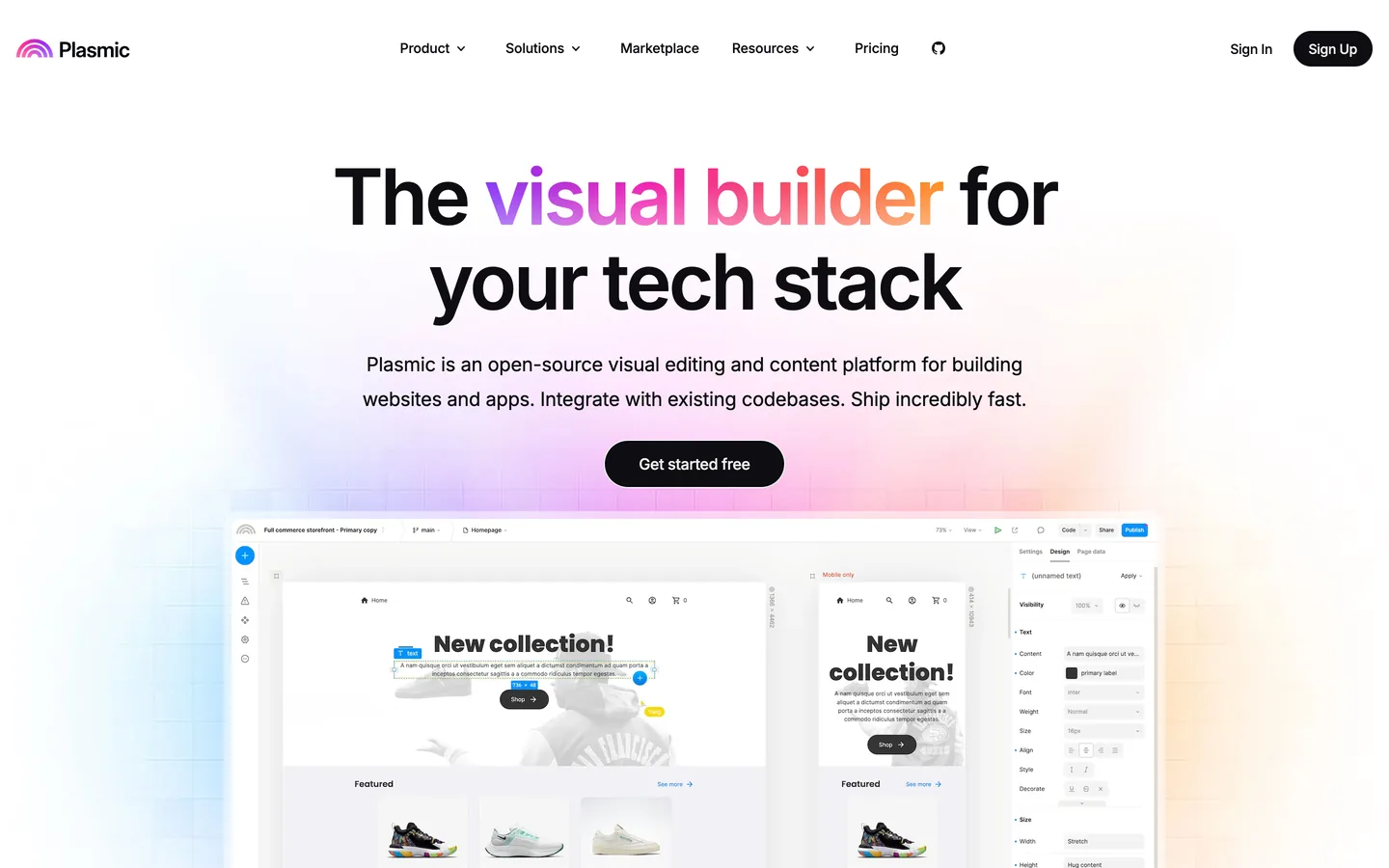


רוצים שדפי ה-Plasmic שלכם יופיעו בתשובות AI, ולא רק בתוצאות חיפוש קלאסיות? Plasmic הוא בונה דפים ויזואלי ל-React ול-Next.js: אתם מעצבים דפים ב-Plasmic Studio, ובסיס הקוד שלכם מרנדר אותם, בין אם דרך רכיבים שנוצרו או דרך ה-loader API ה-headless. עם הגדרה נכונה זהו בסיס איתן ל-generative engine optimization (GEO). התחילו עם geo seo audit בסיסי ועקבו אחר כל שיפור ב-geo seo dashboard חי. המדריך הזה מראה איך לבנות, לרנדר ולתייג את Plasmic כך ש-Google ועוזרים כמו ChatGPT, Perplexity, Claude ו-Gemini יבינו, יבטחו ויצטטו את הדפים שלכם.
SEO קלאסי עדיין חשוב, ועוזרי AI קוראים כיום את הרשת, מסכמים אותה ומצטטים רשימה קצרה של מקורות. Generative Engine Optimization היא הפרקטיקה של להפוך לאחד מהמקורות המצוטטים. Plasmic נותן לכם יתרון כי אתם שומרים על שליטה מלאה ב-front end: הדפים מרונדרים בתוך אפליקציית ה-Next.js שלכם, כך שאתם מחליטים איך HTML נוצר וכמה מהר הוא נטען. כשאתם משלבים רכיבים נקיים עם תוכן מובנה ומטא-דאטה מדויקת, המודלים ממפים את המותג, המוצרים והמומחיות שלכם בביטחון.
התחילו עם benchmark. שאלו את העוזרים המובילים את השאלות האמיתיות שהלקוחות שלכם שואלים, ואז תעדו האם אתם מצוטטים, אילו URLs מופיעים ואיך מוזכרים מתחרים. עקבו אחר אזכורי מותג עם ai mention tracking, בדקו את הקישורים והמקורות שאתם צוברים דרך ai cited backlinks, והריצו geo seo audit בסיסי כדי למפות את הישויות שכבר משויכות אליכם.
ב-GEO, כוונת המשתמש לובשת צורה של פרומפטים. אספו את הניסוח המדויק שהלקוחות משתמשים בו בצ'אט, בקול ובסוכנים, ואז קבצו לפי משימה: ללמוד, להשוות, להחליט ולפתור. הרחיבו את הכיסוי עם ה-query fan-out tool ותעדפו נושאים עם keyword research. לכל קבוצה, בחרו דף קנוני אחד שיצוטט, והפכו אותו לתמציתי, ראוי לציטוט ונתמך בראיות מפורשות.
Plasmic מגיע עם מאגר תוכן מובנה וקל: Plasmic CMS. הגדירו מודלים למאמרים, מוצרים, שאלות נפוצות, אנשים ומילון מונחים, תנו לכל אחד שדות ברורים, ומפו את השדות האלה למאפייני schema.org כמו name, description, image, datePublished, author, brand ו-sameAs. קשרו את הרכיבים הוויזואליים שלכם לרשומות ה-CMS כך שעורכים ימלאו שדות מובנים במקום פריסה חופשית, מה ששומר על שמות ועובדות עקביים ומספק למודלים נתונים נקיים וצפויים בכל דף.
Plasmic מציע שני מצבי אספקה. Codegen מייצא רכיבי React אמיתיים למאגר שלכם, כך שאתם משלחים HTML פשוט המרונדר בשרת עם שליטה מלאה. ה-loader (headless) API שולף עיצובים בזמן ריצה, ועם Next.js אתם עדיין יכולים לרנדר בשרת או ליצור דפים סטטיים. עבור תוכן ראוי לציטוט, העדיפו server side rendering או יצירה סטטית, שמרו hydration בצד לקוח לחלקים אינטראקטיביים, ושמרו על פלט סמנטי כך ש-Google וסורקי AI יפרשו אותו ללא ניחוש.
מכיוון שהדפים שלכם חיים ב-Next.js, הגדירו מטא-דאטה עם ה-head או ה-metadata API של ה-framework, מבוסס על שדות Plasmic CMS. תנו לכל דף כותרת מדויקת, meta description ברור ו-URL נקי הכולל את הישות הראשית. הוסיפו תגי canonical כדי לאחד כפילויות מפרמטרי query או מנתיבי preview, החילו meta robots כדי לשמור דפים דלים מחוץ לאינדקס, וודאו שתגי Open Graph תואמים לכוונת הדף ולעותק הראשי.
רנדרו JSON-LD מרכיב head משותף או מרכיב קוד של Plasmic שקורא שדות CMS. השתמשו ב-Article יחד עם WebPage ו-BreadcrumbList לדפי תוכן, ב-Product עם offers לדפי מסחר, ב-HowTo למדריכים וב-FAQPage לבלוקי שאלות. הוסיפו סכמת Organization ברמת האתר עם logo, contactPoint, foundingDate וקישורי sameAs לפרופילים המאומתים שלכם, ומלאו כל מאפיין ישירות מהרשומה כך שהתיוג יישאר מדויק ככל שעורכים מעדכנים שדות.
צרו בלוקי שאלה ותשובה מפורשים המשקפים פרומפטים אמיתיים. שמרו כל תשובה בין 50 ל-120 מילים, צטטו את ה-URL הפנימי הרלוונטי, והוסיפו מקור חיצוני אחד סמכותי. מדלו אותם כרכיב FAQ שניתן לשימוש חוזר הקשור לרשומות CMS כך שעורכים ימלאו שדות במקום טקסט חופשי, מה ששומר על עיצוב עקבי. עבור נהלים, פרטו חומרים, שלבים וזמן נדרש בפורמט HowTo, והשתמשו באותו רכיב בכל המדריכים.
שמרו sitemap נקי והגישו אותו ב-Google Search Console; עם Next.js אתם יכולים לייצר את ה-sitemap מנתוני Plasmic CMS בזמן build או לפי דרישה. ב-robots, אפשרו את הנתיבים המכילים תוכן ראוי לציטוט ואסרו רעש כמו נתיבי preview או טיוטה. הוסיפו קובץ llms.txt בשורש כדי לסמן כללי סריקה מועדפים לסוכני AI, את ה-URLs בעדיפות לציטוט ותנאי השימוש החוזר שלכם.
בנו hubs נושאיים המקבצים דפים קשורים ומגדירים את התשובות הקנוניות שלכם. השתמשו בפירורי לחם כדי לבטא היררכיה והוסיפו קישורים פנימיים בהקשר עם עוגנים תיאוריים, מואצים עם topical cluster generator. אם חלקים אחרים של ה-stack שלכם רצים במקום אחר, החילו את אותם עקרונות על עמיתים ויזואליים ובוני דפים כמו framer, builder io, webflow ו-wordpress.
מהירות היא גורם דירוג ויעילות סריקה, ומכיוון שדפי Plasmic רצים באפליקציית ה-Next.js שלכם אתם שולטים ב-bundle. העדיפו codegen או את ה-loader עם יצירה סטטית, טענו רכיבים כבדים ב-lazy load, הגישו תמונות רספונסיביות, ושמרו את המסמך המרונדר חף מ-layout shifts. HTML נקי ומהיר עוזר לעוזרים לאחזר דף יציב ועוזר ל-Google לאנדקס את התשובות הראויות לציטוט שלכם במהירות.
GEO עדיין רץ על סמכות. הרוויחו ציטוטים מפרסומים אמינים, מחקר ראשוני וקהילות מומחיות. פרסמו תחת מומחים בשם, מדלו רשומת Author עם קישור sameAs לפרופילים המאומתים של כל כותב, ושמרו על דף About ואישורי סוקרים המחזקים את E-E-A-T. עקבו אחר ההתקדמות עם domain authority tracker וצפו אילו דומיינים מקשרים לדפים מצוטטים.
Plasmic CMS חושף REST Write API שיכול ליצור רשומות, כך ש-Sorank מתחבר דרך גשר webhook של Make.com: כל מאמר ש-Sorank מייצר נשלח לתרחיש Make.com, ו-Make מפרסם אותו ל-Plasmic CMS באמצעות מודול HTTP גנרי כנגד ה-Write API. אין עדיין אפליקציית Make.com ייעודית, ו-webhook ו-Make יחד ממכנים פרסום מקצה לקצה. הפיקו טיוטות אופטימליות מהר עם blog article generator, וקשרו את תבנית הבלוג שלכם לרשומות החדשות כך שכל מאמר יורנדר בפריסה שעיצבתם ב-Plasmic.
עקבו אילו פרומפטים מפעילים את המותג שלכם, אילו דפים מצוטטים ואיפה מתחרים מנצחים. השוו את עצמכם עם seo competitor spy, צפו בדירוג שלכם ב-geo leaderboard, וייחסו המרות מעוזרים עם דפי נחיתה מתויגים ו-UTMs ייחודיים.
Plasmic נותן לכם עיצוב ויזואלי עם שליטה מלאה בקוד; GEO נותן לכם את האסטרטגיה. כשדפי ה-Next.js שלכם חושפים ישויות נקיות, מטא-דאטה מדויקת וראיות אמינות, עוזרים מצטטים אתכם בביטחון. הגדירו מודלים ב-Plasmic CMS, דפים מרונדרים בשרת או סטטיים, JSON-LD ותשובות ראויות לציטוט, ואז תנו ל-Sorank להוביל audits, תוכן וקישורים ממקום אחד.

Plasmic יכול לתפקד היטב עבור GEO כי הדפים שלכם מרונדרים בתוך אפליקציית ה-React או ה-Next.js שלכם, כך שאתם שולטים באיך HTML נוצר וכמה מהר הוא נטען. עם codegen אתם משלחים רכיבים פשוטים המרונדרים בשרת, ועם ה-loader API יחד עם Next.js אתם עדיין יכולים לרנדר בשרת או ליצור סטטית HTML מלא שסורקי AI מפרשים בצורה אמינה. Plasmic CMS מאחסן רשומות מובנות שאתם ממפים למאפייני schema.org, אתם מרנדרים JSON-LD מרכיב משותף, מגדירים כותרות, תיאורים ו-canonicals, מייצרים sitemap מנתוני CMS ומוסיפים קובץ llms.txt כך שעוזרים כמו ChatGPT, Perplexity, Claude ו-Gemini יוכלו להגיע, להבין ולצטט את התוכן שלכם.
כתבו תוכן שמתחיל בתשובה וממופה לפרומפטים אמיתיים. פתחו כל דף בסיכום של שני משפטים, אז חלוקה סריקה, ושמרו פסקאות מתחת ל-120 מילים. השתמשו בהיררכיית כותרות מחמירה, בלוקי FAQ מפורשים עם תשובות של 50 עד 120 מילים ומקטע עובדות ברור. עגנו כל טענה במקור ורנדרו JSON-LD (Article, FAQPage, HowTo, Organization) מה-head של Next.js. מדלו FAQs וישויות מפתח כרשומות Plasmic CMS הקשורות לרכיבים לשימוש חוזר כך שעורכים ימלאו שדות, מה ששומר על עיצוב עקבי ומאותת על העומק הנושאי שהמודלים מזהים כסמכותי.
Plasmic CMS חושף REST Write API שיכול ליצור רשומות, כך ש-Sorank מתחבר דרך גשר webhook של Make.com במקום מחבר מקורי. כל מאמר ש-Sorank מייצר נשלח לתרחיש Make.com דרך webhook, ו-Make מפרסם אותו ל-Plasmic CMS באמצעות מודול HTTP גנרי כנגד ה-Write API. אז אתם קושרים את תבנית הבלוג שלכם לרשומות החדשות כך שכל מאמר יורנדר בפריסה שעיצבתם ב-Plasmic. מעבר לפרסום, Sorank מריץ GEO ו-SEO audits המותאמים לאתר שלכם, עוקב אחר אזכורי AI ב-ChatGPT, Perplexity, Claude ו-Gemini, מנטר מתחרים ומציע אופטימיזציות תוכן מלוח בקרה אחד.








.svg)
.svg)