
העדפות
הפרטיות חשובה לנו, ולכן יש לך אפשרות להשבית סוגים מסוימים של אחסון שייתכן שאינם נחוצים לתפקוד הבסיסי של האתר. חסימת קטגוריות עלולה להשפיע על חווית השימוש שלך באתר. מידע נוסף

הפרטיות חשובה לנו, ולכן יש לך אפשרות להשבית סוגים מסוימים של אחסון שייתכן שאינם נחוצים לתפקוד הבסיסי של האתר. חסימת קטגוריות עלולה להשפיע על חווית השימוש שלך באתר. מידע נוסף
הפוך את אתר FG Funnels שלך לגלוי ב-Google ובחיפוש AI. השתמש בבלוג המובנה, בהגדרות SEO לכל פוסט, ב-JSON-LD וב-llms.txt כך ש-ChatGPT, Perplexity, Claude ו-Gemini יצטטו את עמודי האימון שלך.
.webp)
.webp)





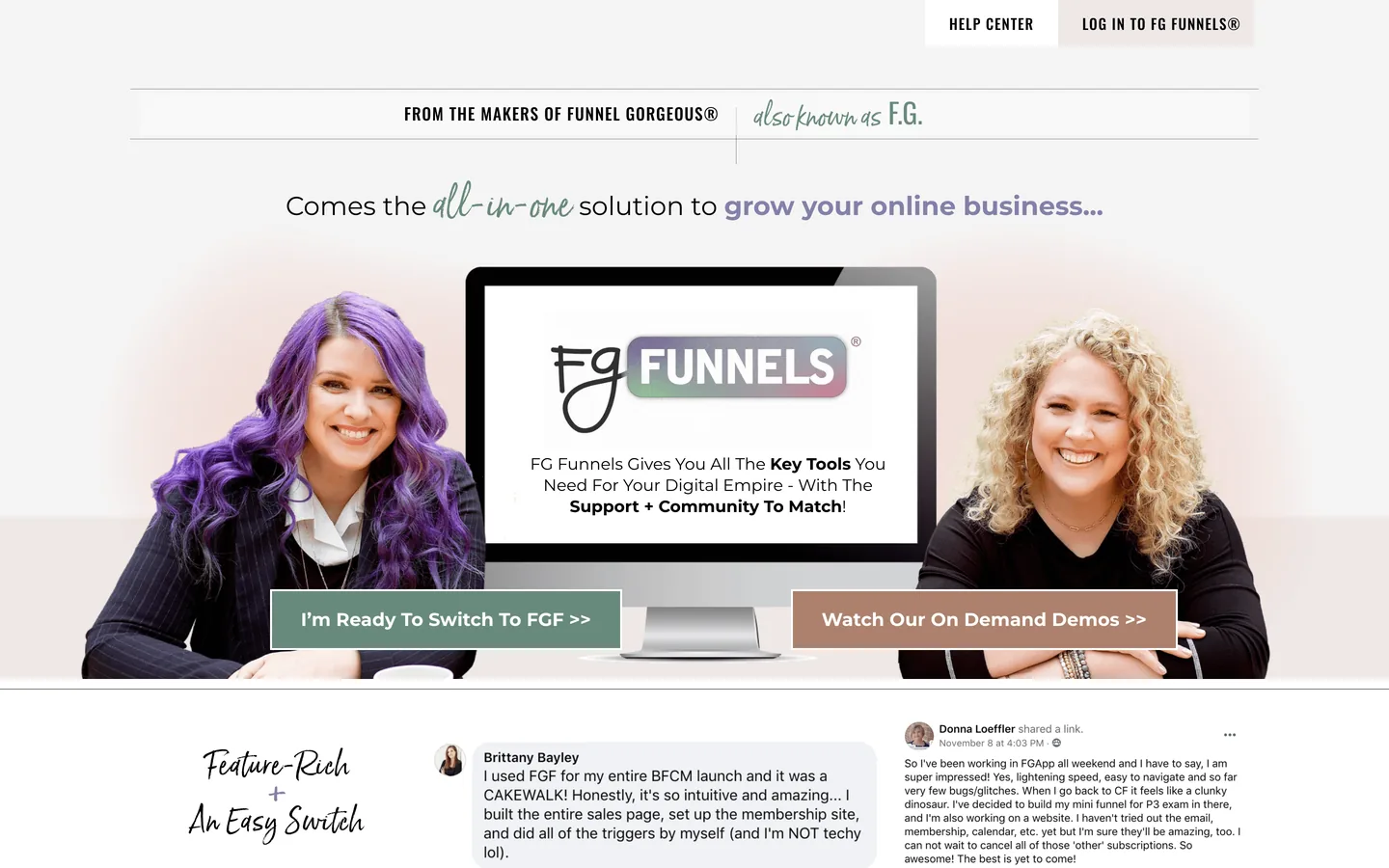


רוצה שאתר FG Funnels שלך יופיע בתשובות AI, לא רק בתוצאות חיפוש קלאסיות? FG Funnels הוא בנייה של תווית לבנה של GoHighLevel שנעשתה למאמנים ויוצרי קורסים, אז הוא מזווג משפכים, אתר, CRM ובלוג טבעי תחת קורת גג אחת, מה שהופך אותו לבסיס יכולת לאופטימיזציה למנועים גנרטיביים (GEO). התחל עם geo seo audit בסיסי ועקוב אחר כל שיפור ב-geo seo dashboard חי. מדריך זה מראה כיצד לבנות, לרנדר ולתייג את FG Funnels כך ש-Google ועוזרים כמו ChatGPT, Perplexity, Claude ו-Gemini יבינו, יסמכו ויצטטו את העמודים שלך.
SEO קלאסי עדיין חשוב, וכעת עוזרי AI קוראים את הרשת, מסכמים אותה ומציגים רשימה קצרה של מקורות. אופטימיזציה למנועים גנרטיביים היא הפרקטיקה של להפוך לאחד מהמקורות המצוטטים הללו. FG Funnels יורש את מנוע GoHighLevel, אז אתה מקבל משפכי מכירות, אתרים מלאים ובלוג שמפרסם עמודים ניתנים לסריקה בדומיין שלך עצמך. עבור מותגי אימון, התערובת הזו מאפשרת לך למקם הצעות טרנזקציוניות ותוכן חינוכי העונה על שאלות לקוחות זה לצד זה, שניהם מוכנים להיות מצוטטים.
התחל עם נקודת ייחוס. שאל את העוזרים המובילים את השאלות האמיתיות שהלקוחות שלך שואלים, ואז תעד אם אתה מופיע, אילו כתובות FG Funnels עולות, וכיצד מפנים למתחרים. עקוב אחר אזכורי מותג עם ai mention tracking, בחן את המקורות שאתה מרוויח באמצעות ai cited backlinks, והרץ geo seo audit בסיסי כדי למפות את הישויות שמודלים כבר משייכים למותג האימון שלך.
ב-GEO, כוונה לובשת צורה של פרומפטים. אסוף את הניסוח המדויק שלקוחות משתמשים בו בצ'אט ובקול, ואז קבץ אותו לפי משימה: ללמוד, להשוות, לבחור ולהירשם. הרחב את הכיסוי עם query fan-out tool ותעדף נושאים עם keyword research. מפה פרומפטים אינפורמטיביים לפוסטי בלוג ופרומפטים טרנזקציוניים למשפכים, כך שלכל פרומפט יש יעד ברור שניתן לצטט.
השתמש בבלוג המובנה כעמוד השדרה של התוכן שלך. צור קטגוריות לנושאי האימון שלך, כתוב פוסטי עמוד לשאלות שלקוחות שואלים הכי הרבה, וקשר אותם למשפכים המתאימים ולעמודי הזמנה. שמור על נושא אחד ברור לכל פוסט, סלאג תיאורי ופריסה עקבית, כך שכל ערך נקרא כתשובה ממוקדת. בלוג קוהרנטי מסמן את העומק הנושאי שמודלים מזהים כסמכותי.
תן לכל עמוד H1 יחיד, ואז H2 ו-H3 בסדר קריאה, ושמור על הטענות המרכזיות שלך כטקסט אמיתי ולא כטקסט אפוי בתמונות, כך שסורקים ועוזרים קוראים כל מילה. בבונה העמודים, הובל עם התשובה, ואז הרחב עם פרטים, דוגמאות והוכחות. מבנה ניתן לסריקה עוזר לקוראים ולעוזרים למצוא ולצטט את החלק שהם צריכים.
FG Funnels נותן לכל פוסט בלוג שדות SEO: כותרת, תיאור מטא, סלאג URL ואפשרות קנונית. כתוב כותרת מדויקת, תיאור ברור וסלאג המכיל את הישות המרכזית. מפה דומיין מותאם אישית כך שכתובות URL יישארו ממותגות, הגדר קנוניים לאיחוד כפילויות, ואשר שערכי Open Graph תואמים לכוונת העמוד ולעותק הנראה, כך שקישורים משותפים יתרנדרו כראוי.
הוסף JSON-LD באמצעות אזורי הקוד המותאם אישית של האתר או המשפך. השתמש ב-Article בתוספת WebPage ו-BreadcrumbList בפוסטי בלוג, FAQPage לבלוקי שאלות, HowTo לשיעורים בשלבים, ו-Product או Service עם offers בעמודי המכירות של האימון שלך. הוסף בלוק Organization לכל האתר עם logo, contactPoint, foundingDate וקישורי sameAs לפרופילים המאומתים שלך, כך שמודלים ימפו את המותג שלך בביטחון.
צור בלוקי שאלה ותשובה מפורשים המשקפים פרומפטים אמיתיים של לקוחות. שמור כל תשובה בין 50 ל-120 מילים, קשר לעמוד הפנימי הרלוונטי, וצטט מקור חיצוני אחד בעל סמכות. תוכן אימון מתאים ל-HowTo: פרט את השלבים, הזמן הנדרש והתוצאה, מה שנותן לעוזרים מבנה נקי וניתן לציטוט לייחס לך.
שמור על מפת אתר נקייה של פוסטי הבלוג ועמודי המשפך המפורסמים שלך, ושלח אותה ב-Google Search Console. אפשר את הספריות המחזיקות תוכן ניתן לציטוט ושמור עמודי תשלום וחברים בלבד מחוץ לאינדקס עם ההגדרות המתאימות. במקום שאתה שולט בשורש, הוסף קובץ llms.txt המפרט את כתובות ה-URL בעדיפות שלך לציטוט ואת תנאי השימוש החוזר שלך עבור סוכני AI, לצד robots.txt סטנדרטי.
בנה מרכזי נושא המקבצים פוסטים קשורים ומגדירים את התשובות הקנוניות שלך, ואז השתמש בפירורי לחם וקישורים פנימיים הקשריים עם עוגנים תיאוריים, מואצים על ידי topical cluster generator. אם חלקים מהסטאק שלך חיים במקום אחר, יישם את אותם עקרונות ב-gohighlevel, clickfunnels, kartra, kajabi, ו-leadpages.
GEO עדיין רץ על סמכות, מה שחשוב עוד יותר למאמנים. הרווח ציטוטים מפרסומים אמינים, מסגרות מקוריות וקהילות מתמחות. פרסם תחת השם שלך, הצג את האישורים ותוצאות הלקוחות שלך, ושמור על ביוגרפיות מחברים ועמוד About המחזקים E-E-A-T. עקוב אחר התקדמות עם domain authority tracker ולמד את מי עוזרים מצטטים עם seo competitor spy.
FG Funnels יורש את נקודת הקצה של בלוג GoHighLevel, אז Sorank מתחבר דרך גשר webhook של Make.com באמצעות אפליקציית GoHighLevel ייעודית: כל מאמר ש-Sorank מייצר נשלח לתרחיש Make.com, ו-Make מפרסם אותו ל-FG Funnels באמצעות פעולת יצירת פוסט בבלוג. אין מחבר Sorank טבעי, ומסלול ה-webhook פלוס Make מאוטמט את הפרסום מקצה לקצה. הפק טיוטות מותאמות במהירות עם blog article generator. אמת את קריאת יצירת הפוסט על חשבון FG Funnels החי שלך תחילה, וחזור לבלוג המתארח של Sorank אם ההגדרות שלך מגבילות זאת.
עקוב אחר אילו פרומפטים מפעילים את המותג שלך, אילו עמודים מצוטטים, והיכן יריבים מנצחים. עקוב אחר מעמדך ב-geo leaderboard, הרחב אשכולות מנצחים, וייחס הרשמות מעוזרים עם עמודי נחיתה מתויגים ו-UTM ייחודיים. התייחס ל-GEO כלולאה: מדוד, שכלל את התשובה הקנונית, ופרסם מחדש.
FG Funnels נותן לך סטאק אימון עם משפכים, אתר ובלוג; GEO נותן לך את האסטרטגיה. כאשר העמודים שלך חושפים ישויות ברורות, מטא-נתונים מדויקים וראיות אמינות, עוזרים מצטטים אותך בביטחון. הגדר את הבלוג, הגדרות SEO לכל פוסט, JSON-LD ותשובות ניתנות לציטוט, ואז תן ל-Sorank להוביל בדיקות, תוכן וקישורים.

FG Funnels יכול לפעול היטב עבור GEO מכיוון שהוא יורש את מנוע GoHighLevel, הכולל בלוג טבעי המפרסם עמודים ניתנים לסריקה בדומיין שלך עצמך, בתוספת משפכים מלאים ו-CRM. כל פוסט בבלוג נושא שדות SEO לכותרת, תיאור מטא, סלאג URL וקנוני, ואתה יכול להוסיף JSON-LD באמצעות קוד מותאם אישית עבור Article, FAQPage, HowTo ו-Organization. עבור מאמנים, זה מאפשר לך לזווג תוכן חינוכי עם הצעות תחת מותג אחד. צור מפת אתר, הגדר דומיין מותאם אישית, והוסף קובץ llms.txt כך שעוזרים כמו ChatGPT, Perplexity, Claude ו-Gemini יוכלו להגיע ולצטט את התוכן שלך.
כתוב תוכן שמתחיל בתשובה הממופה לפרומפטים אמיתיים של לקוחות. פתח כל פוסט בבלוג עם סיכום של שני משפטים, אז מתאר ניתן לסריקה, ושמור פסקאות מתחת ל-120 מילים. השתמש ב-H1 יחיד והיררכיית כותרות מסודרת, בנה בלוקי שאלות נפוצות מפורשים עם תשובות של 50 עד 120 מילים, ושמור על טקסט כטקסט אמיתי, לא תמונות. עגן כל טענה למקור והוסף JSON-LD (Article, FAQPage, HowTo, Organization) באמצעות קוד מותאם אישית. קשר פוסטים למרכזי נושא ולמשפכים המתאימים כך שעוזרים יוכלו לעקוב אחר האשכולות שלך ולייחס את העמוד הנכון למותג האימון שלך.
FG Funnels יורש את נקודת הקצה של בלוג GoHighLevel, אז Sorank מתחבר דרך גשר webhook של Make.com באמצעות אפליקציית GoHighLevel ייעודית ולא מחבר טבעי. כל מאמר ש-Sorank מייצר נשלח לתרחיש Make.com דרך webhook, ו-Make מפרסם אותו ל-FG Funnels באמצעות פעולת יצירת פוסט בבלוג. מעבר לפרסום, Sorank מריץ בדיקות GEO ו-SEO מותאמות לאתר שלך, עוקב אחר אזכורי AI ב-ChatGPT, Perplexity ו-Gemini, מנטר מתחרים, ומציע אופטימיזציות תוכן מלוח בקרה אחד. אמת את קריאת יצירת הפוסט על חשבון FG Funnels החי שלך תחילה, וחזור לבלוג המתארח של Sorank אם ההגדרות שלך מגבילות זאת.









.svg)
.svg)