
העדפות
הפרטיות חשובה לנו, ולכן יש לך אפשרות להשבית סוגים מסוימים של אחסון שייתכן שאינם נחוצים לתפקוד הבסיסי של האתר. חסימת קטגוריות עלולה להשפיע על חווית השימוש שלך באתר. מידע נוסף

הפרטיות חשובה לנו, ולכן יש לך אפשרות להשבית סוגים מסוימים של אחסון שייתכן שאינם נחוצים לתפקוד הבסיסי של האתר. חסימת קטגוריות עלולה להשפיע על חווית השימוש שלך באתר. מידע נוסף
הפוך את אתר Contao שלך לגלוי ל-Google ולחיפוש AI. השתמש במאמרים, ברכיבי תוכן, בערכת Twig עם מטמון, ב-JSON-LD וב-llms.txt כדי ש-ChatGPT, Perplexity, Claude ו-Gemini יצטטו את הדפים שלך.
.webp)
.webp)





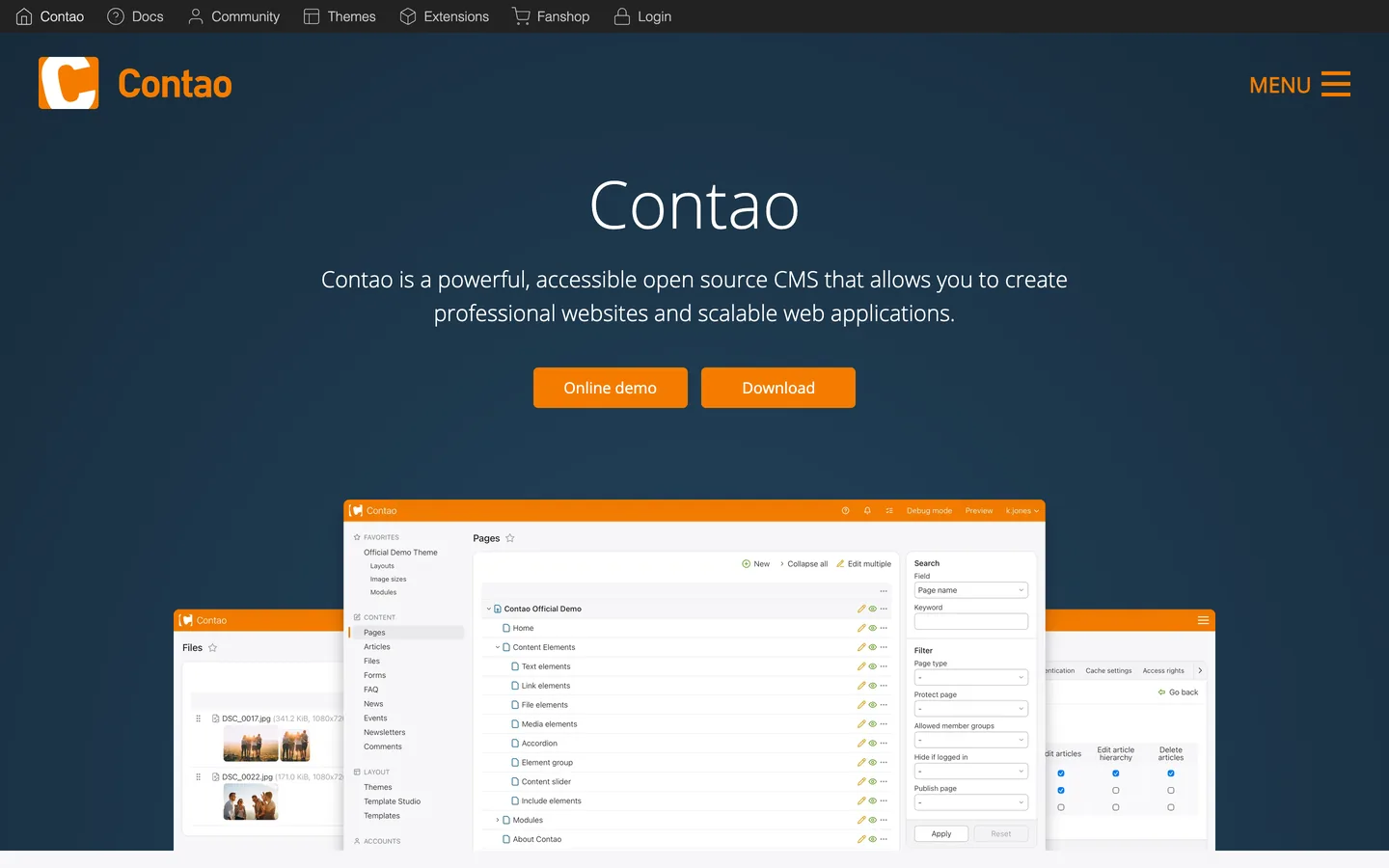


רוצה שאתר Contao שלך יופיע בתוך תשובות AI, ולא רק בדף התוצאות הקלאסי? Contao הוא CMS בקוד פתוח מבוסס Symfony הפופולרי באזור DACH דובר הגרמנית, שבו התוכן מאורגן בדפים, מאמרים ורכיבי תוכן המרונדרים בצד השרת דרך תבניות Twig, והמודל המסורתי הזה יכול להיות בסיס איתן לאופטימיזציית מנועים גנרטיביים (GEO). התחל עם geo seo audit בסיסי ותן לכל שיפור להצטבר בתוך geo seo dashboard חי. המדריך הזה מראה איך לבנות, לרנדר ולהעיר את Contao כך ש-Google ועוזרים כמו ChatGPT, Perplexity, Claude ו-Gemini יבינו, יסמכו ויצטטו את הדפים שלך.
הגילוי קורה עכשיו בשתי חזיתות: הקישורים המדורגים שאתה כבר מייעל, והרשימה הקצרה של מקורות ש-ChatGPT, Perplexity, Claude ו-Gemini מצטטים כשהם מסכמים תשובה. Generative Engine Optimization היא הפרקטיקה של השגת מקום ברשימה הזו. Contao מתאים לזה כי הוא מרנדר HTML שלם בשרת ומבנה תוכן דרך עץ דפים, מאמרים ורכיבי תוכן מוקלדים, כך שהמשמעות של דף נוכחת ב-markup מהבייט הראשון. כשאתה משתמש באבני הבניין האלה בכוונה, המודלים קוראים את המותג, השירותים והנושאים שלך כישויות ברורות. דפים מובנים היטב המרונדרים בשרת הם בדיוק מה שמנועי תשובות מתגמלים.
התחל עם ראיות, לא הנחות. שאל את העוזרים המובילים את השאלות האמיתיות שהמבקרים שלך שואלים, ואז תעד אם הדפים שלך מופיעים, אילו URL-ים הם מצטטים, ואיך מתחרים מתוארים. עקוב אחר ציטוטי מותג עם ai mention tracking, סקור את ההפניות שאתה כבר מרוויח דרך ai cited backlinks, והרץ geo seo audit יסודי שממפה את הישויות (המותג, האנשים, השירותים שלך) שכבר קשורים לדומיין שלך. הבנצ'מרק הזה חושף אילו דפי Contao ומאמרים ראויים לתשומת לב תחילה.
ב-GEO, כוונה מופיעה כפרומפטים מלאים ולא כמילות מפתח תמציתיות. אסוף את הניסוח המדויק שאנשים משתמשים בו בצ'אט ובקול, ואז קבץ אותו לפי משימה: ללמוד, להשוות, להחליט ולפתור בעיות. הרחב כיסוי עם query fan-out tool ותעדף את ההזדמנויות עם keyword research. עבור כל אשכול, בחר דף Contao קנוני אחד או מאמר חדשות שיצוטט, ואז כתוב אותו להיות תמציתי, ניתן לציטוט ומגובה בראיות מפורשות כדי שמודל יוכל להרים פסקה מבלי לעוות אותה. כסה גם עצי גרמנית וגם עצי שפה נוספים שאתה מתחזק.
התייחס לעץ הדפים, למאמרים ולרכיבי התוכן של Contao כעמוד השדרה של הישויות שלך, והשתמש בתוספי News ו-FAQ כדי למדל פוסטים וקבוצות שאלות כרשומות מובנות. ארגן דפים לחלקים ברורים לשירותים, מדריכים, אנשים ומילון מונחים, וסמוך על ארכיוני חדשות וקטגוריות כדי לקבץ נושאים. מפה את השדות שלך למאפייני schema.org כמו name, description, image, datePublished, author, brand ו-sameAs. כי מאמרים ורכיבי תוכן עוקבים אחר צורה עקבית, השמות והעובדות הקנוניים שלך נשארים אחידים ברחבי האתר, בונים את העומק הנושאי והקוהרנטיות הפנימית שמנועי תשובות מתגמלים.
Contao מרנדר דפים בצד השרת דרך תבניות Twig, אז בנה או בחר ערכת נושא חסכונית שמפיקה HTML סמנטי עם מינימום markup. הפעל את המטמון של Contao, הפעל Gzip ורשת אספקת תוכן, והשתמש באפשרויות combine ו-minify המובנות ל-CSS ו-JavaScript. שמור על תבניות חסכוניות, טען תמונות בעצלנות, ודחה סקריפטים לא קריטיים. מכיוון שהשרת מחזיר HTML שלם, Google וסורקי AI מאחזרים ומנתחים את הדפים שלך בקלות, והמהירות והבהירות האלה מעלים את כיסוי הסריקה ואת התדירות שבה עוזרים מצטטים את התוכן שלך.
השתמש בהגדרות הדף של Contao כדי להגדיר כותרת דף מדויקת, meta description ברור וכינוי נקי לכל דף, וקבע הנחיות robots ישירות במאפייני הדף כדי לשמור דפים דקים או מערכתיים מחוץ לאינדקס. Contao בונה URL-ים מסודרים וקריאים מעץ הדפים, ואתה יכול להפיק תגי canonical בתבנית ה-head של Twig שלך כדי לאחד כפילויות על פני עצי שפה. אשר שערכי Open Graph תואמים לגוף. מטא-דאטה כנה ועקבית, שנקבעת בהגדרות הדף ובתבניות, שומרת על יישור הטמעות כך שעוזרים קוראים משמעות קוהרנטית אחת לכל דף.
ב-Contao, JSON-LD שייך לתבניות Twig שלך. הדפס בלוק script בתבנית ה-head ואכלס אותו ממשתני דף ומאמר, או השתמש בתמיכה בנתונים מובנים ו-JSON-LD של Contao כדי לצרף סכמה לכל דף, כך שכל דף מפיק נתונים מובנים הבנויים מהנתונים שלו. השתמש ב-Article עם WebPage ו-BreadcrumbList לתוכן, ב-Product עם offers בדפי מסחר, ב-HowTo למדריכים וב-FAQPage לתוסף FAQ. הוסף גרף Organization לכל האתר עם logo, contactPoint וקישורי sameAs לפרופילים מאומתים. נתונים מובנים מאפשרים לעוזרים לאשש עובדות ולחבר את הדפים שלך לישויות מוכרות.
צור בלוקי שאלה ותשובה מפורשים שמשקפים פרומפטים אמיתיים, באמצעות תוסף ה-FAQ או רכיב תוכן לשימוש חוזר כך שהמבנה יישאר נקי. שמור כל תשובה בין 50 ל-120 מילים, קשר לדף פנימי רלוונטי וצטט מקור יוצא סמכותי אחד. עבור תהליכים, פרט חומרים, שלבים מסודרים והזמן הנדרש בצורת HowTo, וזיווג את הקטע עם FAQPage או HowTo JSON-LD מהתבנית שלך. הפורמטים המהודקים האלה מסירים דו-משמעות ומקלים על עוזר לצטט את דפי Contao שלך תוך שמירה על המשמעות המקורית.
Contao מייצר XML sitemaps ממבנה האתר, אז הפעל אותם, הגש את ה-sitemap ב-Google Search Console, ושמור אותו עדכני על פני עצי השפה שלך. ערוך את ה-robots.txt בשורש האינטרנט שלך כדי לאפשר את הנתיבים שמחזיקים תוכן הניתן לציטוט ולחסום את ה-back end של Contao ואת נתיבי המערכת. פרסם קובץ llms.txt בשורש הדומיין שלך כדי לקבוע כללי סריקה מועדפים לסוכני AI, את ה-URL-ים בעדיפות ואת תנאי השימוש החוזר שלך. ניהול הקבצים האלה בשורש השרת מאותת על מקור נקי למודלי השפה שמסכמים ומצטטים מקורות מהרשת.
בנה רכזות נושא שמאספות דפים קשורים ומגדירות את התשובות הקנוניות שלך, והשתמש בעץ הדפים של Contao כדי להניע מודולי ניווט ורכיב פירורי לחם שמבטאים היררכיה נקייה. הוסף קישורים פנימיים בהקשר עם עוגנים מתארים, וחבר כל דף לרכזת האב שלו ולנושאים אחים. האץ את המיפוי עם topical cluster generator. אם חלקים אחרים בסטאק שלך רצים במקום אחר, החל את אותו playbook על typo3, drupal, webflow ו-shopify.
GEO עדיין רוכב על סמכות. השג ציטוטים מפרסומים אמינים, מחקר ראשוני וקהילות מעורבות, כולל האקוסיסטמות דוברות הגרמנית ו-Symfony סביב Contao. פרסם תחת מומחים בשם, חשוף את אישורי הסוקרים דרך שדה מחבר בארכיוני החדשות שלך, ושמור על דף אודות שמחזק את E-E-A-T לכל האתר. עקוב אחר המיצב שלך לאורך זמן עם domain authority tracker, והצג תאריך עדכון אחרון ברור בדפי אבן פינה כך ש-Google ועוזרים יקראו את התוכן שלך כרענן ומתוחזק.
ל-Contao יש תמיכת API חלקית, ללא content-write API בליבה, כך שכל נתיב create-post הוא עקיף ומסתמך על bundle קהילתי במקום על נקודת קצה יציבה. כדי לשמור על פרסום אמין, Sorank מפרסם ומארח את מאמרי ה-SEO בבלוג מנוהל על ידי Sorank בסאב-דומיין או בתת-תיקייה שלך, שאתה מקשר מאתר Contao שלך, עם קישור פנימי מלא בחזרה לדפים המרכזיים שלך. אתה מקבל בלוג אוטומטי ואינדקסבילי לחלוטין בלי להיאבק במגבלות הכתיבה של הפלטפורמה. נסח מאמרים מותאמים במהירות עם blog article generator, ואז תן ל-Sorank לפרסם אותם לפי לוח זמנים בזמן שהאתר הראשי שלך נשאר על Contao.
עקוב אילו פרומפטים מפעילים את המותג שלך, אילו דפים מצוטטים ואיפה מתחרים תופסים את המקום. עשה בנצ'מרק עם seo competitor spy, צפה במיצב שלך ב-geo leaderboard, וייחס ביקורים מונעי-עוזר עם דפי נחיתה מתויגים ו-UTM-ים ייחודיים. סקור את הנתונים אחרי כל סכמה חדשה, אשכול תוכן וקמפיין קישורים, וחזור על הלולאה מדי חודש כך ש-GEO הופך למנוע צמיחה מדיד ומצטבר עבור אתר Contao שלך.
Contao נותן לך מודל תוכן מסורתי המרונדר בשרת עם מאמרים, רכיבי תוכן ועץ דפים ברור; GEO נותן לך את האסטרטגיה להציג אותו בפני מנועי תשובות. כשהדפים שלך חושפים ישויות ברורות, מטא-דאטה מדויקת וראיות אמינות, עוזרים מצטטים אותך בביטחון. הקם ערכת Twig עם מטמון, מאמרים מובנים ובלוקי FAQ, JSON-LD ותשובות ניתנות לציטוט, ואז תן ל-Sorank להוביל את הביקורות, התוכן והקישורים דרך הבלוג המתארח שלו. עם היסוד הזה, המותג שלך הופך למקור שהמודלים מעדיפים לצטט ב-2026 ואילך.

Contao הוא יסוד GEO איתן כי הוא CMS מבוסס Symfony שמרנדר HTML מלא בשרת ומבנה תוכן דרך עץ דפים, מאמרים ורכיבי תוכן מוקלדים, כך שהמשמעות נוכחת ב-markup מהבייט הראשון. בנה ערכת Twig חסכונית עם מטמון, קבע כותרות דף ו-meta descriptions מדויקים בהגדרות הדף, הפק תגי canonical על פני עצי שפה, והשתמש בתוספי News ו-FAQ לרשומות מובנות. הפעל XML sitemaps, ערוך robots.txt ופרסם קובץ llms.txt. עם ההגדרה הזו, ChatGPT, Perplexity, Claude ו-Gemini יכולים להגיע, לנתח ולצטט את התוכן שלך באמינות.
כתוב דפים במבנה תשובה-תחילה הממופים לפרומפטים אמיתיים. פתח כל אחד בסיכום של שני משפטים, המשך במתאר ניתן לסריקה, ושמור פסקאות מתחת ל-120 מילים. שמור על היררכיית כותרות מחמירה (H2 מעל H3), הוסף בלוקי FAQ מפורשים עם תשובות של 50 עד 120 מילים, ועגן כל טענה למקור. הפק JSON-LD (Article, FAQPage, HowTo, Organization) מתבניות Twig שלך באמצעות משתני דף ומאמר, וקשר פנימית כך שרכזות מתחברות לדפים קשורים. שימוש חוזר בתבנית הזו על פני המאמרים ורכיבי התוכן שלך מאותת על העומק הנושאי שהמודלים מזהים כסמכותי.
ל-Contao יש תמיכת API חלקית, ללא content-write API בליבה, כך שכל נתיב create-post הוא עקיף ומסתמך על bundle קהילתי במקום על נקודת קצה יציבה. כדי לשמור על פרסום אמין, Sorank מפרסם ומארח את מאמרי ה-SEO בבלוג מנוהל על ידי Sorank בסאב-דומיין או בתת-תיקייה שלך, מקושר מאתר Contao שלך עם קישור פנימי מלא, כך שאתה מקבל בלוג אוטומטי ואינדקסבילי לחלוטין בלי להיאבק בפלטפורמה. מעבר לפרסום, Sorank מריץ ביקורות GEO ו-SEO מותאמות לאתר שלך, עוקב אחר אזכורי AI ב-ChatGPT, Perplexity ו-Gemini, מנטר מתחרים ומציע אופטימיזציות תוכן מלוח בקרה אחד. אתה מנתח, מייעל, מנטר ומשפר הכל בפלטפורמה אחת.









.svg)
.svg)