
Preferences
Privacy is important to us, so you have the option of disabling certain types of storage that may not be necessary for the basic functioning of the website. Blocking categories may impact your experience on the website. More information

Privacy is important to us, so you have the option of disabling certain types of storage that may not be necessary for the basic functioning of the website. Blocking categories may impact your experience on the website. More information
Learn what is domain authority, how the score is calculated, and how to improve it. A complete guide for SEO professionals and website owners in 2026.


The top result in Google has 3.8 times more backlinks than positions two through ten, and three times more referring domains. That single data point illustrates why domain authority has become one of the most referenced metrics in search engine optimization. Whether you manage a startup blog or a large e-commerce catalog, understanding this score is essential for setting realistic ranking goals and measuring progress over time. If you are new to the concept, our domain authority glossary entry provides a concise overview.
Yet the metric is widely misunderstood. Many website owners treat it as a direct Google ranking factor, chase arbitrary score thresholds, or confuse it with unrelated algorithms. This guide answers the question what is domain authority, explains how the score is calculated, clarifies common misconceptions, and offers actionable strategies to improve it in a landscape where AI search engines are also beginning to weigh authority signals.
Domain authority (DA) is a search engine ranking score originally developed by Moz. It predicts how likely a website is to appear in organic search engine results pages (SERPs) compared to competing sites. The score uses a logarithmic scale from 1 to 100; higher values indicate a stronger probability of ranking well.
Several important characteristics define the metric:
Other SEO platforms have introduced their own comparable metrics. Ahrefs, for example, offers a Domain Rating (DR) score that also runs from 0 to 100 and evaluates backlink strength. While the methodologies differ, the core concept remains the same: a single number that approximates a domain's link-based competitiveness.
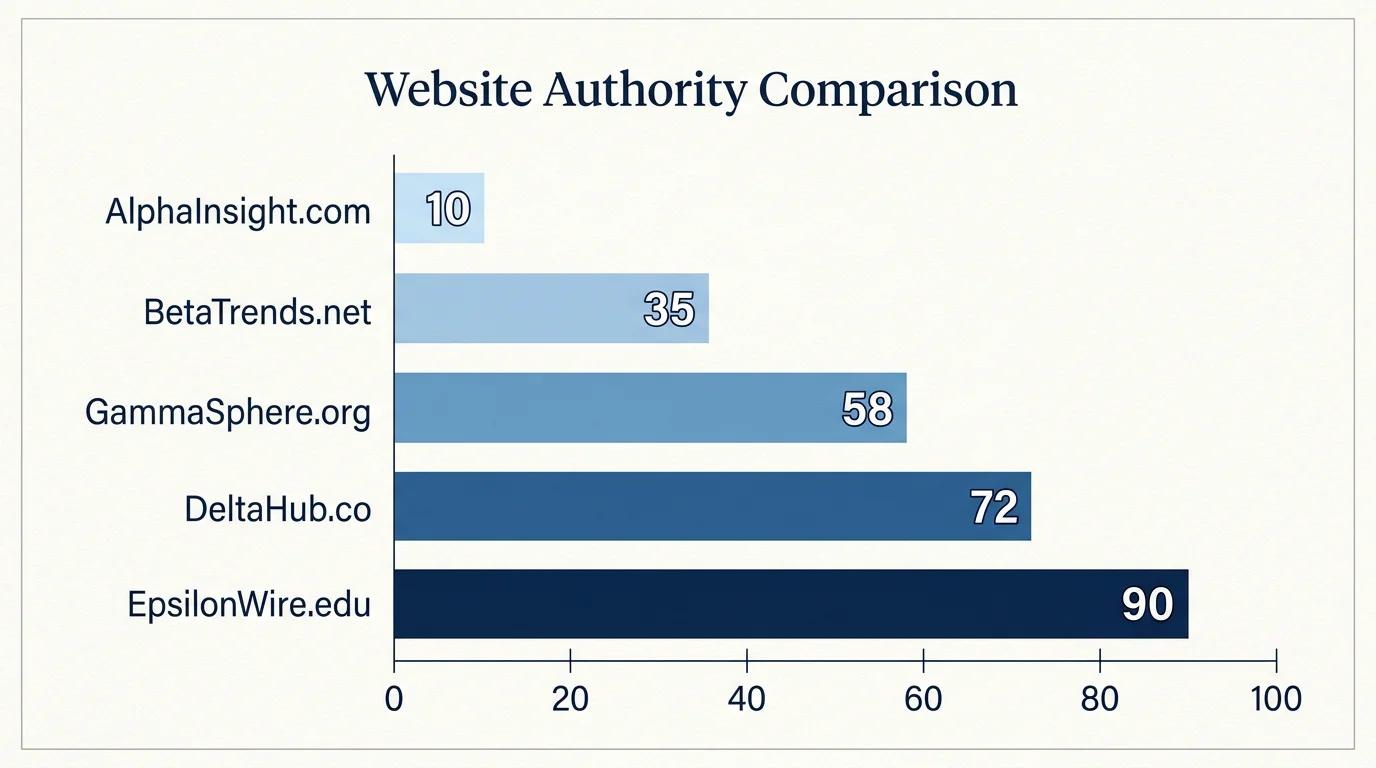
Moz calculates DA using a machine learning model trained on thousands of actual Google search results. The algorithm evaluates how closely a domain's link profile correlates with real ranking positions. Key inputs include:
Because the scale is logarithmic, moving from a DA of 20 to 30 requires substantially less effort than climbing from 70 to 80. Major platforms such as Wikipedia, Facebook, and Google.com occupy the highest end of the scale, which compresses the scores available for smaller sites.
It is critical to understand that DA is not a factor Google uses in its own ranking algorithm. Google representatives have consistently denied using any third-party authority score. However, the underlying signals that DA measures, particularly backlinks and referring domains, are well-established components of Google's systems.
Beyond traditional search, domain authority is gaining relevance in the era of AI-powered search. A 2026 analysis by GoodFirms found that sites with over 32,000 referring domains are 3.5 times more likely to be cited by ChatGPT than those with up to 200 referring domains. This finding suggests that the link-based signals underpinning domain authority now influence visibility not only in Google but also in large language model outputs.
For website owners, this dual relevance makes monitoring and improving authority a strategic priority. A strong DA score correlates with several practical advantages:
There is no universally "good" DA score. Context determines everything. A newly launched website typically starts at DA 1 and gradually increases as it earns quality backlinks. A DA of 20 to 30 can be highly competitive in a specialized niche, while the same score would be far below average in industries dominated by large media sites.
A practical framework for evaluation:
| DA Range | Typical Profile | Competitive Context |
|---|---|---|
| 1 – 20 | New or very small websites | Competitive for ultra-niche, long-tail queries |
| 21 – 40 | Growing SMB sites with active link building | Competitive in local or specialized markets |
| 41 – 60 | Established businesses, popular blogs | Competitive in moderately contested SERPs |
| 61 – 80 | Well-known brands, major publications | Competitive in broad, high-volume searches |
| 81 – 100 | Global authority sites (Wikipedia, major news) | Dominant across virtually all queries |
The recommended approach is to identify the DA scores of the sites currently ranking for your target keywords and aim to match or exceed them. If you do not know your current score, you can check your domain authority with our free tool to establish a baseline.
Improving DA is not a short-term tactic. It requires sustained effort across multiple fronts. The following strategies have the strongest impact:
The single most influential factor is acquiring links from reputable, topically relevant websites. According to a Backlinko study of 11.8 million search results, the number one result in Google has roughly three times more referring domains than results ranked two through ten. Focus on creating link-worthy content such as original research, industry surveys, and comprehensive guides that naturally attract citations. Businesses that prefer to outsource this work can consult our comparison of the 10 best netlinking agencies in France to find a specialized partner for outreach and link acquisition.
A single website linking to you a hundred times contributes far less to your DA than a hundred different websites each linking once. Diverse referring domains signal broad recognition and trust. Guest contributions, resource page placements, and data-driven content can help expand this diversity.
Spammy or manipulative backlinks can drag your authority down. Regularly audit your link profile to identify low-quality or irrelevant links, and use Google's disavow tool when necessary.
While DA is primarily a link metric, a technically sound website supports the overall SEO ecosystem that makes link acquisition easier. Ensure your site loads quickly, renders well on mobile devices, uses HTTPS, and has a logical internal linking structure. Teams that manage this work holistically are reviewed in our roundup of the 10 best seo agencies in France, which compares pricing and specializations.

Content that addresses real audience questions is more likely to earn organic backlinks over time. A compounding effect typically becomes visible around month six of consistent publishing, as accumulated content begins attracting links and improving overall authority.
The rise of AI Overviews in Google and the growing influence of large language models (LLMs) like ChatGPT are reshaping how authority is measured and rewarded. According to a 2026 report by Position Digital, sites with strong referring domain profiles are significantly more likely to appear in AI-generated citations.
This means that the foundational work of building domain authority, earning quality backlinks, maintaining technical health, and producing authoritative content, now pays dividends across both traditional and AI-driven search surfaces. Monitoring your visibility in AI engines is becoming just as important as tracking your Google rankings. Our domain authority tracker helps you stay on top of score changes over time so you can correlate improvements with your SEO efforts.
Several persistent myths lead website owners to misuse or misinterpret this metric:
Rather than chasing a specific number, use domain authority as one data point within a broader SEO strategy. Here is a pragmatic workflow:
This framework keeps the metric in proper perspective: useful as a directional indicator, but never a goal in isolation.
Building domain authority is a long-term investment in your website's credibility, visibility, and competitive standing. The data is clear: domains with strong, diversified backlink profiles consistently outperform weaker competitors in both traditional search results and AI-driven citations. Rather than fixating on a single score, focus on the fundamentals that drive it, namely quality content, ethical link building, and technical excellence. For teams that want to accelerate this process without the overhead of manual SEO management, our platform consolidates article generation, backlink acquisition, and technical audits into a single workflow. Start with our free domain authority checker to see where you stand and identify your next steps.
Domain authority scores can fluctuate with every update to the underlying link index. Moz typically updates its index regularly, which means your score may shift even if you have not made changes to your site. Competitor activity and changes in the broader link ecosystem also affect relative scores.
No. Domain authority is a third-party metric developed by Moz, while PageRank was an internal Google algorithm. Although both assess link quality, they use different methodologies and serve different purposes. PageRank is no longer publicly visible, whereas DA remains a widely accessible benchmarking tool.
Yes. Rather than checking manually each week, you can use our domain authority tracker to receive ongoing updates on your score and compare your progress against competitors. Automated tracking helps you correlate DA changes with specific link building campaigns or content initiatives.
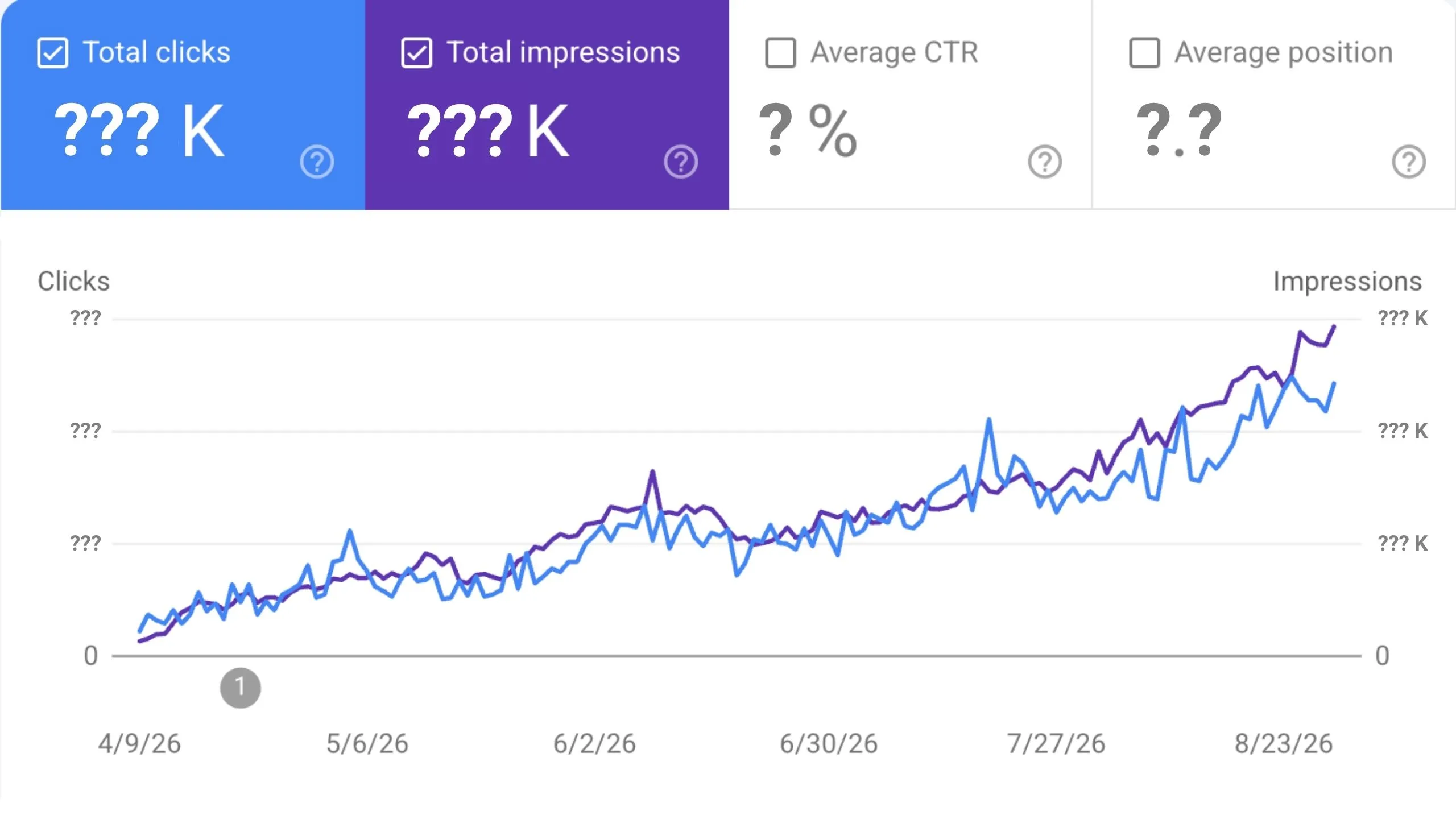
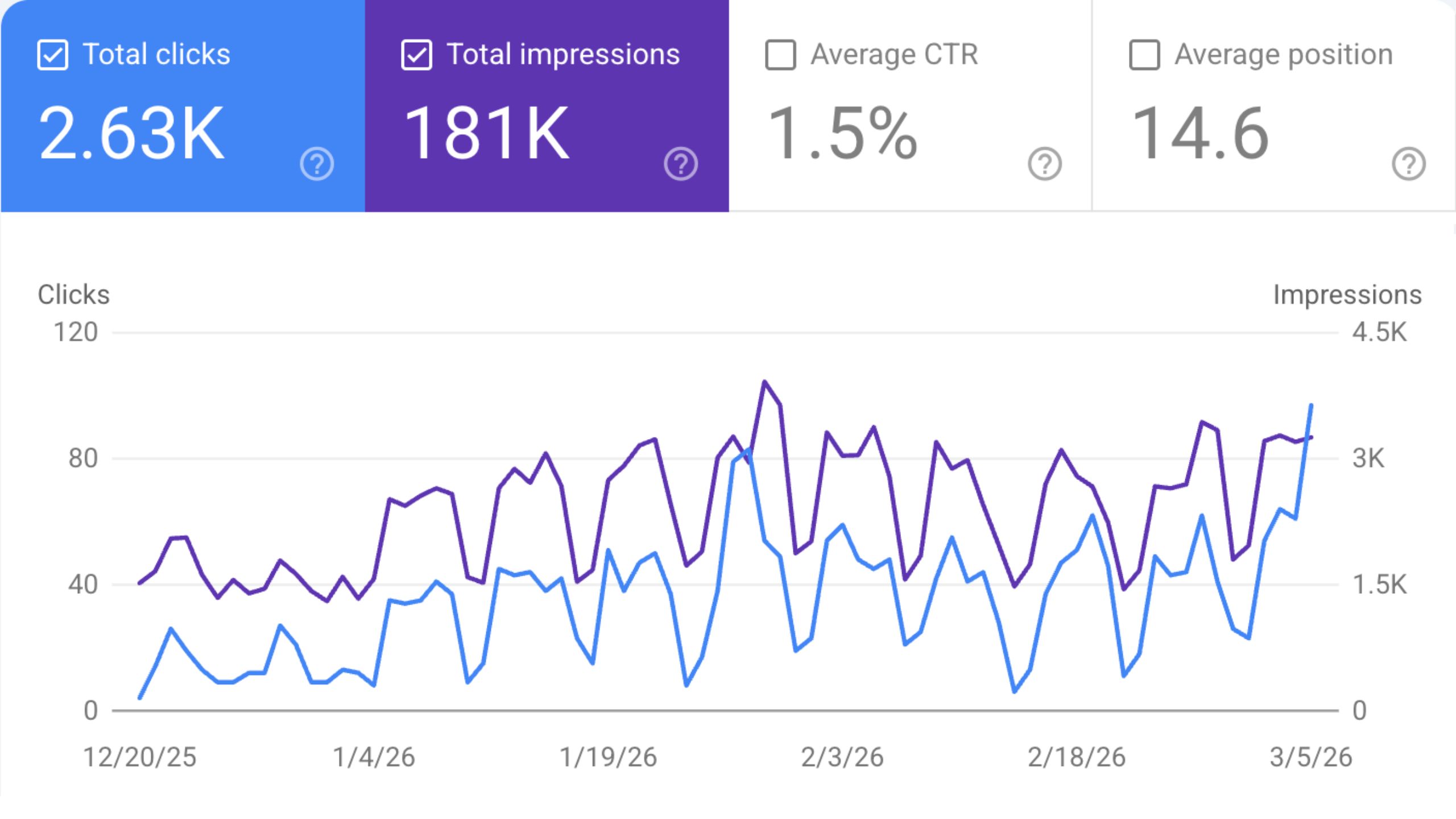
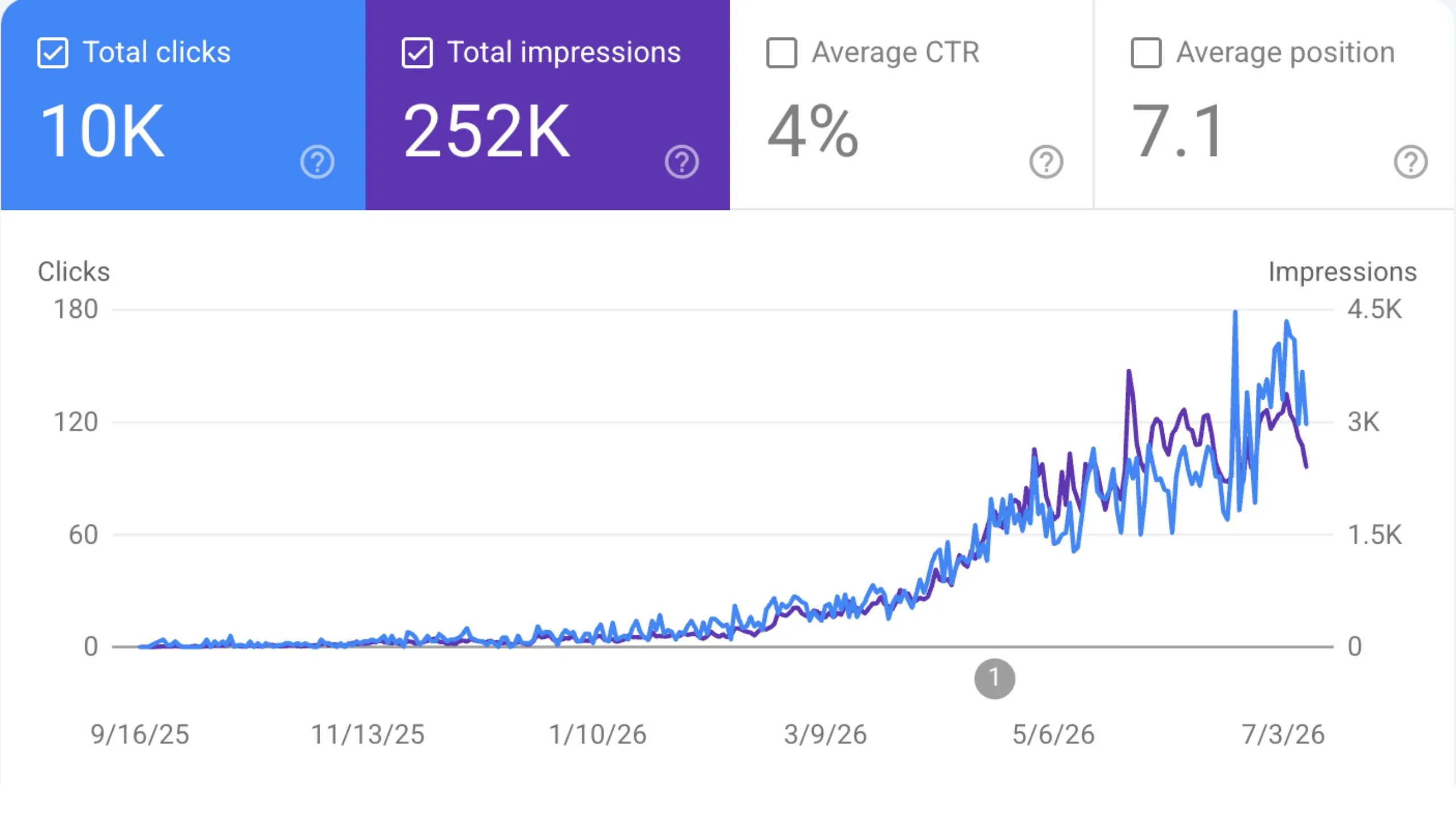
THEY WIN WITH SORANK







.webp)





.webp)
.webp)











.svg)
.svg)


