
העדפות
הפרטיות חשובה לנו, ולכן יש לך אפשרות להשבית סוגים מסוימים של אחסון שייתכן שאינם נחוצים לתפקוד הבסיסי של האתר. חסימת קטגוריות עלולה להשפיע על חווית השימוש שלך באתר. מידע נוסף

הפרטיות חשובה לנו, ולכן יש לך אפשרות להשבית סוגים מסוימים של אחסון שייתכן שאינם נחוצים לתפקוד הבסיסי של האתר. חסימת קטגוריות עלולה להשפיע על חווית השימוש שלך באתר. מידע נוסף
Model Context Protocol (MCP) הוא תקן פתוח המחבר מודלים של AI לכלים ולנתונים. גלו כיצד זה עובד ומדוע זה חשוב עבור GEO.
.webp)
.webp)




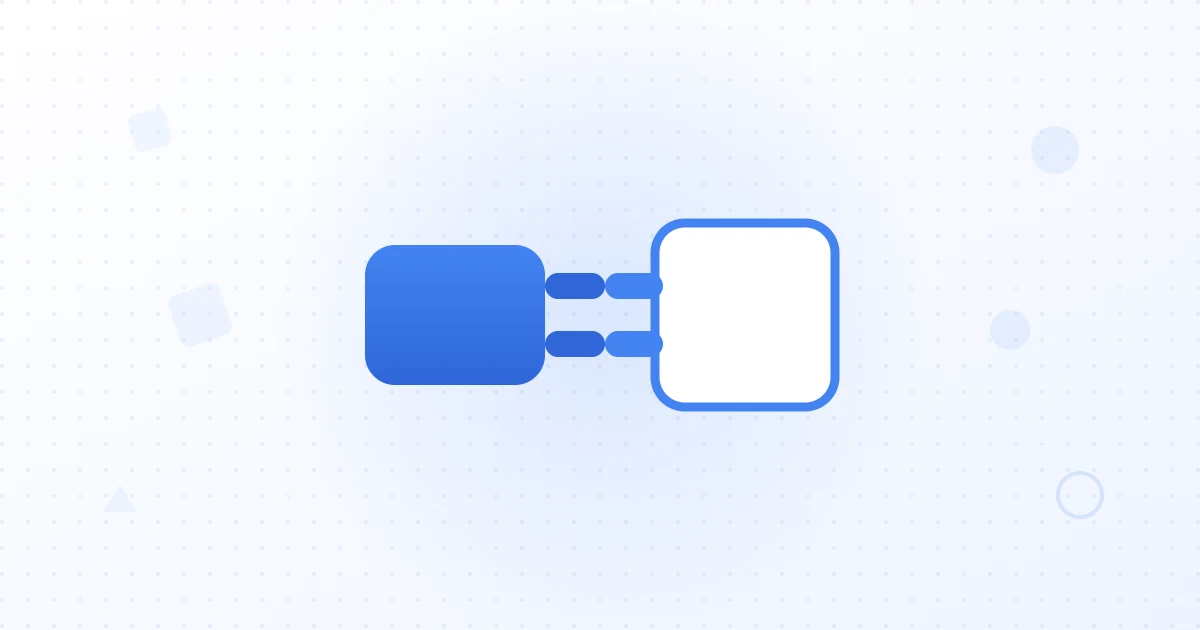
Model Context Protocol הוא תקן פתוח המגדיר כיצד יישומי AI מתקשרים עם הכלים, הקבצים והנתונים שהם זקוקים להם. חשבו עליו כמחבר אוניברסלי: במקום לחווט כל עוזר לכל מערכת בקוד מותאם אישית, מפתחים חושפים מערכת פעם אחת כשרת MCP, וכל יישום התואם ל-MCP יכול להשתמש בו. Anthropic שחררה את MCP ב-25 בנובמבר 2024, ומאז הוא הפך לדרך המקובלת בפועל להעניק למודלים גישה חיה לעולם החיצון.
עבור כל מי שעוסק בנראות בחיפוש AI, ל-MCP יש חשיבות כי הוא חלק מהתשתית המאפשרת לעוזרים ולסוכני AI להגיע מעבר לנתוני האימון שלהם, לאחזר מידע עדכני, ולפעול על פיו. הבנת התקן עוזרת לכם להבין כיצד מערכות אלו מאחזרות ומשתמשות בתוכן, כולל שלכם.
Model Context Protocol הוא מסגרת קוד פתוח המתקננת כיצד מודלי שפה גדולים משתלבים ומשתפים נתונים עם כלים, מערכות ומקורות נתונים חיצוניים. לפני שהוא היה קיים, מודל AI היה, כפי ש-Anthropic ניסחה זאת, לכוד מאחורי איי מידע. כל חיבור למסד נתונים, מאגר מסמכים או פלטפורמת תוכנה היה צריך להיבנות ולתוחזק בנפרד, מה שלא התאים להתרחבות.
MCP מחליף את התלאי הזה בפרוטוקול יחיד. מפתח יכול לחשוף נתונים דרך שרת MCP, או לבנות יישום הצורך כל שרת MCP, ושני הצדדים מדברים באותה שפה. התקן משתמש מחדש ברעיונות של זרימת הודעות מ-Language Server Protocol ופועל מעל JSON-RPC 2.0, שני יסודות מוכחים שנשאלו מכלי פיתוח קיימים.
הדרך הברורה ביותר להבין את MCP היא דרך הבעיה שהוא מסיר. Anthropic תיארה זאת כאתגר אינטגרציה של N כפול M: עם N מודלים שונים ו-M כלים או מקורות נתונים שונים, אינטגרציה נאיבית דורשת בניה ותחזוקה של מחבר נפרד לכל שילוב. עבודה זו מיותרת, שברירית, וגדלה באופן ריבועי.
MCP מצמצם זאת ל-N ועוד M. כל מודל צריך "לדבר" MCP פעם אחת, וכל כלי צריך לחשוף MCP פעם אחת. כל לקוח תואם יכול אז להשתמש בכל שרת תואם. זהו אותו יתרון שקריאה לפונקציות הביא ליישומים בודדים, מורחב לתקן משותף וניתן להעברה שעובד בין ספקים שונים.
MCP פועל לפי ארכיטקטורת לקוח-שרת עם שלושה תפקידים. המארח הוא יישום ה-AI שהמשתמש מתקשר איתו, כגון עוזר שולחני או סביבת קידוד. בתוך המארח פועלים לקוח MCP אחד או יותר, וכל אחד מהם מנהל חיבור לשרת MCP בודד. השרת הוא התוכנית שחושפת יכולות או נתונים, בין אם אלו קבצים מקומיים, מסד נתונים או פלטפורמת תוכנה מרוחקת.
התקשורת מתחילה בלחיצת יד (handshake) שבה הלקוח והשרת מגלים את היכולות זה של זה. כאשר המודל מחליט שהוא זקוק למשהו חיצוני, המארח בדרך כלל מציג למשתמש בקשת הרשאה, הבקשה עוברת לשרת הנכון, השרת מעבד אותה, והתוצאה מוחזרת כדי שהמודל ישלב אותה בתשובתו. ההעברה מתבצעת מקומית דרך קלט ופלט סטנדרטיים, או מרחוק דרך HTTP, כאשר JSON-RPC 2.0 משמש כפורמט ההודעות לכל אורך הדרך.
שרתי MCP חושפים את הפונקציונליות שלהם דרך שלוש אבני יסוד. כלים (Tools) הם פונקציות שהמודל יכול לקרוא להן כדי לבצע פעולה, כגון שאילתה למסד נתונים או שליחת הודעה. משאבים (Resources) הם נתונים שהיישום יכול לקרוא, כגון מסמכים או רשומות. הנחיות (Prompts) הן תבניות הוראות כתובות מראש שמסייעות למודל לבצע משימה ספציפית באופן עקבי.
תוספות חדשות יותר מרחיבות את המודל עוד יותר. Sampling מאפשר לשרת לבקש השלמה מהמודל, elicitation מאפשר לשרת לבקש קלט מהמשתמש באמצע המשימה, ו-roots מגדירים גבולות מערכת קבצים שהשרת רשאי לגעת בהם. יחד, אבני היסוד הללו מאפשרות לתקן יחיד לכסות קריאת נתונים, ביצוע פעולות, והנחיית התנהגות. אוצר המילים המשותף הזה הוא מה שהופך את MCP לשימושי בתוך תהליכי עבודה אג'נטיים גדולים יותר.
LLM בפני עצמו מוגבל לידע הקפוא בנתוני האימון שלו. MCP הוא אחד הגשרים המחברים מודל להקשר עדכני ואמיתי מהעולם. על ידי מתן גישה אמינה למודל לכלים ונתונים חיים, הפרוטוקול הופך ממשק צ'אט למשהו שיכול לחקור, לאחזר ולפעול.
זו הסיבה ש-MCP קשור קשר הדוק לעלייתם של סוכנים מסוגלים. סוכן צריך לקרוא למערכות רבות ברצף, ועשיית זאת דרך תקן אחד במקום עשרות אינטגרציות מותאמות אישית היא מה שהופך אוטומציה מורכבת לפרקטית. מסגרות עבודה של סוכני AI רבות מתייחסות כיום ל-MCP כדרך ברירת המחדל לחבר כלים לסוכן.
האימוץ היה מהיר. לאחר ש-Anthropic הציגה את התקן, OpenAI אימצה רשמית את MCP במרץ 2025 ושילבה אותו במגוון מוצרים כולל יישום שולחן העבודה של ChatGPT, ו-Google DeepMind אימצה אותו בערך באותו הזמן. ערכות פיתוח תוכנה קיימות עבור שפות מרכזיות כולל Python, TypeScript, C# ו-Java, והקהילה בנתה אלפי שרתים, כאשר שווקים מקוונים מפרטים אלפי אינטגרציות רבים.
גם הממשל התבגר. בדצמבר 2025, Anthropic תרמה את MCP ל-Agentic AI Foundation, קרן מכוונת תחת ה-Linux Foundation שהוקמה במשותף על ידי Anthropic, Block ו-OpenAI. העברת התקן לבית ניטרלי מסמנת ש-MCP נועד להיות תשתית משותפת ולא פרויקט של חברה בודדת. תוכלו לקרוא את ההודעה המקורית מ-Anthropic לגבי הרציונל להקמתה.
MCP לא סורק את האתר שלכם ולא מחליט האם לצטט אתכם. הוא תשתית, לא גורם דירוג. הרלוונטיות שלו לחיפוש היא עקיפה אך אמיתית: הוא חלק מהאופן שבו עוזרים מקבלים גישה לכלים חיים, ידע פנימי ושירותים חיצוניים, מה שמעצב את המעבר הרחב יותר מדירוג דפים להיות מאוחזרים ומאוזכרים על ידי מערכות AI.
עבור משווקים, המסקנה המעשית היא להבין את המערכת האקולוגית שבה התוכן שלכם חי כעת. ככל שעוזרים משתמשים בפרוטוקולים כמו MCP כדי לאחזר ולשלב מידע, המשמעת של אופטימיזציית מנועים גנרטיביים מתמקדת בלהיות מקור ברור, מובנה ואמין. שילוב הבנה זו עם מחקר מילות מפתח ותכנון תוכן מוצק שומר על התוכן שלכם מיושר עם השאלות שמערכות אלו עונות עליהן.
מכיוון ש-MCP מעניק למודלים גישה למערכות אמיתיות, אבטחה היא מרכזית. חוקרים ב-2025 מצאו מספר רב של שרתים חשופים הפועלים ללא אימות, ועדכון מפרט ביוני 2025 החמיר את ההרשאות על ידי התייחסות לשרתים כאל שרתי משאבים של OAuth. היישום ברחבי המערכת האקולוגית עדיין משתנה, ולכן קביעת היקף הרשאות זהירה חשובה.
הפרוטוקול בטוח גם רק במידה שהעיצוב שלו סביב פיקוח אנושי מאפשר. אירועים שדווחו, כולל סוכן שמחק מסד נתונים בסביבת ייצור למרות אמצעי הגנה שהוצהרו, מדגישים מדוע קיימות בקשות הרשאה ובדיקות human-in-the-loop. MCP מתקנן את החיבור, אך הוא אינו מבטל את הצורך בבקרות גישה ובביקורת מתחשבות.
Model Context Protocol הוא התקן הפתוח המאפשר למודלי AI להתחבר לכלים ולנתונים דרך ממשק משותף אחד, ומחליף את הסבך הבלתי ניתן להתרחבות של N כפול M של אינטגרציות מותאמות אישית במודל נקי של N ועוד M. עם מארחים, לקוחות, שרתים ושלוש אבני יסוד מרכזיות, הוא הפך במהירות לתשתית בסיסית עבור סוכנים ועוזרים, בגיבוי Anthropic, OpenAI, Google ובית ב-Linux Foundation.
עבור אנשי מקצוע ב-GEO, MCP הוא הקשר ששווה להבין ולא מנוף שאפשר למשוך ישירות. כדי לפעול לפי המגמה, התמקדו בתוכן נקי וניתן לציטוט וקשרו זאת עם סוכני AI ועם קריאה לפונקציות. מקורות עזר: Anthropic, Wikipedia, ו-Descope.

Anthropic הציגה את MCP ב-25 בנובמבר 2024, כתקן פתוח ומסגרת קוד פתוח. הוא אומץ במהירות על ידי מעבדות מובילות אחרות, כאשר OpenAI תמכה בו רשמית במרץ 2025 ו-Google DeepMind אימצה אותו זמן קצר לאחר מכן. בדצמבר 2025, Anthropic תרמה את התקן ל-Agentic AI Foundation תחת ה-Linux Foundation.
הוא פותר את בעיית האינטגרציה של N כפול M. ללא תקן, חיבור N מודלים ל-M כלים דורש מחבר מותאם אישית לכל צמד, מה שלא מתאים להתרחבות. MCP הופך זאת ל-N ועוד M: כל מודל מדבר MCP פעם אחת וכל כלי חושף MCP פעם אחת, כך שכל לקוח תואם יכול להשתמש בכל שרת תואם.
לא ישירות. MCP הוא תשתית המאפשרת לעוזרים להגיע לכלים ולנתונים, לא סורק או גורם דירוג. הרלוונטיות שלו היא עקיפה: הוא חלק מהאופן שבו מערכות AI מאחזרות ומשלבות מידע. התגובה המעשית היא לשמור על התוכן שלכם ברור, מובנה ואמין כדי שמערכות AI יוכלו להשתמש בו ולצטט אותו.










.svg)
.svg)