
העדפות
הפרטיות חשובה לנו, ולכן יש לך אפשרות להשבית סוגים מסוימים של אחסון שייתכן שאינם נחוצים לתפקוד הבסיסי של האתר. חסימת קטגוריות עלולה להשפיע על חווית השימוש שלך באתר. מידע נוסף

הפרטיות חשובה לנו, ולכן יש לך אפשרות להשבית סוגים מסוימים של אחסון שייתכן שאינם נחוצים לתפקוד הבסיסי של האתר. חסימת קטגוריות עלולה להשפיע על חווית השימוש שלך באתר. מידע נוסף
ה-Knowledge Graph הוא מסד הנתונים של Google לישויות וקשרים. גלו כיצד הוא פועל וכיצד לייעל את המותג שלכם עבורו ועבור חיפוש AI.
.webp)
.webp)



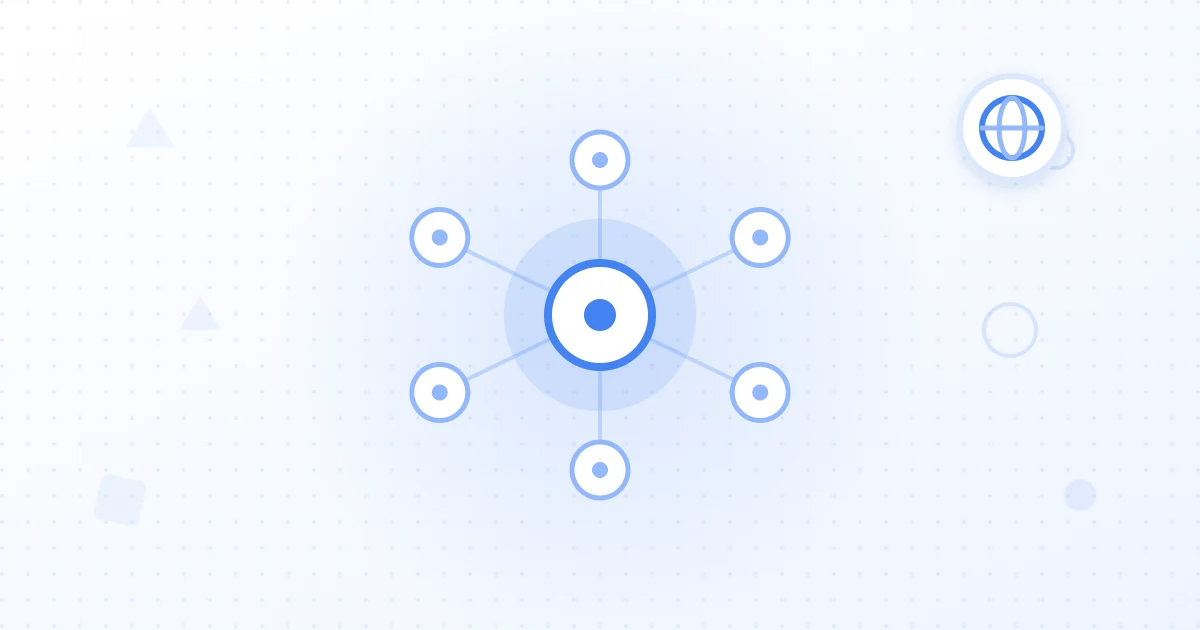
ה-Knowledge Graph הוא מאגר ידע ש-Google משתמשת בו כדי לאחסן מידע עובדתי על העולם ולהציג אותו ישירות בתוצאות החיפוש. במקום להתייחס לשאילתה כמחרוזת מילים, Google ממפה אותה לדברים אמיתיים ולקשרים ביניהם, כך שהיא יכולה להחזיר מידע שימושי מבלי שהמשתמש תמיד יצטרך ללחוץ על תוצאה.
Google מדווחת שה-Knowledge Graph מכיל למעלה מ-1.6 טריליון עובדות על 54 מיליארד ישויות. קנה מידה זה הוא מה שמאפשר ל-Google להבין שאילתה מעורפלת כמו "בחור ירוק קטן עם חרב לייזר" ולהחזיר תוצאות של Star Wars, גם כשמעולם לא הוזכר שם הסדרה. עבור מותגים, ייצוג מדויק בתוך הגרף הזה מעצב את האופן שבו גם חיפוש קלאסי וגם תשובות AI מתארים אתכם.
ה-Knowledge Graph הוא מסד נתוני מידע שמאפשר ל-Google לספק תשובות עובדתיות בדף התוצאות, כך שמשתמשים יכולים לקבל את מה שהם צריכים בלי ללחוץ. בבסיסו זוהי מפה של ישויות ושל הקשרים המחברים ביניהן, שנבנתה כדי שמכונות יוכלו להסיק מסקנות לגבי משמעות במקום להתאים מילים.
זהו הבסיס לחיפוש מבוסס ישויות. ישות היא כל אובייקט או מושג שניתן לזהות באופן מובחן, מדברים מוחשיים כמו אנשים, מקומות וארגונים, ועד למופשטים כמו צבעים ומושגים. בניית זהות ברורה בתוך הגרף היא המטרה של SEO ישויות, וזו תלויה במאמץ חזק של אופטימיזציית ישויות דיגיטלית.
הגרף בנוי משלושה רכיבים. צמתים הם הישויות עצמן, כל אחת עם מזהה ייחודי כך ש-Google יכולה להבחין בין שני דברים בעלי אותו שם. קשתות הן הקשרים המתויגים בין הצמתים, כמו "הוקם על ידי" או "יוצר על ידי". תכונות הן המאפיינים הספציפיים של ישות, כמו תאריך ייסוד או מיקום מטה.
יחד, אלה הופכים עובדות מבודדות לרשת מחוברת של משמעות. מכיוון ש-Google יודעת ש-Steve Jobs ייסד את Apple וש-Apple מייצרת את ה-iPhone, היא יכולה לענות על שאלות החוצות את הקשרים האלה. מבנה זה הוא מה שמניע חיפוש סמנטי, שבו הבנת הכוונה חשובה יותר מהתאמת מילות מפתח מילולית.
Google מאכלסת את הגרף ממקורות ציבוריים כמו Wikipedia ו-Wikidata, נתונים מורשים, ומידע שמוגש ישירות על ידי בעלי תוכן. Wikidata בפרט מספקת חלק משמעותי מהגרף, וזו הסיבה שערך Wikidata מתוחזק היטב הוא מנוף נפוץ לנראות ישויות.
גם נתונים מובנים באתר שלכם מזינים את המערכת. תיוג הארגון שלכם עם מאפייני schema.org, תחזוקת Google Business Profile, ושמירה על עקביות פרטי המותג בין ספריות שונות, כל אלה עוזרים ל-Google לחבר את הישות שלכם בביטחון. Google גם גוזמת את הגרף לצורך איכות, וביוני 2025 היא הסירה למעלה מ-3 מיליארד ישויות בשבוע אחד כדי לתעדף נתונים אמינים עבור תכונות AI.
הפלט הבולט ביותר של הגרף הוא ה-Knowledge Panel, התיבה המסכמת שמופיעה עבור ישות מוכרת. היא מציגה את התכונות המרכזיות של הישות, כמו תאריך ייסוד של חברה, לוגו וקישורים, במיקום בולט אחד בדף התוצאות.
הפאנלים בונים מודעות ואמון למותג, אך הם גם משאירים יותר תשובות בתוך Google. לפי Semrush, כ-60 אחוז מהחיפושים מסתיימים כיום ללא קליק, ועבור שאילתה פשוטה כמו גיל של סלבריטי, רק כ-9 אחוז מהחיפושים מייצרים קליק. השגת פאנל היא בעלת ערך, אך היא חלק ממגמה רחבה יותר לעבר תשובות ללא קליק שכדאי לתכנן לקראתה.
הגרף העביר את Google מהתאמת מילות מפתח להבנה מבוססת ישויות של תוכן. המשמעות היא שהנראות שלכם תלויה יותר ויותר בשאלה האם Google מזהה את המותג שלכם כישות מובחנת ומהימנה, ולא רק במילות המפתח שבדפים שלכם. אותות ישות ברורים עוזרים ל-Google לייחס עובדות אליכם בצורה נכונה.
ייצוג מדויק גם מגן על המוניטין שלכם. אם הגרף מכיל פרטים מיושנים או שגויים, שגיאות אלה עלולות לצוץ בפאנלים ובתשובות AI. חיזוק סמכות התוכן שלכם ושמירה על עקביות נתוני הישות שלכם מפחיתים את הסיכון הזה ומשפרים את האופן שבו מערכות מתארות אתכם.
תכונות חיפוש AI נשענות רבות על הגרף. ה-AI Overview של Google משתמש בו כדי לזהות ולאמת ישויות כך שתשובות שנוצרות מעוגנות בעובדות, וה-AI Mode שואב ממנו לצד תוצאות אינטרנט. Gemini משתמש בגרף כדי לחדד זיהוי ישויות ומיפוי קשרים.
זה הופך אופטימיזציית ישויות למנוף ישיר לשאלה האם המותג שלכם מופיע בתשובות שנוצרות על ידי AI. ככל שיותר גילוי מתרחש דרך חוויות אלה, ישות בנויה היטב בתוך ה-Knowledge Graph הופכת לחלק מהבסיס להיות מוזכרים ומצוטטים. שילוב זה עם מחקר מילות מפתח ותכנון תוכן ממושמע מיישר את הנושאים שלכם עם השאילתות שמפעילות את התכונות הללו.
התחילו בבדיקה האם Google כבר מזהה את הישות שלכם, ולאחר מכן בנו את האותות שמאשרים זאת. הטמיעו תיוג schema מסוג Organization עם מאפיינים כמו name, logo, ורשימת sameAs המצביעה על הפרופילים הרשמיים שלכם. תחזקו Google Business Profile מלא ושמרו על עקביות שם המותג, הכתובת והפרטים בכל מקום.
מעבר לאתר שלכם, השיגו סיקור בפרסומים סמכותיים והקימו ערך Wikidata מיושר עם כל נוכחות ב-Wikipedia. המטרה היא רשת עקבית של הפניות שכולן מצביעות על אותה הישות, כך ש-Google יכולה לחבר את הנקודות ולסמוך על התוצאה. עקביות בין המקורות הללו היא בסופו של דבר מה שמחזק את הצומת שלכם בגרף.
ה-Knowledge Graph הוא המפה המובנית של Google לישויות ולקשרים, והוא מהווה בסיס לאופן שבו חיפוש ותכונות AI מודרניים מבינים את העולם. הוא מתגמל מותגים שמציגים זהות ברורה, עקבית ומתועדת היטב, במקום אוסף רופף של מילות מפתח.
כדי להעמיק, התייחסו לגרף כאל עמוד השדרה של אסטרטגיית הישויות שלכם וחברו אותו עם SEO ישויות ואופטימיזציית Knowledge Panel. מקורות התייחסות: Ahrefs ו-Semrush.

מילת מפתח היא מחרוזת טקסט שאדם מקליד בחיפוש. ישות היא דבר או מושג מובחן שקיים באופן עצמאי מכל ניסוח, כגון חברה, אדם או מוצר ספציפיים, כל אחד עם מזהה ייחודי ב-Knowledge Graph. Google ממפה יותר ויותר מילות מפתח לישויות כדי שתוכל להבין משמעות ולא רק להתאים מילים.
בנו אותות עקביים וניתנים לאימות שמצביעים על אותה הישות. הוסיפו תיוג schema מסוג Organization עם רשימת sameAs של הפרופילים הרשמיים שלכם, השלימו את Google Business Profile שלכם, השיגו סיקור בפרסומים סמכותיים, וצרו ערך Wikidata. שמרו על שם המותג והפרטים זהים בכל מקור כך ש-Google תוכל לחבר אותם בביטחון.
תכונות AI כמו AI Overviews, AI Mode ו-Gemini של Google משתמשות ב-Knowledge Graph כדי לזהות ולאמת ישויות ולעגן תשובות בעובדות. אם המותג שלכם הוא ישות ברורה ומדויקת בגרף, הסיכוי שהוא יזוהה ויוזכר בתשובות שנוצרות על ידי AI גבוה בהרבה, מה שהופך אופטימיזציית ישויות למרכזית עבור נראות AI.









.svg)
.svg)