التفضيلات
خصوصيتك مهمة بالنسبة لنا، لذلك لديك خيار تعطيل أنواع معينة من التخزين التي قد لا تكون ضرورية للوظائف الأساسية للموقع. قد يؤثر حظر الفئات على تجربتك في الموقع. مزيد من المعلومات

خصوصيتك مهمة بالنسبة لنا، لذلك لديك خيار تعطيل أنواع معينة من التخزين التي قد لا تكون ضرورية للوظائف الأساسية للموقع. قد يؤثر حظر الفئات على تجربتك في الموقع. مزيد من المعلومات
Knowledge Graph هو قاعدة بيانات Google للكيانات والعلاقات. تعرفوا على كيفية عمله وكيفية تحسين علامتكم التجارية له ولبحث AI.
.webp)
.webp)




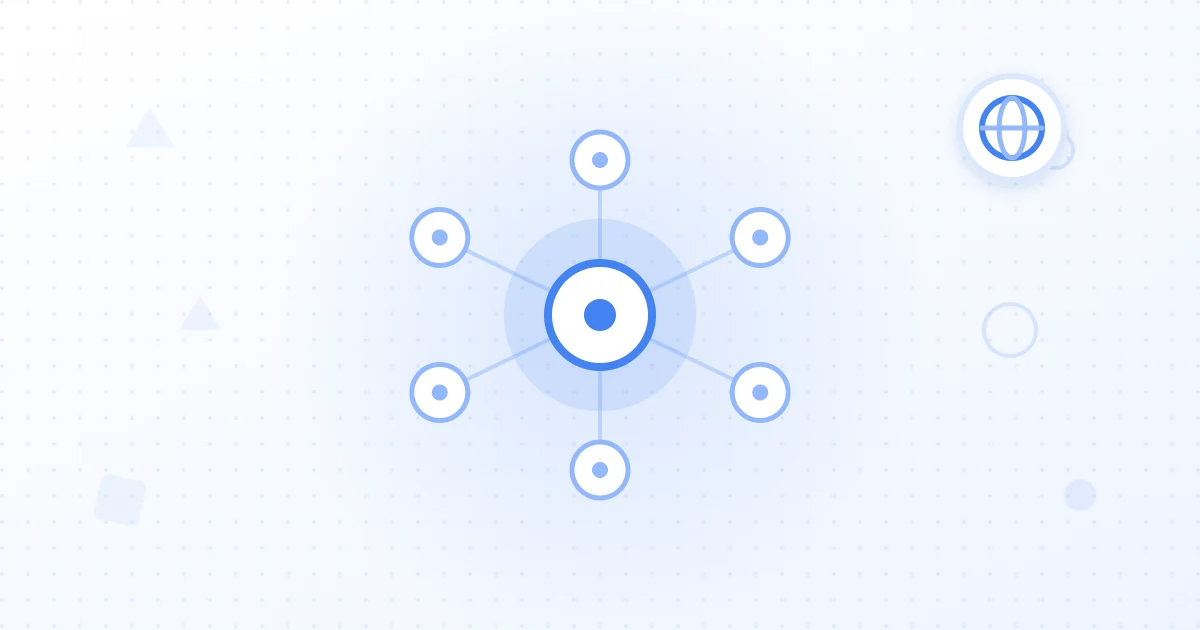
Knowledge Graph هو قاعدة معرفة تستخدمها Google لتخزين معلومات واقعية عن العالم وعرضها مباشرة في نتائج البحث. فبدلاً من التعامل مع الاستعلام كسلسلة من الكلمات، تُخطّط Google الاستعلام إلى أشياء حقيقية وعلاقاتها، بحيث يمكنها إرجاع معلومات مفيدة دون أن يضطر المستخدم دائمًا للنقر على نتيجة.
تفيد Google بأن Knowledge Graph يحتوي على أكثر من 1.6 تريليون حقيقة حول 54 مليار كيان. هذا الحجم هو ما يتيح لـGoogle فهم استعلام غامض مثل "كائن أخضر صغير يحمل سيف ضوئي" وإرجاع نتائج Star Wars، رغم أن اسم السلسلة لم يُذكر قط. بالنسبة للعلامات التجارية، فإن التمثيل الدقيق داخل هذا الرسم البياني يشكّل الطريقة التي يصفكم بها كل من البحث الكلاسيكي وإجابات AI.
Knowledge Graph هو قاعدة بيانات معلومات تتيح لـGoogle تقديم إجابات واقعية في صفحة النتائج، بحيث يمكن للمستخدمين الحصول على ما يحتاجونه دون النقر. في جوهره، هو خريطة من الكيانات والعلاقات التي تربطها، بُنيت لتمكّن الآلات من الاستدلال على المعنى بدلاً من مطابقة الكلمات.
هذا هو أساس البحث القائم على الكيانات. الكيان هو أي شيء أو مفهوم يمكن تحديده بشكل مميز، من أشياء ملموسة كالأشخاص والأماكن والمنظمات، إلى أشياء غير ملموسة كالألوان والمفاهيم. بناء هوية واضحة داخل الرسم البياني هو هدف SEO الكيانات، ويعتمد ذلك على جهد قوي من تحسين الكيانات الرقمية.
يُبنى الرسم البياني من ثلاثة عناصر. العُقد هي الكيانات نفسها، لكل منها معرّف فريد بحيث يمكن لـGoogle التمييز بين شيئين يحملان الاسم نفسه. الحواف هي العلاقات الموسومة بين العُقد، مثل "تأسّست بواسطة" أو "صنعتها". الخصائص هي السمات المحددة لكيان ما، مثل تاريخ التأسيس أو موقع المقر الرئيسي.
معًا، تحوّل هذه العناصر الحقائق المعزولة إلى شبكة معنى مترابطة. ولأن Google تعلم أن Steve Jobs أسّس Apple وأن Apple تصنع iPhone، يمكنها الإجابة عن الأسئلة التي تمتد عبر هذه الروابط. هذا البنيان هو ما يشغّل البحث الدلالي، حيث يهم فهم النية أكثر من التطابق الحرفي للكلمات المفتاحية.
تملأ Google الرسم البياني من مصادر عامة مثل Wikipedia وWikidata، وبيانات مرخّصة، ومعلومات تُقدَّم مباشرة من أصحاب المحتوى. تزوّد Wikidata على وجه الخصوص جزءًا كبيرًا من الرسم البياني، وهذا هو سبب كون إدخال Wikidata جيد الصيانة رافعة شائعة لظهور الكيانات.
تغذّي البيانات المنظمة على موقعكم الخاص النظام أيضًا. فوسم منظمتكم بخصائص schema.org، وتحديث Google Business Profile، والحفاظ على اتساق تفاصيل العلامة التجارية عبر الأدلة المختلفة، كل ذلك يساعد Google على ربط كيانكم بثقة. تُقلّم Google الرسم البياني أيضًا لأجل الجودة، وفي يونيو 2025 أزالت أكثر من 3 مليارات كيان في أسبوع واحد لإعطاء الأولوية للبيانات الموثوقة لصالح ميزات AI.
أبرز مخرجات الرسم البياني هو Knowledge Panel، الصندوق الملخّص الذي يظهر لكيان معروف. يعرض السمات الأساسية للكيان، مثل تاريخ تأسيس شركة وشعارها وروابطها، في موضع بارز واحد على صفحة النتائج.
تبني اللوحات وعي المستخدمين بالعلامة التجارية وثقتهم بها، لكنها أيضًا تُبقي مزيدًا من الإجابات داخل Google. تشير Semrush إلى أن نحو 60 بالمئة من عمليات البحث تنتهي الآن دون نقرة، وبالنسبة لاستعلام بسيط مثل عمر أحد المشاهير، فإن نحو 9 بالمئة فقط من عمليات البحث تولّد نقرة. الحصول على لوحة أمر ذو قيمة، لكنه يندرج ضمن تحول أوسع نحو إجابات بلا نقرات ينبغي التخطيط له.
نقل الرسم البياني Google من مطابقة الكلمات المفتاحية إلى فهم قائم على الكيانات للمحتوى. هذا يعني أن ظهوركم يعتمد بشكل متزايد على ما إذا كانت Google تتعرف على علامتكم التجارية ككيان مميز وموثوق، وليس فقط على الكلمات المفتاحية في صفحاتكم. تساعد إشارات الكيانات الواضحة Google على نسب الحقائق إليكم بشكل صحيح.
يحمي التمثيل الدقيق سمعتكم أيضًا. فإذا احتوى الرسم البياني على تفاصيل قديمة أو خاطئة، يمكن أن تظهر هذه الأخطاء في اللوحات وإجابات AI. يقلل تعزيز سلطة المحتوى لديكم والحفاظ على اتساق بيانات كيانكم من هذا الخطر، ويحسّن الطريقة التي تصفكم بها الأنظمة.
تعتمد ميزات بحث AI بشكل كبير على الرسم البياني. يستخدمه AI Overview من Google لتحديد الكيانات والتحقق منها بحيث تكون الإجابات المولّدة مرسّخة بالحقائق، ويستمد منه AI Mode جنبًا إلى جنب مع نتائج الويب. يستخدم Gemini الرسم البياني لتحسين التعرف على الكيانات ورسم خرائط العلاقات.
هذا يجعل تحسين الكيانات رافعة مباشرة لظهور علامتكم التجارية في الإجابات المولَّدة بواسطة AI. ومع تزايد الاكتشاف عبر هذه التجارب، يصبح الكيان المُشكَّل جيدًا داخل Knowledge Graph جزءًا من أساس أن يُذكر ويُقتبَس. اقتران ذلك مع أبحاث كلمات مفتاحية وتخطيط محتوى منضبطة يوائم مواضيعكم مع الاستعلامات التي تفعّل هذه الميزات.
ابدأوا بالتحقق مما إذا كانت Google تتعرف بالفعل على كيانكم، ثم ابنوا الإشارات التي تؤكد ذلك. طبّقوا وسم schema من نوع Organization مع خصائص مثل name وlogo وقائمة sameAs تشير إلى ملفاتكم الرسمية. حافظوا على Google Business Profile كامل وعلى اتساق اسم علامتكم التجارية وعنوانكم وتفاصيلكم في كل مكان.
إلى جانب موقعكم الخاص، اكسبوا تغطية في منشورات موثوقة وأنشئوا إدخال Wikidata متوافقًا مع أي وجود على Wikipedia. الهدف هو شبكة متسقة من المراجع تشير جميعها إلى الكيان نفسه، بحيث يمكن لـGoogle ربط النقاط والثقة بالنتيجة. الاتساق بين هذه المصادر هو في النهاية ما يعزز عقدتكم في الرسم البياني.
Knowledge Graph هو خريطة Google المنظمة للكيانات والعلاقات، وهو يشكّل أساس فهم البحث الحديث وميزات AI للعالم. يكافئ العلامات التجارية التي تقدّم هوية واضحة ومتسقة وموثّقة جيدًا، بدلاً من مجموعة متناثرة من الكلمات المفتاحية.
للمضي قدمًا، تعاملوا مع الرسم البياني باعتباره العمود الفقري لاستراتيجية الكيانات لديكم واربطوه بـSEO الكيانات وتحسين Knowledge Panel. مصادر مرجعية: Ahrefs وSemrush.

الكلمة المفتاحية هي سلسلة نصية يكتبها شخص في البحث. الكيان هو شيء أو مفهوم مميز موجود بشكل مستقل عن أي صياغة، مثل شركة أو شخص أو منتج محدد، ولكل منها معرّف فريد في Knowledge Graph. تُخطّط Google بشكل متزايد الكلمات المفتاحية إلى كيانات حتى تتمكن من فهم المعنى بدلاً من مجرد مطابقة الكلمات.
ابنوا إشارات متسقة وقابلة للتحقق تشير إلى الكيان نفسه. أضيفوا وسم schema من نوع Organization مع قائمة sameAs لملفاتكم الرسمية، أكملوا Google Business Profile الخاص بكم، اكسبوا تغطية في منشورات موثوقة، وأنشئوا إدخال Wikidata. حافظوا على اسم علامتكم التجارية وتفاصيلها متطابقة عبر كل مصدر حتى تتمكن Google من ربطها بثقة.
تستخدم ميزات AI مثل AI Overviews وAI Mode وGemini من Google الرسم البياني Knowledge Graph لتحديد الكيانات والتحقق منها ولترسيخ الإجابات في الحقائق. إذا كانت علامتكم التجارية كيانًا واضحًا ودقيقًا في الرسم البياني، فمن الأرجح بكثير أن يُتعرَّف عليها وتُذكر في الإجابات المولَّدة بواسطة AI، مما يجعل تحسين الكيانات محوريًا لظهور AI.






.svg)
.svg)