
העדפות
הפרטיות חשובה לנו, ולכן יש לך אפשרות להשבית סוגים מסוימים של אחסון שייתכן שאינם נחוצים לתפקוד הבסיסי של האתר. חסימת קטגוריות עלולה להשפיע על חווית השימוש שלך באתר. מידע נוסף

הפרטיות חשובה לנו, ולכן יש לך אפשרות להשבית סוגים מסוימים של אחסון שייתכן שאינם נחוצים לתפקוד הבסיסי של האתר. חסימת קטגוריות עלולה להשפיע על חווית השימוש שלך באתר. מידע נוסף
Content Chunking מפרק מידע לקטעים ממוקדים ועצמאיים ש-AI ומנועי חיפוש יכולים לאחזר ולצטט. למדו איך לעשות זאת.
.webp)
.webp)




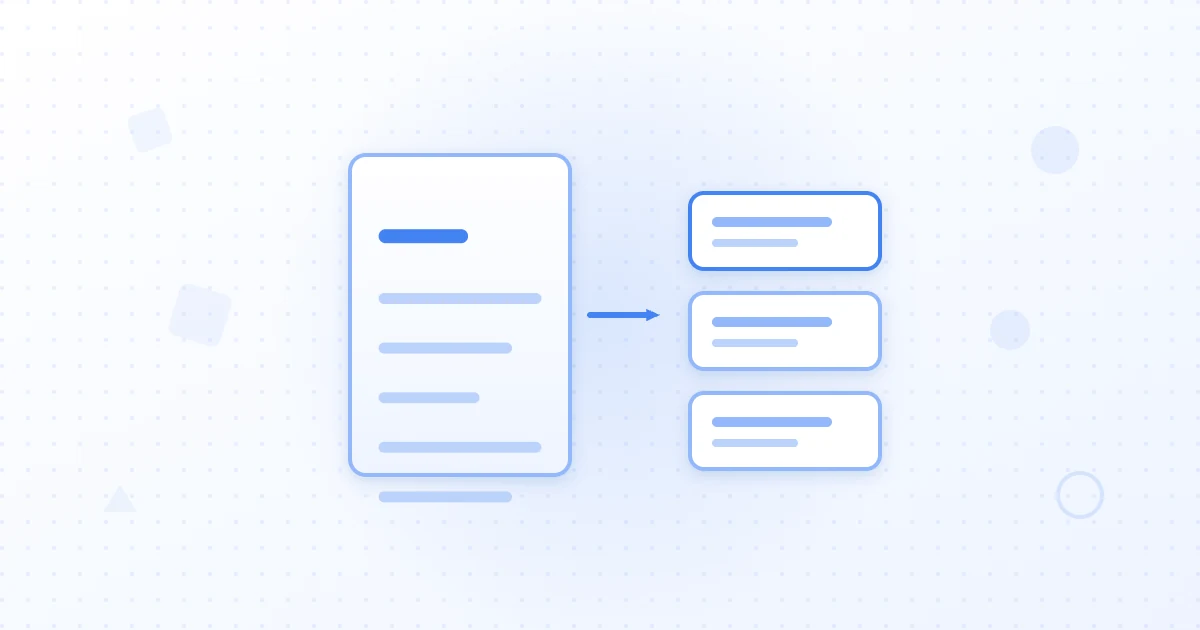
Content Chunking פירושו חלוקת תוכן ליחידות קטנות וממוקדות המאורגנות לפי מושג ולא לפי אורך שרירותי. למונח שתי משמעויות קשורות זו לזו. בהנדסת אחזור, chunking הוא תהליך פיצול מסמכים לחלקים כך שמנגנון אחזור (retriever) יוכל להביא את הקטע הרלוונטי ביותר ומודל יוכל להשתמש בו כהקשר מבוסס. באסטרטגיית תוכן, זהו הנוהג של מבנה עמוד כך שכל קטע עומד בפני עצמו וניתן להבנה, ולציטוט, בנפרד.
שתי המשמעויות חשובות כיום למשווקים. ככל שמנועי AI עונים על שאלות באמצעות שאיבת קטעים ממוקדים ולא עמודים שלמים, האופן שבו מחלקים את התוכן משפיע ישירות על הסיכוי לקבל ציטוט. קטעים ברורים ועצמאיים קלים יותר לסריקה עבור אנשים ולחילוץ עבור מכונות.
בבסיסו, content chunking מפרק מידע לקטעים קטנים וממוקדים המשרתים גם קוראים וגם מכונות. כל קטע בנוי סביב רעיון יחיד ומתוכנן לשלמות סמנטית, כלומר הוא עומד בפני עצמו תוך תמיכה בנרטיב הרחב יותר. במקום גוש טקסט אחד וצפוף, מקבלים סדרה של יחידות קלות לעיכול, מתויגות בבירור.
זה מתיישר עם האופן שבו עובדת תשומת הלב: קוראים מעבדים מידע ביחידות מוגבלות בכל פעם, כך שקטעים קצרים יוצרים תחנות מנוחה טבעיות שמפחיתות עומס קוגניטיבי. אותו מבנה שעוזר לאדם לסרוק במהירות נותן גם למכונה גבולות נקיים לעבוד איתם, ולכן chunking קרוב לאטומיזציה של תוכן ולתוכן מובנה.
ב-retrieval augmented generation, chunking הוא הכרחי. מסמך מפוצל לחלקים כך שמנגנון אחזור יוכל להביא את הקטעים הרלוונטיים ביותר ומודל יוכל לבסס את תשובתו עליהם. Chunking קיים בין השאר בגלל מגבלות קשיחות: מודלי embedding מקבלים רק כמות מוגבלת של טוקנים, וקטעים שאוחזרו חייבים להשתלב בתוך חלון ההקשר של מודל לצד ההוראות. לכן מסמכים גדולים חייבים להתפצל לפני שניתן לחפש בהם לפי דמיון.
גודל הקטע משפיע על האיכות. כאשר יותר מדי טקסט נדחס לתוך וקטור אחד, ה-embedding הופך גס ופרטים חשובים מיטשטשים, בעוד שנושאים מרובים בקטע אחד מדללים את הרלוונטיות. קטעים קטנים וממוקדים מאפשרים התאמה מדויקת יותר. מומחים מתחילים לעיתים קרובות בניסוי סביב 250 טוקנים, כ-1,000 תווים, ואז מכווננים, וצינורות AI מפצלים באופן נפוץ עמודים ליחידות של כ-100 עד 300 מילים. אלה המכניקה מאחורי retrieval augmented generation ודירוג קטעים.
מספר אסטרטגיות מאזנות בין פשטות לאיכות. פיצול תווים קבוע הוא הבסיסי ביותר אך מתעלם ממבנה ולעיתים קרובות חותך משפטים באמצע. Chunking ברמת משפט או רקורסיבי משתמש במפרידים מסודרים כמו מעברי פסקה ונקודות כדי לשמר גבולות. Chunking מודע-מבנה פועל על אלמנטים של המסמך, ומפצל לפי כותרת או קטע כך שנושאים לא יתערבבו.
שיטות מתקדמות יותר משפרות עוד יותר את הרלוונטיות. Chunking סמנטי מקבץ טקסט לפי משמעות ולא לפי אורך, chunking אטומי מפרק תוכן ליחידות אטומיות מבוססות עובדות שמחקר קושר לדיוק אחזור טוב יותר, ו-chunking מועשר-הקשר נושא סיכום קצר של הקטע הקודם כך שחלק מפוצל שומר על ההקשר שלו. הבחירה הנכונה תלויה בתוכן ומומלץ לאמת אותה מול תוצאות אחזור אמיתיות, בהתבסס על embeddings וחיפוש וקטורי.
עבור יוצרי תוכן, המטרה היא להפוך כל קטע ליחידה נקייה וניתנת לציטוט. כתבו פסקאות עצמאיות, לעיתים קרובות רק שתיים עד ארבע שורות על רעיון יחיד, כך שמודל יוכל להרים אחת מהן בלי צורך בטקסט שסביבה. פתחו כל קטע בתשובה הישירה, ואז תמכו בה בנתונים ובהקשר, גישה שלעיתים נקראת bottom line up front.
מבנה מחזק את זה. השתמשו בהיררכיית כותרות ברורה, עם כותרת העמוד, הקטעים הראשיים ותת-הקטעים מקוננים בבירור, והעדיפו רשימות וטבלאות במקומות המתאימים, מכיוון שפורמטים מובנים קלים יותר לניתוח עבור מנועים מטקסט צפוף. התוצאה היא תוכן מוכן לתשובה, ושילוב עם מחקר מילות מפתח ותכנון תוכן ממוקד מבטיח שכל קטע עונה על שאילתה אמיתית.
עבור SEO, chunking תומך באחזור מבוסס-קטעים, שבו מנועי חיפוש מנתחים קטעים בודדים כדי למצוא את זה שעונה בצורה הטובה ביותר על שאילתה, והוא משפר את הסיכויים לזכות ב-featured snippets ששואבים תשובה נקייה מקטע מאורגן היטב. הוא גם מפחית עומס קוגניטיבי, מה שיכול להוריד את שיעורי הנטישה ולהגביר את זמן השהייה, שני סימנים בריאים למעורבות.
עבור generative engine optimization, הקשר הוא ישיר: מערכות AI מחלצות קטעים, וקטעים עצמאיים נוטים הרבה יותר להיות מצוטטים. נתונים מדווחים מדגישים את התועלת: chunking ברמת העמוד מציג את דיוק האחזור הגבוה ביותר עם שונות נמוכה, הוספת סטטיסטיקות נקשרה לעלייה של כ-22 אחוז בנראות AI, ושימוש בציטוטים מקוריים לעלייה של כ-37 אחוז. זהו ליבת אופטימיזציית ציטוט AI.
Chunking ועומק מחזקים זה את זה. עמודים ארוכים יותר ומובנים היטב מעניקים למודלים יותר יחידות ניתנות לאחזור: ניתוח אחד מצא שעמודים מעל כ-2,900 מילים קיבלו בממוצע 5.1 ציטוטים לעומת 3.2 עבור עמודים מתחת ל-800 מילים. ההסתייגות המרכזית היא שהאורך הנוסף עוזר רק כאשר כל קטע עדיין עומד בפני עצמו כיחידה ניתנת לציטוט, ולא רק גולש.
גם רעננות חשובה. נתוני ציטוטים מרמזים שתוכן ישן מכ-שלושה חודשים ומעלה עלול לראות ירידה בציטוטי AI, כך ששמירה על עדכניות עמודים מחולקים שומרת על יכולת האחזור שלהם. עדכון קטעים באופן קבוע, תוך הבטחה שכל אחד נשאר עצמאי, שומר על תפקוד העמוד כמקור ולא על דעיכתו, מה שמחבר את chunking לתחזוקה מתמשכת של תוכן מוכן ל-LLM.
הטעות המזיקה ביותר היא הסתרת תוכן חשוב בתוך אלמנטים אינטראקטיביים. מידע שתחוב בתוך טאבים, אקורדיונים, תפריטים נפתחים או סליידרים שדורשים לחיצה כדי להיחשף עלול להיות בלתי נראה לזחלני AI, לכן כל דבר שחשוב צריך להיות פתוח וגלוי. עמודים חזקים רבים אחרת מאבדים ציטוטים רק בגלל שהתוכן הטוב ביותר שלהם מכווץ כברירת מחדל.
הטעות הנפוצה האחרת היא כתיבת קטעים שאינם באמת עצמאיים. פסקה שזקוקה לשלוש פסקאות נוספות כדי לקבל הקשר לא תיחלץ בצורה נקייה, ופיצולים שרירותיים לפי אורך עלולים לחבר רעיונות לא קשורים ליחידה מטעה. שאפו לגבולות סמנטיים אמיתיים כך שמנועים לא ישלבו קטעים שלא שייכים יחד, משמעת שמשלימה אופטימיזציה רחבה יותר של AI Overview.
Content chunking מפרק מידע לקטעים קטנים, ממוקדים ועצמאיים שמשרתים גם קוראים וגם מכונות. במערכות אחזור זהו הצעד הטכני שמאפשר חיפוש דמיון; באסטרטגיית תוכן זהו המשמעת המבנית שהופכת כל קטע לקל לסריקה וקל לציטוט.
עבור 2026, chunking הוא אחד המנופים המעשיים ביותר לנראות AI: פתחו בתשובות, כתבו פסקאות אטומיות, השתמשו בכותרות ורשימות ברורות, שמרו תוכן מחוץ לאלמנטים מוסתרים, ושמרו אותו רענן. שלבו זאת עם אטומיזציה של תוכן ותוכן מובנה חזק לתוצאות הטובות ביותר. מקורות התייחסות: Unstructured, Search Engine Land, וWritesonic.

זה תלוי בשימוש ובסוג התוכן. במערכות אחזור, מומחים מתחילים לעיתים קרובות סביב 250 טוקנים, כ-1,000 תווים, ואז מכווננים בהתאם לתוצאות, וצינורות מפצלים באופן נפוץ עמודים ליחידות של כ-100 עד 300 מילים. עבור כותבים המבצעים אופטימיזציה לציטוט AI, היחידה המעשית היא הפסקה האטומית של שתיים עד ארבע שורות על רעיון יחיד. קטעים קטנים וממוקדים מתאימים בדרך כלל לשאילתות בצורה מדויקת יותר מקטעים גדולים ומעורבבים.
Chunking עוסק במבנה מידע בתוך עמוד לקטעים ממוקדים ועצמאיים שקוראים ומכונות יכולים לעבד ולחלץ. Atomization עוסקת בלקיחת נכס מקיף אחד ופירוקו לחלקים נגזרים רבים ונפרדים על פני ערוצים, כמו פוסטים ברשתות חברתיות וקליפים. הם משלימים זה את זה: תוכן מקור מחולק היטב הרבה יותר קל לפרק לאטומים, מכיוון שהקטעים העצמאיים כבר תוכננו לעמוד בפני עצמם.
מנועי AI בונים תשובות על ידי אחזור וציטוט קטעים ממוקדים, לא עמודים שלמים. כאשר כל קטע עצמאי ופותח בתשובה ישירה, מודל יכול להרים אותו בצורה נקייה כיחידה ניתנת לציטוט מבלי למשוך טקסט לא קשור. נתונים מדווחים תומכים בכך: chunking ברמת העמוד מציג את דיוק האחזור הגבוה ביותר, וקטעים ברורים ותחומים היטב מפחיתים את הסיכון שמנוע ישלב קטעים שלא שייכים יחד.










.svg)
.svg)