
העדפות
הפרטיות חשובה לנו, ולכן יש לך אפשרות להשבית סוגים מסוימים של אחסון שייתכן שאינם נחוצים לתפקוד הבסיסי של האתר. חסימת קטגוריות עלולה להשפיע על חווית השימוש שלך באתר. מידע נוסף

הפרטיות חשובה לנו, ולכן יש לך אפשרות להשבית סוגים מסוימים של אחסון שייתכן שאינם נחוצים לתפקוד הבסיסי של האתר. חסימת קטגוריות עלולה להשפיע על חווית השימוש שלך באתר. מידע נוסף
אלגוריתם BERT מסייע ל-Google להבין את ההקשר של מילים בשאילתת חיפוש. גלו כיצד הוא פועל ומה המשמעות שלו עבור SEO ו-GEO.
.webp)
.webp)




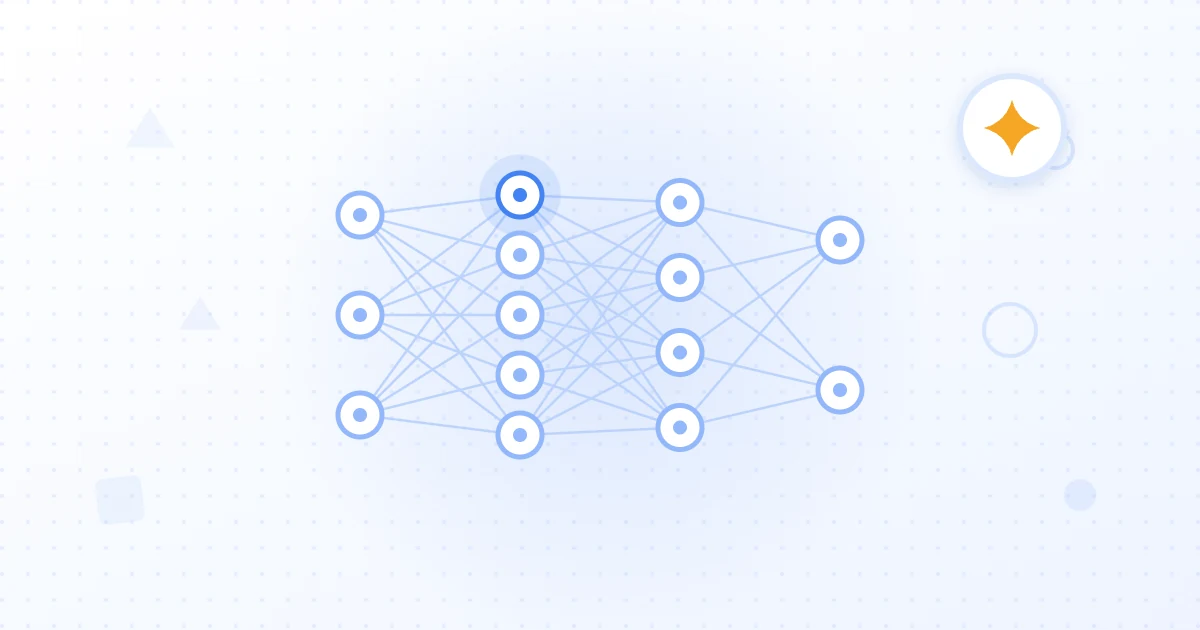
BERT היא טכניקת רשת נוירונים לעיבוד שפה טבעית ש-Google הציגה בחיפוש באוקטובר 2019. ראשי התיבות של Bidirectional Encoder Representations from Transformers, היא מסייעת למנוע להבין את ההקשר המלא של מילים בשאילתה על ידי התחשבות במילים שבאות לפני ואחרי כל מילה. בהשקה, Google אמרה שהיא תשפר אחד מכל עשרה חיפושים באנגלית בארצות הברית, הקפיצה הגדולה ביותר בהבנת השפה שלה מאז RankBrain.
BERT אינו עונש בדירוג או התאמה שניתן לתמרן. זהו שדרוג הבנה שמאפשר ל-Google לפרש ניסוח מבולגן ושיחתי בדיוק כפי שבן אדם היה עושה. עבור כל מי שכותב תוכן, השינוי הזה מתגמל שפה ברורה וטבעית ומעניש בשקט תחבולות מילות מפתח שמתעלמות מהמשמעות.
BERT הוא שלושה דברים בו-זמנית: רכיב בחיפוש של Google, מסגרת מחקר בקוד פתוח, וכלי כללי לעיבוד שפה טבעית. Google הפכה אותו לקוד פתוח ב-2018 ושילבה אותו בחיפוש בשנה שלאחר מכן. תפקידו הוא למדל כיצד מילים קשורות זו לזו בתוך משפט, כך שהמנוע יוכל לקרוא שאילתה כמחשבה מחוברת ולא כשקית מילות מפתח.
הפריצה היא הבנה הקשרית. מערכות קודמות נהגו להתייחס לכל מילה בבידוד או לסרוק טקסט בכיוון אחד בלבד. BERT מעבד מילה ביחס לכל מילה אחרת סביבה, מה שמאפשר לו לפענח משמעות דו-משמעית, לפתור כינויים ולזהות מתי מילה קטנה כמו מילת יחס משנה הכול לגבי בקשה.
ה-B ב-BERT מייצג דו-כיווני (bidirectional). מודלים ישנים יותר כמו Word2Vec קראו טקסט בכיוון אחד, משמאל לימין או מימין לשמאל, דרך חלון מוגבל. BERT קורא את כל המשפט משני הצדדים של מילה בו-זמנית, ומעניק לו תחושת הקשר עשירה הרבה יותר. זהו הרעיון החשוב ביותר מאחורי הדיוק שלו.
ה-T מייצג טרנספורמרים, הארכיטקטורת טרנספורמר שמניעה את רוב מודלי השפה המודרניים. BERT מאומן בשיטה הנקראת מידול שפה ממוסך: הוא מסתיר מילים מסוימות ולומד לחזות אותן מהטקסט שסביבן, מה שמכריח אותו לבנות מודל עמוק של אופן ההרכבה של השפה. אימון מקדים זה, סוג של למידת מכונה, הוא מה שמעניק ל-BERT את תפיסתו הכללית של המשמעות.
Google המחישה את BERT בעזרת שתי שאילתות מפורסמות כיום. בחיפוש 2019 brazil traveler to usa need a visa, המערכת הישנה החמיצה את המילה to והחזירה עמודים על אזרחי ארצות הברית הנוסעים לברזיל. BERT זיהתה שמילת היחס הופכת את המשמעות והציגה את המידע הנכון עבור ברזילאי שנוסע לאמריקה.
הדוגמה השנייה כללה parking on a hill with no curb. בעבר Google הסתמכה על המילה curb והתעלמה מ-no, והחזירה את ההפך ממה שהמחפש רצה. BERT טיפלה נכון בשלילה. שני המקרים ממחישים את חוזקה בשאילתות ארוכות ושיחתיות יותר, ובחיפושים שבהם מילות יחס כמו for ו-to נושאות את המשמעות.
BERT היה השינוי הגדול ביותר בחיפוש מאז RankBrain הושק כחמש שנים קודם לכן, ושני האלגוריתמים פועלים יחד ולא מתחרים. RankBrain מתאים את האופן שבו Google מפרשת שאילתות ומכוונן תוצאות בהתבסס על התנהגות המשתמש, ולומד דפוסים לאורך זמן. זה היה השימוש המשמעותי הראשון של Google בבינה מלאכותית להבנת חיפוש.
BERT מתמחה יותר. הוא מתמקד במבנה הלשוני של שאילתה, ומפרק כיצד מילים משתלבות ליצירת כוונה. בעוד ש-RankBrain לומד מאינטראקציות על פני חיפושים רבים, BERT מביא הבנת שפה עמוקה לשאילתה הבודדת שלפניו. שניהם חלק ממשפחה גדולה יותר של מערכות שמקדמות את Google לעבר חיפוש סמנטי אמיתי.
BERT פועל הן בצד השאילתה והן בצד התוצאות. הוא מסייע ל-Google לפענח למה המחפש באמת מתכוון, וזה משמעותי במיוחד עבור ניסוח טבעי ומדובר. הוא גם מעצים תוצאות מובלטות (featured snippets) טובות יותר, כאשר Google דיווחה על יישום BERT בכשני תריסר מדינות עם שיפורים ניכרים בשפות כמו קוריאנית, הינדי ופורטוגזית.
מכיוון שהוא משפר את האופן שבו המנוע קורא כוונת חיפוש, BERT נוטה לתגמל עמודים שעונים בבירור על שאלות אמיתיות. הוא הרחיק את החיפוש מהתאמת מילות מפתח מילולית והתקרב להתאמת המשמעות שמאחורי השאילתה, וזו הסיבה שתוכן שמטפל בנושא באופן יסודי מתפקד טוב יותר מתוכן שמלא בביטויים מדויקים.
לא באופן ישיר, וזו בדיוק הנקודה. Google הבהירה שאין דבר לבצע לו אופטימיזציה: BERT הוא מסגרת הבנה, לא מנוף דירוג. ההנחיה הרשמית היא פשוט לכתוב באופן טבעי, מכיוון ש-BERT מסייע ל-Google להבין תוכן שכבר כתוב היטב במקום לתגמל עיצוב מיוחד כלשהו.
בפועל, המשמעות היא התמקדות בבהירות ובצרכי המחפש. עמודים עם תוכן שיחתי כתוב היטב שעונה בכנות על שאלות נוטים להרוויח, בעוד מילוי מילות מפתח ללא הקשר עלול להפסיד. יישור הכתיבה עם שאלות משתמשים אמיתיות, הנתמך על ידי מחקר מילות מפתח ותכנון תוכן קפדני, הוא הדרך האמינה ביותר להישאר בצד הנכון של מערכות הבנת שפה.
עבור SEO, BERT אישרר כיוון ארוך טווח: לכתוב קודם כול עבור בני אדם. הוא הפך את המשמעות, המבנה והבהירות למטבע העובר לסוחר בחיפוש במקום מילות מפתח בהתאמה מדויקת, וחיזק את הערך של תוכן מועיל שמספק כוונה. עמודים דלים או מניפולטיביים הפכו קלים יותר ל-Google לזהות.
עבור אופטימיזציית מנועים גנרטיביים, BERT הוא אב קדמון מוקדם של המערכות שמפעילות כיום חיפוש בינה מלאכותית. אותה הבנה דו-כיוונית מבוססת טרנספורמר עומדת בבסיס מודלי השפה הגדולים מאחורי עוזרים כמו ChatGPT, Perplexity ו-Gemini. תוכן שכתוב בבירור מספיק כדי ש-BERT יבין אותו הוא גם תוכן שמערכות LLM הללו יכולות לפענח, לסמוך עליו ולצטט אותו, מה שהופך שפה טובה ליסוד משותף גם לחיפוש וגם לנראות בבינה מלאכותית.
BERT סימן את הרגע שבו Google למדה לקרוא שאילתה בהקשר, באמצעות טרנספורמרים דו-כיווניים ששוקלים כל מילה מול שכנותיה. הוא שיפר אחד מכל עשרה חיפושים באנגלית בהשקה, חידד תוצאות מובלטות, ודחף את SEO באופן החלטי לעבר כתיבה טבעית מונעת כוונה. אין תחבולה לבצע לו אופטימיזציה, רק המשמעת של מענה בהיר על שאלות אמיתיות.
כדי להעמיק, קשרו זאת לעיבוד שפה טבעית ולחיפוש סמנטי, והשתמשו בכלי מחקר ותכנון התוכן של Sorank כדי למקד את השאלות שאנשים באמת שואלים. מקורות התייחסות: Google Blog, Search Engine Journal, וSearch Engine Land.

BERT הם ראשי תיבות של Bidirectional Encoder Representations from Transformers. זהו מודל עיבוד שפה טבעית ש-Google משתמשת בו כדי להבין את ההקשר המלא של מילים בשאילתת חיפוש על ידי קריאת המילים שלפני ואחרי כל מילה. זה מסייע ל-Google לפרש חיפושים שיחתיים ודו-משמעיים בדיוק רב יותר מאשר התאמת מילות מפתח.
לא, לא באופן ישיר. Google אמרה ש-BERT הוא מסגרת הבנת שפה, לא גורם דירוג שניתן למקד אליו. הגישה הטובה ביותר היא לכתוב באופן טבעי ולענות בבירור על שאלות משתמשים אמיתיות. BERT פשוט מסייע ל-Google להבין תוכן כתוב היטב, כך שבהירות ורלוונטיות חשובות יותר מכל תחבולה טכנית.
RankBrain מפרש שאילתות ומשפר תוצאות בהתבסס על דפוסי התנהגות משתמשים שנלמדו לאורך זמן, והיה מערכת החיפוש הראשונה של Google המבוססת בעיקר על בינה מלאכותית. BERT מתמקד יותר במבנה הלשוני, ומפרק כיצד מילים משתלבות כדי ליצור משמעות בתוך שאילתה בודדת. הם משלימים זה את זה, כאשר שניהם מקדמים את Google לעבר הבנה סמנטית אמיתית.













.svg)
.svg)


