
העדפות
הפרטיות חשובה לנו, ולכן יש לך אפשרות להשבית סוגים מסוימים של אחסון שייתכן שאינם נחוצים לתפקוד הבסיסי של האתר. חסימת קטגוריות עלולה להשפיע על חווית השימוש שלך באתר. מידע נוסף

הפרטיות חשובה לנו, ולכן יש לך אפשרות להשבית סוגים מסוימים של אחסון שייתכן שאינם נחוצים לתפקוד הבסיסי של האתר. חסימת קטגוריות עלולה להשפיע על חווית השימוש שלך באתר. מידע נוסף
הפכו את התוכן שלכם ב-Squidex לגלוי ל-Google ולחיפוש AI. עצבו סכמות, חשפו שדות נקיים דרך ה-REST וה-GraphQL APIs, הוסיפו JSON-LD ו-llms.txt כדי ש-ChatGPT, Perplexity, Claude ו-Gemini יצטטו את הדפים ש-frontend שלכם מציג.
.webp)
.webp)





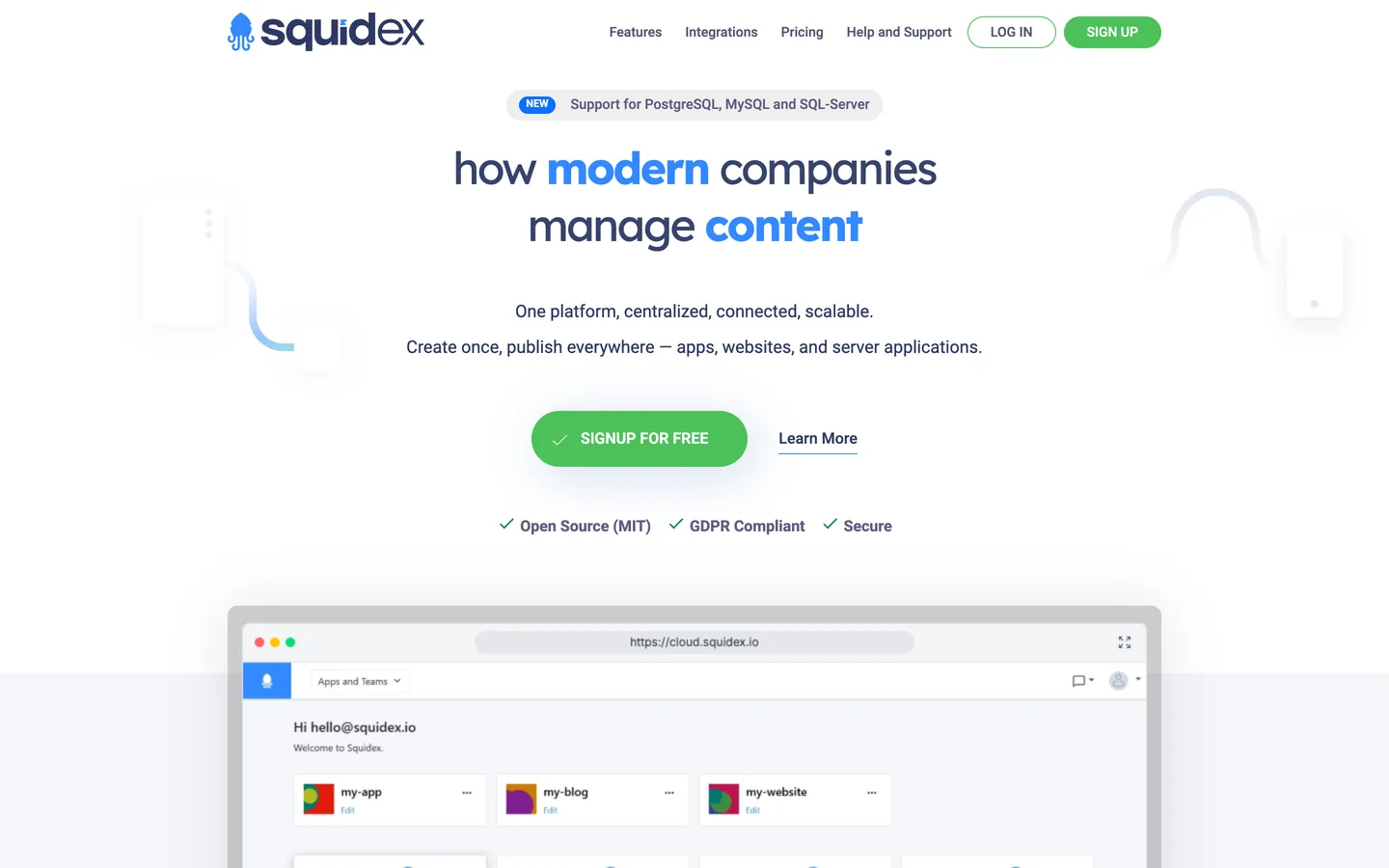


רוצים שהתוכן שאתם מנהלים ב-Squidex יופיע בתוך תשובות AI, ולא רק בתוצאות חיפוש קלאסיות? Squidex הוא headless CMS בקוד פתוח, API-first, הבנוי על .NET: אתם מגדירים סכמות, ממלאים תוכן מובנה, ומגישים אותו דרך REST API לכל סכמה ונקודת קצה GraphQL לכל frontend שתבחרו. הפרדה נקייה זו בין תוכן להצגה היא בסיס חזק ל-generative engine optimization (GEO). התחילו עם geo seo audit בסיסי ועקבו אחר כל הישג ב-geo seo dashboard חי. המדריך הזה מראה כיצד לעצב, להציג ולתייג תוכן Squidex כך ש-Google ועוזרים כמו ChatGPT, Perplexity, Claude ו-Gemini יבינו, יסמכו ויצטטו את הדפים שלכם.
SEO קלאסי עדיין מניע תנועה, וכיום עוזרים מסכמים את הרשת ומציגים רשימה קצרה של מקורות מצוטטים. Generative Engine Optimization היא הפרקטיקה של להפוך לאחד המקורות הללו. Squidex מסייע כי התוכן חי כשדות מובנים ומוקלדים ולא כ-markup מסובך: מאמר יחיד קיים פעם אחת ומזין את הרשת, האפליקציה ואת פני העוזרים דרך ה-API. כאשר ה-frontend שלכם מציג את התוכן כ-HTML נקי ואתם חושפים שדות מדויקים, המודלים ממפים את הנושאים, המוצרים והמומחיות שלכם בביטחון.
התחילו עם benchmark. שאלו את העוזרים המובילים את השאלות האמיתיות שהקהל שלכם שואל, ואז תעדו האם אתם מצוטטים, אילו URLs מופיעים ואיך המתחרים ממוסגרים. עקבו אחר ציטוטי מותג עם ai mention tracking, בחנו את ההפניות שאתם צוברים דרך ai cited backlinks, והריצו geo seo audit בסיסי כדי למפות את היישויות שכבר משויכות למותג שלכם.
ב-GEO, כוונת המשתמש מגיעה כ-prompts. אספו את הניסוח המדויק שאנשים משתמשים בצ'אט, בקול ובסוכנים, ואז קבצו לפי משימה: ללמוד, להשוות, ליישם ולפתור. הרחיבו כיסוי עם query fan-out tool ותעדפו נושאים עם keyword research. עבור כל קבוצה, בחרו דף קנוני אחד להיות מצוטט, והפכו אותו לתמציתי, בר-ציטוט ונתמך בראיות מפורשות.
התייחסו לסכמות Squidex כאל עמוד השדרה של היישויות שלכם. צרו סכמות ל-Articles, Guides, Products, FAQs, Authors ו-Glossary, ותנו לכל אחת שדות מוקלדים: title, slug, summary, body, image, published date, author reference ו-tags. מפו את השדות הללו למאפייני schema.org כמו name, description, image, datePublished, author ו-sameAs. Squidex תומך בהפניות בין סכמות, כך שאתם מקשרים מאמר למחבר ולנושא שלו בנקיות, מה ששומר את היישויות שלכם עקביות על פני כל הפנים.
Squidex מספק תוכן דרך APIs; ה-frontend שלכם מציג אותו. בחרו server-side rendering או static generation כך שהדפים שאתם רוצים שיצוטטו יחזירו HTML מלא בבקשה הראשונה, ללא client-side hydration. משכו תוכן עם REST API או GraphQL, הציגו titles, headings ו-body ב-markup סמנטי, וודאו שהטקסט המלא מופיע ב-source הגולמי של הדף. Squidex מגיש תמונות דרך צינור הנכסים שלו עם resizing, מה ששומר את הדפים מהירים.
הוסיפו שדות סכמה עבור ה-SEO title, meta description ו-canonical URL, ואז הציגו אותם ב-head של ה-frontend. שמרו על URLs נקיים ונושאי מילת מפתח דרך ה-routing שלכם. יישמו כללי meta robots כדי לשמור דפים דקים או כפולים מחוץ לאינדקס, וקבעו תגי Open Graph ו-Twitter מאותם שדות כך שתצוגות הרשתות החברתיות יתאימו לכוונת הדף ולתוכן העיקרי. מכיוון שהערכים חיים בתוכן מובנה, הם נשארים עקביים על פני builds.
הפיקו JSON-LD ב-frontend שלכם משדות Squidex. השתמשו ב-Article בשילוב WebPage ו-BreadcrumbList לדפי תוכן, Product עם offers לדפי מוצר, HowTo למדריכים ו-FAQPage לבלוקים של שאלות. הוסיפו בלוק Organization כלל-אתרי עם logo, contactPoint, foundingDate וקישורי sameAs לפרופילים המאומתים שלכם. מכיוון שהנתונים מגיעים ישירות משדות מוקלדים, הנתונים המובנים שלכם נשארים מדויקים ומלאים בכל render.
פתחו כל מאמר בסיכום של שני משפטים שפותר את השאילתה, ואז הרחיבו עם מתאר בר-סריקה. הוסיפו בלוקים מפורשים של שאלה ותשובה שמשקפים prompts אמיתיים, ושמרו כל תשובה בין 50 ל-120 מילים. עבור תהליכים, פרטו materials, steps ו-time בפורמט HowTo. האיצו את הפקת הטיוטות הבנות-ציטוט הללו עם blog article generator, ואז עדנו כל רשומה בעורך Squidex.
הפיקו sitemap.xml מהתוכן שפרסמתם ושלחו אותו ב-Google Search Console. ב-robots.txt, אפשרו את הנתיבים המכילים תוכן בר-ציטוט ואסרו רעש. הוסיפו קובץ llms.txt ב-root כדי לאותת על כללי סריקה מועדפים לסוכני AI, ה-URLs בעדיפות שאתם רוצים שיצוטטו ותנאי השימוש החוזר שלכם. מכיוון ש-Squidex חושף content API, אתם יכולים לבנות את הקבצים הללו אוטומטית מאותם נתונים שמניעים את הדפים שלכם.
בנו hubs נושאיים המקבצים דפים קשורים ומגדירים את התשובות הקנוניות שלכם. השתמשו ב-breadcrumbs כדי לבטא היררכיה והוסיפו קישורים תוך-שורתיים הקשריים עם anchors תיאוריים, שהואצו עם topical cluster generator. הפניות Squidex הופכות את הקשרים הללו למפורשים במודל הנתונים שלכם. אם חלקים אחרים ב-stack רצים במקום אחר, יישמו את אותם עקרונות על אחים headless כמו strapi, directus ו-contentful.
GEO עדיין נשען על סמכות. השיגו ציטוטים מפרסומים אמינים, מחקר מקורי והקהילות שהקהל שלכם סומך עליהן. פרסמו תחת מחברים מזוהים בשם עם ביוגרפיות אמיתיות המאוחסנות כסכמת Authors, הראו אישורים ושמרו על דף About שמצהיר מי אתם ולמה אתם אמינים, מה שמחזק E-E-A-T. עקבו אחר התקדמות עם domain authority tracker וחקרו את סיקור המתחרים עם seo competitor spy.
Squidex חושף API ציבורי עם נקודת קצה REST לכל סכמה ליצירת תוכן, כך ש-Sorank מתחבר דרך גשר webhook של Make.com: כל מאמר ש-Sorank מפיק נשלח לתרחיש Make.com, ו-Make מפרסם אותו ל-Squidex באמצעות מודול HTTP גנרי המבצע post לנקודת הקצה של contents של הסכמה היעד שלכם. אין אפליקציית Make.com ייעודית, וה-webhook יחד עם ה-HTTP הגנרי הופכים את הפרסום לאוטומטי מקצה לקצה. מפו את שדות Sorank לסכמה שלכם, אמתו עם client, והפיקו טיוטות מותאמות במהירות עם blog article generator.
עקבו אחר אילו prompts מפעילים את המותג שלכם, אילו דפים מצוטטים והיכן המתחרים זוכים בתשובה. השוו עמדות עם keyword research, צפו במעמד שלכם ב-geo leaderboard, וייחסו המרות מעוזרים עם דפי נחיתה מתויגים ו-UTMs ייחודיים.
Squidex נותן לכם תוכן מובנה, API-first; GEO נותן לכם את האסטרטגיה להיות מצוטטים. כאשר הסכמות שלכם נושאות שדות מוקלדים, ה-frontend שלכם פולט HTML מלא, והדפים שלכם נושאים JSON-LD ותשובות בנות-ציטוט, העוזרים מצטטים אתכם בביטחון. עצבו סכמות נקיות, הציגו server-side, הוסיפו JSON-LD ופרסמו דרך ה-API, ואז תנו ל-Sorank להניע audits, תוכן וקישורים.

Squidex מבצע היטב עבור GEO מכיוון שהוא headless CMS API-first: התוכן חי כשדות מוקלדים בסכמות ומוגש דרך REST API לכל סכמה ו-GraphQL לכל frontend. הציגו את התוכן server-side או כדפים סטטיים כך שיחזיר HTML מלא לסורקים בבקשה הראשונה. מפו שדות למאפייני schema.org, הפיקו מהם JSON-LD, והשתמשו בהפניות כדי לקשר מאמרים, מחברים ונושאים בנקיות. הוסיפו canonical URLs נקיים, sitemap מופק וקובץ llms.txt כך שעוזרים כמו ChatGPT, Perplexity, Claude ו-Gemini יוכלו להגיע ולצטט את הדפים שלכם בביטחון.
כתבו תוכן answer-first הממופה ל-prompts אמיתיים. פתחו כל רשומה בסיכום של שני משפטים, אחר כך מתאר בר-סריקה, ושמרו פסקאות מתחת ל-120 מילים. השתמשו בהיררכיית כותרות מחמירה, בלוקי FAQ מפורשים עם תשובות של 50 עד 120 מילים ומקטע facts ברור. עגנו כל טענה למקור והפיקו JSON-LD (Article, FAQPage, HowTo, Organization) משדות Squidex שלכם ב-frontend. בנו hubs שמקשרים דפים קשורים עם anchors תיאוריים, ממודלים כהפניות בין סכמות, מה שמאותת על עומק נושאי שהמודלים מזהים כסמכותי ומצטטים.
Squidex חושף API ציבורי עם נקודת קצה REST לכל סכמה ליצירת תוכן, כך ש-Sorank מתחבר דרך גשר webhook של Make.com ולא דרך מחבר native. כל מאמר ש-Sorank מפיק נשלח לתרחיש Make.com, ו-Make מפרסם אותו ל-Squidex עם מודול HTTP גנרי המבצע post לנקודת הקצה של contents של הסכמה היעד שלכם. אין אפליקציית Make.com ייעודית, וה-webhook יחד עם ה-HTTP הגנרי הופכים את הפרסום לאוטומטי מקצה לקצה. מפו שדות Sorank לסכמה שלכם ואמתו עם client קודם. מעבר לפרסום, Sorank מריץ GEO ו-SEO audits, עוקב אחר אזכורי AI ב-ChatGPT, Perplexity ו-Gemini, מנטר מתחרים ומציע אופטימיזציות מ-dashboard אחד.










.svg)
.svg)