
העדפות
הפרטיות חשובה לנו, ולכן יש לך אפשרות להשבית סוגים מסוימים של אחסון שייתכן שאינם נחוצים לתפקוד הבסיסי של האתר. חסימת קטגוריות עלולה להשפיע על חווית השימוש שלך באתר. מידע נוסף

הפרטיות חשובה לנו, ולכן יש לך אפשרות להשבית סוגים מסוימים של אחסון שייתכן שאינם נחוצים לתפקוד הבסיסי של האתר. חסימת קטגוריות עלולה להשפיע על חווית השימוש שלך באתר. מידע נוסף
הפוך את חנות Ecwid שלך לגלויה ל-Google ולחיפוש AI. השתמש ב-Instant Site, ב-SEO של דף המארח, ב-JSON-LD וב-llms.txt כדי ש-ChatGPT, Perplexity, Claude ו-Gemini יצטטו את המוצרים והמותג שלך.
.webp)
.webp)





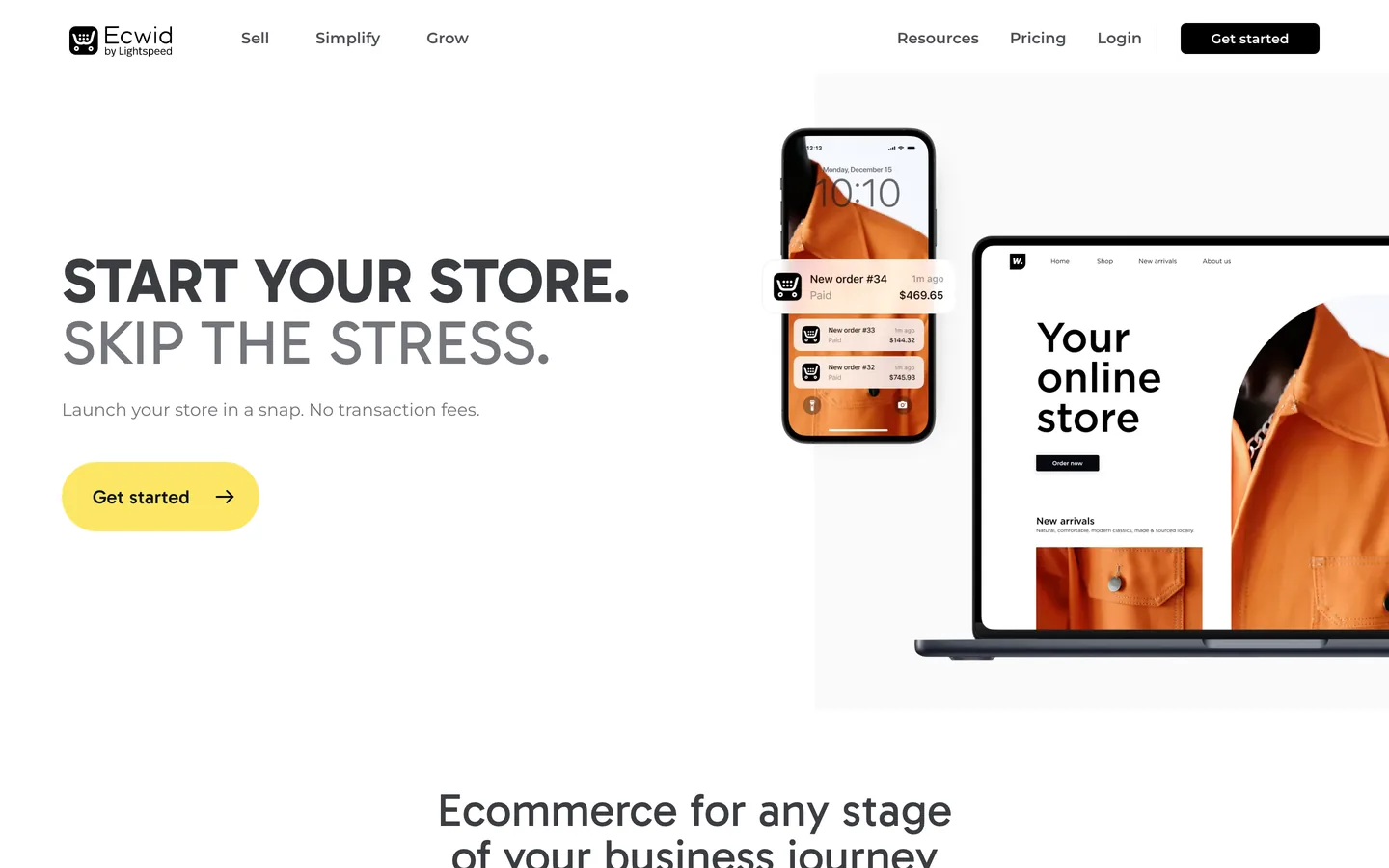


Ecwid היא החנות שאתה משבץ בכל מקום: ווידג'ט JavaScript שמכניס קטלוג מלא לאתר קיים, לפרופיל חברתי, או ל-Instant Site חד-דפי משלה. הניידות הזו מעצבת את כל גישת ה-generative engine optimization (GEO), כי הדרך בה המוצרים שלך מופיעים לסורקים תלויה בדף שמארח את הווידג'ט. GEO הוא המימוש של להיות מקור שעוזרי AI מצטטים, וקטלוג נקי בתוספת דף מארח שניתן לסריקה נותנים למודלים את העובדות לצטט. התחל עם geo seo audit בסיסי ועקוב אחר כל התקדמות ב-geo seo dashboard חי. המדריך הזה מראה איך לבנות, לרנדר ולסמן Ecwid כך ש-Google ועוזרים כמו ChatGPT, Perplexity, Claude ו-Gemini יבינו, יסמכו ויצטטו את החנות שלך.
חיפוש קלאסי עדיין שולח קונים למוצרים שלך, וכעת עוזרי AI קוראים את הרשת, מסכמים אותה ומוסרים לקונים רשימה קצרה של מקורות מומלצים. Generative Engine Optimization היא העבודה של להפוך למקור מצוטט. Ecwid שומרת קטלוג מרכזי יחיד שמסתנכרן לכל מקום שאתה מוכר בו, כך שכל מוצר הוא ישות מובנית אחת ללא קשר לכמה מקומות הוא מופיע. כשאתה נותן לישות הזו דף מוצר נקי וניתן לסריקה עם עותק ו-schema ברורים, מודלים מזהים מה אתה מוכר ומצטטים אותך כשקונה שואל על אפשרויות.
התחל עם קו בסיס. שאל את העוזרים המובילים את שאלות הקנייה שהלקוחות שלך שואלים, ותעד האם החנות שלך מצוטטת, אילו כתובות URL מופיעות ואיך מתוארות חנויות מתחרות. עקוב אחר אזכורי מותג עם ai mention tracking, בחן את המקורות שאתה זוכה בהם דרך ai cited backlinks, והרץ geo seo audit בסיסי כדי למפות את הישויות המקושרות כבר למותג שלך. הביקורת גם מאשרת האם דפי המוצר שלך מרונדרים בצד השרת וניתנים לגישה על ידי סורקים, וזו השאלה המרכזית לחנות משובצת.
ב-GEO, הכוונה מגיעה כ-prompts. אסוף את הניסוח המדויק שקונים משתמשים בו בצ'אט ובקול, ואז קבץ אותו לפי משימה: לגלות, להשוות, לבחור ולקנות. הרחב כיסוי עם query fan-out tool ודרג נושאים לפי ביקוש עם keyword research. עבור כל אשכול, בחר דף אחד שיזכה בציטוט, בדרך כלל דף מוצר או דף נחיתה של קטגוריה, וודא שהעותק שלו תמציתי, ספציפי ומגובה בראיות ברורות כדי שעוזר יוכל לצטט אותו ישירות.
התייחס לקטלוג Ecwid כעמוד השדרה של החנות. תן לכל מוצר שם מדויק, תיאור אמיתי ושדות מלאים כמו מותג, מאפיינים ומחיר, וקבץ מוצרים לקטגוריות ברורות. Ecwid מייצרת דפי מוצר וקטגוריה ייעודיים הניתנים לאינדקס עם כתובות URL נקיות; אפשר את כתובות ה-URL הידידותיות ל-SEO כך שלכל ישות תהיה כתובת יציבה לציטוט. מפה את השדות הללו למאפייני schema.org כמו name, description, image, brand ו-offers כך שעוזרים יקראו את הקטלוג שלך כעובדות מובנות ולא כווידג'ט מונע סקריפט.
איך Ecwid מרונדרת תלוי במקום שבו היא נמצאת. ב-Instant Site המובנה, מוצרים מקבלים דפים אמיתיים וניתנים לסריקה מהקופסה. כשאתה משבץ את הווידג'ט באתר אחר, ודא שדף המארח מהיר, ידידותי למובייל, וחושף תוכן מוצר כ-HTML קריא ולא רק בתוך סקריפט. שמור על כותרת ברורה אחת לדף, חבר דומיין מותאם, וודא שסורקי Google ו-AI יכולים להגיע לכל כתובת URL של מוצר בלי להפעיל JavaScript כבד.
Ecwid מאפשרת לך להגדיר כותרות SEO ו-meta descriptions לכל מוצר וקטגוריה, בתוספת ברירות מחדל לכל החנות. כתוב כותרת מדויקת ותיאור שמשפט הפתיחה שלו נקרא כתשובה שמודל יכול להרים: מה המוצר ולמי הוא מתאים. תן לכל מוצר עותק ייחודי במקום תבנית חוזרת, מכיוון שטקסט דק או משוכפל מחליש דירוג וציטוט כאחד. ודא שכותרת התצוגה החברתית, התיאור והתמונה תואמים לכל דף מוצר.
חזק את המשמעות עם JSON-LD. Ecwid מפיקה חלק מנתוני המוצר המובנים באופן אוטומטי, ואתה יכול להרחיב אותם על ידי הוספת JSON-LD בהגדרות החנות או ב-head של דף המארח. השתמש ב-Product עם offers ו-AggregateRating לדפי מוצר, ב-BreadcrumbList לנתיבי קטגוריה וב-FAQPage לבלוקי שאלות. הוסף Organization schema ברמת האתר עם logo, contactPoint, foundingDate וקישורי sameAs לפרופילים המאומתים שלך, כך שעוזרים יקשרו כל דף למותג מהימן אחד וישתמשו בעובדות הללו בביטחון.
צור בלוקי שאלה ותשובה מפורשים שמשקפים prompts אמיתיים: מידות, חומרים, משלוח והחזרות. שמור כל תשובה בין 50 ל-120 מילים, קשר למוצר או קטגוריה רלוונטיים, וצטט מקור חיצוני סמכותי אחד היכן שזה עוזר. עבור מדריכי התקנה או שימוש, פרט חומרים, שלבים וזמן בפורמט HowTo כך שעוזר יוכל להרים תהליך נקי ומלא לקונה ששואל איך משהו עובד.
Ecwid יכולה לייצר sitemap של דפי המוצרים והקטגוריות שלך; ודא שהוא קיים ושלח אותו ב-Google Search Console. באתר מארח, שמור על חוקי robots פתוחים לתיקיות שמחזיקות תוכן לציטוט וסגורים לעגלה וצ'קאאוט. הוסף קובץ llms.txt בשורש הדומיין שמשרת את החנות שלך כדי לאותת על חוקי הסריקה המועדפים לסוכני AI, כתובות ה-URL של המוצר בעדיפות לציטוט ותנאי השימוש החוזר שלך, ולתת לעוזרים מפה ברורה של מה לצטט.
קבץ מוצרים ומדריכים קשורים למוקדי נושא, ואז חבר אותם עם עוגנים מתארים ופירורי לחם שמבטאים היררכיה. מדריך קנייה שמקשר למוצריו, ומוצרים שמקשרים חזרה למדריך, בונים את עומק הנושא שמודלים סומכים עליו. האץ את זה עם topical cluster generator. מכיוון ש-Ecwid חיה לעתים קרובות בתוך אתר אחר, אותם עקרונות חלים על המארח הזה, בין אם הוא רץ על wordpress, wix, או squarespace.
GEO עדיין רץ על סמכות. זכה בציטוטים מעיתונות מקצועית, אתרי ביקורות, marketplaces וקהילות מתמחות, והצג את האנשים והמדיניות שמאחורי החנות עם מחברים בשם, דפי משלוח והחזרות ברורים וביקורות גלויות. אותות E-E-A-T אלה עוזרים לעוזרים להתייחס לחנות שלך כתשובה אמינה. עקוב אחר מעמדך לאורך זמן עם domain authority tracker ותעדף את הקישורים שמזיזים אותו.
Ecwid מתמקדת בקטלוג ובמכירה ואין לה בלוג טבעי לפרסם בו, ולמרות שה-API ואפליקציית Make.com שלה מכסים מוצרים והזמנות, הם לא חושפים endpoint לפוסט בלוג, לכן Sorank מפרסמת דרך הבלוג המנוהל שלה. Sorank מארחת את מאמרי ה-SEO שלך בבלוג מנוהל של Sorank (סאב-דומיין או סאב-פולדר שלך) שאתה מקשר מחנות Ecwid שלך או מאתר המארח שלה, עם קישורים פנימיים מלאים חזרה למוצרים וקטגוריות. אתה מקבל מנוע תוכן אוטומטי לחלוטין הניתן לאינדקס שמניע תנועת חיפוש ו-AI לחנות, בזמן ש-Ecwid מטפלת בקטלוג ובצ'קאאוט בכל מקום שהיא משובצת. הפק טיוטות מותאמות במהירות עם blog article generator, ואז קשר כל מאמר לדף המוצר או הקטגוריה התואם.
עקוב אחר אילו prompts מעלים את המותג שלך, אילו דפים מצוטטים והיכן חנויות יריבות מנצחות. השווה את עצמך עם seo competitor spy, צפה במעמדך ב-geo leaderboard, וייחס ביקורים המונעים על ידי עוזרים עם דפי נחיתה מתויגים ו-UTM ייחודיים כדי שתוכל להוכיח את ההכנסה.
Ecwid נותנת לך חנות ניידת ומחוברת לקטלוג; GEO נותן לך את האסטרטגיה להיות מצוטט. כשהמוצרים שלך מרונדרים כישויות ברורות וניתנות לסריקה עם מטא-דאטה מדויק, נתונים מובנים ותוכן תשובה-קודם, עוזרים מצטטים אותך בביטחון בכל מקום שהווידג'ט חי. אפשר כתובות URL ידידותיות ל-SEO, שמור על דף המארח מהיר, הוסף JSON-LD ותן לבלוג המנוהל של Sorank לשאת את עומס התוכן בזמן ש-Ecwid מוכרת בכל מקום.

Ecwid יכולה להצליח ב-GEO מכיוון שהיא שומרת קטלוג מרכזי אחד שבו כל מוצר הוא ישות מובנית, והיא מייצרת דפי מוצר וקטגוריה ייעודיים הניתנים לאינדקס עם כתובות URL ידידותיות ל-SEO. המפתח הוא רינדור: ב-Instant Site מוצרים מקבלים דפים ניתנים לסריקה מהקופסה, וכשאתה משבץ את הווידג'ט במקום אחר עליך לוודא שדף המארח חושף תוכן מוצר כ-HTML קריא בדומיין מהיר וידידותי למובייל. הגדר כותרות ו-meta descriptions לכל מוצר, הוסף JSON-LD כמו Product ו-Organization, ייצר sitemap והוסף קובץ llms.txt בשורש כך ש-ChatGPT, Perplexity, Claude ו-Gemini יוכלו להגיע ולצטט את המוצרים שלך.
כתוב דפי מוצר תשובה-קודם ממופים ל-prompts אמיתיים של קונים. פתח כל תיאור במשפט אחד שמודל יכול לצטט: מה המוצר ולמי הוא מתאים. שמור על פסקאות קצרות, השתמש בכותרת ברורה והוסף בלוק שאלות ותשובות קומפקטי למידות, חומרים ומשלוח עם תשובות של 50 עד 120 מילים. אפשר כתובות URL ידידותיות ל-SEO, הוסף JSON-LD (Product, FAQPage, Organization) בהגדרות החנות או ב-head של דף המארח, ותן לכל מוצר עותק ייחודי עם alt מתאר לתמונות. מכיוון ש-Ecwid משובצת, ודא שדף המארח מרנדר תוכן מוצר בצד השרת כך שעוזרים יוכלו למפות ולצטט אותו.
Ecwid מתמקדת בקטלוג ובמכירה ואין לה בלוג טבעי לפרסם בו, ולמרות שה-API ואפליקציית Make.com שלה מכסים מוצרים והזמנות, הם לא חושפים endpoint לפוסט בלוג, לכן Sorank מפרסמת דרך הבלוג המנוהל שלה. Sorank מארחת את מאמרי ה-SEO שלך בבלוג מנוהל של Sorank (סאב-דומיין או סאב-פולדר שלך) שאתה מקשר מחנות Ecwid שלך או מאתר המארח שלה, עם קישורים פנימיים מלאים חזרה למוצרים וקטגוריות. מעבר לפרסום, Sorank מריצה ביקורות GEO ו-SEO מותאמות לחנות שלך, עוקבת אחר אזכורי AI ב-ChatGPT, Perplexity ו-Gemini, מנטרת מתחרים וחושפת הזדמנויות תוכן מדשבורד אחד, כך שאתה מקבל בלוג אוטומטי הניתן לאינדקס בלי להיאבק במגבלות Ecwid.










.svg)
.svg)


