
Preferences
Privacy is important to us, so you have the option of disabling certain types of storage that may not be necessary for the basic functioning of the website. Blocking categories may impact your experience on the website. More information

Privacy is important to us, so you have the option of disabling certain types of storage that may not be necessary for the basic functioning of the website. Blocking categories may impact your experience on the website. More information
A practical guide to seo marketing software: compare features, automation, and AI visibility tracking to pick the platform that fits your team and budget.


The global market for these platforms reached around 96 billion dollars this year, and the trajectory keeps climbing. That figure reflects a simple reality: organic search still drives the majority of qualified traffic, yet the tools required to win it have multiplied into hundreds of competing options. Choosing well has never mattered more. To shortcut the comparison, our SEO tools buyer's guide breaks down the leading platforms side by side.
Selecting an SEO marketing platform is no longer about chasing the most features. It is about matching capabilities to your team size, your budget, and the new reality of AI-mediated search. The wrong choice wastes hours every month; the right one compounds visibility for years.
At its core, a piece of seo marketing software exists to make your website easier for search engines and readers to find. It plans, measures, and improves your organic visibility across several connected disciplines.
Most platforms cover four pillars: keyword research, technical auditing, content optimization, and rank tracking. Some specialize in a single pillar and execute it well. Others aim to consolidate everything into one dashboard. According to Precedence Research, the sector is valued at 96.42 billion dollars in 2026 and is expanding at a compound annual rate of 13.26 percent through 2035.
That growth is fueled by the shift toward data-driven marketing decisions. Teams want tools that translate raw search data into clear next actions, not spreadsheets that demand interpretation. If you prefer to test the basics before committing, our SEO tools (calculators & audits) let you check key signals at no cost.

Consider how much manual work traditional SEO demands. Crawling pages, fixing broken links, updating schema, drafting briefs, and chasing backlinks can consume dozens of hours each month. Automation is rewriting that equation.
In 2024, roughly 72 percent of providers introduced automation-based content optimization features, and these reportedly reduced manual workload by about 60 percent in enterprise workflows, per industry research data. The direction is unmistakable: the busywork of SEO is moving into the background.
This is the gap we built our platform to close. Rather than wiring many separate tools into fragile spreadsheets, you connect your site once and let automated audits, keyword discovery, and article publishing run on autopilot. Our system handles technical SEO fixes, including Core Web Vitals, schema, indexation, and broken links, without requiring technical skills from you. You can monitor it all from our SEO dashboard.
Shopping for a platform becomes far easier once you understand the standard categories. Each solves a distinct problem, and many vendors blend several together.
Artificial intelligence is now woven through every one of these categories. Fortune Business Insights notes that AI is transforming the market by processing vast datasets in real time and predicting keyword trends with natural language processing. The practical effect is that single-purpose tools increasingly feel limiting compared with integrated, AI-first suites. For the content piece specifically, teams that would rather delegate drafting and optimization to specialists can review the 10 best content and copywriting agencies in France.
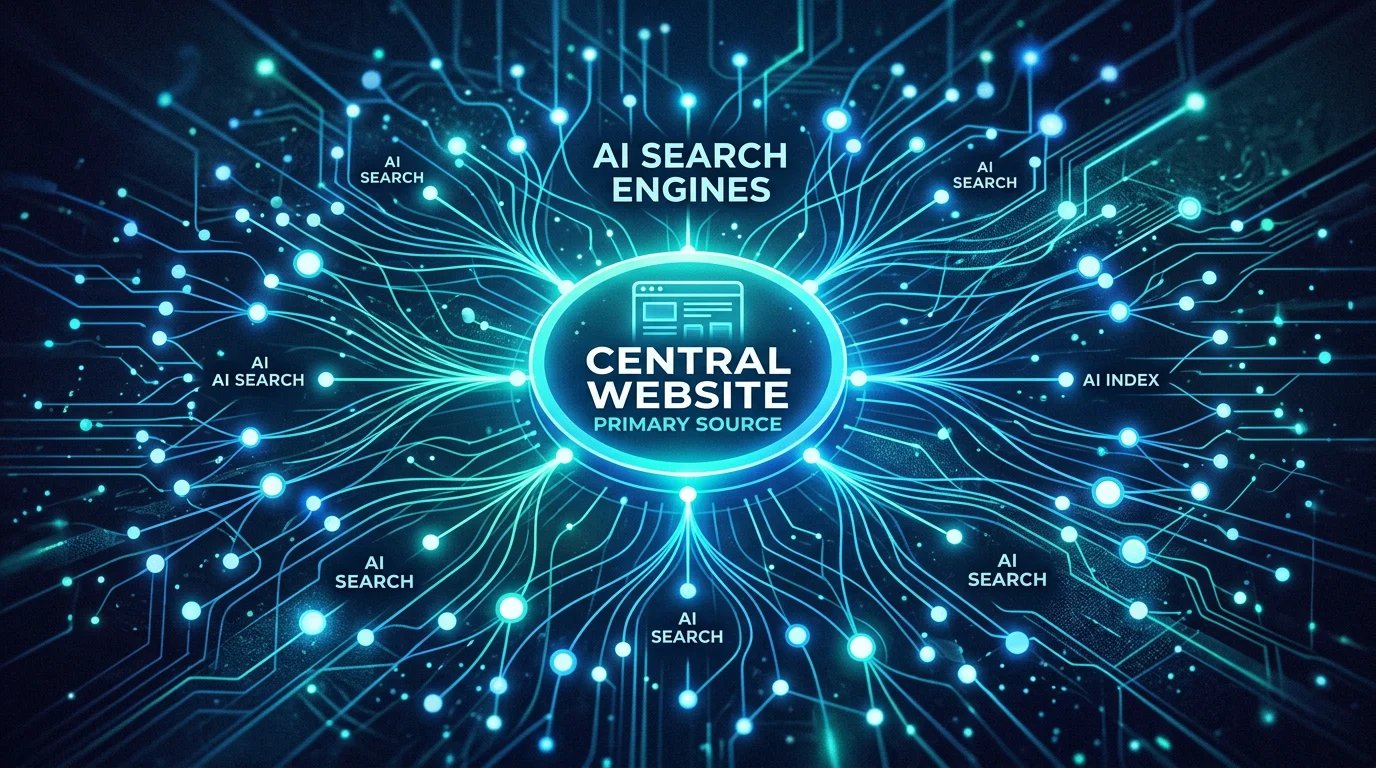
Here is the shift that separates 2026 from prior years. Search no longer means Google alone. Buyers now pose questions to ChatGPT, Perplexity, Gemini, Claude, and Grok, and your brand either appears in those answers or it does not.
This discipline is often called GEO, or generative engine optimization. Traditional rank trackers were never designed to measure it, which leaves a blind spot in most legacy stacks. Being cited by an AI model requires structured content, authoritative signals, and consistent monitoring of how the models reference you.
We treat this as a first-class capability rather than an afterthought. Our platform tracks AI mentions across 300 monitored prompts and benchmarks you against competitors on a GEO Leaderboard. In practice, first AI citations tend to appear within roughly three weeks, while Google traffic typically ramps over two to three months and compounds strongly around month six.
Price alone is a poor filter. A cheap tool that demands 50 hours of management a month is more expensive than it looks, while a premium suite that automates the work can pay for itself quickly. Weigh capability, automation, and total time cost together.
The buying model matters too. Mordor Intelligence reports that retainer and subscription agreements accounted for 61.95 percent of revenue in 2025, and that small and medium enterprises made up 58.40 percent of the services market. In short, accessible subscription tooling is now the mainstream path for growing teams. For teams that would rather hand the entire discipline to a partner instead of running software themselves, the 10 best seo agencies in France compares agencies suited to that model.
The table below compares common approaches against the criteria that matter most for a lean team.
| Approach | Automation | AI visibility tracking | Best for |
|---|---|---|---|
| Our all-in-one platform | Full autopilot audits, publishing, and backlinks | Yes, across 5 AI engines and 300 prompts | Lean teams wanting Google plus AI growth |
| Single-purpose keyword tool | Limited | No | One specific research task |
| Content optimization tool | Partial | Rarely | Editorial teams refining drafts |
| Traditional all-in-one suite | Moderate, manual setup | Add-on, often costly | Specialists who manage tools daily |
If technical depth intimidates you, prioritize a platform that diagnoses and fixes issues for you. You can explore how this works through our automated audits and ongoing monitoring.
Start by clarifying one outcome you need, whether that is more organic traffic, cleaner technical health, or AI citations. Then shortlist platforms that automate that outcome rather than simply reporting on it. A short trial reveals far more than any feature list.
Remember that organic growth compounds. The platform you adopt this quarter shapes your visibility for years, so favor tools that scale with you and reduce manual effort instead of adding to it. Watch how your assets accumulate month over month.
The single most useful benchmark from the data is the 60 percent reduction in manual workload that automation now delivers, because reclaimed hours are what let small teams compete with large ones. Our platform was built precisely to hand that time back to you while growing your visibility on both Google and AI engines. To see your own opportunities, run a free check with our SEO diagnostic software and review the findings today.
Pricing varies widely, from free tiers to enterprise plans of several hundred dollars per month. Subscription models dominate the market, and most growing teams find mid-range platforms with automation deliver the strongest value relative to time saved.
Most traditional tools cannot. This is a newer capability, and our platform monitors mentions across ChatGPT, Perplexity, Gemini, Claude, and Grok using 300 tracked prompts, alongside a GEO Leaderboard that benchmarks you against competitors.
It depends on competition and your starting point. In practice, first AI citations can appear within about three weeks, while Google traffic typically builds over two to three months and compounds more powerfully around month six.
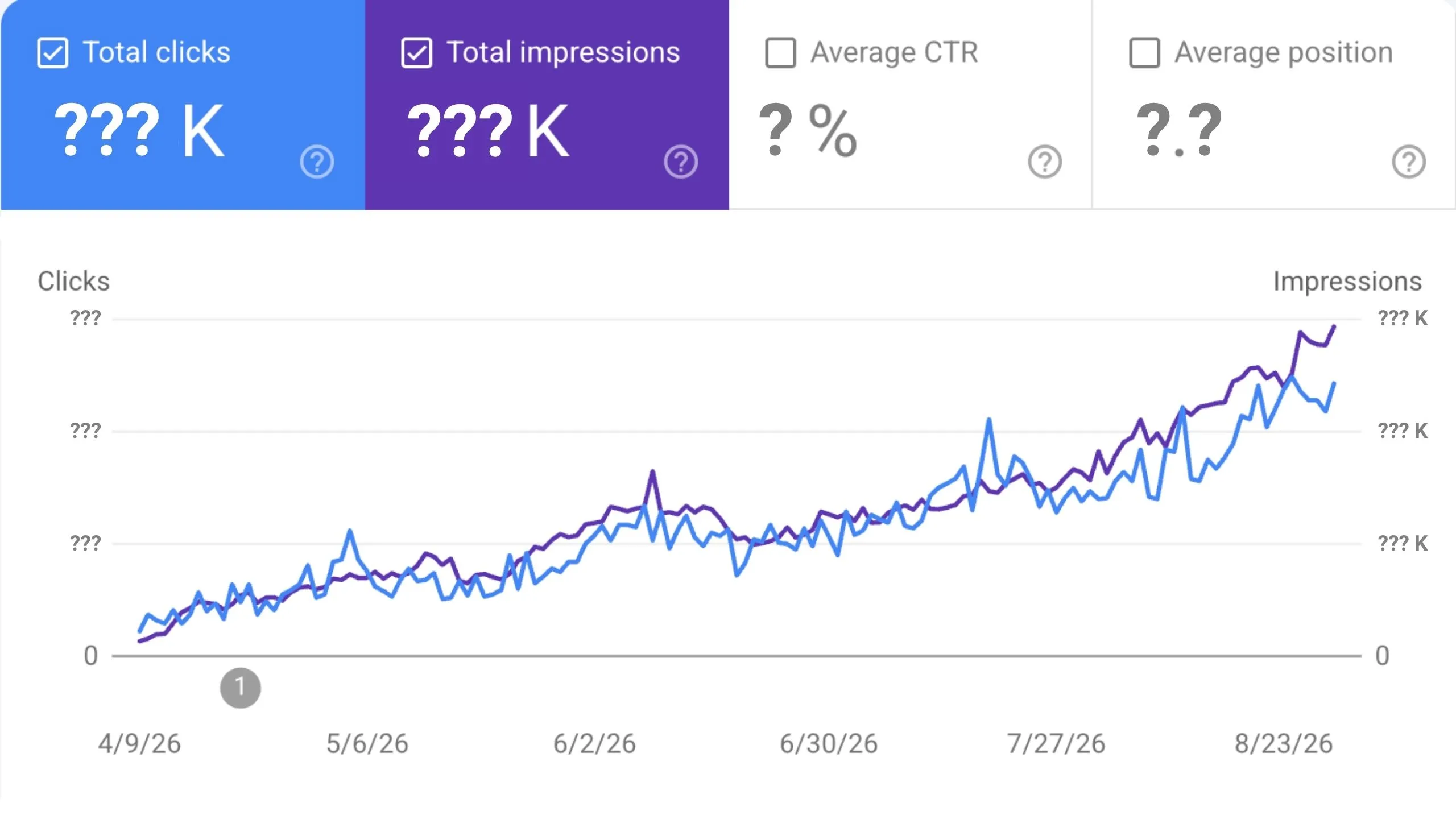
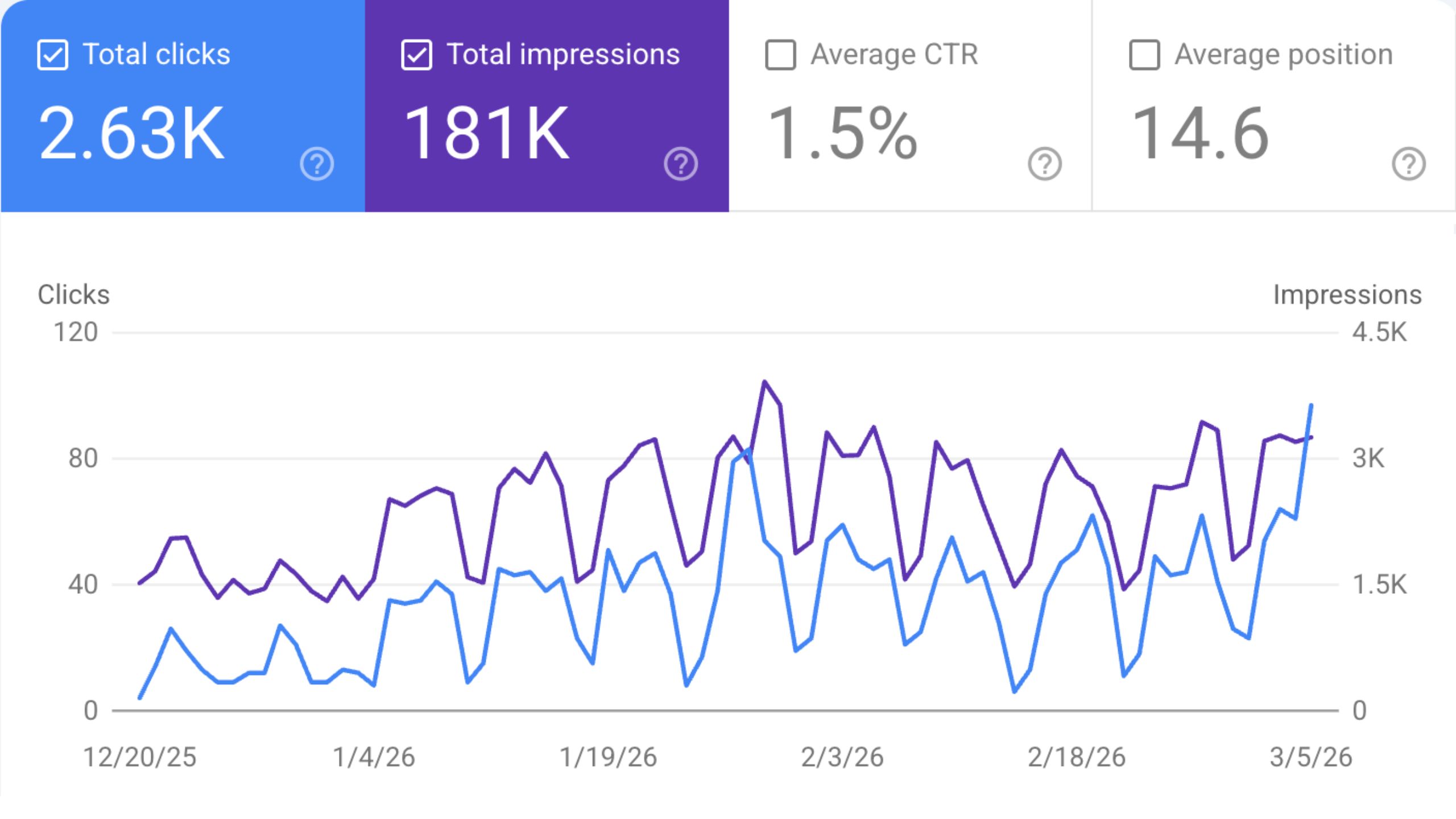
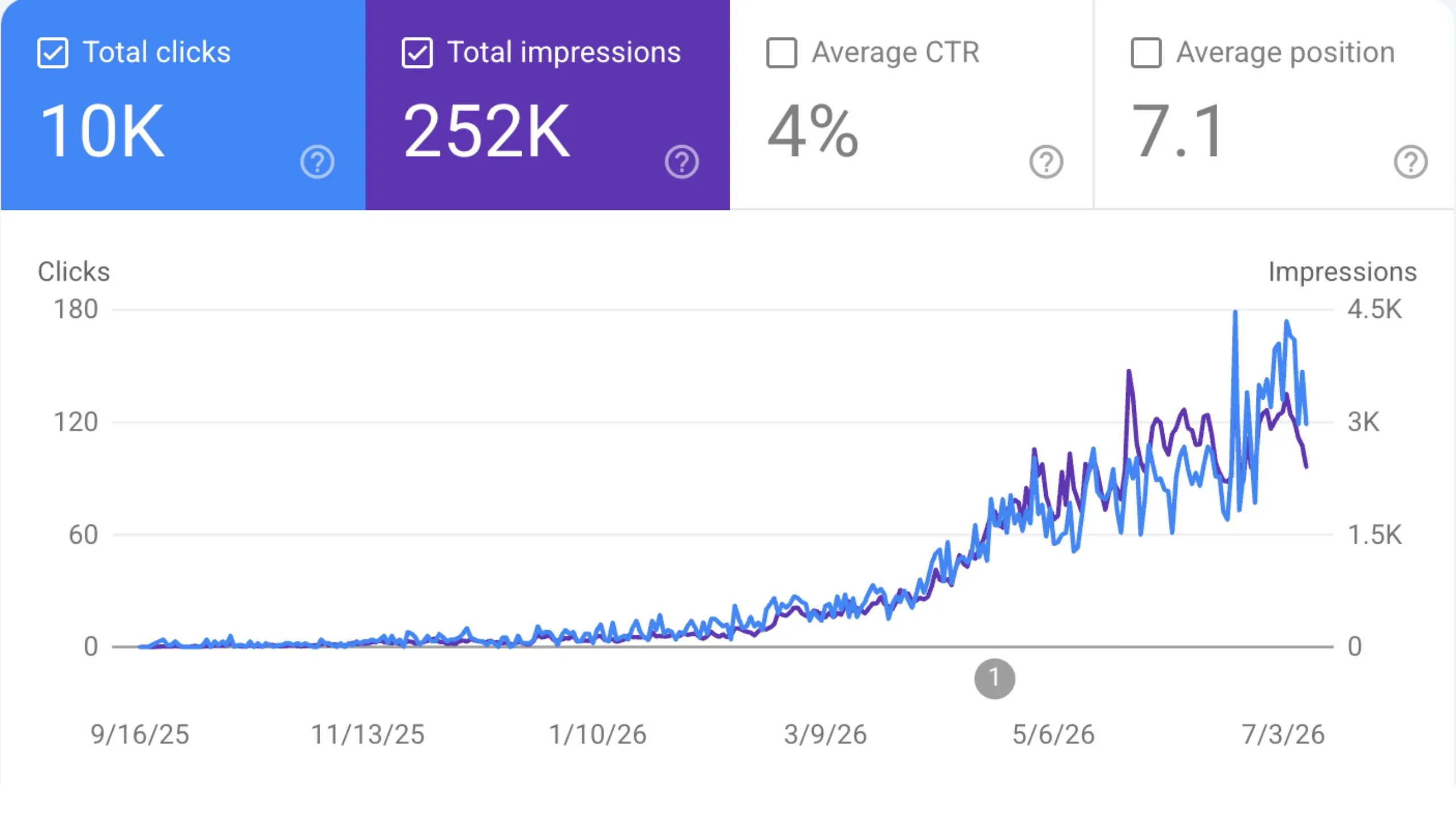
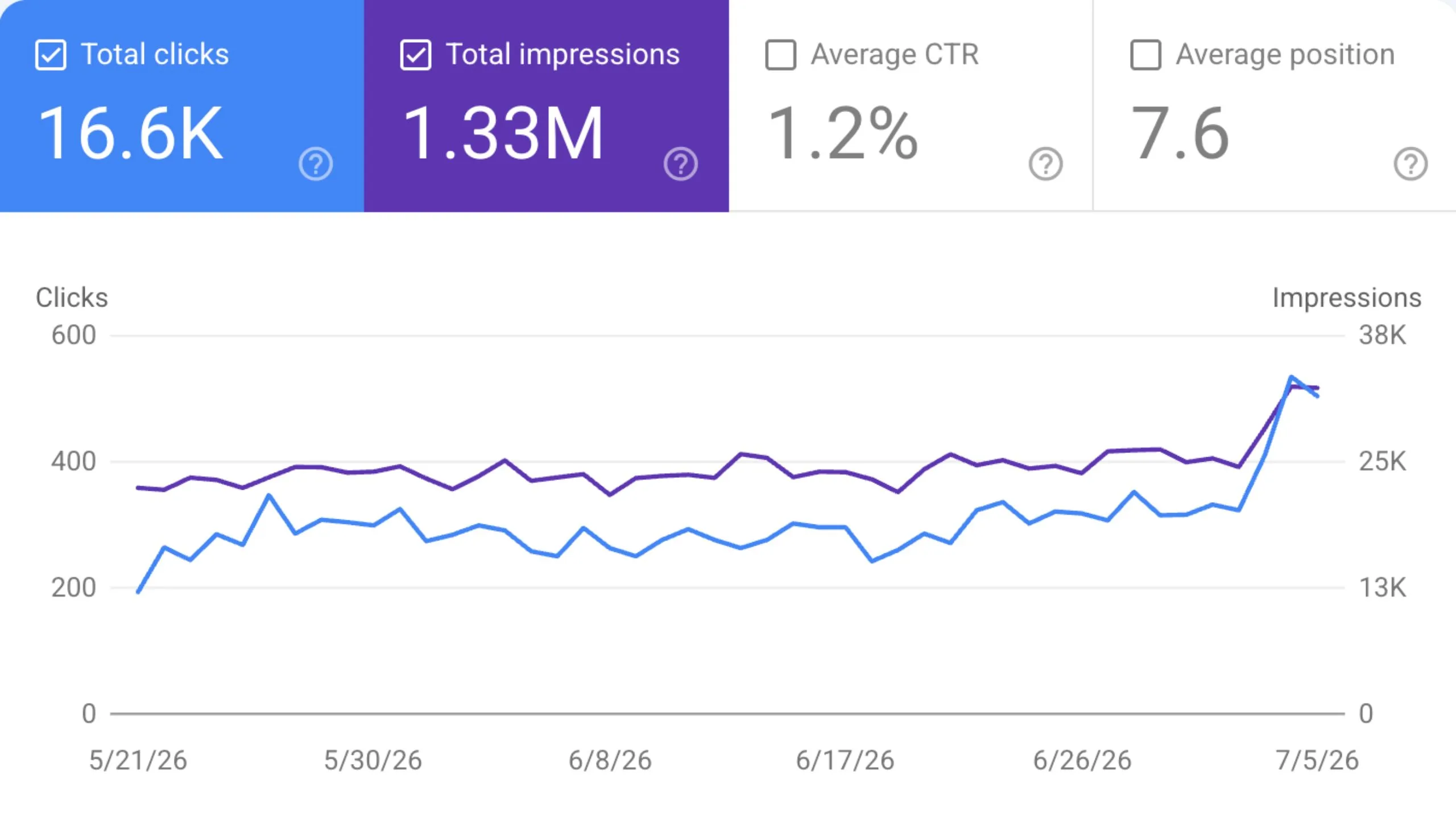
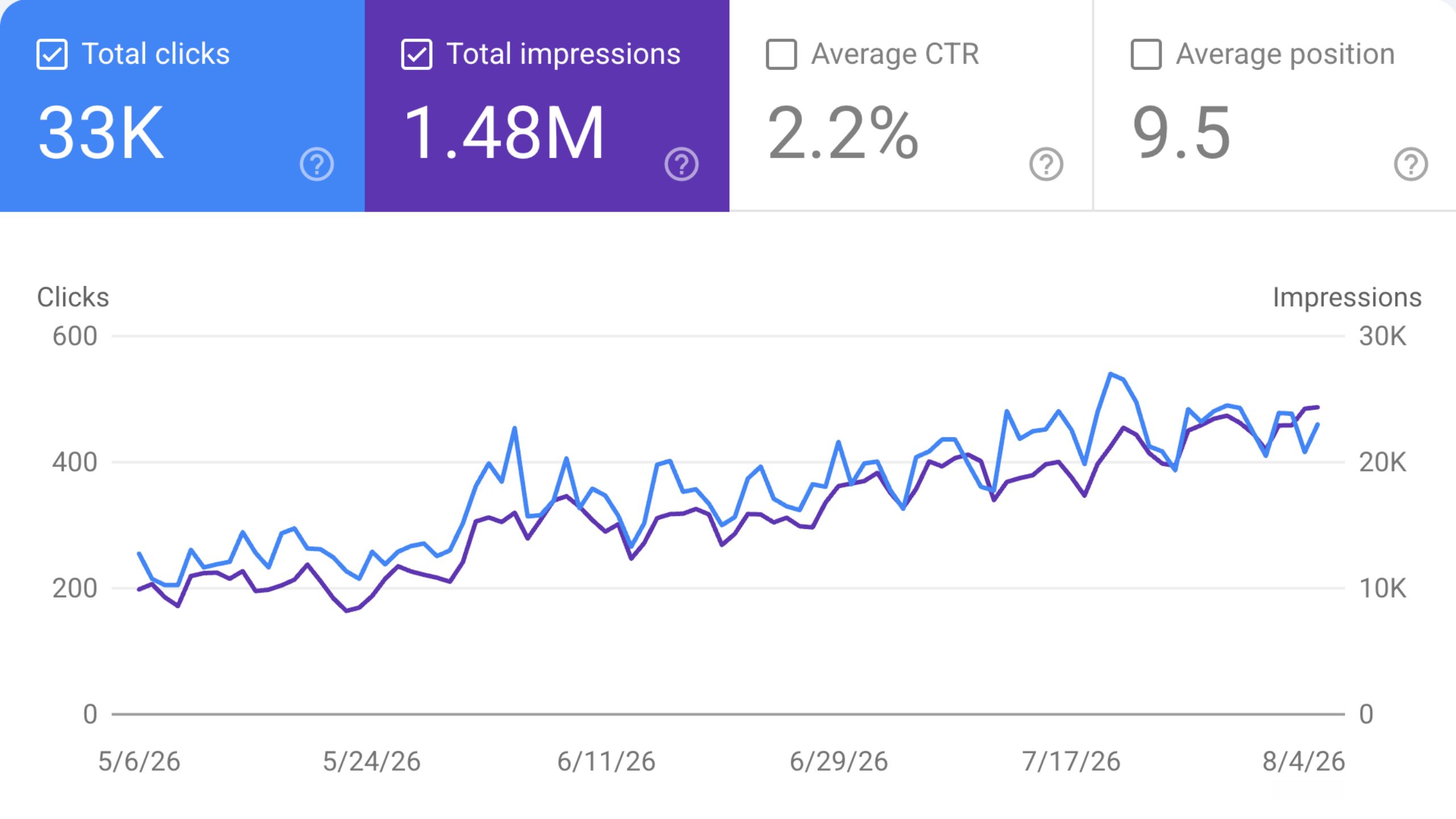
THEY WIN WITH SORANK







.webp)




.webp)
.webp)









.svg)
.svg)