העדפות
הפרטיות חשובה לנו, ולכן יש לך אפשרות להשבית סוגים מסוימים של אחסון שייתכן שאינם נחוצים לתפקוד הבסיסי של האתר. חסימת קטגוריות עלולה להשפיע על חווית השימוש שלך באתר. מידע נוסף

הפרטיות חשובה לנו, ולכן יש לך אפשרות להשבית סוגים מסוימים של אחסון שייתכן שאינם נחוצים לתפקוד הבסיסי של האתר. חסימת קטגוריות עלולה להשפיע על חווית השימוש שלך באתר. מידע נוסף
מודלים לחשיבה חושבים צעד אחר צעד לפני מתן תשובה, תוך שימוש בחישוב בזמן הסקה (test-time compute). למדו כיצד הם פועלים ומדוע הם חשובים ל-GEO ול-SEO.
.webp)
.webp)




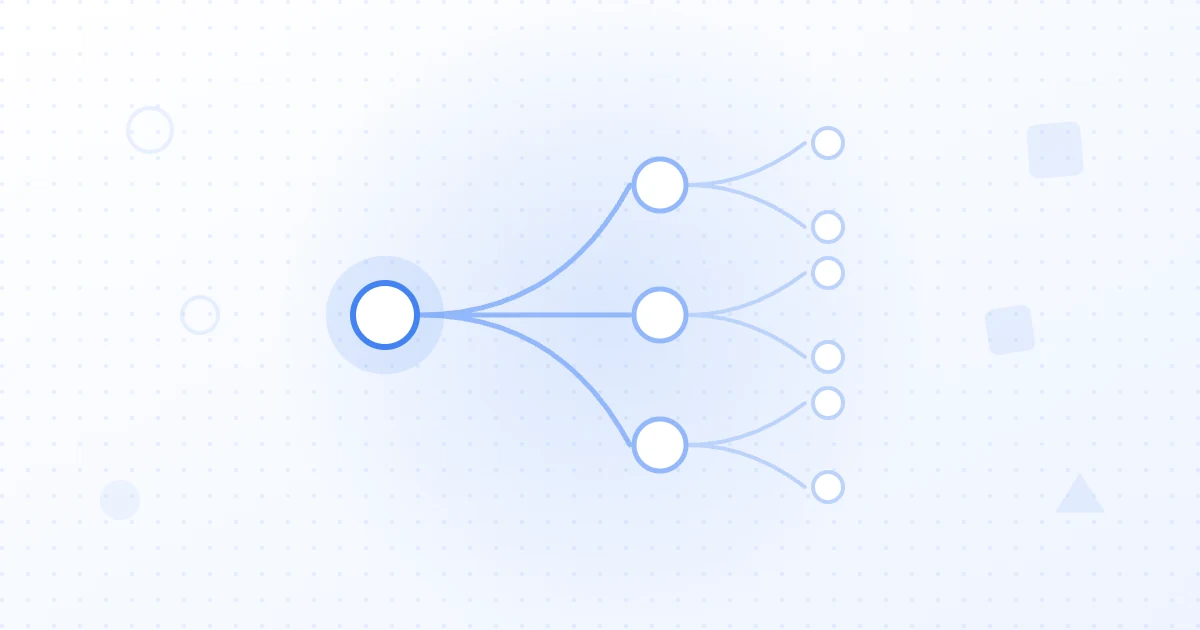
מודלים לחשיבה הם קטגוריה של מודלי שפה גדולים הלומדים כיצד לענות ולא רק מה לענות. במקום להפיק תשובה מיד עם קריאת ההנחיה, הם מייצרים תחילה שרשרת מחשבה פנימית: רצף ארוך של שלבי ביניים שבהם הם מפרקים את הבעיה, מנסים פתרונות, חוזרים אחורה ומאמתים לפני שהם מתחייבים לתשובה סופית. מעבר זה מקריב מעט מהירות תמורת שיפור משמעותי בדיוק בבעיות קשות כמו מתמטיקה, תכנות ולוגיקה רב-שלבית.
הסיבה שזה חשוב למשווקים היא שמודלים לחשיבה נמצאים כיום מאחורי תכונות המחקר המעמיק והתשובות הרב-שלביות בעוזרי AI מובילים. כאשר מודל חושב על שאלה, הוא לעיתים קרובות מריץ שאילתות משנה רבות ושוקל מקורות בקפידה, כך שהשאלה הופכת להיות האם התוכן שלכם ברור, ניתן לאימות וקל לשילוב בתוך תהליך החשיבה הזה, ולא רק האם הוא מדורג עבור מילת מפתח.
מודלים לחשיבה מפרקים בעיה לשלבים קטנים יותר לפני מתן תשובה, כלומר הם לומדים כיצד לענות ולא רק מה לענות. שלבי הביניים הם הסקות מפורשות המפרקות משימה מורכבת, והם הופכים את פתרון הבעיות של המודל לגלוי במקום קופסה שחורה. מודלים כמו OpenAI o1 ו-o3, DeepSeek-R1, Google Gemini ו-Anthropic Claude חושפים כולם גרסה כלשהי של שלב חשיבה זה.
ההתנהגויות שמתגלות נראות דטרמיניסטיות ומכוונות באופן מפתיע. מודל לחשיבה יחפש בין פתרונות אפשריים, ישקף על עבודתו שלו, יחזור אחורה כאשר ניסיון נכשל ויחקור מסלול אחר. DeepSeek-R1, לדוגמה, חולק את תהליך המחשבה שלו בתוך תגיות think, מה שהופך את השרשרת לגלויה וניתנת לניפוי. זהו מצב פעולה שונה מזה של צ'אטבוט שפשוט מתאים דפוסים לתשובה שוטפת.
המנוע של מודל לחשיבה הוא שרשרת המחשבה, הייצוג המפורש של שלבי החשיבה המאפשר למודל להראות את עבודתו לפני הגעה למסקנה. על ידי הפקת השלבים הללו כאסימונים, המודל יכול להחזיק תת-משימות בתצוגה, לנסות פתרונות מרובים ולבדוק תוצאות ביניים, וזו הסיבה ששרשראות ארוכות מתואמות עם תשובות טובות יותר בבעיות מורכבות.
זהו שינוי אמיתי באופן שבו LLM מפיק פלט. מודל רגיל מייצר תגובה אסימון אחר אסימון מיד לאחר ההנחיה. מודל לחשיבה מוסיף שלב חקירה תחילה, ולאחר מכן כותב את התשובה הסופית לאחר שחשב על הבעיה. העלות של שלב זה גדלה עם רמת הקושי: תרגום פשוט עשוי לדרוש רק מאה אסימוני חשיבה, בעוד שהוכחה קשה עשויה לדרוש אלפים רבים.
מודלים לחשיבה מופעלים על ידי חישוב בזמן הסקה, המקצה חישוב נוסף בזמן ההסקה ולא בזמן האימון. הרעיון, המכונה לעיתים חוק הקנה מידה השלישי לצד האימון המקדים והאימון שלאחריו, הוא שמתן אפשרות למודל לחשוב זמן רב יותר במהלך הסקת AI פותח יכולות שמודל גדול יותר אך מהיר יותר אינו יכול להשיג. יותר אסימוני חשיבה, במידה סבירה, מניבים פתרונות מדויקים יותר.
המספרים מרשימים. לפי Introl, DeepSeek-R1 שיפר את הדיוק שלו במבחן AIME מ-15.6 אחוזים ל-71 אחוזים באמצעות חשיבה מורחבת, ומודל בגודל 7 מיליארד פרמטרים עם פי מאה יותר חישוב בזמן הסקה יכול להתחרות במודל בגודל 70 מיליארד פרמטרים הפועל בהסקה סטנדרטית. אותו ניתוח צופה שהביקוש להסקה יעלה על הביקוש לאימון פי 118 עד 2026, סימן לכך שהתחום עבר באופן מכריע לכיוון חשיבה בזמן ריצה.
רוב מודלי החשיבה מעוצבים על ידי למידת חיזוק המותאמת לתוצאות נכונות ולא לחיזוי האסימון הבא. קיימות שתי גישות רחבות: חיפוש מול מאמתים, שבו המערכת דוגמת מועמדים רבים לתשובה ומודל תגמול בוחר את הטוב ביותר, ושינוי התפלגות ההצעות, שבו המודל מאומן באמצעות כוונון עדין או למידת חיזוק כדי להעדיף אסימוני חשיבה באופן טבעי.
תוצאה בולטת היא שחשיבה יכולה להתעורר מלמידת חיזוק טהורה. לפי Zylos, DeepSeek-R1-Zero פיתח באופן ספונטני יכולת רפלקציה עצמית, הסתגלות אסטרטגית ופירוק רב-שלבי ללא דוגמאות חשיבה מתויגות על ידי בני אדם. טכניקות כמו RLHF נותרות חשובות ליישור (alignment) ולתועלתיות, אך יכולת החשיבה עצמה יכולה לצמוח על ידי תגמול פתרונות רב-שלביים נכונים.
ההבדל המעשי הוא שלב החקירה הביניים. מודל רגיל עונה מהר ובאופן שטחי, מה שאידיאלי לאחזור, סיכום ותשובות עובדתיות קצרות. מודל לחשיבה עונה לאט יותר ולעומק, וזה מה שניתוח מורכב דורש. במבחן ARC-AGI-2 לחשיבה מופשטת, מודלים רגילים ניקדו קרוב לאפס בעוד שמערכות חשיבה השיגו תוצאות גבוהות באופן משמעותי, כאשר OpenAI o3 דווח על ידי Zylos ב-45.1 אחוזים.
זו הסיבה שספקים רבים כיום הופכים את החשיבה לניתנת להתאמה. Google מתארת חשיבה דינמית המתאימה את מאמץ החשיבה למורכבות המשימה, ו-Anthropic חושפת תקציבי חשיבה הניתנים לשליטה על ידי מפתחים. המטרה היא להשקיע חשיבה עמוקה רק במקום שבו היא מצדיקה את עצמה, ולחזור להפקה מהירה בכל השאר. הבחנות אלו מתחברות גם למודלי יסוד רחבים יותר המציעים גם גרסאות רגילות וגם גרסאות חשיבה.
מודלים לחשיבה הם המנוע מאחורי מחקר מעמיק והתשובות הרב-שלביות שמתווכות יותר ויותר את תהליך הגילוי. כאשר עוזר חושב על שאלה, הוא מפרק את השאילתה, מריץ מספר חיפושים ושוקל את הראיות לפני הכתיבה, מה שאומר שהתוכן שלכם מתחרה על ציטוט לאורך שלבי חשיבה רבים ולא במיקום דירוג בודד.
זה ממסגר מחדש את האופטימיזציה סביב בהירות ויכולת אימות. תוכן הקובע עובדות בבירור, מבנה מידע כך שמודל יכול לחלץ אותו, ונשאר עקבי לאורך עמודים, קל יותר עבור מודל לחשיבה לסמוך עליו ולעשות בו שימוש חוזר. זהו לב ליבה של אופטימיזציה למנועים גנרטיביים (GEO): להפוך למקור שאליו מודל חושב חוזר כאשר הוא עובד על שאלות המשנה בתוך שאילתה גדולה יותר, ולשלב זאת עם מחקר מילות מפתח ותכנון תוכן ממושמעים כדי לכסות שאלות אלו.
מודלים לחשיבה מצטיינים במקומות שבהם מעבר יחיד אינו מספיק: מתמטיקה תחרותית, הנדסת תוכנה, ניתוח מדעי ותכנון מורכב. Zylos מדווחת ש-o3 מגיע ל-91.9 אחוזים ב-GPQA Diamond וביצועים ברמת זהב בתחרויות מתמטיקה מרכזיות, בעוד ש-DeepSeek-R1 הגיע ל-97.3 אחוזים ב-MATH-500 כמודל קוד פתוח מלא. DeepSeek בפרט הראה שמודלים בקוד פתוח יכולים להתחרות במודלים קנייניים בשבריר מהעלות.
מעבר למבחני הביצועים, מודלים אלו מניעים מחקר אגנטי, יצירת קוד עם אימות ותמיכה מובנית בקבלת החלטות. היכולת שלהם לתכנן ולבדוק את עצמם הופכת אותם לבחירת ברירת המחדל למשימות בעלות סיכון גבוה, גם כאשר מודלים מהירים יותר ממשיכים לטפל בשאילתות שגרתיות.
המגבלה הראשונה היא עלות והשהיה. מודלים לחשיבה יכולים לייצר פי עשר עד פי מאה יותר אסימונים לשאילתה בהשוואה למודלים רגילים, ולכן הם איטיים ויקרים יותר. Introl מציינת שההוצאה על הסקה של OpenAI בשנת 2024 הגיעה לפי חמישה עשר מעלויות האימון שלה, תוצאה ישירה של מודלים החושבים זמן רב יותר בזמן ריצה.
אמינות היא הדאגה השנייה. שרשרת חשיבה ארוכה עדיין יכולה להשתבש, וטעות מוקדמת יכולה להצטבר לתשובה שגויה המובעת בביטחון. חשיבה ארוכה יותר גם אינה תמיד טובה יותר, מכיוון ששרשראות ארוכות מדי עלולות לסטות, וזו הסיבה שתקציבי חשיבה מסתגלים ואימות אנושי נותרים חשובים. יש להתייחס לפלט החשיבה כטיוטה חזקה הניתנת לבדיקה ולא כתוצאה חסינת טעויות.
מודלים לחשיבה הופכים את מתן התשובה לתהליך מכוון ורב-שלבי שבו המודל חושב, חוקר ומאמת לפני שהוא משיב, מופעל על ידי חישוב בזמן הסקה ולא על ידי אימון מקדים גדול יותר ויותר. הם חזקים בהרבה במשימות מורכבות ונמצאים כיום מאחורי תכונות המחקר המעמיק המעצבות את האופן שבו אנשים מגלים מידע.
עבור משווקים, המסקנה היא להפוך את התוכן לברור, מובנה וניתן לאימות כך שמודל חושב יוכל לסמוך עליו ולצטט אותו לאורך תהליך החשיבה שלו. חברו זאת עם שרשרת המחשבה וחישוב בזמן הסקה כדי לראות את התמונה המלאה. מקורות התייחסות: Zylos Research, Introl, ו-Maarten Grootendorst.

מודל שפה רגיל חוזה את האסימון (token) הבא ועונה כמעט מיידית. מודל לחשיבה מייצר תחילה שרשרת מחשבה (chain of thought) פנימית וארוכה, מפרק את הבעיה לשלבים, מנסה גישות שונות ומתקן את עצמו לפני שהוא משיב. החשיבה הנוספת הזו, המשולמת באמצעות חישוב בזמן הסקה (test-time compute), הופכת אותו לחזק בהרבה במתמטיקה, בקוד ובלוגיקה רב-שלבית, במחיר של זמן תגובה ועלות גבוהים יותר.
מודלים לחשיבה מפעילים את יכולות המחקר המעמיק (deep research) והתשובות הרב-שלביות בעוזרים כמו ChatGPT, Gemini ו-Perplexity, ולעיתים קרובות הם מריצים פיצול שאילתות (query fan-out) כדי לאסוף מקורות. מכיוון שהם מפרקים שאלה למספר רב של שאלות משנה, תוכן שעונה על שאלות המשנה הללו בבהירות וניתן לאימות בקלות מוצג ומצוטט לעיתים קרובות יותר. עומק, מבנה ועקביות עובדתית חשובים יותר ממילת מפתח בודדת.
לא. החשיבה הנוספת משתלמת רק בבעיות מורכבות באמת. עבור חיפושים פשוטים או תשובות עובדתיות קצרות, מודל רגיל ומהיר זול ומהיר יותר, והחשיבה הנוספת היא עלות תקורה מיותרת. ספקים רבים כיום מאפשרים למודל להתאים את מאמץ החשיבה שלו למשימה, תוך שימוש במאות אסימונים (tokens) בשאלות קלות ואלפים בשאלות קשות.







.svg)
.svg)