
העדפות
הפרטיות חשובה לנו, ולכן יש לך אפשרות להשבית סוגים מסוימים של אחסון שייתכן שאינם נחוצים לתפקוד הבסיסי של האתר. חסימת קטגוריות עלולה להשפיע על חווית השימוש שלך באתר. מידע נוסף

הפרטיות חשובה לנו, ולכן יש לך אפשרות להשבית סוגים מסוימים של אחסון שייתכן שאינם נחוצים לתפקוד הבסיסי של האתר. חסימת קטגוריות עלולה להשפיע על חווית השימוש שלך באתר. מידע נוסף
הפוך את אתר Adobe Experience Manager שלך לגלוי ל-Google ולחיפוש AI. השתמש ב-Content Fragments, בתבניות AEM Sites, ב-JSON-LD וב-llms.txt כדי ש-ChatGPT, Perplexity, Claude ו-Gemini יצטטו את הדפים שלך עבור GEO.
.webp)
.webp)





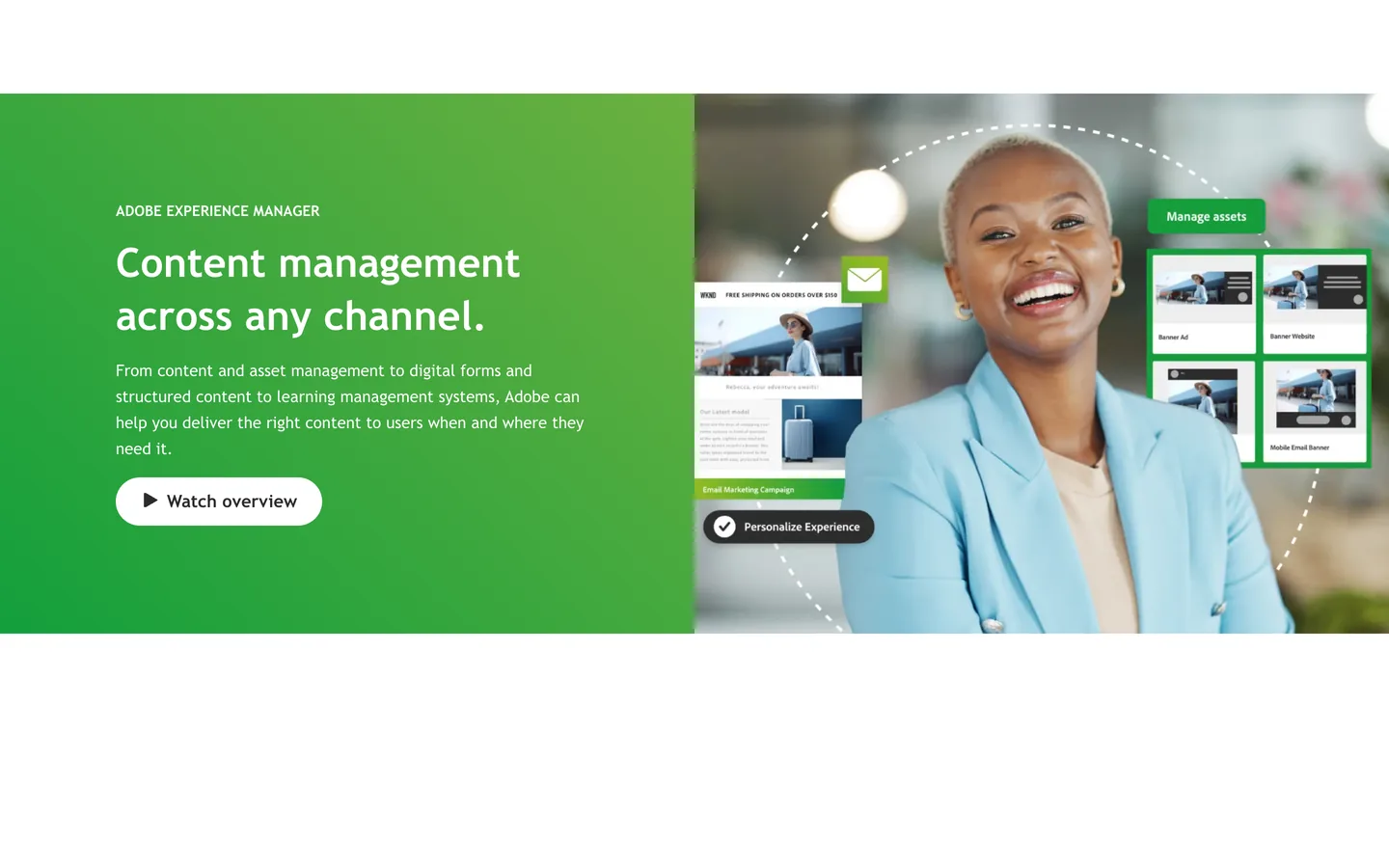


רוצה שהדפים של Adobe Experience Manager שלך יופיעו בתוך תשובות AI, ולא רק בתוצאות חיפוש קלאסיות? Adobe Experience Manager (AEM) הוא מערכת ניהול התוכן הארגונית של Adobe ופלטפורמת חוויית דיגיטל, הבנויה על סטאק Java ו-OSGi, ועם ההגדרה הנכונה היא הופכת לבסיס חזק לאופטימיזציה למנועים גנרטיביים (GEO). התחל עם geo seo audit בסיסי ועקוב אחר כל שיפור ב-geo seo dashboard חי. מדריך זה מראה איך לבנות, לרנדר ולתייג את AEM כך ש-Google ועוזרים כמו ChatGPT, Perplexity, Claude ו-Gemini יבינו, יסמכו ויצטטו את הדפים שלך.
SEO קלאסי עדיין חשוב, ועוזרי AI כיום מסכמים את הרשת ומציגים רשימה קצרה של מקורות. Generative Engine Optimization היא הפרקטיקה של להפוך לאחד מהמקורות המצוטטים האלה. AEM נותן לך יתרון כי הוא מפריד תוכן מובנה מהצגה: Content Fragments מחזיקים נתונים מבוססי שדות לשימוש חוזר, בעוד Experience Fragments מחזיקים פריסה מורכבת. כשאתה חושף את המבנה הזה בצורה נקייה, המודלים ממפים את המותג, המוצרים והמומחיות שלך בביטחון.
התחל עם benchmark. שאל את העוזרים המובילים את השאלות האמיתיות שהלקוחות שלך שואלים, ואז תעד האם אתה מצוטט, אילו URLs מופיעים, וכיצד מתייחסים למתחרים. עקוב אחר אזכורי מותג עם ai mention tracking, סקור את הקישורים והמקורות שאתה משיג באמצעות ai cited backlinks, והרץ geo seo audit בסיסי כדי למפות את הישויות שכבר משויכות אליך.
ב-GEO, כוונת המשתמש מקבלת צורה של פרומפטים. אסוף את הניסוח המדויק שהלקוחות משתמשים בו בצ'אט, בקול וב-agents, ואז קבץ אותו לפי משימה: ללמוד, להשוות, להחליט ולפתור. הרחב את הכיסוי עם query fan-out tool ותעדף נושאים עם keyword research. עבור כל קבוצה, בחר דף קנוני אחד להיות מצוטט, והפוך אותו לתמציתי, ניתן לציטוט ומגובה בראיות מפורשות.
התייחס ל-Content Fragment Models כעמוד השדרה של הישויות שלך. הגדר מודלים עבור Articles, Products, Solutions, FAQs, People ו-Glossary, ומפה כל שדה למאפייני schema.org כמו name, description, image, datePublished, author, brand ו-sameAs. מכיוון ש-Content Fragments הם ניטרליים לערוץ, אותה ישות מזינה את דפי AEM Sites שלך, את הפרונט-אנד ה-headless ואת האפליקציה שלך, מה ששומר על שמות ועובדות עקביים בכל מקום שמודל קורא.
למסירה מפורדת, חשוף fragments דרך AEM GraphQL API ושמור persisted queries כך שהפרונט-אנד שלך שולף נתונים מובנים דרך נקודות קצה מהירות וניתנות למטמון. עורכים יכולים לערוך גם דפים קלאסיים וגם חוויות headless עם Universal Editor, שנותן לצוותים לא טכניים עריכה בהקשר בעוד המפתחים שומרים על המודל מחמיר. הפיצול הזה, מודלים מחמירים בתוספת עריכה גמישה, הוא בדיוק מה שעוזר למודלי שפה לקרוא את הישויות שלך בלי לנחש.
AEM Sites מרכיב דפים מתבניות הניתנות לעריכה, מ-Core Components ומ-Layout Container, בעוד policies ברמת התבנית קובעות אילו רכיבים עורכים רשאים למקם. העדף HTML מרונדר בשרת דרך רנדור הדף הסטנדרטי כך שהסורקים יקבלו markup שלם, ושמור hydration בצד הלקוח לווידג'טים אינטראקטיביים באמת. Core Components כבר פולטים HTML נקי, נגיש וסמנטי, שגם Google וגם סורקי AI מנתחים באמינות.
מהירות היא גורם דירוג ויעילות סריקה, אז הישען על AEM Dispatcher ועל רשת מסירת התוכן שלך כדי להגיש דפים במטמון במהירות תחת עומס. פריסות AEM חדשות יכולות גם לפרסם דרך Edge Delivery Services, ששולח דפים קלים המקבלים ציונים חזקים ב-Core Web Vitals. דחוס תמונות עם Dynamic Media, דחה סקריפטים לא קריטיים, ושמור את המסמך המרונדר נקי מהזזות פריסה כדי שהעוזרים ישלפו דף יציב ומהיר.
השתמש בתכונות הדף כדי להגדיר כותרת מדויקת, מטא-תיאור ברור ו-URL נקי הכולל את הישות המרכזית. AEM מאחסן אלה במטא-דאטה של הדף (בצומת jcr:content), ותבניות פולטות אותם בכותרת. הוסף תגי canonical כדי לאחד כפילויות שנוצרו על ידי selectors או פרמטרי query, החל meta robots כדי לשמור דפים דלים או מסוננים מחוץ לאינדקס, וודא שתגי Open Graph תואמים לכוונת הדף ולתוכן הראשי.
AEM מפעיל אתרים רב-לשוניים דרך language copies ופרויקטי תרגום, אז תכנן annotations של hreflang שמזווגים כל דף עם המקבילות המקומיות שלו. URLs נקיים בהיקף שפה בתוספת hreflang מדויק עוזרים לעוזרים להגיש את גרסת השפה הנכונה ולהימנע מהתייחסות לתרגומים ככפילויות, מה שמגן על הציטוטים שאתה משיג בכל שוק.
הזרק JSON-LD דרך ראש תבנית הדף או רכיב ייעודי שקורא שדות Content Fragment. השתמש ב-Article בתוספת WebPage ו-BreadcrumbList לדפי תוכן, ב-Product עם offers לדפי מסחר, ב-HowTo למדריכים וב-FAQPage לבלוקי שאלות. הוסף schema של Organization ברמת האתר עם logo, contactPoint, foundingDate וקישורי sameAs לפרופילים המאומתים שלך, ואכלס מאפיינים ישירות מה-fragment כדי שה-markup יישאר מדויק.
צור בלוקי שאלה ותשובה מפורשים שמשקפים פרומפטים אמיתיים. שמור כל תשובה בין 50 ל-120 מילים, צטט את ה-URL הפנימי הרלוונטי, והוסף מקור חיצוני סמכותי אחד. מדל אותם כ-Content Fragment של FAQ לשימוש חוזר כך שהעורכים ימלאו שדות במקום טקסט חופשי, מה ששומר על עיצוב עקבי. עבור נהלים, פרט חומרים, שלבים וזמן נדרש בפורמט HowTo.
שמור sitemap נקי והגש אותו ב-Google Search Console; AEM יכול לייצר sitemaps דרך תצורת ה-sitemap הסטנדרטית בשורש האתר. ב-robots, אפשר את התיקיות המחזיקות תוכן ניתן לציטוט ואל תאפשר רעש כמו author instances או נתיבי עיצוב. הוסף קובץ llms.txt בשורש כדי לאותת על כללי סריקה מועדפים ל-AI agents, על ה-URLs בעדיפות לציטוט ועל תנאי השימוש החוזר שלך.
בנה מוקדי נושא שמקבצים דפים קשורים ומגדירים את התשובות הקנוניות שלך. השתמש ב-breadcrumbs כדי לבטא היררכיה והוסף קישורים inline הקשריים עם עוגנים תיאוריים, מואצים עם topical cluster generator. אם חלקים אחרים של הסטאק שלך רצים במקום אחר, החל את אותם עקרונות על עמיתים ארגוניים כמו sitecore xm cloud, optimizely episerver, liferay dxp, ו-wordpress.
GEO עדיין רץ על סמכות. השג ציטוטים מפרסומים אמינים, ממחקר ראשוני ומקהילות מיוחדות. פרסם תחת מומחים בעלי שם, מדל fragment תוכן Author עם קישור sameAs לפרופילים המאומתים של כל כותב, ושמור דף About ואישורי מבקר שמחזקים E-E-A-T. אחוזות AEM גדולות משתרעות לרוב על אתרים ושפות רבים, אז גרף author ו-Organization עקבי ביניהם מצטבר לאמון במקום לדלל אותו. עקוב אחר ההתקדמות עם domain authority tracker וצפה באילו דומיינים מקשרים לדפים המצוטטים, ואז הפוך את הניצחונות האלה לקישורים פנימיים חדשים.
Adobe Experience Manager חושף Content Fragment APIs, אך אינו מציע נקודת קצה מוכנה של בלוג, אז Sorank מפרסם בבלוג מנוהל של Sorank: כל מאמר SEO ש-Sorank מייצר מתארח בתת-דומיין או בתת-תיקייה משלך ומקושר מאתר AEM שלך, עם קישורים פנימיים מלאים. אתה מקבל בלוג אוטומטי לחלוטין וניתן לאינדוקס בלי להיאבק במגבלות הכתיבה והאישור של AEM. הפק טיוטות אופטימליות במהירות עם blog article generator, ואז חבר את הבלוג הזה לניווט הראשי שלך כדי שהסמכות תזרום חזרה ל-AEM Sites.
עקוב אחר אילו פרומפטים מפעילים את המותג שלך, אילו דפים מצוטטים והיכן מתחרים מנצחים. השווה את עצמך עם seo competitor spy, צפה בדירוג שלך על geo leaderboard, וייחס המרות מעוזרים עם דפי נחיתה מתויגים ו-UTMs ייחודיים.
Adobe Experience Manager נותן לך תוכן מובנה ברמה ארגונית; GEO נותן לך את האסטרטגיה. כשהאתר שלך חושף ישויות ברורות דרך Content Fragments, מטא-דאטה מדויקת וראיות אמינות, העוזרים מצטטים אותך בביטחון. הגדר מודלים נקיים, דפי AEM Sites מרונדרים בשרת, JSON-LD ותשובות ניתנות לציטוט, ואז תן ל-Sorank להוביל ביקורות, תוכן וקישורים ממקום אחד.

Adobe Experience Manager יכול לתפקד היטב עבור GEO כי הוא מפריד תוכן מובנה מהצגה. Content Fragment Models מחזיקים ישויות מבוססות שדות לשימוש חוזר, בעוד AEM Sites מרכיב דפים מתבניות ומ-Core Components, שפולטים HTML נקי מרונדר בשרת שסורקי AI מנתחים באמינות. אתה ממפה שדות fragment למאפייני schema.org, מזריק JSON-LD דרך ראש הדף ומגיש דפים במהירות דרך המטמון של ה-dispatcher. הגדר כותרות, תיאורי מטא ו-canonicals ברמת הדף, ייצר sitemap, והוסף קובץ llms.txt כך שעוזרים כמו ChatGPT, Perplexity, Claude ו-Gemini יוכלו להגיע, להבין ולצטט את התוכן שלך בביטחון.
כתוב תוכן שמתחיל בתשובה וממופה לפרומפטים אמיתיים. התחל כל דף עם סיכום של שני משפטים, אחר כך מתאר קריא, ושמור פסקאות מתחת ל-120 מילים. השתמש בהיררכיית כותרות מחמירה, בבלוקי FAQ מפורשים עם תשובות של 50 עד 120 מילים ובקטע עובדות ברור. עגן כל טענה למקור והוסף JSON-LD (Article, FAQPage, HowTo, Organization) דרך ראש תבנית הדף. מדל FAQs וישויות מפתח כ-Content Fragments כך שהעורכים ממלאים שדות, מה ששומר על עיצוב עקבי ומאותת על עומק נושאי שהמודלים מזהים כסמכותי על פני דפי AEM Sites שלך.
Adobe Experience Manager חושף Content Fragment APIs, אך אינו מציע נקודת קצה מוכנה של בלוג, אז Sorank משתמש בבלוג מנוהל של Sorank במקום במחבר מקורי. כל מאמר ש-Sorank מייצר מתפרסם ומתארח בתת-דומיין או בתת-תיקייה משלך, ואז מקושר מאתר AEM שלך עם קישורים פנימיים מלאים, כך שאתה מקבל בלוג אוטומטי לחלוטין וניתן לאינדוקס בלי להיאבק במגבלות הכתיבה של AEM. מעבר לפרסום, Sorank מריץ ביקורות GEO ו-SEO מותאמות לאתר שלך, עוקב אחר אזכורי AI על פני ChatGPT, Perplexity, Claude ו-Gemini, מנטר מתחרים ומציע אופטימיזציות תוכן מלוח מחוונים אחד.








.svg)
.svg)