التفضيلات
خصوصيتك مهمة بالنسبة لنا، لذلك لديك خيار تعطيل أنواع معينة من التخزين التي قد لا تكون ضرورية للوظائف الأساسية للموقع. قد يؤثر حظر الفئات على تجربتك في الموقع. مزيد من المعلومات

خصوصيتك مهمة بالنسبة لنا، لذلك لديك خيار تعطيل أنواع معينة من التخزين التي قد لا تكون ضرورية للوظائف الأساسية للموقع. قد يؤثر حظر الفئات على تجربتك في الموقع. مزيد من المعلومات
بيانات تدريب الذكاء الاصطناعي هي النصوص والصور والأكواد التي تتعلم منها النماذج. تعرفوا على الأنواع والمصادر ولماذا تشكل إجابات الذكاء الاصطناعي ومدى ظهوركم.
.webp)
.webp)




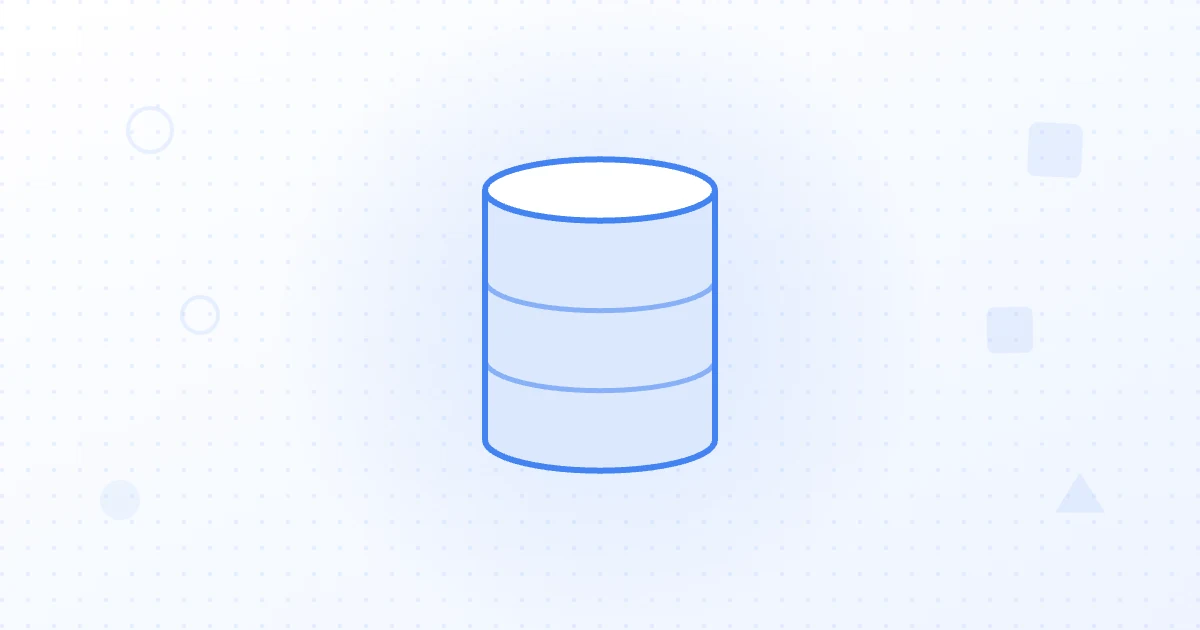
بيانات تدريب الذكاء الاصطناعي هي مجموعة المعلومات المستخدمة لتعليم النموذج التعرف على الأنماط، وإجراء التنبؤات، وتوليد المحتوى. بالنسبة لنماذج اللغة الكبيرة (LLM)، يعني ذلك مليارات الكلمات المستخلصة من صفحات الويب والكتب والأكواد وغيرها، والتي تتم معالجتها كي يتمكن النموذج من التنبؤ باللغة وإنتاجها. كل ما يعرفه النموذج، وجزء كبير مما يخطئ فيه، يعود إلى البيانات التي دُرّب عليها.
يهم هذا الأمر المسوقين والمهندسين على حد سواء. تحدد البيانات التي يستوعبها النموذج العلامات التجارية والحقائق والمصادر التي يمكنه تذكرها والاستشهاد بها، لذا فإن فهم بيانات التدريب هو الأساس لفهم سبب ذكر المساعد لبعض الشركات دون غيرها، وكيفية عمل تحسين GEO.
بيانات تدريب الذكاء الاصطناعي هي مجموعة الأمثلة التي يتعلم منها النموذج قبل أن يصبح جاهزًا للاستخدام. من خلال هذا التعرض، يطور النموذج مفرداته وفهمه الواقعي وقدرته على الاستدلال وأي تحيزات موجودة في مواد المصدر. لا يتعلق الأمر بكومة واحدة من نصوص الويب، بل بمزيج من المصادر يتم تجميعه بعناية.
المبدأ بسيط: تغذية النموذج ببيانات رديئة تنتج نموذجًا رديئًا، وهي المشكلة الكلاسيكية المعروفة بـ"مدخلات رديئة، مخرجات رديئة". لهذا السبب يُعرّف التنقيح، وليس الحجم فقط، التدريب الحديث، ولهذا السبب ترتكز عليه سلوكيات لاحقة مثل استدلال الذكاء الاصطناعي والمعرفة البارامترية للنموذج.
يُبنى معظم نماذج اللغة على مراحل متمايزة، تستخدم كل منها نوعًا مختلفًا من البيانات. تُعد مجموعات بيانات التدريب المسبق (pretraining) مجموعات خام هائلة تُعلّم فهم اللغة العام والمعرفة الواسعة. أما مجموعات بيانات ضبط التعليمات (instruction-tuning) فتقرن الأوامر (prompts) بردود مثالية لتعليم النموذج اتباع التوجيهات بدلاً من مجرد استكمال النص.
تستخدم مرحلة ثالثة التغذية الراجعة البشرية، حيث يقارن المقيّمون بين الردود، وتُستخدم تفضيلاتهم لصقل النموذج من ناحية الفائدة والسلامة. تتوافق هذه المرحلة بشكل وثيق مع التعلم المعزز من التغذية الراجعة البشرية (RLHF) ومع الضبط الدقيق (fine-tuning) للذكاء الاصطناعي، حيث تُستخدم بيانات إضافية خاصة بمجال معين لصقل النموذج لاستخدام محدد.
لا تزال عمليات زحف الويب المفتوحة مثل Common Crawl و-C4 العمود الفقري للتدريب المسبق، حيث توفر بيتابايتات من النصوص من مليارات الصفحات. تُمزج هذه البيانات مع الكتب ومقالات Wikipedia بمئات اللغات، ومئات ملايين ملفات الأكواد من مصادر مثل GitHub، والأوراق العلمية، وعقود من الأخبار.
تجمع المجموعات المُنسّقة (corpora) كل هذه المصادر معًا، مثل The Pile، وهي مجموعة نصوص إنجليزية بحجم 825 جيجابايت تدمج 22 مصدرًا متنوعًا وعالي الجودة. ونظرًا لأن جودة زحف الويب تتفاوت بشكل كبير، أصبح الترشيح وإزالة التكرار معيارًا قياسيًا في الصناعة، ويعتمد مدى وصول عمليات الزحف هذه على ما يمكن لـزواحف الذكاء الاصطناعي الوصول إليه، استنادًا إلى تحسين بيانات التدريب الخاصة بالنموذج.
في عام 2026 لم تتغير المصادر الأساسية بشكل جذري، لكن التنقيح تغيّر. تعني معالجة البيانات الأفضل أن النموذج يحتاج إلى بيانات أقل للوصول إلى نفس مستوى الأداء، لذا فإن البيانات عالية الجودة والمنظمة جيدًا والمُدقّقة تتفوق الآن على مجرد زيادة حجم نصوص الويب الخام. أبعاد الجودة مثل الدقة والتنوع والحداثة والنظافة تشكل مباشرة ما يمكن للنموذج القيام به.
تكلفة الخطأ في هذا الأمر حقيقية. قدّرت Gartner أن جودة البيانات الرديئة تكلف المؤسسات ما بين 12.9 و15 مليون دولار سنويًا، وقد يستهلك ضجيج التصنيف (label noise) ما يصل إلى 80 بالمئة من جهد مشروع تعلم الآلة. المدخلات النظيفة هي أيضًا ما يمنع النماذج من تضخيم هلوسة الذكاء الاصطناعي.
لكل نموذج تم تدريبه على مجموعة بيانات ثابتة حد معرفي زمني، وهو النقطة التي تنتهي عندها بيانات تدريبه. الأحداث والاكتشافات والتغييرات التي تحدث بعد ذلك التاريخ تكون مجهولة بالنسبة للنموذج ما لم يتمكن من استرجاعها وقت الاستعلام، ولهذا السبب تُقدّم المساعدات أحيانًا إجابات قديمة حول مواضيع حالية.
هذا القيد هو السبب في أن الاسترجاع مهم للغاية. تقنيات مثل التوليد المعزز بالاسترجاع (RAG) تجلب معلومات جديدة تتجاوز الحد الزمني، وتكمّل بيانات التدريب الثابتة، وفهم الحد المعرفي الزمني يوضح متى يعتمد النموذج على الذاكرة مقابل RAG الحي.
إذا كان المحتوى الخاص بكم جزءًا من البيانات التي تعلم منها النموذج، فيمكنه تذكر علامتكم التجارية والإشارة إليها حتى دون بحث مباشر. هذا يجعل الحضور في مصادر عالية الجودة وواسعة الاستخدام أصلًا لتحقيق الظهور على المدى الطويل، بمعزل عن الترتيب في صفحة النتائج.
الخلاصة العملية هي نشر محتوى موثوق ومنظم جيدًا على المنصات التي تُغذّي هذه المجموعات النصية، والحفاظ على إمكانية وصول زواحف البحث إليه. يتكامل هذا مع استراتيجية محتوى ذكاء اصطناعي أوسع، وعند اقترانه بـبحث الكلمات المفتاحية وتخطيط المحتوى المنضبط، يزيد من فرص أن يتعلم النموذج منكم ويستشهد بكم.
تحمل بيانات التدريب تحيزات مصادرها، لذا قد تُعيد النماذج إنتاج أنماط منحازة أو غير عادلة ما لم تكن البيانات متوازنة ومُدقّقة. الخصوصية مصدر قلق آخر، إذ قد تحتوي المجموعات النصية المستخرجة بالزحف على مواد شخصية أو محمية بحقوق النشر، مما يدفع نحو اتفاقيات ترخيص ومصادر أكثر صرامة.
لسد الفجوات وحماية الخصوصية، تدمج الفرق بشكل متزايد بيانات اصطناعية مُولّدة لمحاكاة خصائص العالم الحقيقي. عند استخدامها بشكل جيد، فإنها تحسّن التغطية والتوازن، لكن يجب التحقق منها بعناية، لأن الأخطاء في البيانات الاصطناعية تنتشر بسهولة تماثل انتشار الأخطاء في مصادر البيانات الاصطناعية المستخرجة بالزحف.
بيانات تدريب الذكاء الاصطناعي هي أساس كل ما يعرفه النموذج، تُجمَّع على مراحل من عمليات زحف الويب والكتب والأكواد والتغذية الراجعة البشرية، ثم تُصقل من خلال تنقيح دقيق. الجودة أهم الآن من الحجم الخام، والحد المعرفي الزمني يحد مما يمكن للنموذج تذكره، ويشكل تركيب تلك البيانات العلامات التجارية والحقائق التي يمكن للمساعد الاستشهاد بها. من ناحية الظهور، يُعد كون المحتوى جزءًا من مصادر موثوقة وسهلة الوصول ميزة دائمة.
للمزيد من التعمق، اربطوا هذا بـاستراتيجية محتوى ذكاء اصطناعي قوية وفهم لـRAG من أجل الاسترجاع الحديث، واستخدموا أدوات البحث وتخطيط المحتوى الخاصة بـ Sorank لبناء محتوى تتعلم منه النماذج. المصادر المرجعية: Label Your Data وeStudy 247.

بيانات التدريب هي المجموعة الكاملة من الأمثلة التي تعلم منها النموذج. الحد المعرفي الزمني هو التاريخ الذي تنتهي عنده تلك البيانات، وبعده لا يملك النموذج وعيًا مدمجًا بالأحداث الجديدة ما لم يسترجعها وقت الاستعلام. إذن الحد الزمني هو خاصية من خصائص بيانات التدريب: كل ما يُنشر بعده يبقى غير مرئي لذاكرة النموذج إلى أن يوفره نظام استرجاع.
بشكل أساسي من عمليات زحف الويب المفتوحة مثل Common Crawl و-C4، ممزوجة بالكتب و-Wikipedia وكميات كبيرة من الأكواد من مصادر مثل GitHub، والأوراق العلمية، والأخبار. تجمع مجموعات نصية منسّقة مثل The Pile العديد من المصادر عالية الجودة معًا. ونظرًا لتفاوت جودة بيانات الويب، يقوم المزودون بترشيحها وإزالة تكرارها بشكل مكثف، ويدمجون بشكل متزايد بيانات خاصة وبيانات اصطناعية لتحقيق التوازن.
إذا كان المحتوى الخاص بكم جزءًا من البيانات التي تعلم منها النموذج، فيمكنه تذكر علامتكم التجارية والإشارة إليها حتى دون بحث مباشر. نشر محتوى موثوق ومنظم جيدًا على منصات واسعة الاستخدام وقابلة للزحف يزيد من فرصة أن تصبحوا جزءًا من تلك المجموعات النصية. وبالاقتران مع الاسترجاع الحي، يحسّن ذلك فرص أن يعرفكم المساعد ويستشهد بكم في آن واحد.







.svg)
.svg)