
التفضيلات
خصوصيتك مهمة بالنسبة لنا، لذلك لديك خيار تعطيل أنواع معينة من التخزين التي قد لا تكون ضرورية للوظائف الأساسية للموقع. قد يؤثر حظر الفئات على تجربتك في الموقع. مزيد من المعلومات

خصوصيتك مهمة بالنسبة لنا، لذلك لديك خيار تعطيل أنواع معينة من التخزين التي قد لا تكون ضرورية للوظائف الأساسية للموقع. قد يؤثر حظر الفئات على تجربتك في الموقع. مزيد من المعلومات
اجعل موقع دورات LearnWorlds مرئياً لـ Google والبحث بالذكاء الاصطناعي. استخدم صفحات LearnWorlds والمدونة الأصلية و JSON-LD و llms.txt حتى تستشهد ChatGPT و Perplexity و Claude و Gemini بدوراتك.
.webp)
.webp)





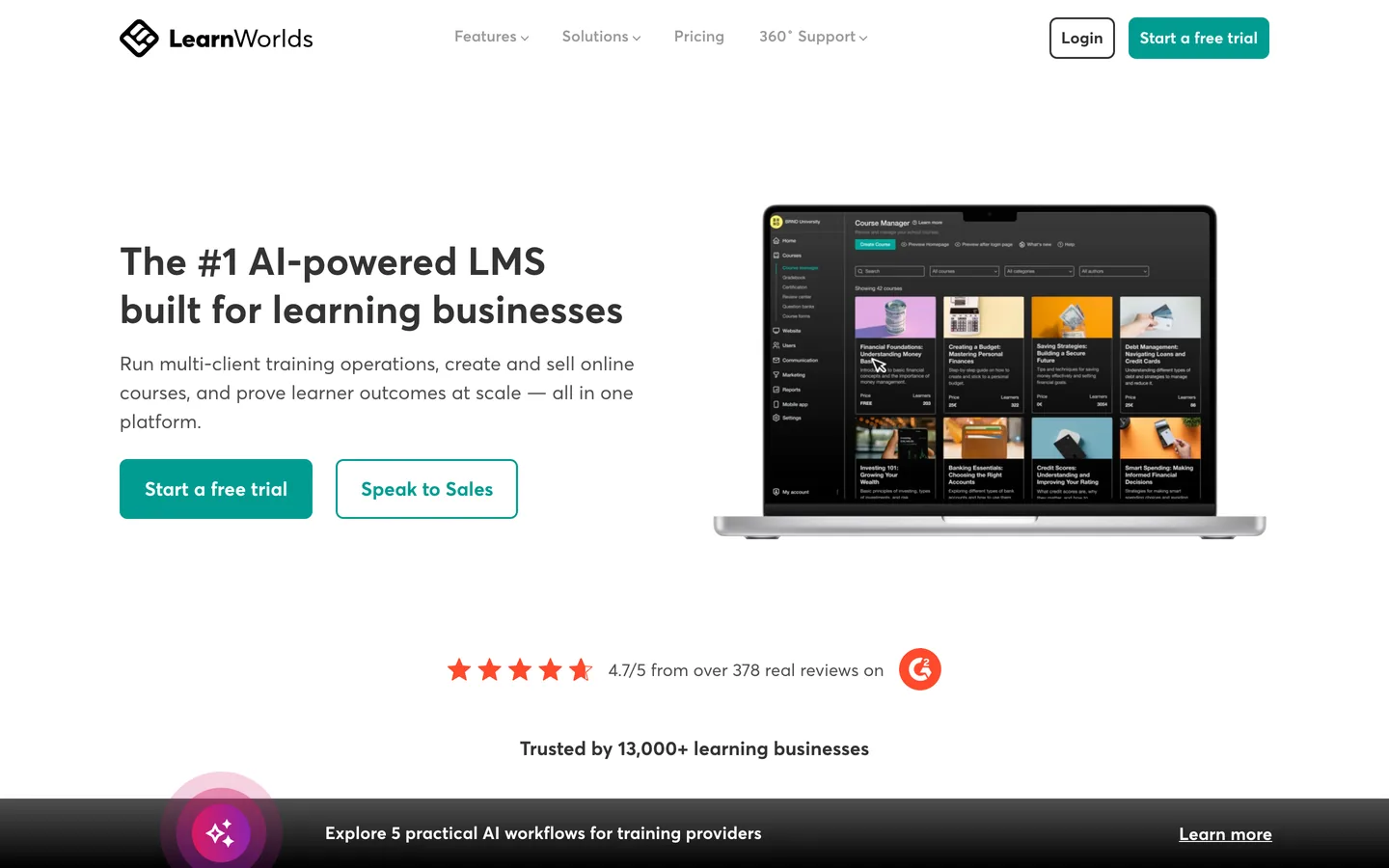


هل تريد أن تظهر أكاديميتك في LearnWorlds داخل إجابات الذكاء الاصطناعي، وليس فقط في نتائج البحث الكلاسيكية؟ يبني LearnWorlds مواقع دورات تحمل علامتك التجارية، وصفحات مبيعات ومدونة أصلية حول مدرستك عبر الإنترنت، ومع الإعداد الصحيح يصبح قاعدة متينة للتحسين للمحركات التوليدية (GEO). ابدأ بـ geo seo audit أساسي وتتبع كل تقدم في geo seo dashboard حي. يوضح هذا الدليل كيفية هيكلة وعرض ووسم مدرسة LearnWorlds بحيث يفهم Google والمساعدون مثل ChatGPT و Perplexity و Claude و Gemini صفحاتك ويثقون بها ويستشهدون بها.
لا يزال SEO الكلاسيكي يدفع اكتشاف الدورات، والآن يلخص مساعدو الذكاء الاصطناعي الويب ويوصون بقائمة قصيرة من المصادر. تحسين المحركات التوليدية هو ممارسة أن تصبح أحد تلك المصادر المستشهد بها. يمنح LearnWorlds منشئي الدورات ميزة حقيقية: كل دورة ومدرب ودرس هو كيان منظم داخل المدرسة، و Site Builder يكشف صفحات ومدونة وأدوات تحكم في البيانات الوصفية. عندما تصف هذه البنية بوضوح، ترسم النماذج أكاديميتك وموضوعاتك وسلطتك التدريسية بثقة. يدير LearnWorlds أيضاً مسارات مبيعات وشهادات ودروساً مجدولة بالتنقيط ومساحة مجتمع، ويمكن لكل واحد من هذه الواجهات أن يحمل نصاً عاماً قابلاً للاستشهاد يشير إلى خبرة حقيقية لـ Google ومساعدي الذكاء الاصطناعي.
ابدأ بالقياس. اسأل المساعدين الرائدين الأسئلة التي يكتبها متعلموك المحتملون فعلاً، مثل كيفية تعلم مهارة أو أي دورة تغطي موضوعاً، ثم سجل ما إذا كانت صفحاتك مستشهداً بها وكيف تظهر الأكاديميات المنافسة. تتبع رؤية العلامة التجارية باستخدام ai mention tracking، وراجع المصادر التي تكسبها بالفعل من خلال ai cited backlinks، وقم بتشغيل geo seo audit أساسي لرسم الكيانات المرتبطة بالفعل بعلامتك التجارية.
في GEO، تصل النية كمطالبات بلغة طبيعية. اجمع الصياغة الدقيقة التي يستخدمها المتعلمون عند البحث عن تدريب، ثم جمعها حسب المهمة: استكشاف موضوع، مقارنة البرامج، التسجيل، وتطبيق مهارة. وسع التغطية باستخدام query fan-out tool ورتب الموضوعات حسب الأولوية باستخدام keyword research. لكل مجموعة، اختر صفحة LearnWorlds قانونية واحدة، عادة صفحة هبوط لدورة أو دليل مدونة، واجعلها موجزة وقابلة للاقتباس ومدعومة بنتائج واضحة وتفاصيل منهجية.
عامل مدرستك في LearnWorlds كرسم بياني للكيانات. تصف صفحات الدورات البرامج، وترسخ صفحات المدربين الخبرة، وتغطي المدونة الأصلية الأسئلة حول كل موضوع. ابنِ مقالات داعمة في المدونة بحيث يكون لكل دورة مركز محتوى تعليمي يجيب المتعلمين المحتملين قبل التسجيل. يتيح LearnWorlds أيضاً نشر دروس مجانية ومغناطيسات عملاء محتملين ومعاينات دورات يمكن للزواحف فهرستها، مما يحول التدريب المغلق إلى إثبات عمق عام. ارسم حقول الصفحة إلى خصائص schema.org مثل name و description و image و datePublished و author، وحافظ على عناوين الدورات وأسماء المدربين وتسميات الفئات متسقة في كل صفحة بحيث تقرأ النماذج أكاديمية متماسكة واحدة.
ابنِ صفحات عامة في LearnWorlds Site Builder بقوالب نظيفة وتسلسل هرمي واضح للعناوين. احتفظ بـ H1 واحد لكل صفحة، استخدم H2 و H3 للموضوعات الفرعية، واكتب عناوين أقسام وصفية تسمي المهارة والنتيجة. تأكد من أن كتالوج الدورات وصفحات الهبوط ومنشورات المدونة عامة، حيث تجلس الدروس المغلقة خلف التسجيل وتستشهد زواحف الذكاء الاصطناعي بالصفحات المفتوحة. حسّن الصور بنص alt وصفي واضغط الوسائط بحيث تُحمل الصفحات بسرعة، مما يكافئه Google وزواحف الذكاء الاصطناعي. نظراً لأن LearnWorlds يستضيف مدرستك على بنيته التحتية ويقدم HTML معروضاً للصفحات العامة، فإن الكتالوج والمدونة قابلان للزحف افتراضياً، لذا ركز جهدك على بنية العناوين وجودة النسخة والبيانات الوصفية بدلاً من إصلاحات العرض.
يكشف LearnWorlds إعدادات SEO للصفحات والدورات ومنشورات المدونة. اكتب كل عنوان كبيان واضح يسمي الموضوع والجمهور والنتيجة. احتفظ بأوصاف الميتا بين 150 و 250 حرفاً واشمل اسم الدورة أو الموضوع بالإضافة إلى سبب للنقر. عيّن عناوين URL قانونية لدمج المتغيرات المكررة أو المفلترة، وتأكد من أن علامات Open Graph تحمل العنوان والصورة الصحيحة بحيث تعزز المراجع الاجتماعية موضوع الصفحة عندما تواجهها النماذج.
يتيح لك LearnWorlds إدراج كود مخصص في رأس الصفحة أو الموقع، حيث تضيف JSON-LD. استخدم مخطط Course مع name و description و provider لصفحات الدورات، Article بالإضافة إلى WebPage لمنشورات المدونة، FAQPage لكتل الأسئلة، و HowTo للدروس التعليمية. أضف مخطط Organization على مستوى الموقع مع logo وروابط sameAs إلى ملفاتك الموثقة، و foundingDate و contactPoint. تمنح هذه الإشارات المنظمة نماذج الذكاء الاصطناعي سياقاً يمكن قراءته بالآلة حول مدرستك لا يمكن للنثر وحده توفيره.
صفحات هبوط الدورات هي أصولك الأعلى في النية، لذا اكتبها ليُستشهد بها. افتح ببيان بسيط لمن هي الدورة والنتيجة التي تقدمها، ثم اسرد المنهج ووقت الإكمال والتنسيق والشهادة. اعرض مراجعات طلاب حقيقية ونتائج قابلة للقياس، حيث تحمل إشارات التجربة وزناً لدى Google ومساعدي الذكاء الاصطناعي. أضف درس معاينة مجانياً أو وحدة نموذجية يمكن للزواحف قراءتها، وضع FAQ قصيراً يجيب على السعر والمستوى والمتطلبات. صفحة هبوط مبنية بهذه الطريقة تمنح المساعدين مقطعاً نظيفاً وواقعياً للاستشهاد عندما يسأل متعلم أي برنامج يناسب هدفه.
افتح كل منشور مدونة وصفحة دورة بملخص من جملتين يجيب على السؤال الرئيسي، ثم مخطط قابل للمسح من عناوين H2، ثم فقرات قصيرة أقل من 120 كلمة. ضع كتل أسئلة وأجوبة صريحة داخل الأدلة الطويلة، وحافظ على كل إجابة بين 50 و 120 كلمة، واستشهد بمصدر موثوق واحد لكل ادعاء. لمعاينات الدروس وخطوات الدراسة، اسرد المواد والخطوات والوقت المطلوب بتنسيق HowTo بحيث يمكن للمساعدين استخراجها واقتباسها بنظافة.
يولد LearnWorlds sitemap للصفحات العامة؛ تأكد من أن الكتالوج وصفحات الهبوط والمدونة تظهر فيه وأرسله في Google Search Console. في robots، اسمح للدلائل التي تحتفظ بمحتوى قابل للاستشهاد وامنع العروض الرقيقة أو المفلترة. أضف ملف llms.txt في مجال الجذر للإشارة إلى قواعد الزحف المفضلة لوكلاء الذكاء الاصطناعي، واسرد عناوين URL ذات الأولوية التي تريد الاستشهاد بها، وحدد شروط إعادة الاستخدام الخاصة بك. تقرأ أنظمة البحث بالذكاء الاصطناعي هذا الملف بشكل متزايد عند تحديد ما يجب إظهاره.
ابنِ مراكز موضوعية تجمع دورة مع مقالات المدونة الداعمة لها وتحدد إجاباتك القانونية. استخدم فتات الخبز للتعبير عن التسلسل الهرمي وأضف روابط سياقية داخل النص بمرابط وصفية، معززة بـ topical cluster generator. اربط كل دليل مدونة بدورته ذات الصلة وبأدلة مرافقة. إذا كانت أجزاء أخرى من مجموعتك التقنية تعمل في مكان آخر، طبق نفس المبادئ على teachable و kajabi، ومنصة رئيسية مثل wordpress.
لا يزال GEO يعمل على السلطة. انشر تحت مدربين مسميين، اعرض اعتماداتهم وسجلهم التدريسي، واحتفظ بصفحة About التي تعزز E-E-A-T. اكسب استشهادات من منشورات موثوقة ومجتمعات تعليمية وأبحاث أولية في مجالك. تضيف نتائج الطلاب والمراجعات ودراسات الحالة إشارة التجربة التي تكافئها النماذج. تتبع التقدم باستخدام domain authority tracker وحافظ على صفحات سير المدربين متسقة بحيث تُقرأ أكاديميتك كمصدر خبير موثوق.
يقدم LearnWorlds واجهة برمجة تطبيقات عامة وتطبيق Make.com، لكن واجهة برمجة التطبيقات لا تكشف منشورات المدونة، لذا لا توجد نقطة نهاية موثوقة لدفع المقالات إلى مدونة LearnWorlds. لذلك تنشر Sorank وتستضيف مقالات SEO الخاصة بك على مدونة تديرها Sorank، على مجال فرعي أو مجلد فرعي خاص بك، تربطها من مدرسة LearnWorlds الخاصة بك بروابط داخلية كاملة. تحصل على محرك محتوى مؤتمت بالكامل وقابل للفهرسة دون محاربة قيود المنصة. أنتج مسودات محسّنة بسرعة باستخدام blog article generator واربط كل مقالة بصفحة الدورة المطابقة.
تتبع أي المطالبات تُطلق أكاديميتك، وأي الصفحات مُستشهد بها، وأين تفوز المدارس المنافسة. قارن نفسك مع seo competitor spy، راقب ترتيبك على geo leaderboard، ونسب التسجيلات من المساعدين بصفحات هبوط موسومة و UTM فريدة. راجع تحليلات LearnWorlds و Google Search Console شهرياً للعثور على فجوات المحتوى وتحديث الأدلة التي تراجعت.
يمنحك LearnWorlds أكاديمية دورات منظمة؛ يمنحك GEO الاستراتيجية لجعلها مُستشهد بها. عندما تكشف مدرستك عن كيانات واضحة وبيانات وصفية دقيقة ومخططات Course و Organization وإجابات قابلة للاستشهاد، يوصي بك المساعدون بثقة. اضبط صفحات Site Builder نظيفة ومدونة منظمة و JSON-LD وملف llms.txt، ثم دع Sorank تقود عمليات التدقيق والمقالات المستضافة والروابط من لوحة تحكم واحدة.

يمكن لـ LearnWorlds أن يؤدي أداءً جيداً في GEO لأن كل دورة ومدرب ودرس هو كيان منظم، و Site Builder يمنحك صفحات عامة نظيفة ومدونة أصلية وأدوات تحكم في البيانات الوصفية. تُعرض هذه الصفحات بسرعة ودلالياً، مما تحلله زواحف الذكاء الاصطناعي بموثوقية. أضف JSON-LD لـ Course و Organization عبر رأس الصفحة أو الموقع، اكتب صفحات دورات ومدونة بإجابة أولاً، عيّن عناوين وأوصاف ميتا دقيقة، وولد sitemap. مع ملف llms.txt في جذرك، يمكن للمساعدين مثل ChatGPT و Perplexity و Claude و Gemini الوصول إلى كتالوجك ومدونتك والاستشهاد بأكاديميتك عندما يسأل المتعلمون أي دورة تغطي موضوعاً.
اكتب محتوى الإجابة أولاً مرسوماً على مطالبات المتعلمين الحقيقية. افتح كل صفحة دورة ومنشور مدونة بملخص من جملتين، ثم مخطط H2 قابل للمسح، واحتفظ بالفقرات أقل من 120 كلمة. استخدم تسلسلاً هرمياً صارماً للعناوين، وكتل FAQ صريحة بإجابات من 50 إلى 120 كلمة، وقسماً واضحاً للمنهج أو النتائج. اربط كل ادعاء بمصدر وأضف JSON-LD (Course, Article, FAQPage, HowTo, Organization) عبر خيار كود رأس الصفحة في LearnWorlds. اربط كل دليل مدونة بدورته وبأدلة مرافقة بحيث يكون العمق الموضوعي مرئياً، وهذا ما تتعرف عليه نماذج الذكاء الاصطناعي كموثوق وتقتبسه مباشرة.
يقدم LearnWorlds واجهة برمجة تطبيقات عامة وتطبيق Make.com، لكن واجهة برمجة التطبيقات لا تكشف منشورات المدونة، لذا لا توجد نقطة نهاية موثوقة لدفع المقالات إلى مدونة LearnWorlds. لذلك تنشر Sorank وتستضيف مقالات SEO الخاصة بك على مدونة تديرها Sorank، على مجال فرعي أو مجلد فرعي خاص بك، تربطها من مدرسة LearnWorlds الخاصة بك بروابط داخلية كاملة، مما يمنحك محرك محتوى مؤتمت بالكامل وقابل للفهرسة دون محاربة قيود المنصة. بالإضافة إلى النشر، تقوم Sorank بتشغيل عمليات تدقيق GEO و SEO على موقعك، وتتبع ذكر الذكاء الاصطناعي عبر ChatGPT و Perplexity و Gemini، ومراقبة الأكاديميات المنافسة، واقتراح تحسينات المحتوى من لوحة تحكم واحدة.








.svg)
.svg)