
التفضيلات
خصوصيتك مهمة بالنسبة لنا، لذلك لديك خيار تعطيل أنواع معينة من التخزين التي قد لا تكون ضرورية للوظائف الأساسية للموقع. قد يؤثر حظر الفئات على تجربتك في الموقع. مزيد من المعلومات

خصوصيتك مهمة بالنسبة لنا، لذلك لديك خيار تعطيل أنواع معينة من التخزين التي قد لا تكون ضرورية للوظائف الأساسية للموقع. قد يؤثر حظر الفئات على تجربتك في الموقع. مزيد من المعلومات
اجعل صفحات الهبوط في Unbounce مرئية لمحرك Google وبحث الذكاء الاصطناعي. استخدم Smart Builder والبيانات الوصفية النظيفة و JSON-LD و llms.txt حتى يستشهد ChatGPT و Perplexity و Claude و Gemini بصفحاتك.
.webp)
.webp)





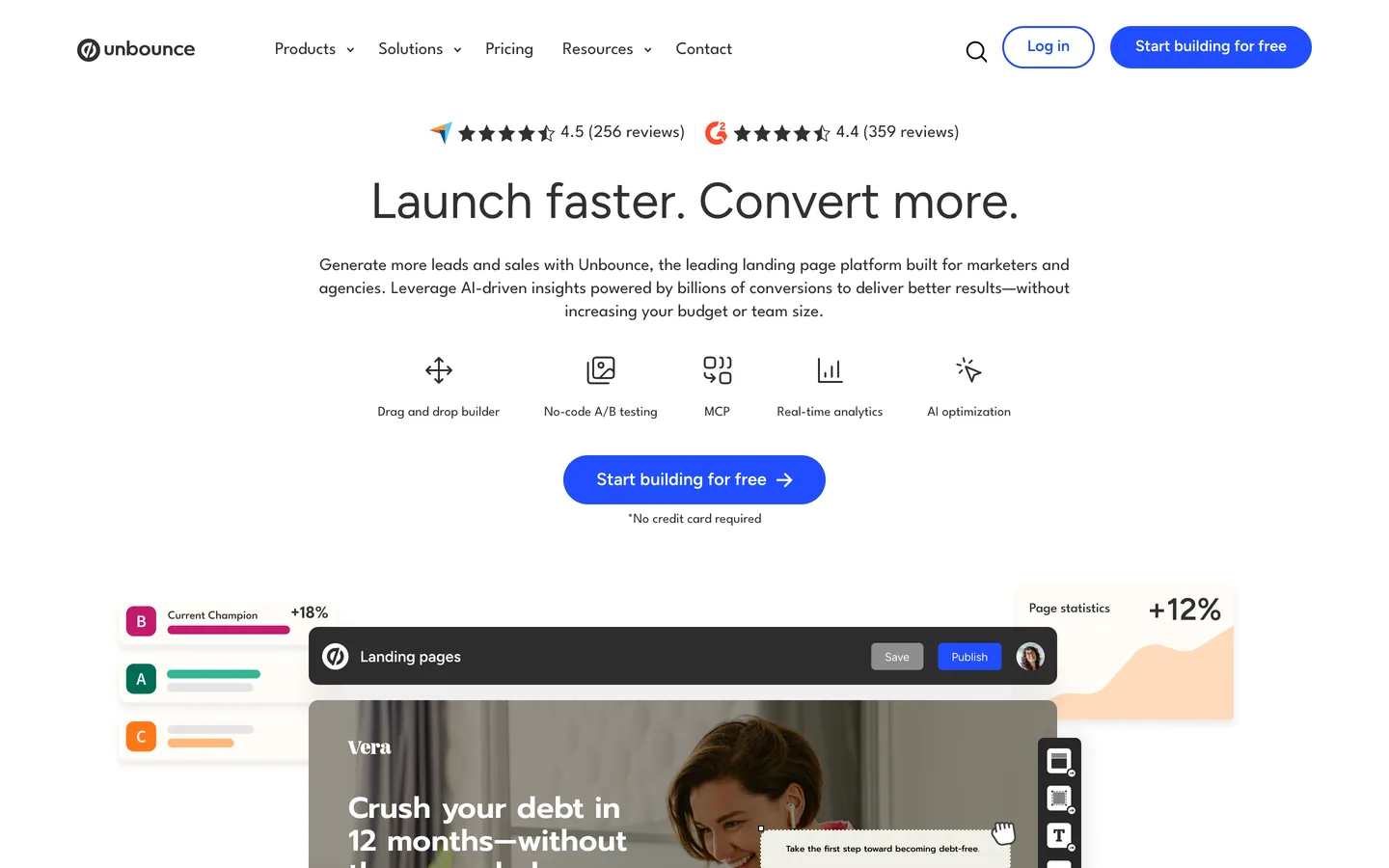


يقوم Unbounce ببناء صفحات هبوط عالية التحويل، ومع الإعداد الصحيح يمكن لهذه الصفحات أيضاً كسب مكان داخل إجابات الذكاء الاصطناعي، وليس فقط في حركة المرور المدفوعة والبحث الكلاسيكي. Unbounce هو منصة صفحات هبوط، وليس مدونة أو CMS كاملاً، لذلك ليس لديه مدونة أصلية و API الخاص به ينشئ صفحات بدلاً من مقالات. هذا يشكّل الاستراتيجية: يجب أن تكون صفحات الهبوط الخاصة بك منظمة وقابلة للاستشهاد، والمحتوى في أعلى القمع الذي يغذيها يعيش على مدونة خارجية. ابدأ بـ geo seo audit أساسي وتتبع كل تقدم في geo seo dashboard. يوضح هذا الدليل كيفية تكوين Unbounce حتى يفهم Google والمساعدون مثل ChatGPT و Perplexity و Claude و Gemini صفحاتك ويثقوا بها ويستشهدوا بها.
يسأل المشترون الآن مساعدي الذكاء الاصطناعي عن التوصيات قبل أن ينقروا على إعلان، ويجيب المساعدون بقائمة قصيرة من المصادر المستشهد بها. Generative Engine Optimization هي ممارسة أن تصبح أحد هذه المصادر. صفحات Unbounce حادة، ذات غرض واحد، وتركز على التحويل، وهذه ميزة: صفحة هبوط واضحة تذكر عرضاً وجمهوراً ونتيجة تُقرأ كإجابة نظيفة على سؤال شراء. عندما تكشف هذا الوضوح بعناوين قوية ونص حقيقي وبيانات منظمة، تربط النماذج عرضك وتُظهرك لمستخدمين ذوي نية عالية. تتوقف حركة المرور المدفوعة وحدها في اللحظة التي تنفد فيها ميزانيتك، بينما تستمر الصفحة المستشهد بها في كسب زيارات مؤهلة، لذا يحوّل GEO أصلاً تسويقياً إلى مصدر دائم للطلب.
ابدأ بالبيانات. اسأل المساعدين الرائدين الأسئلة التي يسألها المشترون، مثل أي أداة تحل مشكلة أو أي خدمة تناسب حاجة، ثم سجل ما إذا كانت صفحاتك مستشهداً بها وكيف يظهر المنافسون. تتبع رؤية العلامة التجارية مع ai mention tracking، راجع المصادر التي تكسبها بالفعل عبر ai cited backlinks، وشغّل geo seo audit أساسي لرسم خريطة الكيانات المرتبطة بالفعل بعلامتك التجارية. معرفة نقطة انطلاقك تخبرك أين تركز.
في GEO، تصل النية على شكل prompts بلغة طبيعية. التقط الصياغة الدقيقة التي يستخدمها المشترون، ثم اجمعها حسب المرحلة: التعلم، المقارنة، القرار، والتحويل. وسّع التغطية باستخدام query fan-out tool وحدد أولويات المواضيع مع keyword research. Prompts في أسفل القمع ومرحلة القرار تُربط بصفحة هبوط مخصصة في Unbounce، بينما prompts التعلم والمقارنة تُربط بمقالات على مدونة متصلة تُشير إلى الصفحة. عيّن لكل مجموعة وجهة قانونية واحدة واجعلها موجزة وقابلة للاقتباس ومدعومة بالأدلة.
يمنحك Unbounce Smart Builder و Classic Builder، وكلاهما يمكن أن ينتج صفحات تحللها الزواحف بشكل جيد عندما تحافظ على بنية نظيفة. استخدم H1 واحداً يسمّي العرض، وبنية النقاط الفرعية بـ H2 و H3، واكتب نصاً حقيقياً قابلاً للفهرسة بدلاً من دفن الرسالة داخل الصور. اضغط الوسائط، وحدد نص alt وصفياً، وحافظ على الصفحة خفيفة لتحميلها بسرعة، وهو ما يكافئه Google وزواحف الذكاء الاصطناعي. انشر الصفحات التي تريد إبرازها على URL نظيف وقابل للفهرسة، وتجنب حظرها بـ noindex إذا كان الهدف هو الرؤية العضوية والذكاء الاصطناعي.
يعرض Unbounce إعدادات SEO للصفحة للعنوان ووصف meta و URL. اكتب العنوان كبيان كيان واضح يسمّي العرض والجمهور والنتيجة. اجعل وصف meta بين 150 و 250 حرفاً مع اسم المنتج أو الموضوع وسبب النقر. عيّن URL قانونياً عند تشغيل المتغيرات حتى لا تفصل صفحات الاختبار المكررة الإشارات، وتأكد من أن عنوان وصورة Open Graph يتطابقان مع الصفحة حتى تعزز المراجع الاجتماعية الموضوع عندما يواجهها المساعدون عبر الويب.
يتيح لك Unbounce إضافة سكريبتات مخصصة ورمز head عبر مدير السكريبتات الخاص به، وهذا هو مكان JSON-LD. أضف WebPage و BreadcrumbList للسياق، Product أو Service مع offers على الصفحات التي تقدم عرضاً، FAQPage على كتل الأسئلة، و HowTo على الأقسام خطوة بخطوة. أضف مخطط Organization لكامل الموقع مع name و description و logo و foundingDate وروابط sameAs إلى ملفاتك الشخصية الموثقة و contactPoint. هذه الإشارات القابلة للقراءة الآلية تسمح لنماذج الذكاء الاصطناعي بتأكيد ما تدور حوله كل صفحة، مما يرفع احتمالات الاستشهاد بك بدقة.
Unbounce مبني للتجريب، حيث يوجّه Smart Traffic الزوار إلى المتغير الأكثر احتمالاً للتحويل واختبارات A/B الكلاسيكية تشغل عدة إصدارات من الصفحة في وقت واحد. يمكن لهذه القوة أن تربك الزواحف ونماذج الذكاء الاصطناعي إذا كان كل متغير قابل للفهرسة بشكل منفصل، لأن الصفحات المكررة أو شبه المكررة تخفف الكيان الذي تحاول تأسيسه. وجّه URL قانونياً إلى الإصدار الأساسي، واحتفظ بمتغيرات الاختبار خارج الفهرس، وتأكد من أن الصفحة التي يجب أن يستشهد بها المساعدون تحمل النسخ الكاملة والعامة. شغّل تجارب التحويل بحرية، ثم اعرض صفحة نظيفة وقانونية واحدة للبحث والذكاء الاصطناعي حتى يُقرأ عرضك كإجابة موحدة وموثوقة بدلاً من مجموعة مبعثرة من صفحات الاختبار.
يتداخل نص التحويل والنص القابل للاستشهاد أكثر مما يتوقع الناس، لذا اكتب كل صفحة هبوط لتُقتبس. افتح بجملة أو اثنتين تذكر لمن الصفحة والنتيجة التي تقدمها، ثم ادعمها بالتفاصيل: الميزات والنتائج وسياق التسعير والدليل. أضف مراجعات عملاء حقيقية ونتائج قابلة للقياس، لأن إشارات الخبرة تحمل وزناً مع كل من Google ومساعدي الذكاء الاصطناعي. ضع FAQ قصيراً يجيب على الأسئلة العملية التي يطرحها المشترون، بين 50 و 120 كلمة لكل منها، حتى يتمكن المساعدون من رفع مقطع نظيف وكامل.
تأكد من تضمين صفحات Unbounce الخاصة بك في sitemap وأرسله في Google Search Console، خاصة عندما تعمل الصفحات على نطاق مخصص. في robots، اسمح بالصفحات التي تريد الاستشهاد بها واحظر صفحات الشكر ومتغيرات الاختبار والعروض الرقيقة. أضف ملف llms.txt في نطاق الجذر للإشارة إلى قواعد الزحف المفضلة لوكلاء الذكاء الاصطناعي، اذكر عناوين URL ذات الأولوية التي تريد الاستشهاد بها، واذكر شروط إعادة الاستخدام. تقرأ أنظمة البحث بالذكاء الاصطناعي هذا الملف بشكل متزايد عند اختيار المصادر للعرض.
تقف صفحة هبوط واحدة معزولة بشكل افتراضي، لذا اربطها بمركز موضوعي: اربط الصفحة بالمقالات التي تشرح المشكلة التي تحلها، واربط تلك المقالات مرة أخرى بالصفحة. استخدم مسارات التنقل حيث يسمح هيكلك وأضف روابط مضمنة بمرابط وصفية، مسرعة مع topical cluster generator. هذه المجموعة من المحتوى الداعم بالإضافة إلى صفحة مركزة هي ما تقرأه نماذج الذكاء الاصطناعي كعمق. إذا امتدت حزمتك التقنية إلى ما بعد Unbounce، طبّق نفس النهج على leadpages و clickfunnels ومنصة رئيسية مثل wordpress.
الاستشهادات تتبع المصداقية. انشر محتوى داعماً تحت مؤلفين مسمّين مع سِيَر وشهادات حقيقية، احتفظ بصفحة عنّا تشرح خبرتك، واكسب روابط من منشورات ومجتمعات وأبحاث أولية موثوقة. تضيف نتائج العملاء والمراجعات ودراسات الحالة إشارة الخبرة التي تكافئها النماذج. تتبع موقفك مع domain authority tracker، واحتفظ بتفاصيل العلامة التجارية والمؤلف متسقة عبر كل صفحة حتى يُقرأ حضورك كمصدر موثوق واحد.
يقدم Unbounce API عاماً وتطبيق Make.com، ومع ذلك ينشئ هذا API صفحات هبوط بدلاً من مقالات، ولا يحتوي Unbounce على مدونة أصلية، لذلك لا توجد نقطة نهاية لدفع المنشورات إلى Unbounce نفسه. تحل Sorank ذلك بنشر واستضافة مقالات SEO الخاصة بك على مدونة يديرها Sorank، على نطاق فرعي أو مجلد فرعي خاص بك، تربطه من صفحات Unbounce الخاصة بك مع ربط داخلي كامل. تكتسب محرك محتوى قمع أعلى الذي يفتقر إليه Unbounce، آلياً بالكامل وقابل للفهرسة، يغذي زواراً مؤهلين إلى صفحات الهبوط الخاصة بك. صمّم منشورات محسّنة بسرعة مع blog article generator واربط كل مقال بصفحة Unbounce ذات الصلة.
تتبع أي prompts تُظهر علامتك التجارية، وأي صفحات مستشهد بها، وأين يفوز المنافسون بإشارات لا تحصل عليها. قارن المواقع مع seo competitor spy، شاهد ترتيبك على geo leaderboard، وانسب التحويلات المدفوعة بالمساعد باستخدام UTMs فريدة، وهو ما يقترن بشكل طبيعي مع تتبع التحويلات في Unbounce. راجع تحليلات Unbounce و Google Search Console شهرياً للعثور على الفجوات وتحديث الصفحات والمقالات التي تراجعت.
يمنحك Unbounce صفحات هبوط سريعة وجاهزة للتحويل؛ يمنحك GEO الاستراتيجية لجعلها مستشهد بها، وتوفر Sorank المدونة التي لا يقدمها Unbounce. عندما تكشف صفحاتك عن عروض واضحة وبيانات وصفية دقيقة و JSON-LD ونص موجه للإجابة، يوصي بك المساعدون بثقة. أعدّ صفحات Smart Builder نظيفة وبيانات وصفية قوية ومخططاً وملف llms.txt ومدونة مستضافة على Sorank، ثم دع Sorank يقود عمليات التدقيق والمقالات والروابط من لوحة تحكم واحدة.

يمكن أن يعمل Unbounce بشكل جيد لـ GEO لأن صفحات الهبوط الخاصة به مركزة وجاهزة للتحويل، وهو ما يُقرأ كإجابة نظيفة على سؤال شراء، و Smart Builder ينتج صفحات تحللها زواحف الذكاء الاصطناعي بموثوقية. القيد الرئيسي هو أن Unbounce منصة صفحات هبوط بدون مدونة، لذلك يعيش محتوى قمع أعلى في مكان آخر. اكتب كل صفحة موجهة للإجابة أولاً بعرض ودليل واضحين، أضف WebPage و Product أو Service ومخطط Organization JSON-LD عبر مدير السكريبتات، عيّن عناوين وأوصاف meta دقيقة، وضمّن صفحاتك في sitemap. مع ملف llms.txt في الجذر ومدونة مستضافة على Sorank لإضافة العمق، يمكن للمساعدين مثل ChatGPT و Perplexity و Claude و Gemini الوصول إلى صفحاتك والاستشهاد بها عندما يسأل المشترون أي أداة تناسب.
اكتب محتوى موجهاً للإجابة أولاً ومربوطاً بـ prompts حقيقية للمشترين. افتح كل صفحة هبوط بجملة أو اثنتين تذكر العرض والنتيجة، ثم ادعمها بالميزات والنتائج والدليل، واجعل الفقرات أقل من 120 كلمة. أضف كتلة FAQ صريحة بإجابات من 50 إلى 120 كلمة وقسم حقائق واضح. اربط كل ادعاء بمصدر وأضف JSON-LD (WebPage و Product أو Service و FAQPage و HowTo و Organization) عبر مدير السكريبتات في Unbounce. اقرن كل صفحة بمدونة مستضافة على Sorank واربط المقالات الداعمة داخل الصفحة حتى يكون العمق الموضوعي مرئياً، وهو ما تتعرف عليه نماذج الذكاء الاصطناعي كموثوق وتقتبسه مباشرة.
يقدم Unbounce API عاماً وتطبيق Make.com، ومع ذلك ينشئ هذا API صفحات هبوط بدلاً من مقالات، ولا يحتوي Unbounce على مدونة أصلية، لذلك لا توجد نقطة نهاية لدفع المنشورات إلى Unbounce نفسه. تحل Sorank ذلك بنشر واستضافة مقالات SEO الخاصة بك على مدونة يديرها Sorank، على نطاق فرعي أو مجلد فرعي خاص بك، تربطه من صفحات Unbounce الخاصة بك مع ربط داخلي كامل، مما يمنحك محرك محتوى قمع أعلى الذي يفتقر إليه Unbounce، آلياً بالكامل وقابل للفهرسة. بالإضافة إلى النشر، تشغّل Sorank عمليات تدقيق GEO و SEO على موقعك، وتتبع إشارات الذكاء الاصطناعي عبر ChatGPT و Perplexity و Gemini، وترصد المنافسين، وتقترح تحسينات المحتوى من لوحة تحكم واحدة.







.svg)
.svg)