
העדפות
הפרטיות חשובה לנו, ולכן יש לך אפשרות להשבית סוגים מסוימים של אחסון שייתכן שאינם נחוצים לתפקוד הבסיסי של האתר. חסימת קטגוריות עלולה להשפיע על חווית השימוש שלך באתר. מידע נוסף

הפרטיות חשובה לנו, ולכן יש לך אפשרות להשבית סוגים מסוימים של אחסון שייתכן שאינם נחוצים לתפקוד הבסיסי של האתר. חסימת קטגוריות עלולה להשפיע על חווית השימוש שלך באתר. מידע נוסף
פיצול שאילתות (Query Fanout) הוא האופן שבו חיפוש ה-AI מפצל שאלה אחת לתת-שאילתות רבות שרצות במקביל. גלו כיצד זה עובד וכיצד לקבל ציטוט בתשובה.
.webp)
.webp)




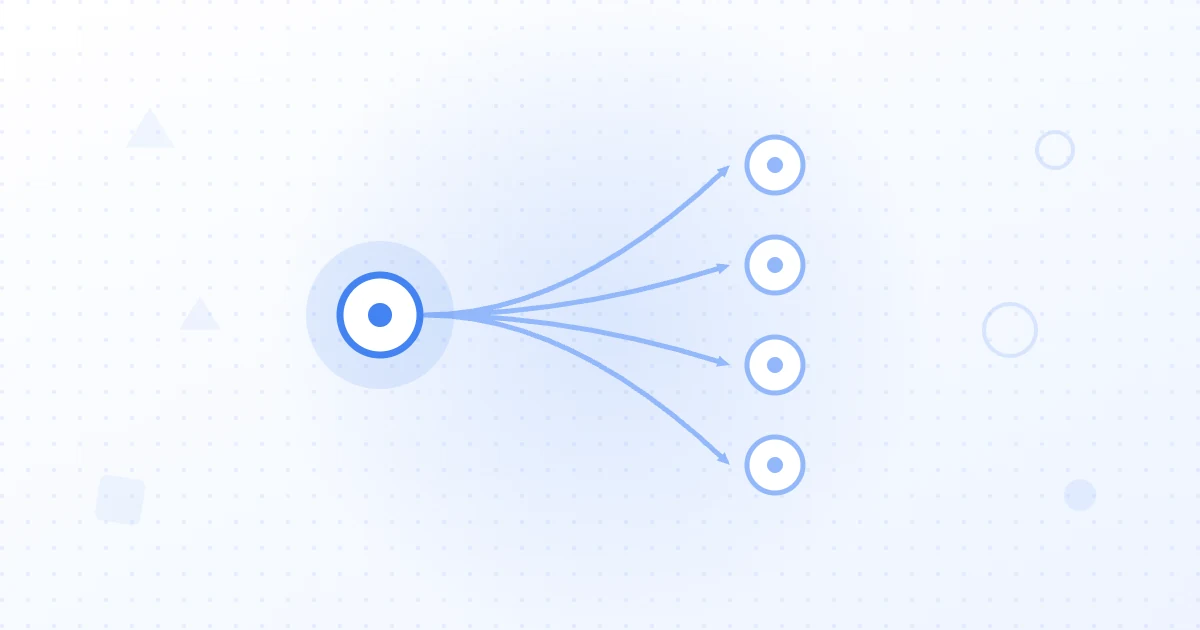
פיצול שאילתות (Query fanout) הוא מערך של שאילתות קשורות שרצות בו-זמנית, שמודל AI מייצר כדי לאסוף יותר מידע ממה שחיפוש בודד היה מחזיר. במקום לענות על השאלה שלכם באמצעות בדיקה אחת, המערכת מפרקת אותה לתת-נושאים, מוציאה אל הפועל שלל שאילתות בבת אחת בשמכם, שולפת תוכן ממקורות רבים, ומשלבת את הממצאים לתשובה אחת קוהרנטית.
זהו המנוע שמאחורי AI Mode של Google ומערכות דומות, והוא משנה את האופן שבו נראות פועלת. כאשר שאלה אחת הופכת לתריסר חיפושים, הדף שאתם צריכים "לנצח" בו כבר אינו הדף שמדורג עבור הביטוי המקורי, אלא הדף שעונה בצורה הטובה ביותר על אחת מתת-השאלות הרבות שהמודל ממציא.
פיצול שאילתות, הנכתב לעיתים query fan-out, הוא שיטת אחזור מידע שמרחיבה שאילתת משתמש בודדת למספר תת-שאילתות שלוכדות היבטים שונים של הכוונה. Google מתארת זאת כפירוק השאלה שלכם לתת-נושאים והוצאה לפועל של שאילתות רבות בו-זמנית. המטרה היא כיסוי: על ידי בחינת מספר זוויות בבת אחת, המערכת מרכיבה תשובה מלאה יותר ומעוגנת יותר מכל תוצאה בודדת שיכולה הייתה לספק.
לא כל שאלה מפעילה פיצול נרחב. שאילתה עובדתית פשוטה, כמו בירת מדינה, כמעט ולא זקוקה לכך, בעוד ששאלה מורכבת, השוואתית או פתוחה מתפצלת בהיקף רחב. המודל מחליט עד כמה להרחיב בהתאם למורכבות השאילתה ולכוונה שלה.
התהליך פועל בשלבים. תחילה, המערכת מנתחת את השאילתה באמצעות עיבוד שפה טבעית כדי לזהות כוונה, מורכבות, והאם נדרש פיצול. לאחר מכן היא מייצרת תת-שאילתות שבוחנות ניסוחים חלופיים, תת-נושאים, ושאלות המשך סבירות. כל תת-שאילתה מנותבת למקור המתאים, החל מהאינטרנט החי וגרף הידע ועד ביקורות, פורומים, פידים של קניות ותמלולי וידאו.
באופן קריטי, החיפושים הללו רצים במקביל ולא בזה אחר זה, וזה מה שמבדיל פיצול שאילתות מבדיקה בודדת. לאחר מכן המערכת מבצעת סינתזה רב-מקורית, ומחלצת קטעים עצמאיים ועתירי עובדות מדפים רבים ושוזרת אותם לתשובה אחת. כל המעגל הזה מפעיל את AI Mode וחוויות גנרטיביות דומות.
קחו לדוגמה את השאלה איך לתקן דשא מלא עשבים שוטים. Google השתמשה בדוגמה המדויקת הזו: הפיצול עשוי לכלול קוטלי עשבים הטובים ביותר לדשא, הסרת עשבים ללא כימיקלים, ואיך למנוע עשבים בדשא. שאלת קניות לגבי אוזניות Bluetooth יכולה להתפצל לנוחות, חיי סוללה, ביקורות, השוואות, תמחור ובידוד רעשים.
כל אחת מתת-השאילתות הללו שולפת ממקורות שעשויים להיות שונים, כך שהתשובה הסופית יכולה לצטט חצי תריסר מקורות, שאף אחד מהם לא דורג במקום הראשון עבור השאלה המקורית. זהו הלב המעשי של הסיבה שבגללה פיצול שאילתות מעצב מחדש את הנראות.
המספר משתנה בהתאם למורכבות. ניתוחי ענף מציעים שמערכות מייצרות בדרך כלל בין 5 ל-11 תת-שאילתות לכל בקשה, ולעיתים הרבה יותר, כאשר יש דיווחים לפיהם Gemini יכולה לפרק שאילתה בודדת לכתריסר תת-שאילתות מקבילות או יותר. נושאים מורכבים דוחפים את המספר גבוה יותר.
המספר המדויק פחות חשוב מההשלכה: שאלה בודדת פותחת כעת דלתות רבות אל התוכן שלכם. כל תת-שאילתה היא הזדמנות חדשה להיות מאוחזרים ומצוטטים, מה שמתגמל רוחב כיסוי על פני דף בודד המתאים באופן מדויק.
פיצול שאילתות נוטה לעקוב אחר דפוסים ניתנים לזיהוי. תת-שאילתות השוואתיות בוחנות אפשרות אחת מול אחרת, תת-שאילתות מבוססות ביקורות מחפשות דעות ודירוגים, ותת-שאילתות עדכניות מוסיפות מציינים של השנה הנוכחית כדי למצוא את המידע העדכני ביותר. וריאציות של מקרי שימוש בוחנות תקציב, רמת מיומנות, או תרחישים ספציפיים, ותת-שאילתות חלופיות מחפשות אפשרויות אחרות שהמשתמש לא ציין בשמן.
פיצול שאילתות ממיס את המודל הישן של מילת מפתח אחת, דף אחד. כדי להיות נראים, התוכן חייב להתייחס לכל אשכול השאלות סביב נושא, לא רק למונח הראשי, מכיוון שהמודל מחפש תשובות לתת-השאלות שהוא עצמו יצר. ציטוטים בתוך התשובה המסונתזת הופכים לשכבת הנראות החדשה, והם מושגים ברמת תת-השאלה.
זה הופך את הסמכות הנושאית להכרעתית. אתר שמכסה נושא בצורה ממצה, כאשר כל היבט נענה בבירור ומקושר סמנטית, נותן למודל הזדמנויות רבות לאחזר אותו לאורך הפיצול. יישור הכיסוי הזה עם השאילתות האמיתיות שאנשים שואלים, בגיבוי מחקר מילות מפתח ותכנון תוכן מובנה, הוא האופן שבו מותגים נשארים נוכחים כאשר שאלה אחת הופכת לרבות.
התחילו בבניית אשכולות נושאים שמתייחסים למספר תת-כוונות במקום דפים מבודדים, ובנו כל דף לקטעים ניתנים לחילוץ עם כותרות ברורות, רשימות וטבלאות, כך שהמודל יוכל להוציא תשובה נקייה. ענו על שאלות באופן ישיר ומוקדם, צרו תוכן השוואה וביקורת מפורש, והוסיפו סימני עדכניות היכן שהעדכניות חשובה. Google גם ממליצה להציע חומר ייחודי, מבוסס מומחיות, במקום למחזר ידע כללי.
שני אזהרות מ-Google ראויות לתשומת לב. הדפים חייבים להיות מאונדקסים, נגישים לציבור וניתנים לסריקה כדי להופיע בתכונות AI, ואסור ליצור דפים רבים כמעט זהים כדי לרמות את המערכת, מה שמפר מדיניות ספאם. חלק מהרחבות זמן-האחזור הללו דומות לשאילתות עיגון, כך שתוכן נקי, עובדתי ומחולק היטב לקטעים הוא היתרון בר-הקיימא.
פיצול שאילתות הופך שאלה אחת לתת-שאילתות מקבילות רבות, שולף קטעים ממקורות רבים, ומסנתז תשובה אחת, וכך חיפוש ה-AI המודרני פועל בפועל. הנראות תלויה כעת במתן מענה לכל אשכול תת-השאלות שנושא מייצר, לא רק בדירוג עבור ביטוי אחד, וציטוטים בתוך התשובה הם הפרס.
המהלך המנצח הוא כיסוי נושאי ממצה ומובנה היטב, הבנוי סביב תת-השאילתות שנושא מייצר, בגיבוי כלי המחקר ותכנון התוכן של Sorank. מקורות התייחסות: Aleyda Solis, Similarweb, ו-Google Search Central.

פיצול שאילתות מתרחש כאשר מערכת חיפוש AI לוקחת את השאלה הבודדת שלכם ומפצלת אותה בשקט לתת-שאלות קשורות רבות, ולאחר מכן מריצה את כולן בבת אחת על פני מקורות שונים. היא אוספת את החלקים הטובים ביותר מכל חיפוש ומשלבת אותם לתשובה אחת. המטרה היא לכסות נושא ממספר זוויות במקום להסתמך על בדיקה בודדת.
זה תלוי במידת המורכבות של השאלה. ניתוחים מציעים שמערכות מייצרות לרוב בין 5 ל-11 תת-שאילתות לכל בקשה, ולעיתים יותר, כאשר יש דיווחים לפיהם Gemini יכולה להפיק כתריסר או יותר עבור שאלות מורכבות. שאילתות עובדתיות פשוטות עשויות להפעיל פיצול מועט או ללא פיצול כלל, בעוד ששאלות פתוחות או השוואתיות מתפצלות הכי הרבה.
כסו את הנושא כולו, לא רק מילת מפתח אחת, כך שהתוכן שלכם יוכל לענות על תת-השאלות הרבות ששאילתה מייצרת. בנו את הדפים לקטעים ברורים ועצמאיים עם כותרות, רשימות וטבלאות, וענו על כל שאלה באופן ישיר. בנו סמכות נושאית עם תוכן השוואה וביקורת, שמרו על הדפים ניתנים לסריקה ומאונדקסים, והימנעו מיצירת דפים כמעט זהים כדי לרמות את המערכת.












.svg)
.svg)