
העדפות
הפרטיות חשובה לנו, ולכן יש לך אפשרות להשבית סוגים מסוימים של אחסון שייתכן שאינם נחוצים לתפקוד הבסיסי של האתר. חסימת קטגוריות עלולה להשפיע על חווית השימוש שלך באתר. מידע נוסף

הפרטיות חשובה לנו, ולכן יש לך אפשרות להשבית סוגים מסוימים של אחסון שייתכן שאינם נחוצים לתפקוד הבסיסי של האתר. חסימת קטגוריות עלולה להשפיע על חווית השימוש שלך באתר. מידע נוסף
למידת מכונה מאמנת תוכנה למצוא דפוסים ולבצע חיזויים מנתונים. גלו את הסוגים, כיצד היא פועלת, ומדוע היא מניעה SEO וחיפוש AI.
.webp)
.webp)




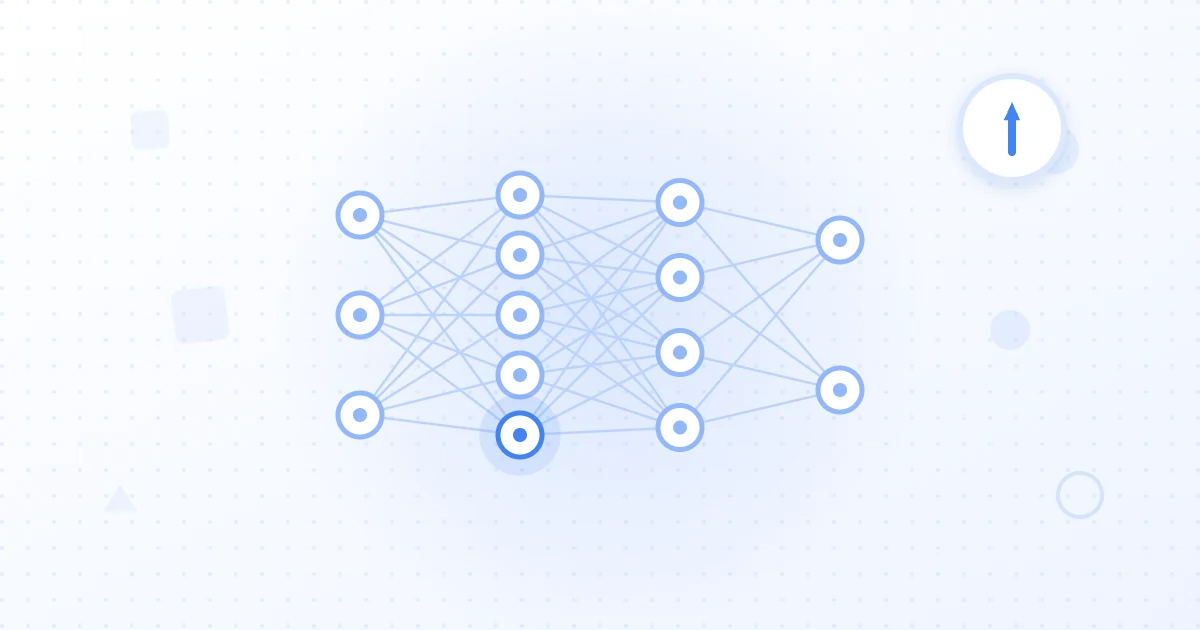
למידת מכונה היא התהליך של אימון תוכנה, הנקראת מודל, לבצע חיזויים שימושיים או ליצור תוכן מתוך נתונים. במקום לתכנת הוראות מפורשות לכל מקרה, מהנדסים מזינים למערכת דוגמאות ומאפשרים לה לגלות בעצמה את הקשרים המתמטיים המחברים בין הקלטים לפלטים.
המעבר הזה מכללים שנכתבו ידנית לדפוסים נלמדים עומד בבסיס כמעט כל מערכת חיפוש ו-AI מודרנית. מדירוג תוצאות ועד סינון ספאם והפעלת עוזרים בצ׳אט, למידת מכונה היא המנוע שמאפשר לתוכנה להשתפר עם הנתונים, ולכן הבנתה מבהירה כיצד מנועי חיפוש ומנועים גנרטיביים אכן פועלים.
למידת מכונה היא תת-תחום של בינה מלאכותית המתמקד במערכות הלומדות מנתונים. במקום שמתכנת יגדיר בדיוק כיצד לפתור משימה, המודל נחשף לדוגמאות רבות ומסיק את הדפוסים בעצמו. Google ממחישה זאת באמצעות דוגמת מזג האוויר: במקום לתכנת את הפיזיקה של הגשם, מערכת ML לומדת מנתוני מזג אוויר היסטוריים ומיישמת את הדפוסים האלה כדי לחזות תנאים חדשים.
התוצאה היא תוכנה שמכלילה. לאחר האימון, מודל יכול להתמודד עם קלטים שמעולם לא נתקל בהם, בהסתמך על הקשרים שלמד. עובדה זו הופכת את למידת המכונה לטכנולוגיית ליבה בתוך התחום הרחב יותר של עיבוד שפה טבעית ויישומי AI רבים נוספים.
ברמה גבוהה, מודל לוקח קלטים ומיישם שכבה אחת או יותר של טרנספורמציה מתמטית, תוך התאמת משקלים פנימיים עד שהפלטים שלו תואמים לתוצאות הרצויות. במהלך האימון הוא נחשף לדוגמאות רבות, מודד עד כמה הוא טועה, ומעדכן את המשקלים האלה כדי לצמצם את השגיאה. לאחר מעברים רבים, המודל מתכנס לדפוסים שמפיקים חיזויים מדויקים.
לאחר האימון, המודל משמש להיסק: הוא מיישם את המשקלים הנלמדים על נתונים חדשים כדי להפיק תשובה. איכות התוצאה תלויה במידה רבה בנתונים, ולכן נתוני אימון AI נקיים ומייצגים חשובים בדיוק כמו האלגוריתם עצמו.
למידה מונחית מאמנת מודל על נתונים מתויגים, שבהם כל קלט מגיע עם הפלט הנכון שלו. המודל לומד את הקשרים שמפיקים את התשובות האלה, בדומה לתלמיד שלומד ממבחנים קודמים הכוללים גם שאלות וגם פתרונות. לאחר מספיק דוגמאות, הוא יכול לחזות פלטים עבור קלטים חדשים.
קיימות שתי משימות נפוצות. רגרסיה חוזה ערך מספרי, כמו מחיר בית או משך זמן נסיעה. סיווג חוזה קטגוריה, כמו האם אימייל הוא ספאם או אילו אובייקטים מופיעים בתמונה. למידה מונחית מניעה זיהוי הונאות, אבחון רפואי, זיהוי תמונות ומערכות דירוג רבות, מכיוון שהיא מציעה דיוק ברור וניתן למדידה.
למידה לא מונחית מתאמנת על נתונים לא מתויגים, ומוצאת מבנה מבלי לקבל את התשובה הנכונה מראש. היא חושפת קבוצות, דפוסים וחריגות שבני אדם עלולים לעולם לא להבחין בהם. עובדה זו הופכת אותה לאידיאלית כאשר יש לכם נתונים אך אינכם יודעים עדיין בדיוק מה אתם מחפשים.
שתי טכניקות נפוצות הן אשכולות, המקבצות נקודות נתונים דומות, והפחתת ממדים, המפשטת נתונים מורכבים תוך שמירה על המבנה החשוב שלהם. שירות סטרימינג, לדוגמה, עשוי לגלות בעצמו שצופים בסרטים תיעודיים מדעיים נוטים גם לצפות בסדרות פוסט-אפוקליפטיות, דפוס שאף אחד לא תייג מראש. היא מצטיינת בפילוח לקוחות ובקיבוץ בסגנון חיפוש סמנטי.
למידת חיזוקים מלמדת סוכן לקבל רצפים של החלטות באמצעות תגמול על פעולות טובות והענשה על פעולות רעות. באמצעות ניסוי וטעייה, הוא לומד אסטרטגיות הממקסמות תגמול לטווח ארוך, וכך מערכות לומדות לשחק משחקים, לנווט מכוניות אוטונומיות ואפילו לייעל קירור של מרכזי נתונים. היא אינה זקוקה למערך נתונים מתויג, אך האימון יכול להיות איטי ותובעני מבחינת משאבים.
AI גנרטיבי הוא מחלקה של מודלים היוצרים תוכן מתוך קלט המשתמש, ומייצרים טקסט, תמונות, אודיו, וידאו או קוד באמצעות למידה לחקות דפוסים בנתוני האימון. משפחה זו מפעילה את העוזרים שמאחורי חיפוש AI גנרטיבי, וזהו הענף הרלוונטי ביותר לאופן שבו תוכן מסוכם ומצוטט כיום.
מודלי שפה גדולים הם תוצר בולט של למידת מכונה, המאומנים על כמויות עצומות של נתוני טקסט כדי לחזות וליצור שפה. LLM לומד דפוסים סטטיסטיים של האופן שבו מילים ורעיונות מתקשרים זה לזה, וזה מה שמאפשר לו לענות על שאלות, לסכם ולכתוב. אותם עקרונות למידה מוגדלים למערכות האלה, רק עם הרבה יותר נתונים ופרמטרים.
הקשר הזה חשוב מכיוון שהמנועים שמחליטים מה להציג ולצטט הם עצמם מודלי ML. ההבנה שהם מנמקים מתוך דפוסים נלמדים, לא מכללים קבועים, מסבירה מדוע תוכן ברור, עקבי ומובנה היטב מביא ביצועים טובים יותר: הוא מעניק למודלים אותות חזקים יותר ללמוד מהם ולהתאים אליהם.
חיפוש מונע על ידי למידת מכונה כבר שנים רבות. מערכות דירוג כמו RankBrain ו-BERT משתמשות ב-ML כדי לפרש שאילתות ולשפוט רלוונטיות, ומקדמות את החיפוש הרבה מעבר להתאמת מילות מפתח מילולית. פירוש הדבר שהתוכן שלכם מוערך על ידי מודלים המסיקים משמעות, כוונה ואיכות מתוך דפוסים.
עבור אופטימיזציית מנועים גנרטיביים, המשמעות ישירה. המערכות שמציגות ומצטטות תוכן הן מודלי ML המאומנים על נתוני רשת, כך שתוכן ברור, סמכותי ומובנה קל יותר עבורן להבין ולעשות בו שימוש חוזר. שילוב ההבנה הזו עם מחקר מילות מפתח ותכנון תוכן ממוקדים עוזר לכם להתיישר עם האופן שבו מודלים אלה בפועל מעריכים רלוונטיות.
למידת מכונה היא תוכנה שלומדת דפוסים מנתונים כדי לבצע חיזויים או ליצור תוכן, והיא הבסיס לחיפוש ו-AI מודרניים. הסוגים העיקריים שלה, מונחית, לא מונחית, חיזוקים וגנרטיבית, פותרים כל אחד בעיות שונות, אך כולם חולקים את אותו רעיון מרכזי של למידה מדוגמאות במקום פעולה לפי כללים קבועים.
כדי להעמיק, חברו את למידת המכונה עם עיבוד שפה טבעית ומערכות LLM הבנויות עליה, כדי לראות כיצד דפוסים נלמדים מעצבים מה מדורג ומצוטט. מקורות התייחסות: Google ו-DigitalOcean.

בינה מלאכותית היא המטרה הרחבה של בניית מערכות המבצעות משימות הדורשות אינטליגנציה. למידת מכונה היא תת-תחום של AI המתמקד באופן ספציפי במערכות הלומדות דפוסים מנתונים במקום לפעול לפי כללים שנכתבו ידנית. במילים אחרות, כל למידת מכונה היא AI, אך AI כוללת גם גישות אחרות שאינן מסתמכות על למידה מנתונים.
ארבעת הסוגים העיקריים הם למידה מונחית, המתאמנת על דוגמאות מתויגות; למידה לא מונחית, המוצאת מבנה בנתונים לא מתויגים; למידת חיזוקים, הלומדת באמצעות תגמולים וענישות; ו-AI גנרטיבי, היוצר תוכן חדש מתוך דפוסים נלמדים. מערכות רבות בפועל משלבות מספר סוגים, כשכל אחד מטפל בחלק מהבעיה שבו הוא הטוב ביותר.
מערכות דירוג חיפוש כמו RankBrain ו-BERT משתמשות בלמידת מכונה כדי לפרש שאילתות ולשפוט רלוונטיות, כך שהתוכן מוערך על ידי מודלים המסיקים משמעות במקום להתאים מילות מפתח באופן מילולי. גם מנועים גנרטיביים הם מודלי ML המאומנים על נתוני רשת. תוכן ברור, סמכותי ומובנה היטב מעניק למודלים האלה אותות חזקים יותר, ומשפר את הסיכויים שלכם להיות מדורגים ומצוטטים.












.svg)
.svg)