
التفضيلات
خصوصيتك مهمة بالنسبة لنا، لذلك لديك خيار تعطيل أنواع معينة من التخزين التي قد لا تكون ضرورية للوظائف الأساسية للموقع. قد يؤثر حظر الفئات على تجربتك في الموقع. مزيد من المعلومات

خصوصيتك مهمة بالنسبة لنا، لذلك لديك خيار تعطيل أنواع معينة من التخزين التي قد لا تكون ضرورية للوظائف الأساسية للموقع. قد يؤثر حظر الفئات على تجربتك في الموقع. مزيد من المعلومات
يدرّب التعلم الآلي البرمجيات على اكتشاف الأنماط وإجراء التنبؤات انطلاقًا من البيانات. تعرفوا على الأنواع وكيفية عمله ولماذا يشغّل SEO وبحث AI.
.webp)
.webp)




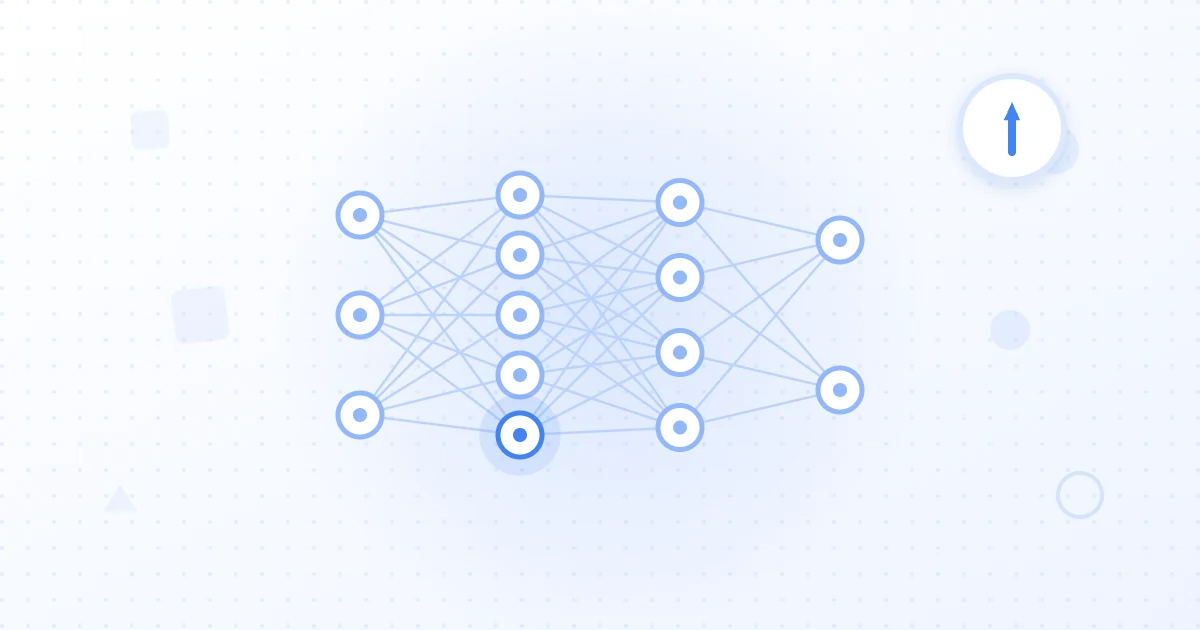

التعلم الآلي هو عملية تدريب برنامج، يُسمى نموذجًا، لإجراء تنبؤات مفيدة أو توليد محتوى انطلاقًا من البيانات. وبدلاً من برمجة تعليمات صريحة لكل حالة، يقوم المهندسون بتزويد النظام بأمثلة ويتركونه يكتشف بنفسه العلاقات الرياضية التي تربط المدخلات بالمخرجات.
هذا التحول من القواعد المكتوبة يدويًا إلى الأنماط المتعلّمة يشكّل أساس تقريبًا كل نظام بحث و AI حديث. من ترتيب النتائج إلى تصفية البريد العشوائي إلى تشغيل مساعدي الدردشة، التعلم الآلي هو المحرك الذي يتيح للبرمجيات التحسن مع البيانات، ولهذا فإن فهمه يوضح كيف تعمل فعليًا محركات البحث والمحركات التوليدية.
التعلم الآلي هو مجال فرعي من الذكاء الاصطناعي يركّز على الأنظمة التي تتعلم من البيانات. فبدلاً من أن يحدد المبرمج بدقة كيفية حل مهمة ما، يُعرض على النموذج عدد كبير من الأمثلة فيستنتج الأنماط بنفسه. توضح Google هذا المفهوم بمثال الطقس: فبدلاً من برمجة فيزياء هطول الأمطار، يتعلم نظام ML من بيانات الطقس التاريخية ويطبّق تلك الأنماط للتنبؤ بظروف جديدة.
النتيجة هي برمجيات قادرة على التعميم. فبمجرد التدريب، يمكن للنموذج التعامل مع مدخلات لم يسبق له رؤيتها، اعتمادًا على العلاقات التي تعلّمها. هذا ما يجعل التعلم الآلي تقنية أساسية ضمن مجال أوسع هو معالجة اللغة الطبيعية والعديد من تطبيقات AI الأخرى.
على مستوى عام، يأخذ النموذج المدخلات ويطبّق طبقة واحدة أو أكثر من التحويل الرياضي، مع تعديل الأوزان الداخلية حتى تتطابق مخرجاته مع النتائج المرغوبة. أثناء التدريب، يرى النموذج عددًا كبيرًا من الأمثلة، ويقيس مدى خطئه، ويحدّث تلك الأوزان لتقليل الخطأ. وبعد عدة جولات، يتقارب النموذج نحو أنماط تنتج تنبؤات دقيقة.
بمجرد التدريب، يُستخدم النموذج للاستدلال: فهو يطبّق الأوزان المتعلّمة على بيانات جديدة لإنتاج إجابة. تعتمد جودة النتيجة بشكل كبير على البيانات، ولهذا فإن بيانات تدريب AI النظيفة والممثّلة مهمة بقدر أهمية الخوارزمية نفسها.
يقوم التعلم الموجّه بتدريب نموذج على بيانات موسومة، حيث يأتي كل مدخل مع المخرج الصحيح له. يتعلم النموذج العلاقات التي تنتج تلك الإجابات، تمامًا كطالب يدرس امتحانات سابقة تتضمن أسئلة وحلولاً معًا. وبعد عدد كافٍ من الأمثلة، يستطيع التنبؤ بالمخرجات لمدخلات جديدة.
هناك مهمتان شائعتان. الانحدار يتنبأ بقيمة رقمية، مثل سعر منزل أو مدة رحلة. أما التصنيف فيتنبأ بفئة، مثل ما إذا كان بريد إلكتروني ما رسالة عشوائية أو أي كائن يظهر في صورة. يشغّل التعلم الموجّه أنظمة كشف الاحتيال والتشخيص الطبي والتعرف على الصور والعديد من أنظمة الترتيب لأنه يوفر دقة واضحة وقابلة للقياس.
يتدرب التعلم غير الموجّه على بيانات غير موسومة، فيجد بنية دون أن يُطلع على الإجابة الصحيحة. وهو يكشف عن تجمّعات وأنماط وحالات شاذة قد لا يلاحظها البشر أبدًا. هذا ما يجعله مثاليًا عندما تتوفر لديكم بيانات لكنكم لا تعرفون بعد بالضبط ما الذي تبحثون عنه.
هناك تقنيتان شائعتان هما التجميع، الذي يجمع نقاط البيانات المتشابهة، وتقليل الأبعاد، الذي يبسّط البيانات المعقدة مع الحفاظ على بنيتها المهمة. فقد تكتشف منصة بث، على سبيل المثال، بنفسها أن مشاهدي الأفلام الوثائقية العلمية يميلون أيضًا إلى مشاهدة المسلسلات ما بعد الكارثية، وهو نمط لم يقم أحد بوسمه مسبقًا. تتفوق هذه التقنية في تقسيم العملاء والتجميع على غرار البحث الدلالي.
يعلّم التعلم المعزز وكيلاً اتخاذ سلسلة من القرارات من خلال مكافأة الأفعال الجيدة ومعاقبة السيئة منها. ومن خلال التجربة والخطأ، يتعلم استراتيجيات تعظّم المكافأة على المدى الطويل، وهذه هي الطريقة التي تتعلم بها الأنظمة لعب الألعاب، وقيادة السيارات ذاتية القيادة، وحتى تحسين تبريد مراكز البيانات. لا يحتاج هذا النوع إلى مجموعة بيانات موسومة، لكن التدريب قد يكون بطيئًا ويستهلك موارد كبيرة.
الذكاء الاصطناعي التوليدي، أو AI التوليدي، هو فئة من النماذج تنشئ محتوى انطلاقًا من مدخلات المستخدم، فتنتج نصًا أو صورًا أو صوتًا أو فيديو أو كودًا من خلال تعلّم محاكاة الأنماط في بيانات التدريب. تشغّل هذه العائلة المساعدين الذين يقفون خلف بحث AI التوليدي، وهي الفرع الأكثر صلة بكيفية تلخيص المحتوى واقتباسه اليوم.
نماذج اللغة الكبيرة هي أحد المنتجات البارزة للتعلم الآلي، وتُدرّب على كميات هائلة من بيانات النصوص للتنبؤ باللغة وتوليدها. يتعلم LLM أنماطًا إحصائية حول كيفية ارتباط الكلمات والأفكار ببعضها، وهذا ما يتيح له الإجابة عن الأسئلة والتلخيص والكتابة. تنطبق نفس مبادئ التعلم على هذه الأنظمة على نطاق أوسع، فقط بكمية أكبر بكثير من البيانات والمعاملات.
هذا الارتباط مهم لأن المحركات التي تقرر ما تعرضه وتقتبس منه هي نفسها نماذج ML. وفهم أنها تستدل انطلاقًا من أنماط متعلّمة، لا من قواعد ثابتة، يوضح لماذا يحقق المحتوى الواضح والمتّسق والمنظّم جيدًا أداءً أفضل: فهو يمنح النماذج إشارات أقوى تتعلم منها وتطابق عليها.
ظل البحث مدفوعًا بالتعلم الآلي منذ سنوات. تستخدم أنظمة الترتيب مثل RankBrain وBERT تقنية ML لتفسير الاستعلامات وتقييم الصلة، مما ينقل البحث إلى ما هو أبعد بكثير من المطابقة الحرفية للكلمات المفتاحية. وهذا يعني أن محتواكم يُقيّم بواسطة نماذج تستنتج المعنى والنية والجودة من الأنماط.
بالنسبة لتحسين المحركات التوليدية، فإن الدلالة مباشرة. فالأنظمة التي تعرض المحتوى وتقتبس منه هي نماذج ML مدرّبة على بيانات الويب، لذا فإن المحتوى الواضح والموثوق والمنظّم أسهل عليها فهمه وإعادة استخدامه. واقتران هذا الفهم مع بحث الكلمات المفتاحية وتخطيط المحتوى المركّز يساعدكم على التوافق مع الطريقة التي تقيّم بها هذه النماذج الصلة فعليًا.
التعلم الآلي هو برمجيات تتعلم الأنماط من البيانات لإجراء تنبؤات أو توليد محتوى، وهو أساس البحث و AI الحديثين. أنواعه الرئيسية، الموجّه وغير الموجّه والمعزز والتوليدي، يحل كل منها مشكلات مختلفة، لكنها جميعًا تشترك في الفكرة الأساسية نفسها المتمثلة في التعلم من الأمثلة بدلاً من اتباع قواعد ثابتة.
للمضي أبعد، اربطوا التعلم الآلي بـمعالجة اللغة الطبيعية وأنظمة LLM المبنية عليه لترون كيف تشكّل الأنماط المتعلّمة ما يتم ترتيبه واقتباسه. مصادر مرجعية: Google وDigitalOcean.

الذكاء الاصطناعي هو الهدف الواسع المتمثل في بناء أنظمة تنجز مهامًا تتطلب ذكاءًا. أما التعلم الآلي فهو مجال فرعي من AI يركّز تحديدًا على الأنظمة التي تتعلم أنماطًا من البيانات بدلاً من اتباع قواعد مكتوبة يدويًا. بعبارة أخرى، كل تعلم آلي هو AI، لكن AI يشمل أيضًا مقاربات أخرى لا تعتمد على التعلم من البيانات.
الأنواع الأربعة الرئيسية هي التعلم الموجّه، الذي يتدرب على أمثلة موسومة؛ والتعلم غير الموجّه، الذي يجد بنية في بيانات غير موسومة؛ والتعلم المعزز، الذي يتعلم من خلال المكافآت والعقوبات؛ و AI التوليدي، الذي ينشئ محتوى جديدًا من أنماط متعلّمة. تجمع العديد من الأنظمة الحقيقية بين عدة أنواع، مستخدمةً كل نوع للجزء من المشكلة الذي يعالجه بأفضل شكل.
تستخدم أنظمة ترتيب البحث مثل RankBrain وBERT التعلم الآلي لتفسير الاستعلامات وتقييم الصلة، لذا يُقيّم المحتوى بواسطة نماذج تستنتج المعنى بدلاً من مطابقة الكلمات المفتاحية حرفيًا. كما أن المحركات التوليدية هي أيضًا نماذج ML مدرّبة على بيانات الويب. المحتوى الواضح والموثوق والمنظّم جيدًا يمنح هذه النماذج إشارات أقوى، مما يحسّن فرصكم في الترتيب والاقتباس.










.svg)
.svg)