
העדפות
הפרטיות חשובה לנו, ולכן יש לך אפשרות להשבית סוגים מסוימים של אחסון שייתכן שאינם נחוצים לתפקוד הבסיסי של האתר. חסימת קטגוריות עלולה להשפיע על חווית השימוש שלך באתר. מידע נוסף

הפרטיות חשובה לנו, ולכן יש לך אפשרות להשבית סוגים מסוימים של אחסון שייתכן שאינם נחוצים לתפקוד הבסיסי של האתר. חסימת קטגוריות עלולה להשפיע על חווית השימוש שלך באתר. מידע נוסף
GPT (generative pre-trained transformer) מפעיל את ChatGPT ואת חיפוש ה-AI. גלו כיצד הוא פועל וכיצד לגרום לתוכן שלכם להיות מצוטט על ידי מודלי GPT.
.webp)
.webp)




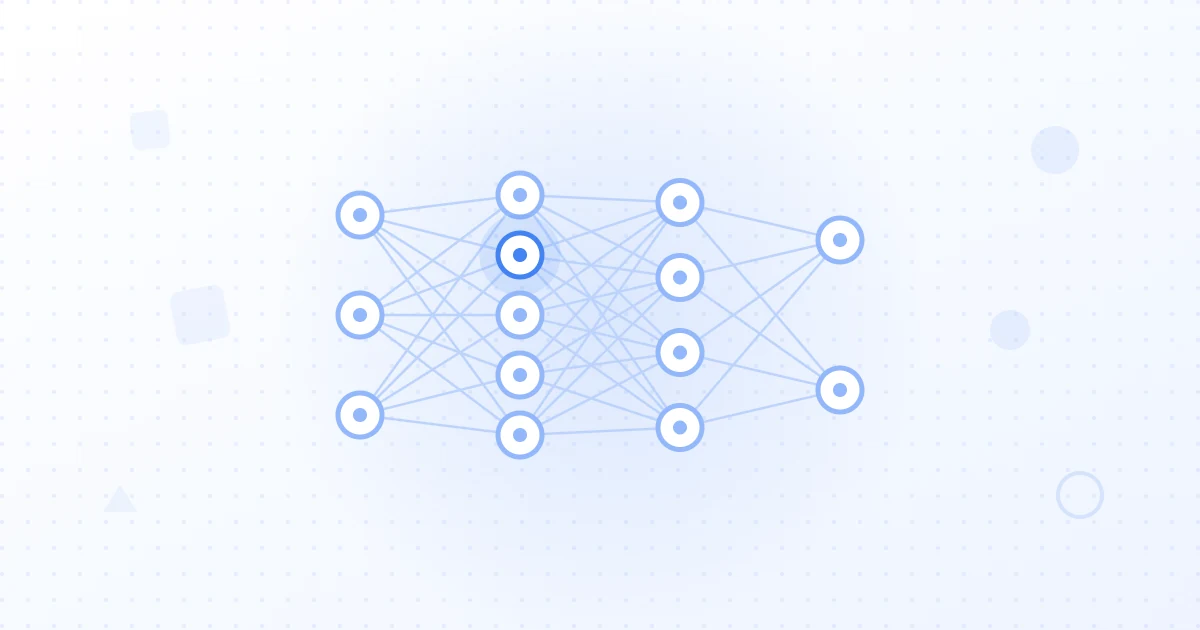
GPT הוא קיצור של generative pre-trained transformer, סוג של מודל שפה גדול שנוצר על ידי OpenAI ומייצר טקסט שוטף ודמוי-אנושי. השם מתאר בדיוק את מה שהמודל עושה: הוא גנרטיבי מכיוון שהוא יוצר תוכן חדש, מאומן מראש מכיוון שהוא לומד דפוסי שפה ממערכי נתונים עצומים ולא מתויגים לפני כל כוונון מותאם, ומבוסס על הטרנספורמר, עיצוב רשת נוירונים שמעבד רצף שלם של מילים בבת אחת ולא אחת אחרי השנייה.
GPT חשוב הרבה מעבר לצ'אטבוט בודד. הוא המנוע שמאחורי ChatGPT ונתח הולך וגדל של חיפוש וגילוי מונעי-AI, מה שאומר שהאופן שבו המודלים הללו קוראים, סומכים על, ומצטטים תוכן אינטרנטי, מעצב כעת את האופן שבו מותגים מתגלים. הבנת מהו GPT, וכיצד הוא פועל, היא הצעד הראשון לקראת השגת נראות בתוך תשובות AI.
GPT הוא טרנספורמר גנרטיבי מאומן מראש, סוג מודל שהופך בקשת טקסט להמשך הסביר ביותר בהתבסס על כל מה שלמד במהלך האימון. כאשר אתם נותנים לו שאלה או הוראה, הוא לא מחפש תשובה שמורה. במקום זאת הוא חוזה טקסט אסימון (token) אחר אסימון, כאשר אסימון הוא מילה או חלק ממילה, ובוחר כל אסימון הבא מתוך התפלגות הסתברות שנוצרת מהבקשה ומהאימון שלו.
המודלים שייכים לקטגוריה רחבה יותר הנקראת מודלי יסוד, מערכות שאומנו על נתונים רחבים בקנה מידה שמאפשר להן להתאים את עצמן למשימות רבות במורד הזרם. הכלליות הזו היא הסיבה לכך שמודל GPT בודד יכול לנסח אימייל, לסכם דוח, לכתוב קוד ולענות על שאלת מחקר מבלי להיבנות בנפרד עבור כל משימה.
החלק הגנרטיבי משמעו שהמודל יוצר פלט חדש במקום לסווג או לאחזר טקסט קיים. החלק המאומן מראש משמעו שהוא לומד תחילה שפה כללית מקורפוס עצום באמצעות למידה מפוקחת-עצמית, תוך חיזוי מילים חבויות או קרובות, לפני כל כוונון עדין אופציונלי לשימוש ספציפי. חלק הטרנספורמר מתייחס לארכיטקטורה שהוצגה ב-2017 המשתמשת במנגנון תשומת לב כדי לקרוא רצפים שלמים במקביל.
הפירוט הזה שימושי מכיוון שכל מילה ממופה ליכולת אמיתית. האימון המוקדם מעניק למודל ידע רחב, הטרנספורמר מעניק לו את היכולת להתמודד עם הקשר ארוך ביעילות, והמטרה הגנרטיבית מאפשרת לו להפיק את התשובות הפתוחות שאנשים מצפים להן מעוזרי AI מודרניים.
בליבה של כל מודל GPT נמצא הטרנספורמר ומנגנון תשומת הלב העצמית שלו. תשומת לב עצמית מאפשרת למודל לשקלל עד כמה כל אסימון רלוונטי לכל אסימון אחר בקלט, כך שהוא יכול ללכוד קשרים בין מילים שנמצאות רחוק זו מזו במשפט. מכיוון שהוא מעבד את הרצף המלא בבת אחת במקום משמאל לימין, הוא מתרחב בקלות ושומר על הקשר ארוך-טווח שעיצובים ישנים יותר איבדו.
טקסט הופך תחילה לembeddings, וקטורים מספריים שמייצגים משמעות, עם מידע מיקום שמתווסף כדי לשמר את סדר המילים. המודל לאחר מכן מיישם שכבות רבות של תשומת לב כדי לחזות את האסימון הבא. ההסתמכות הזו על אסימונים היא גם הסיבה לכך שמושגים כמו חלון ההקשר, כמות הטקסט שמודל יכול לשקול בבת אחת, משפיעים ישירות על כמה מהתוכן שלכם הוא יכול לקרוא במעבר אחד.
האימון מתרחש בשלבים. תחילה מגיע האימון המוקדם, שבו המודל לומד לחזות את המילה הבאה על פני כמויות עצומות של טקסט לא מתויג שנלקח מהאינטרנט הפתוח, ספרים ומקורות עיוניים. לפי AWS, GPT-3 אומן עם 175 מיליארד פרמטרים על יותר מ-45 טרהבייט של נתוני טקסט, מה שנותן תחושה של קנה המידה המדובר.
לאחר האימון המוקדם, מודלי GPT רבים מעודנים באמצעות למידת חיזוק מפידבק אנושי, או RLHF, שבה דירוגים אנושיים מלמדים את המודל לתת תשובות מועילות ומותאמות יותר. זה מה שהופך מנבא-מילה-הבאה גולמי לעוזר שעוקב אחר הוראות ונשאר בנושא, וזהו חלק מרכזי מהסיבה שבגללה ChatGPT הרגיש שמיש כל כך בהשקתו.
OpenAI הציגה את מודל ה-GPT הראשון ביוני 2018. GPT-2 הגיע בעקבותיו ב-2019 עם 1.5 מיליארד פרמטרים שאומנו על כ-40 גיגהבייט של טקסט אינטרנטי, ובלט ביצירת טקסט ארוך ושוטף. GPT-3 הגיע במאי 2020 עם 175 מיליארד פרמטרים ולמידה חזקה ממספר דוגמאות מועט (few-shot learning), כלומר יכולתו לבצע משימות מכמה דוגמאות בלבד בבקשה.
GPT-4, שיצא במרץ 2023, הוסיף יכולות מולטימודליות, עיבוד תמונות בנוסף לטקסט, ומודלי GPT מאוחרים יותר המשיכו להרחיב את יכולות ההיגיון ובחירת המודל האוטומטית. השקת ChatGPT בסוף 2022 הביאה את הטכנולוגיה הזו לקהל הרחב ואיפסה את הציפיות לגבי האופן שבו אנשים מחפשים ויוצרים.
GPT היא שורת מודלי השפה הגדולים המוכרת ביותר, אך היא אחת מכמה. Claude מבית Anthropic, Gemini מבית Google, ומגוון מודלי LLM בקוד פתוח כולם משתמשים באותו יסוד טרנספורמר תוך שהם נבדלים בנתוני האימון, בכוונון ובגישה. הידיעה ש-GPT הוא מותג של מודל, ולא מילה נרדפת לכל AI, מסייעת כאשר אתם מתכננים נראות ביותר מעוזר אחד.
מה שמאחד את המערכות הללו הוא המתכון של טרנספורמר גנרטיבי מאומן מראש. מה שמפריד ביניהן הוא כיצד כל ספק מקורי נתונים, מיישם כוונון בטיחות, וחושף את המודל דרך מוצרים וממשקי API, מה שבתורו משפיע על האופן שבו כל אחד סורק ומצטט את האינטרנט.
ככל שיותר אנשים שואלים עוזרים מונעי-GPT במקום להקליד בתיבת חיפוש קלאסית, הנראות עוברת מדירוג דף להיות המקור שממנו המודל מצטט. זהו לב האופטימיזציה למנועים גנרטיביים. כאשר עוזר GPT גולש באינטרנט החי כדי לענות על שאלה, הוא מעדיף דפים שמציגים עובדות בבירור, מכסים נושא לעומק, וקלים למכונות לפרסר, וזוהי מטרת אופטימיזציית ציטוטי AI.
המסקנה המעשית היא ש-GPT מתגמל את אותם יסודות שתוכן חזק תמיד היה מתוגמל בהם, מיושמים תוך מחשבה על מכונות. תשובות ישירות בתחילת הדף, נתונים מובנים (schema), עובדות עקביות, ונגישות לזחלני AI, כולם מגבירים את הסיכוי ש-GPT יציג ויצטט את המותג שלכם.
התחילו בכתיבה שמתחילה בתשובה: הציבו הגדרה או תשובה ברורה ועצמאית ליד תחילת כל דף כדי שמודל יוכל לחלץ אותה ללא ניחושים. בנו עומק נושאי אמיתי כך שהאתר שלכם ייקרא כסמכות ולא כדף דליל, וגבו זאת באסטרטגיית תוכן AI מכוונת שממפה את השאלות שהקהל שלכם באמת שואל.
לאחר מכן טפלו בצד הטכני. השתמשו בסימון נתונים מובנים (schema markup) כדי שמכונות יוכלו לקרוא את העובדות שלכם, שמרו על עקביות טענות בין דפים, וודאו שזחלנים הקשורים ל-GPT יכולים להגיע לתוכן שלכם. שילוב עבודה זו עם מחקר מילות מפתח ותכנון תוכן ממושמעים עוזר לכם למקד את הבקשות (prompts) הסבירות ביותר לשלוח אליכם תעבורת AI.
מודלי GPT מטפלים במגוון רחב של משימות בזכות האימון הכללי שלהם. שימושים נפוצים כוללים ניסוח ועריכת תוכן, סיכום מסמכים ארוכים, מענה על שאלות, כתיבה והסבר של קוד, ניתוח משוב, והפעלת עוזרים שיחתיים ותמיכת לקוחות. אותו מודל יכול לעבור בין המשימות הללו פשוט על ידי שינוי הבקשה.
עבור אנשי שיווק ומייסדים באופן ספציפי, GPT הוא גם כלי ייצור וגם ערוץ הפצה. הוא מאיץ את יצירת התוכן, והוא הופך יותר ויותר למקום שבו לקוחות פוטנציאליים מגלים תשובות, וזו הסיבה שאופטימיזציה לנראות ב-GPT היא כעת חלק מאסטרטגיית חיפוש שלמה.
מודלי GPT יכולים לייצר טקסט בטוח שהוא שגוי מבחינה עובדתית, בעיה המכונה הזיית AI. הידע שלהם גם מוגבל על ידי מועד חיתוך האימון אלא אם המודל מחובר לאחזור בזמן אמת, כך שהם עלולים לפספס התפתחויות אחרונות. איכות הפלט תלויה במידה רבה בבקשה ובאיכות המקורות שהמודל יכול להגיע אליהם.
מסיבות אלה, יש להתייחס לפלט של GPT כטיוטה חזקה שיש לאמת ולא כמקור אמת סופי. סקירה אנושית, בדיקת מקורות, וביסוס עובדתי ברור נשארים חיוניים, הן כאשר אתם משתמשים ב-GPT ליצירת תוכן והן כאשר אתם מסתמכים עליו כדי לייצג את המותג שלכם במדויק.
GPT, ה-generative pre-trained transformer, היא משפחת המודלים שהפכה חיזוי מילה הבאה ל-AI שוטף וכללי-מטרה, ונמצאת כעת מאחורי חלק ניכר מהאופן שבו אנשים מחפשים ויוצרים. עבור אנשי שיווק ומו"לים, היא ממסגרת מחדש את הנראות סביב היות מקור ברור, אמין וניתן לציטוט ש-GPT יכול לקרוא ולעשות בו שימוש חוזר, לא רק דף שמדורג עבור מילת מפתח אחת.
כדי להעמיק בנושא, חברו זאת למודלי שפה גדולים ולתוכנית רחבה יותר של אופטימיזציית ציטוטי AI, והשתמשו בכלי המחקר ותכנון התוכן של Sorank כדי למקד את השאלות ש-GPT עונה עליהן הכי הרבה. מקורות: AWS ו-Wikipedia.

GPT הם ראשי התיבות של generative pre-trained transformer. גנרטיבי (generative) משמעו שהוא יוצר טקסט חדש, מאומן מראש (pre-trained) משמעו שהוא למד מקבצי נתונים גדולים ולא מתויגים לפני כל כוונון ספציפי למשימה, וטרנספורמר (transformer) היא ארכיטקטורת רשת הנוירונים שמאפשרת לו לשקלל כל מילה ברצף בבת אחת. יחד, שלושת הרעיונות הללו מתארים כיצד המודל מייצר שפה שוטפת ומודעת-הקשר.
לא, הם קשורים אך שונים. GPT היא משפחת מודלי השפה הבסיסית שנבנתה על ידי OpenAI, בעוד ש-ChatGPT הוא אפליקציית הצ'אט שרצה על גבי מודל GPT ומוסיפה ממשק שיחתי, כוונון בטיחות, וכלים כמו גלישה באינטרנט. אפשר לחשוב על GPT כמנוע ועל ChatGPT כמכונית שנבנתה סביבו.
פרסמו דפים ברורים ומובנים היטב שעונים על שאלות ספציפיות באופן ישיר ומוקדם, ולאחר מכן הפכו אותם לנגישים וקלים לפרסור עבור זחלני AI. עוזרים מבוססי-GPT שגולשים באינטרנט החי מעדיפים מקורות בעלי עומק נושאי חזק, עובדות עקביות, ועיצוב נקי. מעקב אחר הציטוטים שלכם בכלי AI שונים מראה אילו דפים כבר צצים ואילו זקוקים לעבודה נוספת.











.svg)
.svg)