העדפות
הפרטיות חשובה לנו, ולכן יש לך אפשרות להשבית סוגים מסוימים של אחסון שייתכן שאינם נחוצים לתפקוד הבסיסי של האתר. חסימת קטגוריות עלולה להשפיע על חווית השימוש שלך באתר. מידע נוסף

הפרטיות חשובה לנו, ולכן יש לך אפשרות להשבית סוגים מסוימים של אחסון שייתכן שאינם נחוצים לתפקוד הבסיסי של האתר. חסימת קטגוריות עלולה להשפיע על חווית השימוש שלך באתר. מידע נוסף
Digital Entity Optimization גורם למנועי חיפוש ול-AI לזהות את המותג שלכם כישות מאומתת. גלו כיצד לבנות סמכות ישות ולהיות מצוטטים.
.webp)
.webp)



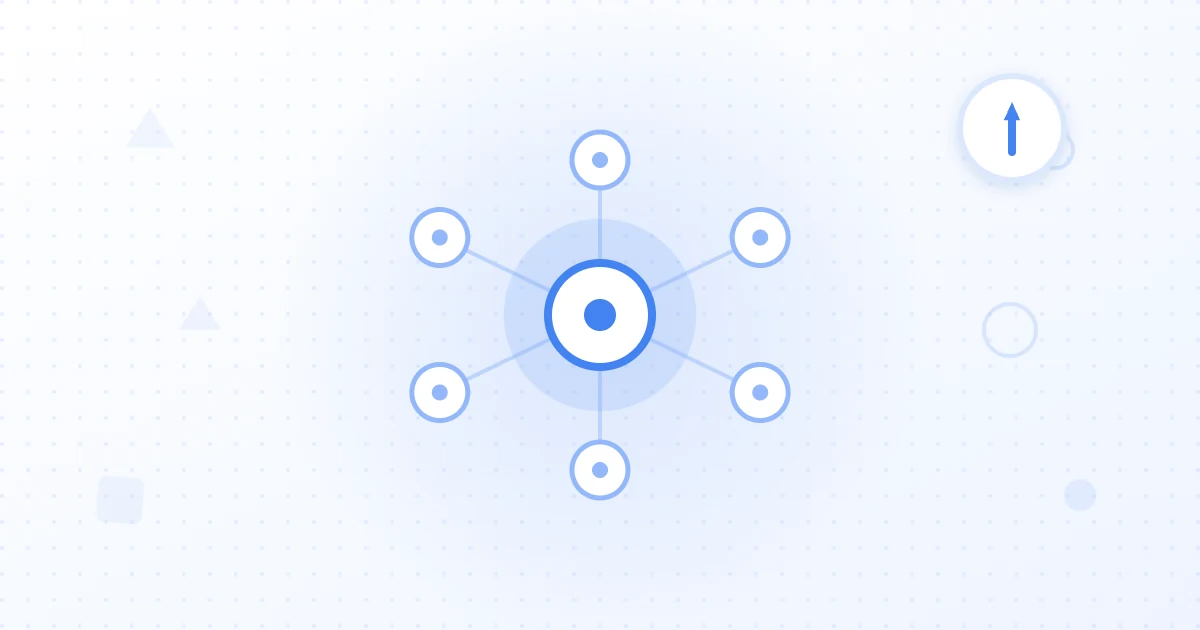
Digital Entity Optimization היא הפרקטיקה של עיצוב האופן שבו מכונות מבינות את המותג, האנשים והמוצרים שלכם כישויות מובחנות, ולא כאוסף רופף של מילות מפתח. המטרה היא לספק למנועי חיפוש ולמערכות AI תמונה חד-משמעית ומגובה היטב לגבי מי אתם, מה אתם עושים וכיצד אתם קשורים לישויות ידועות אחרות, כדי שיוכלו למקם אתכם נכון ברשתות הסמנטיות שלהם ולהציג אתכם בביטחון.
עבודה זו הפכה מ"נחמד שיהיה" לתשתית ליבה. ככל שעוזרי AI עונים יותר ויותר על שאלות באמצעות הסקה על בסיס ידע מובנה, מותג שאינו מוכר כישות ברורה קשה לצטט. Digital Entity Optimization היא הדרך שבה אתם הופכים למקור מהסוג שהמערכות הללו יכולות לזהות ולסמוך עליו.
ישות (entity) היא דבר מובחן וניתן לזיהוי שמנוע חיפוש מתייחס אליו כאל מושג אמיתי ולא כמחרוזת טקסט: ארגון, אדם, מקום, מוצר או רעיון. Digital Entity Optimization הוא המאמץ המכוון ליצירת ייצוגים מדויקים ומאומתים של הארגון שלכם ושל אנשי המפתח שלו במאגרי המידע המובנים שעליהם מכונות מסתמכות, ולאחר מכן לשמור על עקביות הייצוגים הללו בכל מקום שבו הם מופיעים.
יש חפיפה בינו לבין entity SEO, אך הוא נוקט בגישה רחבה יותר. Entity SEO מתמקד בדירוג ובפיצ'רים של החיפוש; Digital Entity Optimization מכסה את כל טביעת הרגל של ישות המותג שלכם, באתר שלכם, במאגרי מידע של צד שלישי וברחבי הרשת הפתוחה. הבסיס המשותף הוא הknowledge graph, שבו ישויות מאוחסנות עם מזהים ייחודיים, מאפיינים מסוגים (typed properties) וקשתות יחסים לישויות אחרות.
לפי הדיווחים, ה-Knowledge Graph של Google מאחסן למעלה מ-500 מיליארד עובדות בין יותר מ-5 מיליארד ישויות. כל ישות מקבלת מזהה פנימי ייחודי (kgmid במערכות של Google, או QID ב-Wikidata), מערך מאפיינים מסוגים כגון תאריך הקמה, מיקום והנהלה, וקשתות המחברות אותה לישויות קשורות. כאשר המערכת פותרת מיהי ישות מסוימת, היא מעניקה עדיפות למקורות מובנים וקריאים למכונה כמו Wikipedia ו-Wikidata על פני עמודי אינטרנט גולמיים.
זו הסיבה שלפירוש חד-משמעי (disambiguation) יש חשיבות: המודל צריך להיות בטוח שחברת Apple אינה תפוח (apple) לפני שהוא יכול להשתמש בכם בתשובה. ישויות חזקות מפחיתות את חוסר הוודאות הזה, וודאות היא מה שמניע נראות. אותם נתוני ישות פתורים מזינים יותר ויותר מערכות AI, שכן מודלים כמו Gemini מאומנים על מידע מה-knowledge graph.
התחילו ב"בית הישות" (entity home), בדרך כלל עמוד האודות שלכם, העמוד היחיד שמעגן את האופן שבו אלגוריתמים מבינים את המותג שלכם. עליו לציין עובדות ארגוניות מדויקות, לשאת סכימת Organization ב-JSON-LD עם @id שמצביע לדומיין הקנוני שלכם, ולגבות כל טענה מובנית בתוכן תואם בעמוד עצמו. כפי שמדריך אחד מנסח זאת, סכימה בלי תוכן ממשי היא הצהרה ריקה בעיצוב מסודר.
לאחר מכן, צרו ערך ב-Wikidata. בניגוד ל-Wikipedia, ל-Wikidata אין דרישת "בולטות" (notability), כך שכל עסק לגיטימי יכול להירשם ולקבל QID קבוע לזיהוי חד-משמעי. לאחר מכן יישמו את מאפיין sameAs, הנתמך רשמית על ידי Google, המקשר את הישות שלכם ל-QID שלה ב-Wikidata, לעמוד ה-LinkedIn, לערך ב-Wikipedia אם קיים, ולמרשמי ענף רלוונטיים. פעולה זו יוצרת את הקשרים הדו-כיווניים שמאשרים זהות אחת ועקבית.
מכונות סומכות על ישויות שהרשת הרחבה יותר מסכימה לגביהן. אזכורים עצמאיים במקורות סמכותיים מחזקים את הישות שלכם הרבה יותר מהצהרות עצמיות בלבד. ניתוח אחד מצא שאזכורי מותג מתואמים עם נראות ב-AI ביחס של כ-0.664, לעומת כ-0.218 לקישורים נכנסים (backlinks) בלבד, מה שמדגיש עד כמה אימות עקבי מצד שלישי חשוב בהקשר של חיפוש AI.
הדבר קשור קשר הדוק לentity consensus: ככל שיותר מקורות עצמאיים מתארים את המותג שלכם באותה צורה, עם אותן עובדות ואותם יחסים, כך מודל יכול לפתור ולהשתמש בו בביטחון רב יותר. שמות, תאריכים או תיאורים לא עקביים ברחבי הרשת פועלים בכיוון ההפוך, ומאלצים מערכות להיזהר או להשמיט אתכם לחלוטין.
בתוך עמוד בודד, entity salience מודד עד כמה ישות מרכזית לתוכן. עמודים בעלי salience גבוה הופכים את הישות המטרה לנושא של משפטים משמעותיים עם יחסים ומאפיינים ברורים, לא רק אזכורי מילות מפתח מפוזרים. שימוש בסכימת mentions כדי להצביע ממושגים בעלי שם, אנשים ומקומות אל ישויות ה-Wikidata שלהם, עוזר למכונות לקשר את התוכן שלכם לצמתים הנכונים בגרף.
מקרה מבחן אחד דיווח על עלייה של 336 אחוז בשיעור הקלקה (click-through rate) עבור שאילתה עיקרית לאחר יישום קישור ישויות (entity linking) על מאמר, אף שנתונים מסוג זה שמקורם בספקים הם כיווניים בלבד ולא מאומתים באופן עצמאי. העיקרון תקף בכל מקרה: ישויות מפורשות ומקושרות היטב עוזרות למנועי חיפוש ולמערכות AI להבין בדיוק על מה מדבר עמוד מסוים.
ישויות פתורות הופכות יותר ויותר לשער הכניסה לציטוטי AI. AI Overviews ותשובות עוזרים נוטים לצטט ישויות שהמערכת יכולה לזהות בביטחון, מה שאומר ש-generative engine optimization תלוי בישויות שכבר מבוססות ב-knowledge graph. בלי הבסיס הזה, אפילו תוכן חזק מתקשה להיות מוזכר בתשובות AI.
תוכן המוכר כישות זכאי גם יותר ל-rich results, ל-knowledge panels ולסיכומים שנוצרים על ידי AI. שילוב עבודת הישויות עם AI citation optimization ועם AI content strategy ממוקדת, הופך הכרה לנראות עמידה הן בחיפוש הקלאסי והן בעוזרי AI.
הגדירו את עובדות הישות שלכם פעם אחת ושמרו עליהן זהות בכל מקום: שם, תאריך הקמה, הנהלה, מיקום ותיאור. יישמו סכימת Organization ו-Person עם @id יציב, ואז חברו הכל בקישורי sameAs ל-Wikidata, ל-LinkedIn ולמרשמים סמכותיים. שאפו לערך Wikidata מוקדם, מכיוון שאין לו רף בולטות, וחפשו אזכורים אמיתיים מצד שלישי שחוזרים על העובדות המרכזיות שלכם.
באתר שלכם, בנו עומק נושאי כך שישות המותג תתחזק על פני עמודים קשורים רבים, והשתמשו במחקר מילות מפתח ותכנון תוכן ממושמע כדי לכסות את השאלות שבהן אתם רוצים להיות הסמכות המצוטטת. אמתו את הנתונים המובנים שלכם באופן קבוע כדי שטעויות לא יערערו את הישות שאתם בונים.
בניית ישות היא איטית. ה-knowledge graphs מתעדכנים על פי לוח הזמנים שלהם, כך שערך ב-Wikidata או שינוי בסכימה עשויים לקחת זמן עד שישפיעו על האופן שבו אתם מזוהים. אין מתג מיידי, ונדרשים סבלנות ועקביות כאחד.
סטטיסטיקות רבות שמצוטטות בהרחבה בתחום זה מגיעות מספקים, ויש להתייחס אליהן ככיווניות ולא כמוכחות, מכיוון שהתוצאות משתנות לפי ענף והקשר. לבסוף, נתונים מובנים מועילים רק אם הם משקפים את המציאות: הצגת עובדות באופן שגוי כדי לרדוף אחר אותות ישות עלולה לפעול לרעתכם כאשר הרשת הרחבה יותר סותרת את הטענות שלכם.
Digital Entity Optimization עוסק בהפיכת המותג שלכם לקריא עבור מכונות: ישות מוגדרת ומאומתת בבירור, עם עובדות עקביות, אימות חזק מצד שלישי ונתונים מובנים נקיים. ככל שחיפוש AI נשען יותר על ישויות פתורות כדי להחליט מה לצטט, עבודה זו הפכה לבסיסית ולא לאופציונלית.
כדי להעמיק, חברו זאת עם entity SEO ועם entity consensus, והשתמשו בכלי המחקר ותכנון התוכן של Sorank כדי למקד את הנושאים שבהם אתם רוצים להיות הסמכות המוכרת. מקורות התייחסות: Digital Applied וMRS Digital.

יש חפיפה רבה ביניהם. Entity SEO מתמקד בדירוג ובזכייה בפיצ'רים של החיפוש באמצעות הבהרת ישויות עבור Google. Digital Entity Optimization נוקט בגישה רחבה יותר, ומכסה את כל טביעת הרגל של ישות המותג שלכם, באתר שלכם, במאגרי מידע מובנים כמו Wikidata, ובמקורות צד שלישי. המטרה היא זהות אחת ומאומתת שגם מנועי חיפוש וגם מערכות AI יכולים לזהות ולצטט.
בנו בית ישות (בדרך כלל עמוד האודות) עם עובדות מדויקות וסכימת Organization, ולאחר מכן צרו ערך ב-Wikidata, שאין לו דרישת בולטות. חברו הכל באמצעות מאפיין sameAs המקשר ל-QID שלכם ב-Wikidata, ל-LinkedIn ולמרשמי ענף. לבסוף, השיגו אזכורים עקביים מצד שלישי שחוזרים על אותן עובדות, כך שמקורות עצמאיים יאמתו את הזהות שלכם.
מערכות AI נוטות לצטט ישויות שהן יכולות לזהות בביטחון, ומודלים כמו Gemini מאומנים על נתוני knowledge graph. אם המותג שלכם אינו פתור כישות ברורה, קשה לעוזר AI להתייחס אליכם במדויק. הקמת ישות מאומתת הופכת יותר ויותר לתנאי מקדים להופעה ב-AI Overviews ובתשובות עוזרים.







.svg)
.svg)