
העדפות
הפרטיות חשובה לנו, ולכן יש לך אפשרות להשבית סוגים מסוימים של אחסון שייתכן שאינם נחוצים לתפקוד הבסיסי של האתר. חסימת קטגוריות עלולה להשפיע על חווית השימוש שלך באתר. מידע נוסף

הפרטיות חשובה לנו, ולכן יש לך אפשרות להשבית סוגים מסוימים של אחסון שייתכן שאינם נחוצים לתפקוד הבסיסי של האתר. חסימת קטגוריות עלולה להשפיע על חווית השימוש שלך באתר. מידע נוסף
הפוך את אתר קורסי Thinkific שלך לגלוי ל-Google ולחיפוש AI. השתמש ב-Thinkific Sites, בדפי נחיתת קורסים, ב-JSON-LD וב-llms.txt כדי ש-ChatGPT, Perplexity, Claude ו-Gemini יצטטו את הקורסים שלך.
.webp)
.webp)





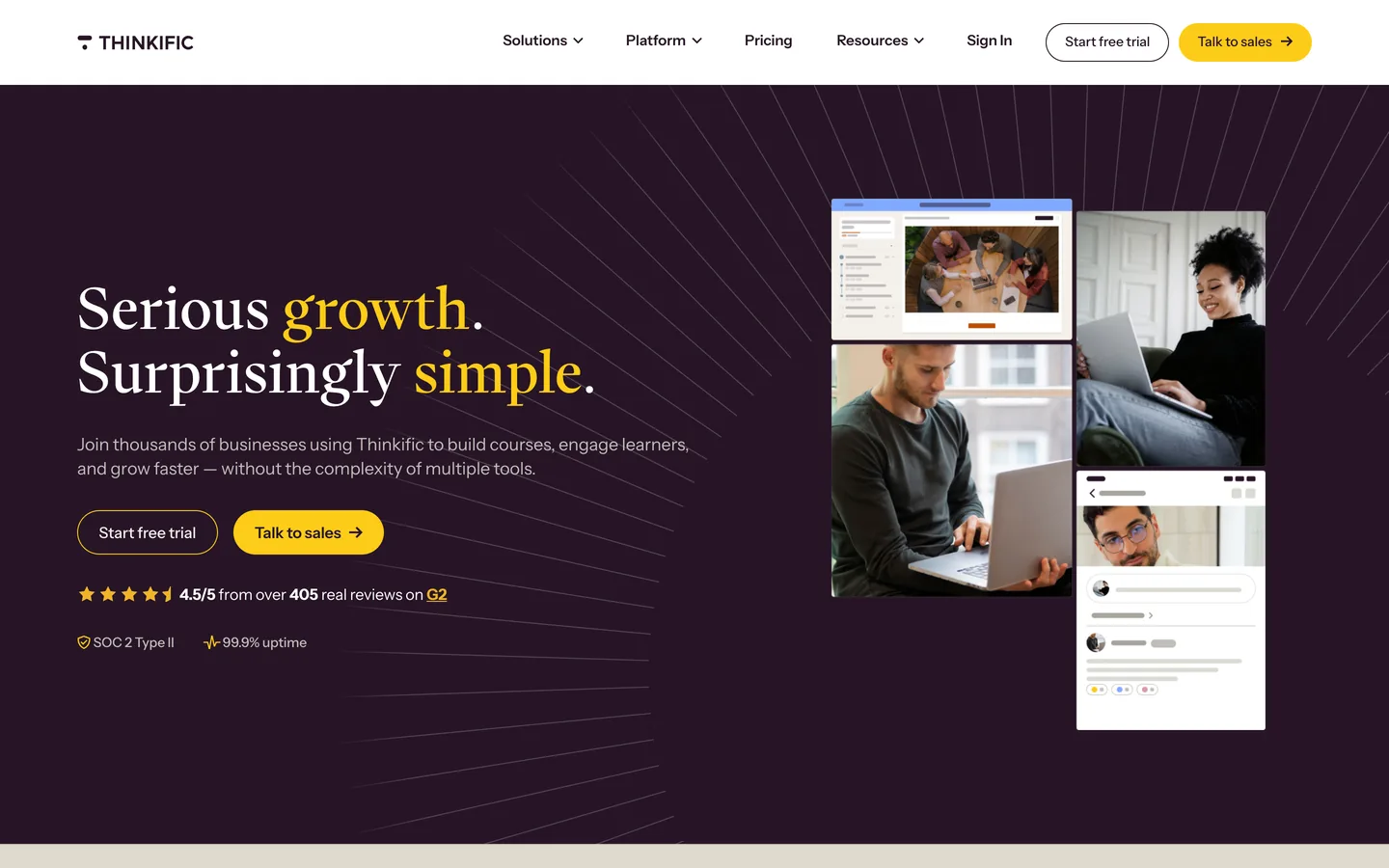


Thinkific מפעיל את בית הספר המקוון שלך, מארח את הקורסים שלך ומגיש דפי מכירה ממותגים, ועם ההגדרה הנכונה הוא מרוויח מקום בתוך תשובות AI, לא רק בתוצאות חיפוש קלאסיות. הבעיה היא ש-Thinkific אין לו בלוג מובנה, כך שהאופן שבו אתה בונה דפי קורסים, דפי נחיתה ותוכן חיצוני מחליט אם עוזרים יכולים למצוא ולצטט אותך. התחל עם geo seo audit בסיסי ועקוב אחר כל רווח ב-geo seo dashboard. מדריך זה מראה איך להגדיר את Thinkific כך ש-Google ועוזרים כמו ChatGPT, Perplexity, Claude ו-Gemini יבינו, יסמכו וימליצו על בית הספר שלך.
לומדים שואלים כעת עוזרי AI איזה קורס לקחת, והעוזרים עונים עם רשימה קצרה של מקורות מצוטטים. Generative Engine Optimization היא הפרקטיקה של להיות אחד מהמקורות הללו. Thinkific נותן לך ישויות מובנות לעבוד איתן: כל קורס, מדריך וחבילה הם אובייקט ברור עם כותרת, תיאור ותוצאה. כאשר הדפים הציבוריים שלך חושפים את המבנה הזה בצורה נקייה, מודלים ממפים את בית הספר שלך, הנושאים שלך וסמכות ההוראה שלך, ומציגים אותך כאשר לומד מתאר את המיומנות שהוא רוצה.
התחל עם מדידה. הנחה את העוזרים המובילים עם השאלות שלומדים אכן מקלידים, כמו איך ללמוד מיומנות או איזו תוכנית מתאימה למטרה, ואז רשום אם הדפים שלך מצוטטים ואיך בתי ספר מתחרים מופיעים. עקוב אחר נראות מותג עם ai mention tracking, בדוק את המקורות שאתה כבר מרוויח דרך ai cited backlinks, והרץ geo seo audit בסיסי כדי למפות את הישויות שכבר קשורות למותג שלך.
ב-GEO, כוונה מגיעה כהנחיות בשפה טבעית. אסוף את הנוסח המדויק שלומדים משתמשים בו כאשר הם מחפשים הכשרה, ואז קבץ אותו לפי משימה: לחקור נושא, להשוות תוכניות, להירשם ולהחיל מיומנות. הרחב כיסוי עם query fan-out tool ותעדף נושאים עם keyword research. עבור כל אשכול, בחר יעד קנוני אחד, בדרך כלל דף נחיתת קורס של Thinkific, והפוך אותו לתמציתי, ראוי לציטוט ומגובה בתוצאות ברורות ותוכנית לימודים שקופה.
Thinkific Sites ובונה הדפים הם המשטח הציבורי שלך, אז התייחס אליהם כגרף ישויות. דפי נחיתת קורסים מתארים כל תוכנית, דפי מדריכים מבססים מומחיות, ודפי קטגוריה או אוסף מקבצים קורסים קשורים. מכיוון שחסר ל-Thinkific בלוג, דפי הנחיתה שלך נושאים את רוב המשקל הנושאי, אז כתוב אותם עם עומק אמיתי: למי הקורס מיועד, מה לומדים משיגים, המודולים והוכחה. מפה שדות דף לתכונות schema.org כמו name, description, image ו-provider, ושמור על כותרות קורסים, שמות מדריכים וקטגוריות עקביים כדי שמודלים יקראו בית ספר קוהרנטי אחד.
שמור H1 אחד לדף, בנה תת-נושאים עם H2 ו-H3, וכתוב כותרות סעיפים שמזכירות את המיומנות ואת התוצאה. ודא שקטלוג הקורסים ודפי הנחיתה שלך ציבוריים, מכיוון ששיעורים יושבים מאחורי הרשמה ועוזרים מצטטים את הדפים הפתוחים. דחוס תמונות, הוסף טקסט alt תיאורי, ושמור על פריסות קלות כך שדפים ייטענו במהירות, מה ש-Google וזחלני AI מתגמלים. Thinkific מגיש את בית הספר שלך באירוח משלו עם HTML מרונדר לדפים ציבוריים, כך שהקטלוג ודפי הנחיתה ניתנים לזחילה כברירת מחדל, והמאמץ שלך שייך לכותרות, איכות טקסט ומטא-נתונים.
Thinkific חושף הגדרות SEO לדפים ולקורסים, כולל כותרת, מטא-תיאור וכתובת URL. כתוב כל כותרת כהצהרת ישות ברורה שמציינת את הנושא, הקהל והתוצאה. שמור על מטא-תיאורים בין 150 ל-250 תווים וכלול את שם הקורס או הנושא בתוספת סיבה ללחוץ. קבע כתובות URL קאנוניות כדי לאחד וריאנטים כפולים או מסוננים, וודא שתגי Open Graph נושאים את הכותרת והתמונה הנכונים כדי שהפניות חברתיות יחזקו את נושא הדף כאשר מודלים נתקלים בהם.
Thinkific מאפשר לך להוסיף קוד מותאם אישית ב-head של האתר או הדף, ושם JSON-LD שייך. השתמש בסכימת Course עם name, description ו-provider בדפי קורסים, WebPage ו-BreadcrumbList לניווט, FAQPage לבלוקי שאלות, ו-HowTo למדריכים. הוסף סכימת Organization בכל האתר עם logo, קישורי sameAs לפרופילים המאומתים שלך, foundingDate ו-contactPoint. אותות מובנים אלה נותנים למודלי AI הקשר קריא למכונה על בית הספר שלך שפרוזה לבדה אינה יכולה לספק, וסכימת Course בעלת ערך במיוחד מכיוון שהדפים שלך ממוקדי קורסים.
ללא בלוג שאפשר להישען עליו, דפי נחיתת הקורסים שלך חייבים לעבוד כפול כתוכן הראוי ביותר לציטוט, אז כתוב אותם כדי שיצוטטו. פתח בהצהרה פשוטה של למי הקורס מיועד והתוצאה שהוא מספק, ואז פרט את תוכנית הלימודים, זמן ההשלמה, הפורמט והתעודה. הצג ביקורות סטודנטים אמיתיות ותוצאות מדידות, מכיוון שאותות ניסיון נושאים משקל אצל Google ועוזרי AI כאחד. הוסף שיעור תצוגה מקדימה חינם או מודול לדוגמה שזחלנים יכולים לקרוא, ומקם FAQ קצר שעונה על מחיר, רמה ודרישות מקדימות. דף נחיתה שנבנה בדרך זו נותן לעוזרים קטע נקי ועובדתי לצטט.
Thinkific מייצר sitemap לדפים הציבוריים שלך; ודא שהקטלוג ודפי הנחיתה שלך מופיעים בו והגש אותו ב-Google Search Console. ב-robots, אפשר את התיקיות שמחזיקות תוכן ראוי לציטוט וחסום תצוגות רזות או מסוננות. הוסף קובץ llms.txt בדומיין השורש שלך כדי לאותת על כללי זחילה מועדפים עבור סוכני AI, לרשום את כתובות ה-URL בעדיפות שאתה רוצה שיצוטטו, ולציין את תנאי השימוש החוזר שלך. מערכות חיפוש AI קוראות יותר ויותר קובץ זה כשהן מחליטות מה להציג.
בנה מרכזי נושאים עם דפי אוסף שמקבצים קורס עם תוכניות קשורות ומגדירים את התשובות הקנוניות שלך. השתמש בפירורי לחם כדי להביע היררכיה והוסף קישורים מוטבעים הקשריים עם עוגנים תיאוריים, מואצים עם topical cluster generator. קשר כל דף נחיתה לקורסים קשורים ולמאמרים שלך המארחים ב-Sorank. אם חלקים אחרים בסטאק שלך פועלים במקום אחר, יישם את אותם עקרונות על teachable, podia, ופלטפורמה גדולה כמו wordpress.
GEO עדיין רץ על סמכות. פרסם תחת מדריכים בעלי שם, הראה את התעודות ותיעוד ההוראה שלהם, ושמור על דף About שמחזק E-E-A-T. הרוויח ציטוטים מפרסומים אמינים, קהילות חינוך ומחקר ראשוני בתחום שלך. תוצאות סטודנטים, ביקורות ומקרי בוחן מוסיפים את אות הניסיון שמודלים מתגמלים. עקוב אחר התקדמות עם domain authority tracker, ושמור על דפי ביו של מדריכים עקביים כך שבית הספר שלך ייקרא כמקור מומחה אמין.
Thinkific מציע API ציבורי ואפליקציית Make.com, אך אותו API מכסה קורסים ומשתמשים ללא נקודת קצה לפוסטים בבלוג, ול-Thinkific אין בלוג מובנה בכלל, כך שאין דרך לדחוף מאמרים ל-Thinkific עצמו. Sorank פותר זאת על ידי פרסום ואירוח מאמרי SEO שלך בבלוג המנוהל על ידי Sorank, בתת-דומיין או תת-תיקייה משלך, שאתה מקשר מבית הספר של Thinkific עם קישור פנימי מלא. אתה מרוויח את מנוע התוכן העריכתי ש-Thinkific חסר, אוטומטי לחלוטין וניתן לאינדוקס, ומזין לומדים לקורסים שלך. נסח פוסטים אופטימליים במהירות עם blog article generator וחבר כל מאמר לדף הקורס התואם.
עקוב אחר אילו הנחיות מפעילות את בית הספר שלך, אילו דפים מצוטטים, והיכן בתי ספר מתחרים מנצחים. השווה את עצמך עם seo competitor spy, צפה בדירוג שלך על geo leaderboard, וייחס הרשמות מעוזרים עם דפי נחיתה מתויגים ו-UTMs ייחודיים. חזור על Thinkific analytics ו-Google Search Console מדי חודש כדי למצוא פערי תוכן ולרענן דפים שירדו.
Thinkific נותן לך בית ספר קורסים מובנה; GEO נותן לך את האסטרטגיה לגרום לו להיות מצוטט, ו-Sorank מספק את הבלוג ש-Thinkific אין לו. כאשר דפי הקורס שלך חושפים ישויות ברורות, מטא-נתונים מדויקים, סכימת Course ו-Organization, ותשובות ראויות לציטוט, עוזרים ממליצים עליך בביטחון. הגדר דפי Thinkific Sites נקיים, דפי נחיתה חזקים, JSON-LD, קובץ llms.txt ובלוג המארח ב-Sorank, ואז תן ל-Sorank להניע ביקורות, מאמרים וקישורים מלוח בקרה אחד.

Thinkific יכול לתפקד היטב עבור GEO מכיוון שכל קורס, מדריך וחבילה הם ישות מובנית, ו-Thinkific Sites נותן לך דפי נחיתה ציבוריים נקיים עם בקרות מטא-נתונים שזחלני AI מנתחים באמינות. המגבלה העיקרית היא הבלוג החסר, כך שדפי נחיתת הקורסים שלך נושאים את המשקל הנושאי. הוסף JSON-LD של Course ו-Organization דרך ה-head של האתר או הדף, כתוב דפי נחיתה ראשוניים-תשובה עם תוכנית לימודים ותוצאות, קבע כותרות ומטא-תיאורים מדויקים, וייצר sitemap. עם קובץ llms.txt בשורש שלך ובלוג המארח ב-Sorank להוספת עומק עריכתי, עוזרים כמו ChatGPT, Perplexity, Claude ו-Gemini יכולים להגיע ולצטט את בית הספר שלך כאשר לומדים שואלים איזה קורס מכסה נושא.
כתוב תוכן ראשוני-תשובה הממופה להנחיות לומדים אמיתיות. מכיוון של-Thinkific אין בלוג, גרום לכל דף נחיתת קורס לעשות את העבודה: פתח בסיכום של שני משפטים, ואז מתאר H2 סרוק, ושמור על פסקאות מתחת ל-120 מילים. השתמש בהיררכיית כותרות מחמירה, בלוקי FAQ מפורשים עם תשובות של 50 עד 120 מילים, וקטע תוכנית לימודים או תוצאות ברור. עגן כל טענה למקור והוסף JSON-LD (Course, FAQPage, HowTo, Organization) דרך אפשרות קוד ה-head של Thinkific. שייך את הדפים שלך לבלוג המארח ב-Sorank וקשר כל מאמר לקורס שלו כדי שהעומק הנושאי יהיה גלוי, וזה מה שמודלי AI מזהים כסמכותי ומצטטים ישירות.
Thinkific מציע API ציבורי ואפליקציית Make.com, אך אותו API מכסה קורסים ומשתמשים ללא נקודת קצה לפוסטים בבלוג, ול-Thinkific אין בלוג מובנה בכלל, כך שאין דרך לדחוף מאמרים ל-Thinkific עצמו. Sorank פותר זאת על ידי פרסום ואירוח מאמרי SEO שלך בבלוג המנוהל על ידי Sorank, בתת-דומיין או תת-תיקייה משלך, שאתה מקשר מבית הספר של Thinkific עם קישור פנימי מלא, נותן לך את מנוע התוכן העריכתי ש-Thinkific חסר, אוטומטי לחלוטין וניתן לאינדוקס. מעבר לפרסום, Sorank מריץ ביקורות GEO ו-SEO על האתר שלך, עוקב אחר אזכורי AI ב-ChatGPT, Perplexity ו-Gemini, מנטר בתי ספר מתחרים, ומציע אופטימיזציות תוכן מלוח בקרה אחד.









.svg)
.svg)