
التفضيلات
خصوصيتك مهمة بالنسبة لنا، لذلك لديك خيار تعطيل أنواع معينة من التخزين التي قد لا تكون ضرورية للوظائف الأساسية للموقع. قد يؤثر حظر الفئات على تجربتك في الموقع. مزيد من المعلومات

خصوصيتك مهمة بالنسبة لنا، لذلك لديك خيار تعطيل أنواع معينة من التخزين التي قد لا تكون ضرورية للوظائف الأساسية للموقع. قد يؤثر حظر الفئات على تجربتك في الموقع. مزيد من المعلومات
يتيح AI Shopping للمساعدين الذكيين البحث عن المنتجات ومقارنتها وشراءها نيابة عن المستخدمين. تعرفوا على آلية عمله وكيفية جعل منتجاتكم قابلة للاكتشاف.
.webp)
.webp)




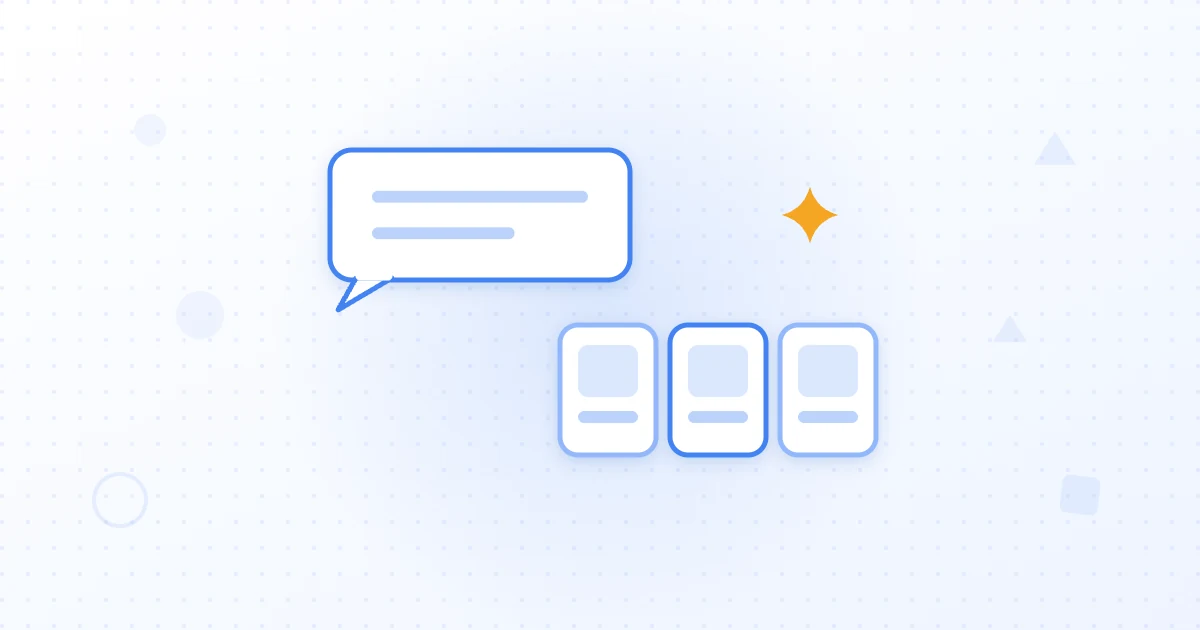

AI Shopping هو ممارسة اكتشاف المنتجات ومقارنتها وشرائها عبر مساعدي الذكاء الاصطناعي مثل ChatGPT وPerplexity وAI Mode من Google، بدلاً من موقع بائع التجزئة. يطلب المتسوق بلغة بسيطة أفضل حذاء مشي مقاوم للماء بسعر أقل من 200 دولار، فيبحث المساعد في بيانات منتجات منظمة، ويعرض الخيارات كبطاقات تتضمن الأسعار والتقييمات، وفي بعض الحالات يتيح للمشتري إتمام الدفع دون مغادرة المحادثة. إنه يدمج الاكتشاف والمقارنة والشراء في تدفق حواري واحد.
يهم هذا لأن القناة تنمو بسرعة. من المتوقع أن تمثل منصات الذكاء الاصطناعي نحو 20.9 مليار دولار من إنفاق التجزئة في 2026، أي ما يقارب أربعة أضعاف العام السابق، وتتوقع McKinsey أن تحقق التجارة العاملة بالوكالة (Agentic) ما بين 3 و 5 تريليونات دولار عالمياً بحلول 2030. بالنسبة للتجار، أصبح كونهم قابلين للاكتشاف داخل هؤلاء المساعدين مهماً بقدر أهمية الترتيب في البحث التقليدي.
يصف AI Shopping اكتشاف المنتجات والمعاملات التي تتم عبر وكلاء ذكاء اصطناعي مستقلين يعملون نيابة عن المتسوق. على عكس روبوتات الدردشة القديمة المقتصرة على الدعم، يبحث هؤلاء الوكلاء في الكتالوجات، ويقارنون المنتجات المتنافسة، ويعرضون توصيات منتقاة مباشرة ضمن الإجابة. يمكن أن تحدث الرحلة بأكملها داخل منصة الذكاء الاصطناعي، دون زيارة موقع بائع التجزئة.
إنه فرع تجاري من البحث العامل بالوكالة الأوسع، حيث لا يكتفي الوكيل بالبحث بل يتصرف أيضاً. عندما يستطيع الوكيل إتمام طلب، تنتقل التجربة بالكامل إلى وكلاء الذكاء الاصطناعي الذين يُنجزون المهام بدلاً من مجرد الإجابة عن الأسئلة.
يتكشف التدفق على مراحل. في مرحلة الاكتشاف، يصف المتسوق حاجته بلغة طبيعية. في مرحلة المقارنة، يستعلم المساعد من موجزات منتجات منظمة ويعرض الخيارات المتنافسة مع الصور والأسعار وملخصات التقييمات. في مرحلة الشراء، إما ينقر المشتري وينتقل إلى التاجر أو يُتم الدفع بنقرة واحدة داخل الواجهة، مع معالجة الدفع عبر رموز آمنة.
الأمر الحاسم هو أن هذه الأنظمة تعتمد بشكل أساسي على البيانات المنظمة وليس على الاستدلال البصري. معرّفات المنتجات، والخصائص الكاملة، والتسعير الدقيق، والمخزون الحي، وتقييمات العملاء هي ما يتيح للمساعد مطابقة منتج مع استعلام. يعتمد الوصول إلى هذه الأنظمة أيضاً على إمكانية الزحف إليها بواسطة زواحف الذكاء الاصطناعي التي تستوعب الكتالوجات والتقييمات.
يهيمن بروتوكولان مفتوحان على البنية التحتية. بروتوكول Agentic Commerce من OpenAI، المبني بالتعاون مع Stripe، يشغّل التسوق عبر ChatGPT منذ سبتمبر 2025 ويركز على الاكتشاف الحواري. بروتوكول Google المنافس، الذي أُعلن في يناير 2026 بدعم من Walmart وTarget وShopify وEtsy وأكثر من 20 شريكاً، يركز على تلبية عمليات البحث ذات النية العالية عبر AI Mode وGemini.
يتعايش البروتوكولان معاً، لذا تحتاج العلامات التجارية عموماً إلى دعم كل منهما بشكل مستقل. جدير بالذكر أن Amazon لا تشارك في أي منهما، إذ تحظر زواحف OpenAI وتبني وكلاءها الخاصين بدلاً من ذلك، مما يجزّئ المشهد. تُعد هذه البروتوكولات جزءاً من تحول أوسع نحو واجهات وكلاء موحدة، مرتبطة بمنظومة بروتوكول سياق النموذج.
بيانات السلوك مذهلة. أفادت Adobe Analytics بزيادة نسبتها 693 بالمئة في حركة التجزئة الأمريكية القادمة من مصادر الذكاء الاصطناعي خلال موسم عطلات 2025، وكان المتسوقون القادمون من الذكاء الاصطناعي أقل عرضة للمغادرة السريعة بنحو 33 بالمئة وحققوا تحويلاً أعلى بنحو 31 بالمئة مقارنة بالمصادر الأخرى. هؤلاء زوار ذوو نية عالية يصلون بعد أن ضيّقوا خياراتهم بالفعل.
هذا يجعل الحضور في AI Shopping مسألة إيرادات، لا مجرد فضول. إذا أوصى مساعد بثلاثة منتجات وكان منتجكم غائباً، فأنتم مستبعدون من قناة سريعة النمو وعالية التحويل. يرتبط اكتساب هذا الحضور مباشرة بـظهوركم في البحث بالذكاء الاصطناعي الأوسع.
ابدؤوا بجودة بيانات المنتج، لأنها ما يجعل المنتجات قابلة للاكتشاف في عصر الذكاء الاصطناعي. املأوا كل حقل مطلوب، بما في ذلك فئات المنتجات والخصائص المخصصة، وأضيفوا معرّفات مثل GTIN وMPN، وحافظوا على تزامن التسعير والمخزون في الوقت الفعلي. تحققوا من صحة ترميز Schema عبر صفحات المنتجات حتى يتمكن المساعدون من قراءة الأسعار والتقييمات والتوفر بشكل صحيح.
ثم اكتبوا لكل من البشر والنماذج معاً. الأوصاف السياقية التي تتضمن حالات الاستخدام والتفاصيل الحسية تتفوق على المواصفات الجافة، والسياسات المصاغة كأزواج أسئلة وأجوبة مُرمّزة بـ Schema تُفهرس بشكل أفضل. بناء حجم من التقييمات يعزز التوصيات، وربط متجركم بقنوات التجارة عبر الذكاء الاصطناعي يتيح الدفع داخل المحادثة. تنبع هذه العادات بشكل طبيعي من استراتيجية محتوى للذكاء الاصطناعي متينة، مدعومة بـبحث الكلمات المفتاحية وتخطيط المحتوى المنضبط.
يعيد بحث التجارة الإلكترونية التقليدي شبكة من المنتجات على صفحة نتائج يقوم المتسوق بعدها بتصفيتها ومقارنتها يدوياً. يختصر AI Shopping هذا العمل: يقوم المساعد بالمقارنة ويقدم توصية قصيرة ومُبررة. يقيّم المتسوق حفنة من الخيارات بدلاً من العشرات.
الأثر التنافسي حاد. مع وجود عدد أقل من الأماكن في توصية الذكاء الاصطناعي، تُحدد البيانات المنظمة وجودة التقييمات مدى الإدراج، ويتراكم عمر الاستشهاد، أي المدة التي ظل فيها المنتج مُشاراً إليه باستمرار عبر مصادر مفهرسة بالذكاء الاصطناعي، لصالح السباقين الأوائل. هذا يكافئ نفس الأسس النظيفة والقابلة للقراءة الآلية التي تدفع ترتيب المحتوى بالذكاء الاصطناعي في أماكن أخرى.
الإسناد هو أكبر نقطة ألم. تبقى معظم تفاعلات AI Shopping غير مرئية لأدوات التحليل، إذ غالباً ما يرى التجار فقط webhook للطلب دون رؤية للتوصية أو مقارنة المنافسين أو عوامل القرار. من المتوقع أن تستمر هذه النقطة العمياء لمدة 18 إلى 24 شهراً مع تطور الأدوات.
المجال أيضاً غير مستقر. أوقفت OpenAI ميزة Instant Checkout في مارس 2026، مستشهدة بنقص المرونة، مما يُظهر مدى سرعة تغير الميزات. تعني البروتوكولات المجزأة والجهات الممتنعة الكبرى مثل Amazon أن على التجار وضع عدة رهانات في آن واحد بدلاً من الاعتماد على قناة واحدة مهيمنة.
ينقل AI Shopping الاكتشاف والمقارنة والشراء إلى داخل مساعد الذكاء الاصطناعي، مدعوماً ببيانات منتجات منظمة وبروتوكولات تجارة عاملة بالوكالة ناشئة. مع تحويل المتسوقين القادمين من الذكاء الاصطناعي بمعدلات أعلى وتوقع بلوغ القناة تريليونات الدولارات، تُعد موجزات المنتجات النظيفة، وSchema الصالحة، والتقييمات القوية، والاتصال بالقنوات هي الروافع التي تحدد ما إذا كانت منتجاتكم ستظهر. المشهد متقلب، لذا ادعموا منصات متعددة وقيسوا ما تستطيعون قياسه.
للمضي قدماً، اربطوا هذا بـظهور أقوى في البحث بالذكاء الاصطناعي واستراتيجية محتوى منضبطة للذكاء الاصطناعي، واستخدموا أدوات البحث وتخطيط المحتوى من Sorank لاستهداف الاستعلامات التي يطرحها المتسوقون. مصادر مرجعية: Shopify وOpascope.

يعتمد ذلك على المنصة. بعض المساعدين يعرضون توصيات المنتجات ويوجهون المتسوق إلى متجر التاجر لإتمام الدفع، بينما يدعم آخرون الدفع بنقرة واحدة داخل المحادثة باستخدام رموز دفع آمنة، وبعدها يقوم التاجر بتنفيذ الطلب. بنت كل من OpenAI وGoogle بروتوكولات مفتوحة لهذا الغرض، رغم أن ميزات الدفع المحددة تغيرت بسرعة خلال 2026.
جودة بيانات المنتج. تعتمد أنظمة الذكاء الاصطناعي بشكل أساسي على البيانات المنظمة وليس على الصور، لذا فإن الخصائص الكاملة، ومعرّفات المنتجات مثل GTIN وMPN، والتسعير والمخزون الدقيقين في الوقت الفعلي، وترميز Schema الصالح هي ما يجعل المنتجات قابلة للاكتشاف. التقييمات القوية والأصيلة والأوصاف السياقية التي تغطي حالات الاستخدام تُحسّن أكثر من تكرار توصية المساعد بمنتجاتكم.
جزئياً فقط في الوقت الحالي. تبقى معظم تفاعلات AI Shopping غير مرئية لأدوات التحليل القياسية، ويرى التجار غالباً فقط webhook للطلب دون التوصية أو المقارنة أو سياق القرار وراءه. من المتوقع أن تستمر فجوة الإسناد هذه لنحو 18 إلى 24 شهراً. في هذه الأثناء، راقبوا الإشارات السلوكية مثل أنماط الهبوط والتحويل ذات النية العالية لتقدير تأثير القناة.










.svg)
.svg)