
التفضيلات
خصوصيتك مهمة بالنسبة لنا، لذلك لديك خيار تعطيل أنواع معينة من التخزين التي قد لا تكون ضرورية للوظائف الأساسية للموقع. قد يؤثر حظر الفئات على تجربتك في الموقع. مزيد من المعلومات

خصوصيتك مهمة بالنسبة لنا، لذلك لديك خيار تعطيل أنواع معينة من التخزين التي قد لا تكون ضرورية للوظائف الأساسية للموقع. قد يؤثر حظر الفئات على تجربتك في الموقع. مزيد من المعلومات
اجعل موقع Simvoly الخاص بك مرئياً لـ Google والبحث بالذكاء الاصطناعي. استخدم المدونة الأصلية وإعدادات SEO لكل صفحة و JSON-LD و llms.txt حتى تستشهد ChatGPT و Perplexity و Claude و Gemini بصفحاتك.
.webp)
.webp)





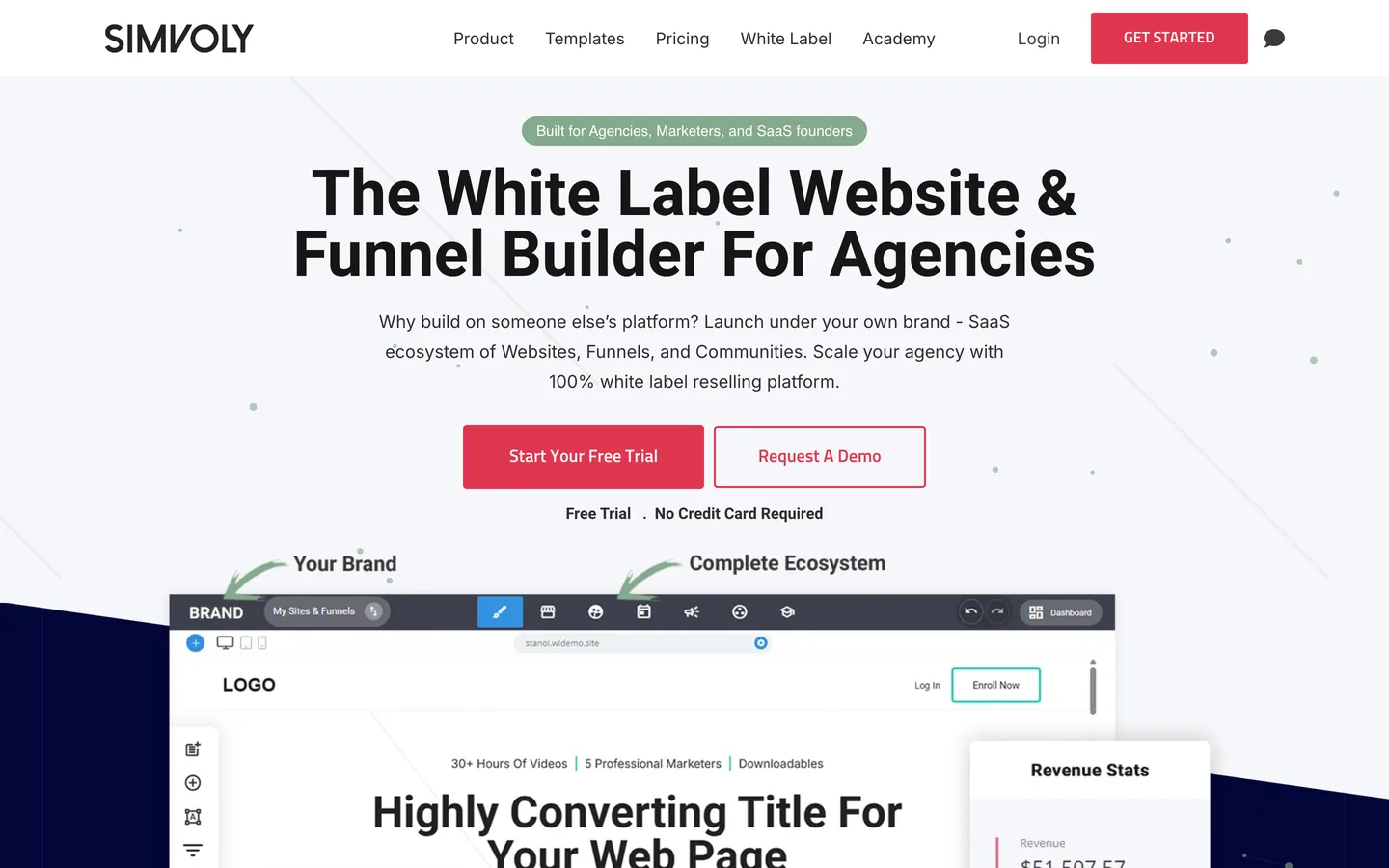



هل تريد أن يظهر موقع Simvoly الخاص بك داخل إجابات الذكاء الاصطناعي، وليس فقط في نتائج البحث الكلاسيكية؟ Simvoly هو أداة بناء مواقع ومسارات تجمع بين محرر السحب والإفلات مع مدونة أصلية وتجارة إلكترونية ومسارات مبيعات، مما يجعله قاعدة عملية للتحسين للمحركات التوليدية (GEO). ابدأ بـ geo seo audit أساسي وتتبع كل تقدم في geo seo dashboard حي. يوضح هذا الدليل كيفية هيكلة وعرض ووسم Simvoly بحيث يفهم Google والمساعدون مثل ChatGPT و Perplexity و Claude و Gemini صفحاتك ويثقون بها ويستشهدون بها.
لا يزال SEO الكلاسيكي مهماً، والآن يقرأ مساعدو الذكاء الاصطناعي الويب ويلخصونه ويعرضون قائمة قصيرة من المصادر. تحسين المحركات التوليدية هو ممارسة أن تصبح أحد تلك المصادر المستشهد بها. يجمع Simvoly بين موقع ومدونة أصلية ومسارات في أداة بناء واحدة، بحيث يمكنك الاحتفاظ بصفحات المعاملات والمحتوى التعليمي الذي يجيب على أسئلة المشترين تحت علامة تجارية ومجال واحد. يمنح هذا المزيج المساعدين صورة واضحة ومتسقة عن عملك عندما يختارون بمن يستشهدون.
ابدأ بمعيار مرجعي. اسأل المساعدين الرائدين الأسئلة الحقيقية التي يطرحها المشترون، ثم سجل ما إذا كنت تظهر، وأي عناوين URL لـ Simvoly تظهر، وكيف تتم الإشارة إلى المنافسين. راقب ذكر العلامة التجارية باستخدام ai mention tracking، وراجع المصادر التي تكسبها من خلال ai cited backlinks، وقم بتشغيل geo seo audit أساسي لرسم الكيانات التي تربطها النماذج بالفعل بعلامتك التجارية.
في GEO، تأخذ النية شكل مطالبات. اجمع الصياغة الدقيقة التي يستخدمها المشترون في الدردشة والصوت، ثم جمعها حسب المهمة: التعلم والمقارنة والاختيار والشراء. وسع التغطية باستخدام query fan-out tool ورتب الموضوعات حسب الأولوية باستخدام keyword research. ارسم المطالبات المعلوماتية إلى منشورات المدونة والمطالبات التعاملية إلى مساراتك، بحيث يكون لكل مطالبة وجهة واضحة يمكن الاستشهاد بها.
استخدم المدونة الأصلية كعمود فقري للمحتوى. أنشئ فئات لموضوعاتك، اكتب إجابة مركزة واحدة لكل منشور مع سلاج وصفي، واربط كل منشور بالمسار أو صفحة المنتج المطابق. حافظ على موضوع واحد واضح لكل منشور وتخطيط متسق، بحيث تُقرأ كل مدخلة كإجابة مركزة. تشير المدونة المتماسكة إلى العمق الموضوعي الذي تتعرف عليه النماذج كموثوق.
في محرر Simvoly، أعطِ كل صفحة H1 واحداً، ثم H2 و H3 بترتيب القراءة، واحتفظ بالنسخة كعناصر نص حقيقية بدلاً من نص مدمج في الصور، حتى يقرأ الزواحف والمساعدون كل كلمة. افتح كل صفحة بإجابة موجزة، ثم توسع بالتفاصيل والإثبات. تساعد البنية القابلة للمسح القراء والمساعدين على العثور على الجزء الذي يحتاجون إليه واقتباسه.
يعطي Simvoly كل صفحة ومنشور مدونة إعدادات SEO: عنواناً ووصف ميتا وسلاج URL نظيف. اكتب عنواناً دقيقاً ووصفاً واضحاً وسلاجاً يحتوي على الكيان الرئيسي. اربط مجالاً مخصصاً حتى تظل عناوين URL موسومة، وتأكد من أن قيم Open Graph تتطابق مع نية الصفحة والنسخة المرئية، بحيث تعرض الروابط المشتركة العنوان والوصف والصورة الصحيحين. تجعل عناوين URL الوصفية كل صفحة قابلة للعنونة والاقتباس من قبل المساعدين.
أضف JSON-LD عبر مناطق الكود المخصص أو نص رأس الصفحة في Simvoly. استخدم Article بالإضافة إلى WebPage و BreadcrumbList في منشورات المدونة، Product مع العروض في صفحات المتجر والمبيعات، FAQPage لكتل الأسئلة، و HowTo للأقسام التفصيلية خطوة بخطوة. أضف كتلة Organization على مستوى الموقع مع logo و contactPoint و foundingDate وروابط sameAs إلى ملفاتك الشخصية الموثقة، بحيث ترسم النماذج علامتك التجارية بثقة واتساق.
أنشئ كتلاً صريحة للأسئلة والأجوبة تعكس المطالبات الحقيقية. حافظ على كل إجابة بين 50 و 120 كلمة، اربط بالصفحة الداخلية ذات الصلة، واستشهد بمصدر خارجي موثوق واحد. ضع أسئلة شائعة موجزة بجانب كل عرض للتعامل مع الاعتراضات، مما يعمل أيضاً كمواد قابلة للاقتباس يمكن للمساعدين نقلها ونسبها إليك.
يولد Simvoly sitemap للصفحات ومنشورات المدونة المنشورة؛ أرسله في Google Search Console. اسمح بالصفحات التي تريد الاستشهاد بها واحتفظ بصفحات الدفع والشكر خارج الفهرس بالإعدادات المناسبة. حيثما تتحكم في الجذر، أضف ملف llms.txt يسرد عناوين URL ذات الأولوية للاستشهاد وشروط إعادة الاستخدام لوكلاء الذكاء الاصطناعي، إلى جانب robots.txt القياسي.
ابنِ مراكز موضوعية تجمع الصفحات ذات الصلة وتحدد إجاباتك القانونية، ثم أضف فتات الخبز والروابط السياقية داخل النص بمرابط وصفية، معززة بـ topical cluster generator. إذا كانت أجزاء من مجموعتك التقنية تعيش في مكان آخر، طبق نفس المبادئ على clickfunnels و leadpages و unbounce و convertri و webflow.
لا يزال GEO يعمل على السلطة. اكسب استشهادات من منشورات موثوقة وأبحاث أصلية ومجتمعات متخصصة. انشر تحت خبراء مسمين، اعرض الاعتمادات ونتائج العملاء، واحتفظ بسير المؤلفين وصفحة About التي تعزز E-E-A-T. تتبع التقدم باستخدام domain authority tracker وادرس من يقتبس المساعدون باستخدام seo competitor spy.
يكشف Simvoly واجهة برمجة تطبيقات وتطبيق Make.com، ومسار إنشاء منشور المدونة غير مباشر، لذا تتصل Sorank عبر جسر webhook لـ Make.com: يتم إرسال كل مقالة تولدها Sorank إلى سيناريو Make.com، وينشرها Make في Simvoly عبر التطبيق المخصص. لا يوجد موصل Sorank أصلي، ومسار webhook مع Make يؤتمت النشر من الطرف إلى الطرف. أنتج مسودات محسّنة بسرعة باستخدام blog article generator. تحقق من استدعاء إنشاء المنشور في حساب Simvoly الحي أولاً، وارجع إلى مدونة Sorank المستضافة ذاتياً إذا كانت تكويناتك تقيد ذلك.
تتبع أي المطالبات تُطلق علامتك التجارية، وأي الصفحات مُستشهد بها، وأين يفوز المنافسون. راقب مكانتك على geo leaderboard، ووسع المجموعات الفائزة، ونسب المبيعات من المساعدين بصفحات هبوط موسومة و UTM فريدة. تعامل مع GEO كحلقة: قِس، اصقل الإجابة القانونية، وأعد النشر.
يمنحك Simvoly موقعاً ومدونة أصلية ومسارات في أداة بناء واحدة؛ يمنحك GEO الاستراتيجية. عندما تكشف صفحاتك عن كيانات واضحة وبيانات وصفية دقيقة وأدلة موثوقة، يستشهد بك المساعدون بثقة. اضبط المدونة، وإعدادات SEO لكل صفحة، و JSON-LD، وإجابات قابلة للاستشهاد، ثم دع Sorank تقود عمليات التدقيق والمحتوى والروابط.

يمكن لـ Simvoly أن يؤدي أداءً جيداً في GEO لأنه يجمع بين أداة بناء مواقع ومسارات مع مدونة أصلية تنشر صفحات قابلة للزحف على مجالك. كل صفحة ومنشور مدونة تحمل إعدادات SEO للعنوان ووصف الميتا وسلاج URL نظيف، ويمكنك إضافة JSON-LD عبر كود مخصص لـ Article و FAQPage و HowTo و Organization. يولد Simvoly sitemap، ويدعم المجالات المخصصة، ويتيح لك رسم المحتوى المعلوماتي والعروض تحت علامة تجارية واحدة. أضف ملف llms.txt حتى يتمكن المساعدون مثل ChatGPT و Perplexity و Claude و Gemini من الوصول إلى صفحاتك والاستشهاد بها، وحافظ على عناوين وإجابات نظيفة وقابلة للمسح.
اكتب محتوى الإجابة أولاً مرسوماً على المطالبات الحقيقية. افتح كل صفحة بملخص من جملتين، ثم مخططاً قابلاً للمسح، واحتفظ بالفقرات أقل من 120 كلمة. استخدم H1 واحداً وتسلسلاً هرمياً منظماً للعناوين في المحرر، ابنِ كتل FAQ صريحة بإجابات من 50 إلى 120 كلمة، واحتفظ بالنص كعناصر نص حقيقية، لا صور. اربط كل ادعاء بمصدر وأضف JSON-LD (Article, FAQPage, HowTo, Organization) عبر كود مخصص. استخدم المدونة الأصلية للمنشورات الموضوعية، اربطها بمراكز موضوعية والمسارات المطابقة، وأضف روابط داخلية وصفية حتى يتمكن المساعدون من متابعة مجموعاتك ونسب الصفحة الصحيحة.
يكشف Simvoly واجهة برمجة تطبيقات وتطبيق Make.com، مع مسار إنشاء منشور مدونة غير مباشر، لذا تتصل Sorank عبر جسر webhook لـ Make.com وليس عبر موصل أصلي. يتم إرسال كل مقالة تولدها Sorank إلى سيناريو Make.com عبر webhook، وينشرها Make في Simvoly عبر التطبيق المخصص. بالإضافة إلى النشر، تقوم Sorank بتشغيل عمليات تدقيق GEO و SEO المخصصة لموقعك، وتتبع ذكر الذكاء الاصطناعي عبر ChatGPT و Perplexity و Gemini، ومراقبة المنافسين، واقتراح تحسينات المحتوى من لوحة تحكم واحدة. تحقق من استدعاء إنشاء المنشور في حساب Simvoly الحي أولاً، وارجع إلى مدونة Sorank المستضافة ذاتياً إذا كانت تكويناتك تقيد ذلك.









.svg)
.svg)