
التفضيلات
خصوصيتك مهمة بالنسبة لنا، لذلك لديك خيار تعطيل أنواع معينة من التخزين التي قد لا تكون ضرورية للوظائف الأساسية للموقع. قد يؤثر حظر الفئات على تجربتك في الموقع. مزيد من المعلومات

خصوصيتك مهمة بالنسبة لنا، لذلك لديك خيار تعطيل أنواع معينة من التخزين التي قد لا تكون ضرورية للوظائف الأساسية للموقع. قد يؤثر حظر الفئات على تجربتك في الموقع. مزيد من المعلومات
اجعل متجر Shopware الخاص بك مرئياً لبحث Google والذكاء الاصطناعي. استخدم Shopping Experiences و Store API وعناوين SEO و JSON-LD و llms.txt حتى يستشهد ChatGPT و Perplexity و Claude و Gemini بصفحات منتجاتك ومحتواك.
.webp)
.webp)





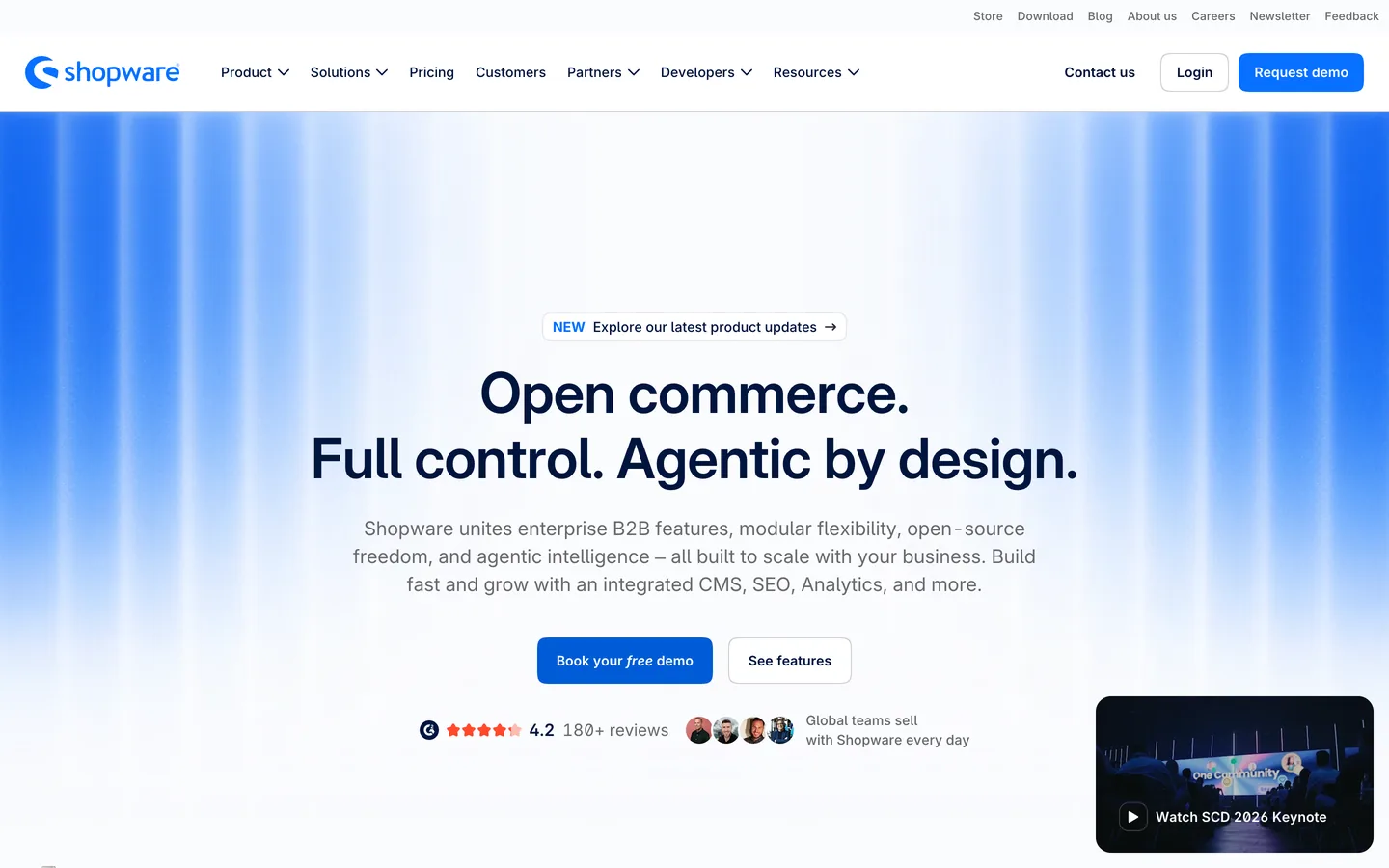



هل تريد أن يظهر متجر Shopware الخاص بك ضمن إجابات الذكاء الاصطناعي، وليس فقط في نتائج البحث الكلاسيكية؟ Shopware هو نظام تجارة رائد مفتوح المنصة مبني على Symfony، مع واجهة متجر Twig ونواة API-first تعرض Admin API و Store API. تمنحك هذه البنية تحكماً قوياً في HTML و meta-data والبيانات المهيكلة التي تعرضها كل صفحة، وهو أساس generative engine optimization (GEO). ابدأ بـ geo seo audit أساسي وتتبع كل تحسن في geo seo dashboard حي. يوضح هذا الدليل كيفية هيكلة وعرض ووسم متجر Shopware بحيث يفهم ويثق ويستشهد به Google والمساعدون مثل ChatGPT و Perplexity و Claude و Gemini بصفحاتك.
لا يزال SEO الكلاسيكي يقود حركة المرور، والآن يقرأ مساعدو الذكاء الاصطناعي الويب ويلخصونه ويستشهدون بقائمة قصيرة من المصادر. Generative Engine Optimization هي ممارسة أن تصبح أحد تلك المصادر المستشهد بها. يمنحك Shopware ميزة لأن المحتوى مهيكل: المنتجات والخصائص والفئات وصفحات Shopping Experiences موجودة ككيانات نظيفة وقابلة لإعادة الاستخدام. تُعرض واجهة متجر Twig من جانب الخادم، لذا تُرسَل الصفحات بـ HTML كامل يحلله الزواحف ونماذج اللغة بموثوقية. مهمتك هي تحويل هذا الكتالوج والمحتوى إلى صفحات مفهومة وقابلة للإحالة وموثوقة مع الحفاظ على تدفقات التسوق الغنية التي يتوقعها عملاؤك.
ابدأ بمعيار مرجعي. اسأل المساعدين الرائدين نفس الأسئلة التي يطرحها المشترون، ثم سجّل ما إذا كنت مذكوراً، وأي عناوين URL تظهر، وكيف يُصوَّر المنافسون. تتبع ذكر العلامة التجارية بـ ai mention tracking، وراجع المصادر التي تكسبها بالفعل من خلال ai cited backlinks، ونفّذ geo seo audit أساسي لرسم خريطة للكيانات (العلامة التجارية والمنتجات والأشخاص) المرتبطة بنطاقك. تخبرك هذه اللقطة بصفحات المنتجات والمحتوى التي تستحق الاهتمام أولاً.
في GEO، تصل النية على شكل prompts. اجمع الصياغة التي يستخدمها المتسوقون في الدردشة والصوت، ثم صنفها حسب المهمة: الاكتشاف والمقارنة والشراء والحل. وسّع التغطية بـ query fan-out tool ورتب المواضيع بأولوية مع keyword research. لكل مجموعة، اختر صفحة قانونية واحدة، منتج أو فئة أو صفحة مقصودة من Shopping Experiences، واجعلها موجزة وقابلة للاقتباس ومدعومة بمواصفات صريحة حتى يتمكن النموذج من اقتباس مقطع بثقة. اربط كل مجموعة prompts بـ URL قانوني واحد لـ Shopware، واحتفظ بصفحة واحدة لكل نية حتى لا تقسم السلطة بين صفحات فئة أو مرشح شبه مكررة.
اعتبر خصائص Shopware والفئات و Shopping Experiences (CMS المدمج) العمود الفقري لكياناتك. اربط حقول المنتج بخصائص schema.org مثل name و description و image و brand و offers، وابنِ صفحات فئات ومقصودة تجيب على أسئلة حقيقية. نظراً لأن الخصائص قابلة لإعادة الاستخدام والترجمة، فإنك تحافظ على أسماء ومواصفات قانونية متسقة عبر كل صفحة ولغة، وهو بالضبط الاتساق الموضوعي الذي تكافئه النماذج. تتيح لك Shopping Experiences قولبة كتل الإجابات هذه مرة واحدة وإعادة استخدامها عبر الكتالوج.
تُعرض واجهة متجر Shopware باستخدام Twig على الخادم، لذا فإن الاستجابة الأولى تحتوي بالفعل على العناوين والنص والبيانات المهيكلة بدلاً من قشرة فارغة. حافظ على هذه الميزة: قم بتفعيل HTTP caching و HTTP cache المدمج أو reverse proxy، وحسّن الصور، وقلّل نصوص الطرف الثالث حتى تبقى Core Web Vitals قوية. إذا كنت تشغّل واجهة أمامية headless على Store API، على سبيل المثال بنهج Frontends، طبّق العرض من جانب الخادم هناك أيضاً بدلاً من شحن حزمة client-only. يعمل HTML الكامل والسريع على تحسين تغطية الزحف ويزيد من عدد المرات التي يستشهد فيها المساعدون بمحتوى Shopware الخاص بك مع الحفاظ على المعنى سليماً.
لكل صفحة، اضبط عنواناً دقيقاً ووصف meta واضحاً وعنوان SEO URL نظيفاً يتضمن الكيان الرئيسي. تُنشئ Shopware قوالب SEO URL قابلة للتكوين لكل قناة مبيعات ولغة، لذا تأكد من أن كل نمط وصفي. أضف علامات canonical لدمج المتغيرات ومكررات المرشحات، وطبّق meta robots لإبقاء الصفحات الرقيقة أو المفلترة خارج الفهرس. استخدم hreflang عبر قنوات المبيعات واللغات، وتأكد من أن علامات Open Graph تتطابق مع نية الصفحة حتى تبقى embeddings محاذية ويقرأ المساعدون معنى متماسكاً واحداً لكل URL.
احقن JSON-LD في قوالب واجهة المتجر الخاصة بك أو من خلال امتداد مخصص. استخدم Product مع offers و AggregateRating في صفحات المنتجات، و Article إلى جانب WebPage و BreadcrumbList للأدلة والمنشورات، و HowTo للدروس التعليمية، و FAQPage لكتل الأسئلة. أضف مخطط Organization على مستوى الموقع بأكمله مع logo و contactPoint و foundingDate وروابط sameAs لملفاتك الموثقة. نظراً لأن البيانات تعيش في كيانات Shopware، فإنك تقولب المخطط مرة واحدة وتملؤه تلقائياً، بحيث تظل البيانات المهيكلة دقيقة عبر آلاف المنتجات.
اكتب كتل سؤال وجواب صريحة تعكس prompts حقيقية. افتح كل صفحة بملخص من جملتين، واحتفظ بالفقرات تحت 120 كلمة، واحتفظ بكل إجابة بين 50 و 120 كلمة مع رابط إلى URL داخلي ذي صلة. للأدلة التعليمية أو أدلة المقاسات، اذكر المواد والخطوات والوقت المطلوب بتنسيق HowTo. في صفحات المنتجات، اعرض كتلة مواصفات قصيرة وحقائق الشحن والإرجاع وملاحظة توافق، لأن هذه المقاطع هي ما يستشهد به المساعدون عندما يسأل المتسوق ما إذا كان العنصر يناسب حاجته. ابنِ هذه الكتل من خصائص Shopware بحيث تغذي نفس الحقائق المهيكلة واجهة متجرك ومرشحاتك ومخططك دفعة واحدة. تقلل هذه التنسيقات من الغموض وتحافظ على المعنى سليماً عندما يستشهد نموذج بصفحات Shopware الخاصة بك.
تُنشئ Shopware sitemap لواجهة متجرك؛ قم بتضمين عناوين URL للمنتجات والفئات والمحتوى، وقدّمه في Google Search Console. في robots.txt، اسمح بالأدلة التي تحتوي على محتوى قابل للاقتباس واحظر ضوضاء العربة والحساب والبحث. أضف ملف llms.txt في الجذر للإشارة إلى قواعد الزحف المفضلة لوكلاء الذكاء الاصطناعي، وعناوين URL ذات الأولوية للاستشهاد، وشروط إعادة الاستخدام الخاصة بك. نظراً لأن Shopware مستضاف ذاتياً أو يعمل على Shopware Cloud، يمكنك إدارة هذه الملفات بنظافة بحيث تظل إشارات المصدر متسقة.
ابنِ مراكز مواضيع تجمع المنتجات والأدلة ذات الصلة، ثم عرّف إجابات قانونية لكل مجموعة. استخدم breadcrumbs للتعبير عن التسلسل الهرمي للفئات لديك وأضف روابط سياقية inline بمرابط وصفية، مسرّعة بـ topical cluster generator. إذا كانت أجزاء من مجموعة تقنياتك تعيش في أماكن أخرى، طبّق نفس النهج على sylius و commercetools و shopify و webflow.
لا يزال GEO يعمل على السلطة. اكسب استشهادات من منشورات موثوقة وأبحاث أولية ومجتمعات تجزئة ومطورين متخصصة، واعتمد على نظام الشركاء والتجار القوي لـ Shopware حيث تحمل دراسات الحالة والخبرة الحقيقية وزناً. انشر أدلة تحت أسماء خبراء معلومين، أظهر بيانات اعتماد حقيقية، واحتفظ بسير المؤلفين وصفحة About التي تعزز E-E-A-T. تتبع تقدمك بمرور الوقت مع domain authority tracker، واعرض تاريخ آخر تحديث واضح على الصفحات الاستراتيجية بحيث يقرأ Google والمساعدون النضارة ويثقون بمتجرك كمصدر.
يعرض Shopware API عاماً، لذلك تتصل Sorank من خلال جسر webhook من Make.com: يتم إرسال كل مقالة تولدها Sorank إلى سيناريو Make.com، وتنشرها Make إلى Shopware باستخدام وحدة HTTP العامة من Make.com مقابل Admin API، مما يخلق صفحة CMS أو إدخال مدونة. لا يوجد موصل أصلي حتى الآن، ومسار webhook مع Make يجعل النشر مؤتمتاً من البداية إلى النهاية. أنتج مسودات محسّنة بسرعة مع blog article generator. تحقق من صحة استدعاء إنشاء المحتوى على مثيل Shopware المباشر الخاص بك أولاً، وعُد إلى مدونة Sorank المستضافة ذاتياً إذا كان تكوينك يقيدها.
تتبع أي prompts تُطلق علامتك التجارية، وأي صفحات تُستشهد بها، وأين يفوز المنافسون. قارن نفسك مع seo competitor spy، وشاهد موقفك على geo leaderboard، وانسب التحويلات المدفوعة بالمساعدين إلى صفحات مقصودة موسومة و UTMs فريدة. راجع النتائج بعد كل تغيير في المخطط ومجموعة محتوى وحملة روابط، ثم كرر شهرياً بحيث يصبح GEO محرك نمو قابل للقياس ومتراكم لمتجر Shopware الخاص بك.
يمنحك Shopware منتجات مهيكلة وخصائص و Shopping Experiences؛ ويمنحك GEO الاستراتيجية لاستخدامها. عندما تشحن واجهة متجرك صفحات سريعة معروضة من جانب الخادم و meta-data دقيقة ومخطط Product و Article دقيق وإجابات قابلة للاقتباس، يشير إليك المساعدون بثقة. قم بإعداد عناوين SEO ومحتوى مهيكل و JSON-LD و llms.txt، ثم دع Sorank تقود عمليات التدقيق والمحتوى والروابط بحيث تصبح علامتك التجارية المصدر الذي تفضل النماذج الاستشهاد به في 2026 وما بعده.

Shopware مناسب جيداً لـ GEO لأنه مهيكل و API-first: المنتجات والخصائص والفئات وصفحات Shopping Experiences موجودة ككيانات نظيفة وقابلة لإعادة الاستخدام، وتُعرض واجهة متجر Twig من جانب الخادم، لذا تُرسَل الصفحات بترميز كامل يحلله الزواحف بموثوقية. اربط حقول المنتج بـ schema.org وأضف JSON-LD (Product و Article و FAQPage و Organization) في قوالبك، واضبط عناوين SEO وصفية لكل قناة مبيعات، وأنشئ sitemap، واسمح بالأدلة القابلة للاقتباس في robots.txt، وأضف ملف llms.txt. نظراً لأن الخصائص قابلة لإعادة الاستخدام والترجمة، يبقى كتالوجك متسقاً عبر الصفحات واللغات، مما يساعد المساعدين مثل ChatGPT و Perplexity و Claude و Gemini على فهم متجرك والاستشهاد به.
اكتب محتوى answer-first مرتبطاً بـ prompts حقيقية. افتح كل صفحة بملخص من جملتين، واحتفظ بالفقرات تحت 120 كلمة، واستخدم تسلسلاً هرمياً صارماً للعناوين مع كتل FAQ صريحة لإجابات من 50 إلى 120 كلمة. اربط كل ادعاء بمصدر وأضف JSON-LD عبر قوالب واجهة المتجر الخاصة بك: Product مع offers في صفحات المنتجات، و Article و FAQPage في الأدلة. تتيح لك Shopping Experiences قولبة أنماط الإجابات هذه مرة واحدة وإعادة استخدامها عبر الكتالوج. اربط داخلياً بحيث تتصل مراكز الفئات بالمنتجات والأدلة ذات الصلة، مما يشير إلى العمق الموضوعي الذي تعترف به النماذج كسلطة.
يعرض Shopware API عاماً، لذلك تتصل Sorank من خلال جسر webhook من Make.com بدلاً من موصل أصلي. يتم إرسال كل مقالة تولدها Sorank إلى سيناريو Make.com عبر webhook، وتنشرها Make إلى Shopware باستخدام وحدة HTTP عامة مقابل Admin API، مما يخلق صفحة CMS أو إدخال مدونة. بالإضافة إلى النشر، تُجري Sorank عمليات تدقيق GEO و SEO مخصصة لمتجرك، وتتبع إشارات الذكاء الاصطناعي عبر ChatGPT و Perplexity و Gemini، وترصد المنافسين، وتقترح تحسينات محتوى من لوحة تحكم واحدة، بحيث تحلل وتحسّن وتطور موقع Shopware الخاص بك في منصة واحدة. تحقق من صحة استدعاء إنشاء المحتوى على المثيل المباشر أولاً، وعُد إلى مدونة Sorank المستضافة ذاتياً إذا كان تكوينك يقيدها.







.svg)
.svg)