
التفضيلات
خصوصيتك مهمة بالنسبة لنا، لذلك لديك خيار تعطيل أنواع معينة من التخزين التي قد لا تكون ضرورية للوظائف الأساسية للموقع. قد يؤثر حظر الفئات على تجربتك في الموقع. مزيد من المعلومات

خصوصيتك مهمة بالنسبة لنا، لذلك لديك خيار تعطيل أنواع معينة من التخزين التي قد لا تكون ضرورية للوظائف الأساسية للموقع. قد يؤثر حظر الفئات على تجربتك في الموقع. مزيد من المعلومات
اجعل متجر Medusa headless الخاص بك مرئياً لـ Google وبحث AI. استخدم واجهة Next.js وبيانات Store API و JSON-LD و llms.txt حتى يستشهد ChatGPT و Perplexity و Claude و Gemini بصفحات منتجاتك ومحتواك.
.webp)
.webp)





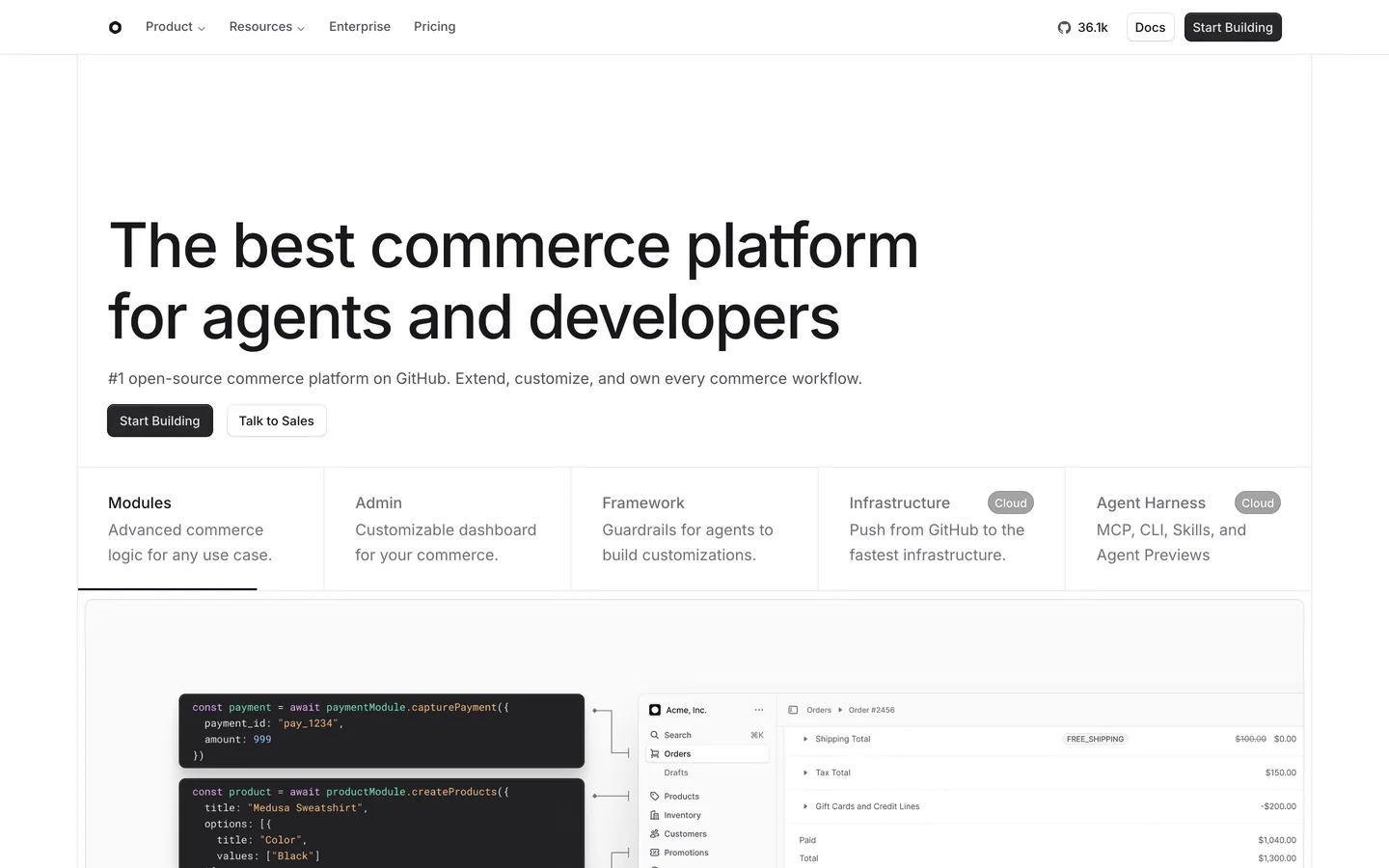



تريد أن تظهر واجهة متجر Medusa داخل إجابات AI، ليس فقط في الروابط الزرقاء العشرة؟ Medusa هو محرك commerce headless موجّه للمطورين مبني على Node.js، حيث يكشف backend من JavaScript بيانات commerce عبر Store API وتقوم واجهتك الأمامية بترندير كل صفحة. هذا الفصل هدية لتحسين محرك التوليد (GEO): أنت تتحكم بالضبط في HTML والبيانات الوصفية والبيانات المنظمة التي يقرأها النموذج. ابدأ بـ geo seo audit أساسي وتتبع كل تقدم في geo seo dashboard حي. يوضح هذا الدليل كيفية بناء ورندرة ووسم متجر Medusa حتى يفهم Google والمساعدون مثل ChatGPT و Perplexity و Claude و Gemini صفحاتك ويثقوا بها ويستشهدوا بها.
SEO الكلاسيكي لا يزال يقود حركة المرور، والآن يقرأ مساعدو AI الويب ويلخصونه ويستشهدون بقائمة قصيرة من المصادر. تحسين محرك التوليد هو ممارسة أن تصبح أحد تلك المصادر المستشهد بها. يمنحك ستاك Medusa ميزة لأن واجهة المتجر عادةً إطار عمل حديث مثل Next.js، الذي يُرندِر HTML على جانب الخادم تحلله الزواحف ونماذج اللغة بنظافة. Medusa نفسها معيارية: المنتجات والتسعير والمخزون والمناطق وقنوات البيع تعيش كوحدات منفصلة وراء Admin API و Store API نظيفين. مهمتك هي تحويل بيانات المنتج والمجموعة والفئة إلى صفحات مفهومة وقابلة للإحالة وموثوقة، بينما تحافظ على الدفع السريع الذي يتوقعه عملاؤك من واجهة أمامية مخصصة.
ابدأ بمعيار. اسأل المساعدين الرئيسيين الأسئلة الدقيقة التي يطرحها مشتروك، وسجّل ما إذا كنت مُستشهداً بك وأي عناوين URL تظهر وكيف يُصاغ المنافسون. تتبع إشارات العلامة التجارية مع ai mention tracking، وراجع المصادر التي تكسبها بالفعل عبر ai cited backlinks، وشغّل geo seo audit أساسياً لرسم خريطة الكيانات (العلامة والمنتجات والأشخاص) المرتبطة بنطاقك. تخبرك هذه اللقطة أي صفحات منتج ومحتوى تستحق الاهتمام أولاً.
في GEO، تصل النية كـ prompts. اجمع الصياغة التي يستخدمها المتسوقون في الدردشة والصوت، ثم صنّفها حسب المهمة: اكتشاف ومقارنة وشراء وحل. وسّع التغطية باستخدام query fan-out tool ورتّب أولوية المواضيع مع keyword research. لكل مجموعة، اختر صفحة canonical واحدة، منتجاً أو مجموعة أو دليلاً، واجعلها موجزة وقابلة للاقتباس ومدعومة بمواصفات صريحة حتى يستطيع النموذج انتزاع فقرة بثقة.
تخزّن Medusa المنتجات والمتغيرات والمجموعات والفئات كسجلات نظيفة تقرأها عبر Store API. استخدم هذه البنية كعمود فقري لكياناتك، وأقرنها بطبقة محتوى لصفحات التحرير. تربط فرق كثيرة Medusa بـ CMS headless أو تضيف وحدة محتوى مخصصة، ثم تربط الحقول بخصائص schema.org مثل name و description و image و brand و offers. يمكنك أيضاً توسيع نموذج البيانات بوحدات وروابط مخصصة، بحيث يمكن لدليل أن يشير إلى المنتجات الدقيقة التي يشرحها. تحافظ عناوين وأوصاف منتج متسقة، مسحوبة من مصدر واحد، على مواءمة كل صفحة، وهذا بالضبط الاتساق الموضوعي الذي تكافئه النماذج.
ابنِ واجهة متجرك مع رندرة على جانب الخادم أو توليد ثابت بحيث تحتوي استجابة HTML الأولى بالفعل على عناوين ونص وبيانات منظمة. يقوم starter Next.js من Medusa بذلك جيداً: صفحات المنتج والفئة تشحن ترميزاً حقيقياً بدلاً من قشرة فارغة يتم ترطيبها لاحقاً. استخدم توليداً ثابتاً مع revalidation تدريجي لصفحات الكتالوج حتى تبقى سريعة ومنعشة، وجلب بيانات المنتج من Store API في وقت البناء أو الطلب. تحسّن الصفحات المُرندَرة على الخادم تغطية الزحف وتسمح للمساعدين بالاستشهاد بمحتواك بموثوقية. حافظ على أحجام bundle نحيلة، وأجّل السكربتات غير الحرجة، وقدّم صوراً محسّنة حتى تبقى Core Web Vitals قوية، لأن السرعة ترتبط بمدى تكرار قراءة صفحاتك والاستشهاد بها.
لكل route، ولّد عنواناً دقيقاً و meta description واضحاً وعنوان URL نظيفاً يتضمن الكيان الرئيسي. في واجهة متجر Next.js تضبط هذه عبر metadata API أو دالة generateMetadata لكل صفحة، مع سحب أسماء وأوصاف المنتج مباشرة من Medusa بحيث لا تنحرف عن الكتالوج أبداً. أضف علامات canonical لتوحيد تكرارات المتغيرات والفلاتر، وطبّق meta robots لإبقاء الصفحات الرقيقة أو ذات الأوجه خارج الفهرس. نظراً لأن Medusa تدعم مناطق وقنوات بيع متعددة، اضبط hreflang و canonical لكل منطقة عند تقديم واجهات متجر محلية. تأكد أن علامات Open Graph تطابق نية الصفحة حتى تبقى التضمينات محاذية ويقرأ المساعدون معنى متسقاً واحداً لكل URL.
احقن JSON-LD في قوالب صفحاتك. استخدم Product مع offers و AggregateRating في صفحات المنتج، و Article بالإضافة إلى WebPage و BreadcrumbList للأدلة والمنشورات، و HowTo للدروس، و FAQPage لكتل الأسئلة. أضف Organization schema على مستوى الموقع مع logo و contactPoint و foundingDate وروابط sameAs إلى ملفاتك التعريفية المُتحقق منها. نظراً لأن البيانات تأتي من Medusa، يمكنك عمل قالب schema مرة واحدة وتعبئته من Store API، بحيث تبقى البيانات المنظمة دقيقة عبر آلاف المنتجات.
اكتب كتل أسئلة وأجوبة صريحة تعكس prompts حقيقية. افتح كل صفحة بملخص من جملتين، واحتفظ بالفقرات تحت 120 كلمة، وحافظ على كل إجابة بين 50 و 120 كلمة مع رابط إلى URL داخلي ذي صلة. لأدلة الإعداد أو المقاسات، أدرج المواد والخطوات والوقت المطلوب بصيغة HowTo. في صفحات المنتج، اعرض كتلة مواصفات قصيرة وحقائق الشحن والإرجاع وملاحظة توافق، لأن هذه هي الفقرات التي يستشهد بها المساعدون عندما يسأل متسوق ما إذا كان عنصر يناسب حاجته. تقلل هذه الأنماط الغموض وتسهّل على النموذج الاستشهاد بصفحات Medusa الخاصة بك مع الحفاظ على المعنى.
ولّد sitemap.xml من واجهة متجرك، ضمّن عناوين URL للمنتجات والمجموعات والمحتوى، وقدّمه في Google Search Console. في robots.txt، اسمح للأدلة التي تحتوي على محتوى قابل للاستشهاد وامنع عربة التسوق والحساب وضوضاء البحث. أضف ملف llms.txt في الجذر للإشارة إلى قواعد الزحف المفضلة لوكلاء AI وعناوين URL ذات الأولوية للاستشهاد وشروط إعادة الاستخدام. مع بناء headless أنت تتحكم في هذه الملفات مباشرة، لذا تبقى إشارات المصدر نظيفة.
ابنِ مراكز مواضيع تجمع المنتجات والأدلة ذات الصلة، ثم عرّف إجابات canonical لكل مجموعة. استخدم مسارات التنقل للتعبير عن التسلسل الهرمي وأضف روابط سياقية مضمّنة بمرابط وصفية، تسريعاً مع topical cluster generator. إذا كانت أجزاء من ستاكك تعيش في مكان آخر، طبّق النهج نفسه على commercetools و saleor و shopify و webflow.
لا يزال GEO يعمل على السلطة. اكسب استشهادات من منشورات موثوقة وبحث أولي ومجتمعات مطوّرين وبيع تجزئة متخصصة. انشر أدلة تحت خبراء مسمّين، اعرض اعتمادات حقيقية، وحافظ على السير الذاتية للمؤلفين وصفحة معلومات عنّا تعزز E-E-A-T. تتبع تقدمك عبر الزمن مع domain authority tracker، واعرض تاريخ آخر تحديث واضحاً على الصفحات الاستراتيجية حتى يقرأ كل من Google والمساعدين النضارة.
تكشف Medusa واجهة API عامة، ويأتي التدوين عادةً من إضافة مجتمع أو وحدة محتوى، لذا تتصل Sorank عبر جسر webhook من Make.com: كل مقال تولّده Sorank يُرسَل إلى سيناريو Make.com، وتنشره Make إلى Medusa باستخدام وحدة HTTP العامة من Make.com مقابل endpoint المحتوى الخاص بك. لا يوجد موصل أصلي حتى الآن، ومسار webhook زائد Make يؤتمت النشر من طرف إلى طرف. أنتج مسودات محسّنة بسرعة مع blog article generator. تحقق من استدعاء create-post على مثيل Medusa الحي الخاص بك أولاً، وارجع إلى مدونة Sorank ذاتية الاستضافة إذا كان تكوينك يقيّد ذلك.
تتبع أي prompts تُشغّل علامتك، وأي صفحات تُستشهد بها، وأين يفوز المنافسون. قارن نفسك مع seo competitor spy، وشاهد مكانتك في geo leaderboard، وانسب التحويلات المدفوعة من المساعدين إلى صفحات هبوط موسومة و UTM فريدة. راجع النتائج بعد كل تغيير schema ومجموعة محتوى وحملة روابط، ثم كرّر شهرياً حتى يصبح GEO محرك نمو قابل للقياس ومتراكم لمتجرك.
تسلّمك Medusa التحكم الكامل في الرندرة والتوجيه والترميز؛ يمنحك GEO الاستراتيجية لاستخدامه. عندما تشحن واجهة متجرك صفحات سريعة مرندرة على الخادم وبيانات وصفية دقيقة و schema دقيقاً لـ Product و Article وإجابات قابلة للاستشهاد، يشير إليك المساعدون بثقة. ابنِ على starter Next.js، انمذج المحتوى بنظافة عبر Store API، أضف JSON-LD و llms.txt، ثم دع Sorank تقود التدقيقات والمحتوى والروابط بحيث تصبح علامتك المصدر الذي تفضّل النماذج الاستشهاد به.

Medusa قاعدة قوية لـ GEO لأنها headless: backend من Node.js يكشف بيانات commerce عبر Store API بينما تتحكم واجهتك الأمامية، غالباً starter Next.js، بالضبط في HTML والبيانات الوصفية والبيانات المنظمة التي يقرأها النموذج. رندر صفحات المنتج والفئة على جانب الخادم بحيث تحتوي الاستجابة الأولى على ترميز حقيقي، ثم أضف JSON-LD (Product و Article و FAQPage و Organization) في قوالبك. ولّد sitemap، اسمح بالأدلة القابلة للاستشهاد في robots.txt، وأضف ملف llms.txt. مع صفحات سريعة ودلالية و schema نظيف، يستطيع المساعدون مثل ChatGPT و Perplexity و Claude و Gemini الزحف إلى واجهة متجرك وفهمها والاستشهاد بها.
اكتب محتوى إجابة-أولاً مرتبطاً بـ prompts حقيقية. افتح كل صفحة بملخص من جملتين، واحتفظ بالفقرات تحت 120 كلمة، واستخدم تسلسلاً هرمياً صارماً للعناوين مع كتل FAQ صريحة بإجابات من 50 إلى 120 كلمة. اربط كل ادعاء بمصدر وأضف JSON-LD عبر قوالب صفحاتك: Product مع offers في صفحات المنتج، و Article و FAQPage في الأدلة. نظراً لأن البيانات تأتي من Medusa Store API، تعمل قالب schema مرة واحدة وتعبّئه بالتناسق عبر الكتالوج. اربط داخلياً بحيث تتصل المراكز بالمنتجات والأدلة ذات الصلة، وهو ما يشير إلى العمق الموضوعي الذي تعرفه النماذج كسلطة.
تكشف Medusa واجهة API عامة، ويأتي التدوين عادةً من إضافة مجتمع أو وحدة محتوى، لذا تتصل Sorank عبر جسر webhook من Make.com بدلاً من موصل أصلي. كل مقال تولّده Sorank يُرسَل إلى سيناريو Make.com عبر webhook، وتنشره Make إلى Medusa باستخدام وحدة HTTP عامة مقابل endpoint المحتوى الخاص بك. تتجاوز Sorank النشر لتشغّل تدقيقات GEO و SEO مخصصة لمتجرك، وتتبع إشارات AI عبر ChatGPT و Perplexity و Gemini، وترصد المنافسين، وتقترح تحسينات محتوى من لوحة تحكم واحدة. تحقق من استدعاء create-post على مثيل Medusa الحي الخاص بك أولاً، وارجع إلى مدونة Sorank ذاتية الاستضافة إذا كان تكوينك يقيّد ذلك.









.svg)
.svg)