
التفضيلات
خصوصيتك مهمة بالنسبة لنا، لذلك لديك خيار تعطيل أنواع معينة من التخزين التي قد لا تكون ضرورية للوظائف الأساسية للموقع. قد يؤثر حظر الفئات على تجربتك في الموقع. مزيد من المعلومات

خصوصيتك مهمة بالنسبة لنا، لذلك لديك خيار تعطيل أنواع معينة من التخزين التي قد لا تكون ضرورية للوظائف الأساسية للموقع. قد يؤثر حظر الفئات على تجربتك في الموقع. مزيد من المعلومات
اجعل محتوى Builder.io مرئيًا لـ Google ولبحث الذكاء الاصطناعي. ابنِ نماذج بيانات، وسجّل مكوّنات، واعرض حقولًا نظيفة عبر Content وWrite APIs، وأضف JSON-LD وllms.txt حتّى يقتبس ChatGPT وPerplexity وClaude وGemini الصفحات التي يعرضها موقعك.
.webp)
.webp)





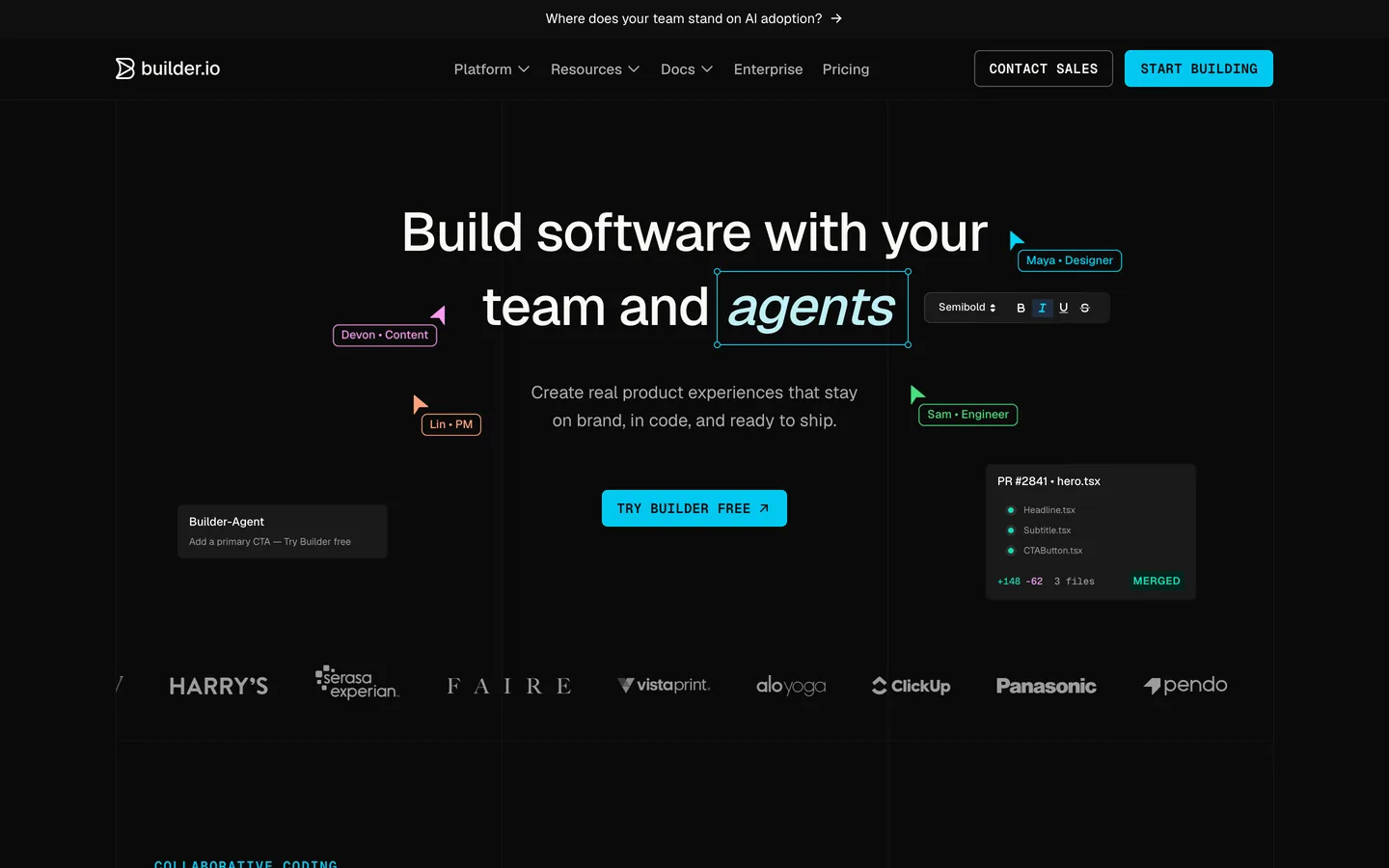



هل تريد أن يظهر المحتوى الذي تبنيه في Builder.io داخل إجابات الذكاء الاصطناعي، وليس فقط في نتائج البحث التقليدية؟ Builder.io هو CMS مرئي بدون رأس ومنشئ صفحات: يسحب المسوّقون مكوّنات مسجّلة ويفلتونها على لوحة رقمية، ويوجد المحتوى المنظّم داخل نماذج بيانات، ويُقدّم كل شيء عبر Content API إلى أي واجهة أمامية. مع التقديم من جانب الخادم، يصبح هذا السير المرئي أساسًا قويًا لـ generative engine optimization (GEO). ابدأ بـ geo seo audit مرجعي وتتبّع كل تحسّن في geo seo dashboard حي. يُوضّح هذا الدليل كيفية نمذجة محتوى Builder.io وعرضه وتوصيفه حتّى يفهمه Google ومساعدون مثل ChatGPT وPerplexity وClaude وGemini ويثقوا به ويقتبسوا منه.
لا يزال SEO التقليدي يدفع حركة الزوّار، والآن يلخّص المساعدون الويب ويعرضون قائمة قصيرة من المصادر المقتبسة. Generative Engine Optimization هي ممارسة التحوّل إلى أحد هذه المصادر. يساعد Builder.io لأنّ المحتوى منظّم: تحمل الصفحات والأقسام ونماذج البيانات حقولًا محددة النوع بدل الـ markup الفوضوي، ويُغذي المحتوى نفسه واجهات الويب والتطبيقات والمساعدين عبر API. حين تعرض واجهتك هذا المحتوى كـ HTML كامل، ترسم النماذج مواضيعك ومنتجاتك وخبرتك بثقة.
ابدأ بـ benchmark. اطرح على أبرز المساعدين الأسئلة الحقيقية التي يطرحها جمهورك، ثم سجّل إن كنت مقتبسًا، وأي URLs تظهر، وكيف يُقدّم المنافسون. تتبّع ذكر العلامة بـ ai mention tracking، وادرس المراجع التي تكسبها من خلال ai cited backlinks، وأجر geo seo audit أوّليًا لرسم الكيانات المرتبطة بعلامتك بالفعل.
في GEO، تصل نية المستخدم على شكل موجّهات. اجمع الصياغة الدقيقة التي يستخدمها الناس في المحادثة والصوت والوكلاء، ثم صنّفها حسب المهمة: تعلم، قارن، طبّق، وحلّ. وسّع التغطية بـ query fan-out tool ورتّب المواضيع بـ keyword research. لكل مجموعة، اختر صفحة أساسية واحدة لتُقتبس، واجعلها موجزة وقابلة للاقتباس ومدعومة بأدلة واضحة.
تعامل مع نماذج بيانات Builder.io بوصفها العمود الفقري للكيانات لديك. أنشئ نماذج لـ Articles وGuides وProducts وFAQs وAuthors وGlossary، ومنح كلًا حقولًا محددة النوع (عنوان، slug، ملخّص، جسم، صورة، تاريخ نشر، مرجع مؤلّف، ووسوم)، وسجّل مكوّنات مخصّصة حتّى يبني المحرّرون الصفحات من كتل دلالية. اربط الحقول بخصائص schema.org مثل name وdescription وimage وdatePublished وauthor وsameAs. تحافظ النماذج المنظّمة على اتساق كياناتك عبر كل صفحة وlocale وقناة يخدمها Builder.io.
يقدم Builder.io المحتوى عبر Content API؛ وواجهتك تعرضه. استخدم التقديم من جانب الخادم أو التوليد الساكن مع Builder SDKs في Next.js أو Nuxt أو Astro أو Remix، لتعيد الصفحات التي تريد اقتباسها HTML كاملًا في أول طلب، دون ترطيب من جانب العميل. اعرض المكوّنات المسجّلة داخل markup دلالي بعناوين حقيقية ونصّ المتن، وتأكّد أن المحتوى الكامل يظهر في المصدر الخام للصفحة وليس فقط في bundle العميل.
أضف حقولًا لعنوان SEO ووصف ميتا وURL قنوني إلى نموذج صفحتك، ثم اعرضها في head واجهتك. حافظ على URLs نظيفة تحمل الكلمات المفتاحية من خلال توجيهاتك. طبّق قواعد meta robots لإبقاء التغييرات الرقيقة أو المكرّرة خارج الفهرس، لا سيما عند تشغيل اختبارات A/B، واضبط وسوم Open Graph وTwitter من الحقول نفسها لتتطابق معاينات الوسائل الاجتماعية مع نية الصفحة والنسخة الرئيسية. تبقى القيم المنظمة متسقة عبر الإصدارات.
ولّد JSON-LD في واجهتك من حقول Builder.io، أو أضفه عبر كتلة كود مخصّصة. استخدم Article مع WebPage وBreadcrumbList لصفحات المحتوى، وProduct مع offers لصفحات المنتج، وHowTo للدروس، وFAQPage لكتل الأسئلة. أضف كتلة Organization موقعية مع logo وcontactPoint وfoundingDate وروابط sameAs إلى ملفاتك الموثّقة. ولأن البيانات تأتي مباشرة من حقول محددة النوع، تبقى بياناتك المنظّمة دقيقة وكاملة في كل صفحة.
افتتح كل مقال بملخّص من جملتين يفي بالاستفسار، ثم وسّع بمخطط قابل للقراءة. أضف كتل أسئلة وإجابات واضحة تعكس الموجّهات الحقيقية، واحفظ طول كل إجابة بين 50 و120 كلمة. للإجراءات، اذكر المواد والخطوات والوقت المطلوب بتنسيق HowTo. أسرع إنتاج المسودّات القابلة للاقتباس بـ blog article generator، ثم رتّبها بصريًا في محرّر Builder.io.
ولّد sitemap.xml من مدخلاتك المنشورة وأرسله في Google Search Console. في robots.txt، اسمح للمسارات التي تحمل محتوى قابلاً للاقتباس وامنع الضوضاء. أضف ملف llms.txt في الجذر للإشارة إلى قواعد الزحف المفضّلة لوكلاء الذكاء الاصطناعي، وURLs الذات الأولوية، وشروط إعادة الاستخدام. لأن Builder.io يكشف Content API، يمكنك إنشاء هذه الملفات تلقائيًا من البيانات ذاتها التي تُشغّل صفحاتك.
ابنِ محاور مواضيع تجمع الصفحات المترابطة وتحدد إجاباتك الأساسية. استخدم فتات الخبز لتمثيل الهرمية، وأضف روابط داخلية سياقية بروابط وصفية، معزّزة بـ topical cluster generator. دغم المراجع بين نماذج البيانات حتّى تكون هذه الوصلات واضحة. إذا كانت أجزاء أخرى من stack لديك تعمل في مكان آخر، طبّق المبادئ نفسها على أشقّاء مرئيين وبلا رأس مثل webflow وcontentful وframer.
لا يزال GEO يرتكز على السلطة. اكسب اقتباسات من مطبوعات موثوقة ومن أبحاث أصلية ومن المجتمعات التي يثق بها جمهورك. انشر تحت مؤلّفين معروفين مع سير حقيقية مخزّنة كنموذج Authors، وأظهر المؤهلات، وحافظ على صفحة About توضح من أنت ولماذا أنت موثوق، ممّا يعزّز E-E-A-T. تابع التقدّم بـ domain authority tracker وادرس تغطية المنافسين بـ seo competitor spy.
يكشف Builder.io Write API عامًا من نوع REST ينشئ إدخالات محتوى، لذلك يتصل Sorank عبر جسر webhook مع Make.com: كل مقال يُولّده Sorank يُرسل إلى سيناريو Make.com، وينشره Make في Builder.io باستخدام وحدة HTTP عامة تُرسل إلى Write API لنموذج البيانات الهدف. لا توجد تطبيقة Make.com مخصّصة، ويؤتمت webhook + HTTP العامة النشر من طرف إلى طرف. اربط حقول Sorank بنموذجك، ووثّق بمفتاح خاص، وأنتج مسودّات محسّنة بسرعة مع blog article generator.
تتبّع أي الموجّهات تُفعّل علامتك، وأي الصفحات تُقتبس، وأين يفوز المنافسون بالإجابة. قارن المراكز بـ keyword research، وتابع موقعك في geo leaderboard، وانسب التحولات من المساعدين مع صفحات هبوط موسومة وUTMs فريدة.
يمنحك Builder.io طريقة مرئية وموجّهة لـ API لتجميع محتوى منظّم؛ ويمنحك GEO الاستراتيجية للاقتباس. حين تحمل نماذج بياناتك حقولًا محددة النوع، وتبث واجهتك HTML كاملًا، وتحمل صفحاتك JSON-LD وإجابات قابلة للاقتباس، يقتبس المساعدون منك بثقة. انمذج بيانات نظيفة، واعرض من جانب الخادم، وأضف JSON-LD، وانشر عبر Write API، ثم دع Sorank يقود التدقيقات والمحتوى والروابط.

يؤدي Builder.io أداءً جيّدًا في GEO لأنّه CMS مرئي بدون رأس وموجّه لـ API: يوجد المحتوى داخل نماذج بيانات منظّمة بحقول محددة النوع ومكوّنات مسجّلة، ويُقدّم عبر Content API إلى أي واجهة. اعرض المحتوى من جانب الخادم أو كصفحات ساكنة بـ Builder SDKs في Next.js أو Nuxt أو Astro حتّى تُعيد HTML كاملًا للزواحف في أول طلب، لا مجرد bundle عميل. اربط الحقول بخصائص schema.org، وولّد JSON-LD منها، وحافظ على URLs نظيفة. أضف sitemap ووسوم canonical وملف llms.txt، وتحكّم في تغييرات A/B بـ meta robots حتّى يتمكّن مساعدون مثل ChatGPT وPerplexity وClaude وGemini من الوصول إلى صفحاتك واقتباسها.
اكتب محتوى إجابة-أولاً مرتبطًا بموجّهات حقيقية. افتتح كل مدخل بملخّص من جملتين، ثم مخطّط قابل للقراءة، واحفظ طول الفقرات دون 120 كلمة. استخدم تدرج عناوين صارمًا مع مكوّنات دلالية مسجّلة، وأضف كتل FAQ واضحة بإجابات 50-120 كلمة، وقسمًا حقيقيًا واضحًا. اربط كل دعوى بمصدر وولّد JSON-LD (Article وFAQPage وHowTo وOrganization) من حقول Builder.io في الواجهة أو في كتلة كود مخصّصة. ابنِ محاور تربط الصفحات المترابطة بروابط وصفية، منمذجة كمراجع بين نماذج البيانات، ممّا يشير إلى العمق الموضوعي الذي تعدّه النماذج مرجعيّا وتقتبسه.
يكشف Builder.io Write API عامًا من نوع REST ينشئ إدخالات محتوى، لذلك يتصل Sorank عبر جسر webhook مع Make.com بدل موصّل أصلي. كل مقال يُولّده Sorank يُرسل إلى سيناريو Make.com، وينشره Make في Builder.io بوحدة HTTP عامة تُرسل إلى Write API لنموذج البيانات الهدف. لا توجد تطبيقة Make.com مخصّصة، ويؤتمت webhook + HTTP العامة النشر من طرف إلى طرف. اربط حقول Sorank بنموذجك ووثّق أولاً بمفتاح خاص. إلى جانب النشر، يُجري Sorank تدقيقات GEO وSEO مخصّصة لموقعك، ويتابع ذكر الذكاء الاصطناعي عبر ChatGPT وPerplexity وGemini، ويراقب المنافسين، ويقترح تحسينات للمحتوى من لوحة معلومات واحدة.








.svg)
.svg)