
העדפות
הפרטיות חשובה לנו, ולכן יש לך אפשרות להשבית סוגים מסוימים של אחסון שייתכן שאינם נחוצים לתפקוד הבסיסי של האתר. חסימת קטגוריות עלולה להשפיע על חווית השימוש שלך באתר. מידע נוסף

הפרטיות חשובה לנו, ולכן יש לך אפשרות להשבית סוגים מסוימים של אחסון שייתכן שאינם נחוצים לתפקוד הבסיסי של האתר. חסימת קטגוריות עלולה להשפיע על חווית השימוש שלך באתר. מידע נוסף
תנועה מופנית מ-AI היא ביקורים המגיעים מכלי AI כמו ChatGPT ו-Perplexity. למדו כיצד לעקוב אחריה ב-GA4 ומדוע היא ממירה כה טוב.
.webp)
.webp)



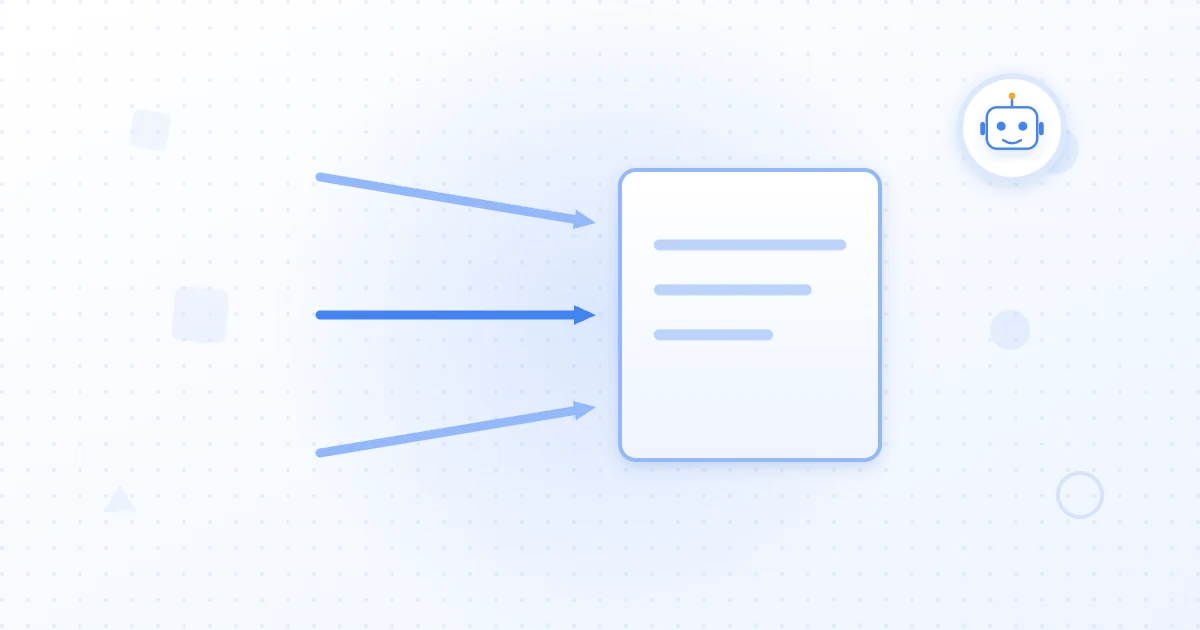
תנועה מופנית מ-AI היא זרם המבקרים המגיעים לאתר שלכם על ידי לחיצה על קישור מקור בתוך תשובה שנוצרה על ידי AI. כאשר עוזר כמו ChatGPT או Perplexity מגבש תשובה ומצטט את הדף שלכם, חלק מהמשתמשים עוקבים אחר הציטוט הזה כדי לקרוא עוד, וביקורים אלה הם תנועה מופנית מ-AI. זהו ערוץ חדש וצומח במהירות המתנהג באופן שונה מתנועה אורגנית או ממומנת קלאסית.
ערוץ זה חשוב משתי סיבות. ראשית, הגילוי עובר לכלי AI, כך שנפח התנועה המופנית מ-AI עולה בעוד שיעורי הקלקה מסורתיים יורדים. שנית, מבקרים אלה נוטים להגיע מוכשרים מראש, מכיוון שה-AI כבר בדק והמליץ על התוכן שלכם. הבנת האופן שבו עוקבים ומגדילים תנועה זו הפכה כעת לחלק מרכזי מאופטימיזציה למנועי יצירה.
תנועה מופנית מ-AI היא כל ביקור המגיע ממשתמש הלוחץ מתוך תשובת AI אל האתר שלכם. המשתמש שואל שאלה בתוך כלי AI, הכלי מפיק תשובה מצוטטת, והמשתמש לוחץ על אחד הציטוטים הללו כדי ללמוד עוד. הלחיצה הזו נוחתת בדף שלכם ונספרת כהפניה מפלטפורמת ה-AI, בדומה מאוד להפניה מכל אתר אחר, כאשר המקור מועבר כראוי.
קיימת גם משמעות רחבה יותר למונח. פרקטיקנים רבים כוללים גם את החשיפה מאזכור או ציטוט גם כאשר לא מתרחשת לחיצה, מכיוון שהנראות של המותג הזו היא ערך אמיתי שפשוט אינו מופיע כביקור. ראייה רחבה זו מקשרת תנועה מופנית מ-AI לייחוס ללא קליק, שבו ההשפעה מתרחשת בתוך התשובה מבלי שסשן אי פעם מגיע לאנליטיקס שלכם.
תנועה אורגנית עוקבת אחר מודל הפניה נקי: הדפדפן מודיע לאנליטיקס שלכם שהביקור הגיע ממנוע חיפוש, כך שהייחוס פשוט. תנועה מופנית מ-AI שוברת את המודל הזה במספר דרכים. אפליקציות AI ניידות ו-Google AI Mode לרוב מסירות את ההפניה או משתמשות במאפיין noreferrer, כך שקליקים רבים מגיעים ללא מקור ומסווגים בטעות כתנועה ישירה.
קיים גם פער מדידה ייחודי ל-AI. לפי FoundryCRO, רק חלק קטן מהציטוטים מוביל ללחיצה, מה שמשאיר את רוב אזכורי המותג בלתי נראים לאנליטיקס סטנדרטי. סורקי AI גם שולפים תוכן בזמן אמת דרך בוטים המופיעים ביומני שרת אך לא בכלים בצד הלקוח, כך שהתמונה חלקית אלא אם תשלבו מקורות. זו הסיבה שתנועה מופנית מ-AI קשה יותר לייחוס מכל ערוץ קודם.
אחד הממצאים הבולטים ביותר הוא איכות ההמרה. מחקר של Semrush מיוני 2025, המצוטט על ידי Emarketed, מצא שמבקרים המופנים על ידי מודלי שפה המירו בשיעור של כ-4.4 פעמים גבוה יותר מאשר מבקרים אורגניים רגילים, ונטו לבלות זמן רב יותר באתר. האפקט משתנה לפי ענף, וכמה ניתוחים מוצאים פער קטן יותר, אך הכיוון עקבי: מבקרים המופנים מ-AI מעורבים באופן חריג.
הסיבה היא הכשרה מוקדמת. עד שהמשתמש לוחץ, ה-AI כבר הקשיר את התוכן שלכם בתוך התשובה שלו ולמעשה אישר אותו. המבקר אינו גולש בקישורים אקראיים; הוא עוקב אחר המלצה שהעוזר אישר כרלוונטית. אישור משתמע זה מתנהג כמו הפניה מהימנה, וזו הסיבה שביקורים אלה שווים תפיסה גם כאשר נפחם עדיין צנוע.
המקורות מרוכזים. Emarketed מדווחת ש-ChatGPT מניע כ-87 אחוזים מכלל תנועת ההפניה מ-AI לאתרים, כאשר Perplexity, Gemini, Claude ואחרים מתחלקים בשארית. הובלתה של ChatGPT משקפת את בסיס המשתמשים הפעילים הגדול מאוד שלה ואת התנהגות הציטוט העקבית שלה, בעוד ש-Perplexity מתעלה על גודלה מכיוון שהיא בנויה סביב מקורות שקופים.
כל פלטפורמה מתנהגת אחרת, כך שהתמהיל שלכם יהיה תלוי במקום שבו הקהל שלכם שואל שאלות. מותג הממוקד במפתחים עשוי לראות יותר תנועה מכלים טכניים, בעוד שמותג צרכני עשוי להישען על ChatGPT וPerplexity. מעקב אחר החלוקה חשוב מכיוון שהוא מלמד אתכם אילו כלי חיפוש מבוססי AI להעדיף בעבודת התוכן והאופטימיזציה שלכם.
אנליטיקס סטנדרטי לא יפריד תנועת AI מעצמו, לכן עליכם להגדיר אותה בעצמכם. ב-GA4, צרו קבוצת ערוצים מותאמת אישית תחת Admin, ולאחר מכן הוסיפו ערוץ עם כלל התואם למקורות סשן עבור הפלטפורמות המרכזיות, בעזרת דפוס כמו chatgpt.com, perplexity.ai, claude.ai, gemini.google.com ו-copilot.microsoft.com. פעולה זו לוכדת את ההפניות מבוססות הרשת המעבירות נתוני ייחוס.
התייחסו למספר זה כאל רצפת תנועת ה-AI שלכם, לא כאל הסך הכולל. ביקורי אפליקציה ניידת, קליקים ללא הפניה מ-AI Mode וציטוטים ללא קליק לא יופיעו, לכן שלבו את ערוץ ה-GA4 עם ניתוח יומני שרת וכלי ייעודי לנראות AI. גישה מרובדת זו היא הדרך היחידה לקרב את ההיקף האמיתי, מכיוון שייחוס מושלם לחיפוש AI עדיין אינו קיים. היא משתלבת באופן טבעי עם מעקב אחר התנועה האפלה של AI שלכם, ההשפעה שלעולם אינה מתממשת לכדי סשן הניתן למדידה.
ככל ששיעורי ההקלקה האורגניים יורדים, שטח הפנים ללחיצות על קישורים כחולים מתכווץ בעוד שטח הפנים לציטוטי AI מתרחב. זה הופך את התנועה המופנית מ-AI לחזית ההפצה הבאה, ומותגים המבצעים אופטימיזציה רק לחיפוש קלאסי מסתכנים בהחמצתה. המטרה עוברת מדירוג דף להיות המקור שהעוזר מצטט ומקשר אליו.
זהו התגמול המעשי של אופטימיזציית ציטוטי AI. השגת ציטוטים בין פלטפורמות גם מגדילה ביקורים מופנים וגם בונה חשיפת מותג בתוך תשובות, ומעקב אחר כך ניזון אל תוך תמונת נראות חיפוש AI הרחבה יותר שלכם. המותגים המודדים ופועלים על סמך זה מוקדם צוברים יתרון אמיתי.
התחילו עם תוכן שזוכה לציטוטים. פתחו בתשובות ישירות וספציפיות, כללו נתונים או מחקר מקוריים, והשתמשו בעיצוב מובנה כמו כותרות, רשימות ומדורי שאלות נפוצות כדי שהמודלים יוכלו לחלץ ולבטוח בתוכן שלכם. בססו סמכות עם פרטי הסמכה ברורים למחבר ועובדות עקביות, ושמרו על דפים עדכניים כדי שהעוזרים יעדיפו אותם.
לאחר מכן, הפכו את התוכן שלכם לנגיש ומדיד. ודאו שסורקי ה-AI המזינים מערכות אלה יכולים לגשת לאתר שלכם, פלחו המרות לפי מקור AI כדי שתוכלו לראות ערך, והשתמשו במחקר מילות מפתח ותכנון תוכן ממושמעים כדי למקד את השאלות המעוררות ציטוטים בנישה שלכם.
תנועה מופנית מ-AI היא הערוץ הצומח של ביקורים המגיעים מקליקים בתוך תשובות AI, והיא מתנהגת בצורה שונה מכל תנועה שקדמה לה. קשה לייחס אותה מכיוון שהפניות מוסרות לעיתים קרובות, היא מרוכזת בכמה פלטפורמות בהובלת ChatGPT, ונוטה להמיר בשיעורים גבוהים מכיוון שה-AI כבר אישר את התוכן שלכם. תפיסתה דורשת מעקב מותאם אישית ואסטרטגיית תוכן הממוקדת בציטוטים.
כדי להעמיק בנושא, חברו זאת עם התנועה האפלה של AI ואופטימיזציית ציטוטי AI, והשתמשו בכלי המחקר ותכנון התוכן של Sorank כדי למקד את הבקשות המניעות ציטוטים. מקורות: FoundryCRO ו-Emarketed.

כלי AI רבים, ובמיוחד אפליקציות ניידות ו-Google AI Mode, מסירים את כותרת ההפניה או משתמשים במאפיין noreferrer כאשר משתמש לוחץ על ציטוט. ללא כותרת זו, כלי אנליטיקס אינם יכולים לראות מהיכן הגיע הביקור ומסווגים אותו כתנועה ישירה. זו הסיבה שנדרשים ערוץ מותאם אישית וניתוח יומני שרת כדי לחשוף את הנפח האמיתי.
לרוב כן. מחקר של Semrush מיוני 2025 מצא שמבקרים המופנים על ידי מודלי שפה המירו בשיעור של כ-4.4 פעמים גבוה יותר מאשר מבקרים אורגניים רגילים, בין השאר מכיוון שה-AI כבר בדק והמליץ על התוכן לפני שהמשתמש לוחץ. התוצאות משתנות לפי ענף, וכמה מחקרים מוצאים פער קטן יותר, לכן מדדו את הנתונים שלכם.
צרו קבוצת ערוצים מותאמת אישית ב-GA4 והוסיפו כלל התואם למקורות סשן כמו chatgpt.com, perplexity.ai, claude.ai, gemini.google.com ו-copilot.microsoft.com. פעולה זו לוכדת הפניות מבוססות רשת המעבירות נתוני ייחוס. התייחסו לתוצאה כאל רצפה, לא כאל הסך הכולל, מכיוון שאפליקציות ניידות וציטוטים ללא קליק נותרים בלתי נראים ב-GA4 בלבד.









.svg)
.svg)