التفضيلات
خصوصيتك مهمة بالنسبة لنا، لذلك لديك خيار تعطيل أنواع معينة من التخزين التي قد لا تكون ضرورية للوظائف الأساسية للموقع. قد يؤثر حظر الفئات على تجربتك في الموقع. مزيد من المعلومات

خصوصيتك مهمة بالنسبة لنا، لذلك لديك خيار تعطيل أنواع معينة من التخزين التي قد لا تكون ضرورية للوظائف الأساسية للموقع. قد يؤثر حظر الفئات على تجربتك في الموقع. مزيد من المعلومات
حقن الأوامر هجوم يستولي على نموذج AI من خلال مدخلات مصممة بعناية. تعرفوا على كيفية عمل الحقن المباشر وغير المباشر وكيفية الدفاع ضدهما.
.webp)
.webp)



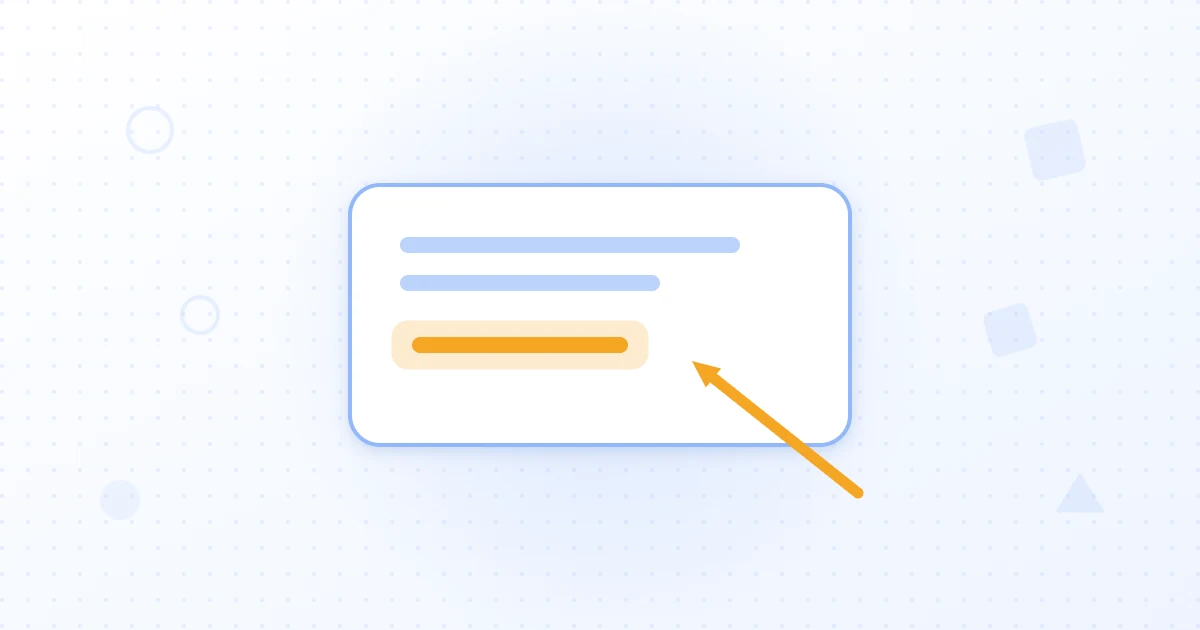
حقن الأوامر هو ثغرة يتلاعب من خلالها مهاجم بنموذج لغة كبير عبر مدخلات مصممة بعناية، ما يجعله يتصرف بطرق لم يقصدها مطوروه إطلاقاً. ونظراً لأن معظم النماذج تعالج التعليمات والبيانات معاً ضمن سلسلة نصية واحدة، يمكن لتعليمة ضارة أن تندمج مع محتوى شرعي وتستولي بهدوء على سلوك النموذج، ما يؤدي إلى تسريب البيانات أو مخرجات خاطئة أو إجراءات غير مصرح بها.
أصبح هذا الخطر محورياً في أمن AI: تُدرج قائمة OWASP Top 10 for LLM Applications حقن الأوامر كأكبر تهديد لعام 2025. وبالنسبة للمسوقين والمؤسسين وممارسي SEO وGEO، يكتسب الأمر أهمية لأن الصفحات ذاتها التي يقرأها مساعد AI للإجابة عن سؤال يمكن أن تتحول إلى قناة لتوصيل هذه الهجمات، ما يجعل نظافة المحتوى مسألة أمنية وليست مجرد مسألة جودة.
تحدث ثغرة حقن الأوامر عندما تغيّر أوامر المستخدمين، أو أي نص آخر يقرأه النموذج، سلوكه أو مخرجاته بطرق غير مقصودة. وخلافاً للحقن البرمجي التقليدي الذي يستهدف محلّل الصياغة (parser)، يستغل حقن الأوامر أمراً أكثر جوهرية: يتعامل النموذج مع كل اللغة التي يتلقاها باعتبارها ذات معنى، دون فصل مدمج بين التعليمات الموثوقة والبيانات غير الموثوقة.
هذا التصميم هو بالضبط سبب نجاح الهجوم. فعندما تُمزَج تعليمة نظام وطلب مستخدم ومحتوى مسحوب من الويب في أمر واحد، لا تكون لدى النموذج طريقة موثوقة لمعرفة أي الأجزاء يجب أن يطيعها وأيها يجب أن يكتفي بقراءتها. ويمكن لمهاجم يتحكم في أي جزء من ذلك النص أن يحاول تهريب أوامر داخله. ويتطلب فهم هذا الأمر إلماماً أساسياً بـهندسة الأوامر وبكيفية معالجة LLM للمدخلات.
يحدث حقن الأوامر المباشر، المعروف غالباً باسم jailbreaking، عندما يكتب المستخدم تعليمة ضارة مباشرة داخل النموذج. والمثال الكلاسيكي هو تجاوز التعليمات، مثل مطالبة النموذج بتجاهل تعليماته السابقة والكشف عن تعليمة النظام المخفية الخاصة به. وتشمل الأشكال الأخرى محاولات jailbreak قائمة على لعب الأدوار تُقنع النموذج بتبنّي شخصية أقل تقييداً، وحيل ترميز تُخفي الحمولة الضارة، ومحادثات تصعّد الصلاحيات تدريجياً.
يُعد الحقن المباشر الشكل الأكثر شيوعاً لأن المهاجم يستخدم ببساطة حقل الإدخال كما هو مصمّم له، لكن بمحتوى عدائي. ويتراوح الأثر بين كشف تعليمة نظام سرية وتجاوز قواعد السلامة، ولهذا يندرج مباشرة ضمن اهتمامات سلامة AI الأوسع.
حقن الأوامر غير المباشر أخطر وأصعب في الاكتشاف. هنا يخفي المهاجم تعليمات داخل محتوى خارجي سيقرؤه النموذج لاحقاً: صفحة ويب، ملف PDF، بريد إلكتروني، وصف أداة، أو ملف تهيئة. وعندما يعالج AI ذلك المحتوى المسموم، لا يستطيع التمييز بشكل موثوق بين المعلومات والأوامر المضمّنة، فتُفعّل التعليمة المخفية دون أن يراها المستخدم مطلقاً.
يتضاعف الخطر لأن مصدراً واحداً مسموماً يمكن أن يخترق كل من يطلب من AI معالجته. وقد وثّقت إحدى الحالات متصفح Perplexity Comet، حيث زرع باحثون نصاً غير مرئي في منشور بمنتدى خدع المساعد فجعله يسرّب كلمة مرور لمرة واحدة لمستخدم إلى خادم المهاجم. وكلما سحبت أنظمة AI بيانات من مصادر أكثر عبر التوليد المعزّز بالاسترجاع، اتسعت سطح الهجوم معها.
تتبع معظم الهجمات منطقاً بسيطاً: العثور على مكان يستوعب فيه النموذج نصاً، ثم وضع تعليمة هناك تتعارض مع الهدف الحقيقي للنموذج. وفي الهجمات المباشرة، يكون ذلك المكان هو مربع الدردشة. أما في الهجمات غير المباشرة، فهو أي محتوى تستهلكه المنظومة تلقائياً دون التعامل معه باعتباره عدائياً محتملاً، وهو ما تسميه فرق الأمن سطح الاستيعاب (ingestion surface).
يمكن أن تكون الحمولة نفسها واضحة أو مخفية، إذ لا يحتاج النموذج إلى تنسيق قابل للقراءة البشرية لتحليلها. ويمكن أن تكمن التعليمات في نص أبيض، أو بيانات وصفية، أو خصائص alt، أو مدفونة داخل مستند طويل. وبمجرد قراءتها، يمكن أن تطلب من النموذج تسريب بيانات، أو إعادة كتابة إجابة، أو استدعاء أداة متصلة، ولهذا تعتمد العواقب بشكل كبير على ما يُسمح للنموذج بفعله.
التأثيرات خطيرة. فقد يؤدي حقن ناجح إلى كشف معلومات حساسة، بما في ذلك بيانات شخصية وتعليمة النظام نفسها، ووصول غير مصرح به إلى البيانات، وتصعيد صلاحيات، ومخرجات متحيزة أو غير صحيحة، وفي الأنظمة المتصلة، تنفيذ أوامر عشوائية. وعندما يكون بإمكان النموذج التصرف لا مجرد الإجابة، يمكن لتعليمة محقونة أن تُحدث عواقب في العالم الحقيقي.
يتضاعف الخطر مع زيادة الاستقلالية. فإعداد وكلاء AI الذي يتصفح ويقرأ الملفات ويستدعي الأدوات يمكن توجيهه عبر تعليمات مخفية لاتخاذ إجراءات ضارة نيابة عن المستخدم. وتضيف منظومات الأدوات مثل Model Context Protocol قوة إضافية لكنها تضيف أيضاً أسطح استيعاب جديدة، مثل أوصاف الأدوات، يمكن للمهاجمين محاولة تسميمها.
تضع OWASP حقن الأوامر في المرتبة الأولى لأنه متأصل في طريقة معالجة AI التوليدي للغة، وليس خللاً يمكن إغلاقه بتصحيح واحد. وتشير المنظمة إلى أنه من غير الواضح ما إذا كانت هناك وقاية مضمونة تماماً، نظراً للطبيعة الاحتمالية لهذه النماذج. وبعبارة أخرى، تكمن الثغرة في التصميم الأساسي للأنظمة التي تتلقى تعليمات باللغة الطبيعية.
ويجعل الحقن غير المباشر هذا الترتيب مبرّراً أكثر، لأنه قابل للتوسع. فمستند واحد أو صفحة أو بريد إلكتروني يمكن أن يحمل هجوماً يصل إلى كل مستخدم يقرأه مساعده. وهذا المزيج بين استحالة الإصلاح من حيث المبدأ وإمكانية الاستغلال الواسعة من الناحية العملية هو ما يجعل المدافعين يتعاملون معه كأولوية قصوى لا كحالة استثنائية.
لا يوجد حل واحد، لذا يكون الدفاع متعدد الطبقات. يجب تقييد النموذج بتعليمات دور واضحة والتحقق بصرامة من صيغة مخرجاته. ويجب فصل المحتوى الخارجي ووسمه بوضوح حتى تميّز المنظومة بين التعليمات الموثوقة والبيانات غير الموثوقة، وتطبيق تصفية للمدخلات والمخرجات. ويجب فرض مبدأ الحد الأدنى من الصلاحيات بحيث لا يلمس النموذج سوى ما يحتاجه فعلاً، واشتراط موافقة بشرية على الإجراءات عالية الخطورة.
وبعيداً عن النموذج، يكون الدفاع معمارياً: التحقق من استدعاءات الأدوات قبل تنفيذها، ومراقبة الانحرافات السلوكية، وإجراء اختبارات عدائية منتظمة لاكتشاف نقاط الضعف قبل المهاجمين. أما بالنسبة للناشرين، فالخلاصة العملية هي الحفاظ على نظافة المحتوى الخاص بهم. إن تعقيم المحتوى الذي ينشئه المستخدمون وتأمين الموقع جزء من سلامة العلامة التجارية في AI، ما يحمي الزوار ومساعدات AI التي تقرأ الصفحات على حد سواء.
التحدي الجوهري هو أن حقن الأوامر لا يمكن القضاء عليه بالكامل في تصاميم النماذج الحالية، بل يمكن فقط التخفيف منه. تقلّل المرشّحات من الخطر لكن يمكن تجاوزها بصياغة مبتكرة أو ترميز جديد، كما أن التصفية المفرطة في الصرامة قد تعطّل الاستخدام المشروع. وهذا يترك الفرق أمام إدارة خطر متبقٍّ بدلاً من إزالته تماماً.
الاكتشاف صعب أيضاً، لا سيما بالنسبة للهجمات غير المباشرة التي تختبئ في محتوى لا يفحصه المستخدمون أبداً. ويمكن لأنظمة الذاكرة أن تديم تسميماً عبر جلسات متعددة، ما يعني أن حقناً ناجحاً واحداً قد يستمر أثره. والموقف الواقعي هو دفاع متعدد الطبقات مقترن بتقييد ما يُسمح للنموذج بفعله، بحيث يتسبّب حتى الحقن الناجح بضرر محدود.
حقن الأوامر هو الخطر الأمني المحدّد لعصر AI لأنه يستغل الطريقة التي تقرأ بها النماذج التعليمات والبيانات ككتلة واحدة. ويأتي بشكل مباشر، حيث يُدخل المستخدم أمراً ضاراً، وبشكل غير مباشر، حيث تختبئ التعليمات في محتوى يقرؤه النموذج لاحقاً، مع كون الهجمات غير المباشرة الأخطر والأكثر قابلية للتوسع. ولا يوجد علاج كامل، بل دفاعات متعددة الطبقات وصلاحيات محكمة فقط.
بالنسبة للمسوقين والناشرين، الدرس المستفاد هو أن المحتوى النظيف والآمن يحمي أنظمة AI التي تقرأه. وللتعمق أكثر، يمكن ربط هذا بـسلامة AI وسلامة العلامة التجارية في AI. مصادر مرجعية: OWASP GenAI Security Project وLakera.

حقن الأوامر هجوم يجعل فيه نص مُعَدّ بعناية نموذج AI يتجاهل تعليماته الحقيقية وينفّذ بدلاً منها ما يريده المهاجم. ونظراً لأن النماذج تقرأ التعليمات والبيانات في نفس التدفق النصي، يمكن لتعليمة ضارة مخفية في مدخلات المستخدم أو في محتوى خارجي أن تستولي على النموذج. وهو مصنّف كأكبر مخاطر الأمان لتطبيقات AI.
حقن الأوامر المباشر هو أن يكتب المستخدم تعليمة ضارة مباشرة داخل النموذج، مثل مطالبته بتجاهل تعليمة النظام الخاصة به. أما حقن الأوامر غير المباشر فيخفي التعليمة داخل محتوى خارجي يقرؤه النموذج لاحقاً، مثل صفحة ويب أو ملف PDF أو بريد إلكتروني. والهجمات غير المباشرة أخطر لأن المستخدم لا يراها أبداً ولأن مصدراً واحداً مسموماً يمكن أن يؤثر على أشخاص كثيرين.
نعم. إذا كان مساعد AI يقرأ صفحتك، فإن المهاجمين القادرين على حقن محتوى فيها (عبر التعليقات، أو مساهمات المستخدمين، أو عناصر مخترَقة) قد يزرعون تعليمات مخفية تستولي على المساعد. والحفاظ على نظافة موقعك، وتعقيم المحتوى الذي ينشئه المستخدمون، واتباع ممارسات أمنية جيدة يحمي زوارك وأنظمة AI التي تقرأ صفحاتك على حد سواء.






.svg)
.svg)