
التفضيلات
خصوصيتك مهمة بالنسبة لنا، لذلك لديك خيار تعطيل أنواع معينة من التخزين التي قد لا تكون ضرورية للوظائف الأساسية للموقع. قد يؤثر حظر الفئات على تجربتك في الموقع. مزيد من المعلومات

خصوصيتك مهمة بالنسبة لنا، لذلك لديك خيار تعطيل أنواع معينة من التخزين التي قد لا تكون ضرورية للوظائف الأساسية للموقع. قد يؤثر حظر الفئات على تجربتك في الموقع. مزيد من المعلومات
تجمع تطبيقات الويب التقدمية (PWA) بين مدى وصول الموقع الإلكتروني وتجربة التطبيق الأصلي. تعرفوا على كيفية عملها وما تعنيه بالنسبة إلى SEO.
.webp)
.webp)




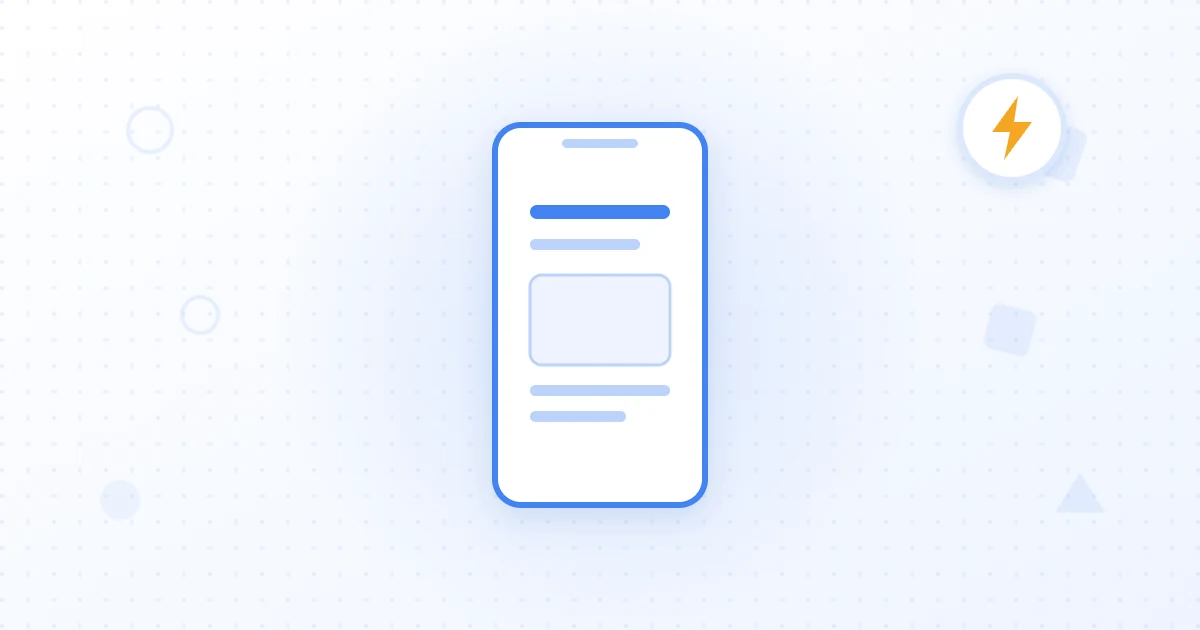

تطبيقات الويب التقدمية، أو PWA، هي تطبيقات مبنية بتقنيات منصة الويب توفر تجربة قريبة من تجربة تطبيق مخصص لمنصة معينة. مثل الموقع الإلكتروني، يعمل تطبيق PWA على منصات وأجهزة متعددة من قاعدة كود واحدة. ومثل التطبيق الأصلي، يمكن تثبيته على الجهاز، ويعمل دون اتصال بالإنترنت وفي الخلفية، ويتكامل مع نظام التشغيل والتطبيقات الأخرى.
هذا المزيج هو ما يجعله جذابًا: تحصلون على مدى وصول الويب وقابلية اكتشافه مع الكثير من صقل التطبيق الأصلي، دون الحاجة إلى صيانة إصدارات منفصلة لكل منصة. بالنسبة إلى المسوّقين، الجزء الأهم هو أن تطبيق PWA يبقى في جوهره موقعًا إلكترونيًا، لذلك يمكن الاستمرار في زحفه وفهرسته وإظهاره في نتائج البحث.
تطبيق PWA هو تطبيق ويب يجمع بين إمكانات الموقع الإلكتروني التقليدي ووظائف وشعور تطبيق الجوال الأصلي. يُفتح من الشاشة الرئيسية، ويمكن أن يعمل بملء الشاشة دون واجهة المتصفح، ويتصرف مثل برنامج مثبت، لكنه يُقدّم عبر الويب وليس عبر متجر تطبيقات. كلمة "تقدمي" تشير إلى أنه يحسّن نفسه بناءً على ما يدعمه المتصفح والجهاز.
ولأنه لا يزال ويبًا في جوهره، يحتفظ تطبيق PWA بعناوين URL حقيقية قابلة للربط، ويمكن مشاركته وحفظه كمفضلة والعثور عليه عبر البحث. هذا هو الفرق الجوهري عن التطبيق الأصلي المحصور داخل متجر: تطبيق PWA يعيش في العالمين في آن واحد.
يحتاج كل تطبيق PWA إلى شيئين على الأقل: ملف manifest لتطبيق الويب وservice worker. ملف manifest هو ملف JSON يصف التطبيق، ويتضمن عناصر مثل الاسم أو الاسم المختصر، وأيقونات بحجمي 192 و512 بكسل، وعنوان URL للبدء، ووضع عرض مثل standalone. هذه الخصائص هي ما يتيح للمتصفح عرض التثبيت وتشغيل التطبيق كأنه برنامج أصلي.
المتطلب الثالث هو HTTPS. يجب تقديم تطبيق PWA عبر اتصال آمن، لحماية المستخدمين ولأن الـservice worker لن يُسجّل من دونه. لذلك يُعد التسليم الآمن جزءًا أساسيًا من أي إعداد سليم لـSEO التقني لتطبيق PWA.
خدمات الـservice workers هي محرك تطبيق PWA. الـservice worker هو ملف JavaScript يعمل كوسيط بين المتصفح والشبكة. بمجرد تثبيته، يمكنه اعتراض الطلبات ضمن نطاقه وتقديم الردود من ذاكرة تخزين مؤقت (cache)، وهذا ما يتيح لتطبيق PWA التحميل فورًا والاستمرار في العمل دون اتصال بالإنترنت أو على اتصال ضعيف.
تقوم الـservice workers بأكثر من التخزين المؤقت. فهي تدير المزامنة في الخلفية للمهام المؤجلة، والجلب في الخلفية للتنزيلات الكبيرة، والإشعارات الفورية (push) لإعادة جذب المستخدمين، وتحدّث التطبيق بهدوء في الخلفية بحيث يحصل المستخدمون دائمًا على أحدث نسخة دون انتظار متجر التطبيقات. هذه الموثوقية تساهم مباشرة في تجربة صفحة قوية.
مقارنة بالتطبيق الأصلي، يُعد تطبيق PWA أرخص في البناء والصيانة لأنه يعمل من قاعدة كود واحدة، ويتجاوز حراسة الدخول وتأخيرات المراجعة في متاجر التطبيقات. لا تزال التطبيقات الأصلية تتفوق في أعمق تكامل مع الجهاز، لكن بالنسبة إلى منتجات كثيرة يسد تطبيق PWA معظم هذه الفجوة. مقارنة بموقع إلكتروني عادي، يضيف تطبيق PWA إمكانية التثبيت والدعم دون اتصال وميزات الخلفية التي لا يمكن لصفحة قياسية تقديمها.
الفائدة العملية هي التفاعل. ولأن تطبيقات PWA تجمع بين التحميل السريع والسلوك الشبيه بالتطبيق، فهي غالبًا ما ترتبط بتفاعل أعلى ومعدلات ارتداد أقل مقارنة بمواقع الجوال التقليدية، وهذا ما دفع تجار التجزئة والناشرين إلى الاستثمار فيها.
على عكس التطبيقات الأصلية المخفية في المتاجر، تظهر تطبيقات PWA في محركات البحث وتُفهرس مثل أي موقع إلكتروني. هذه الطبيعة المزدوجة تعني أن تطبيق PWA واحد يمكن أن يحتل ترتيبًا في النتائج العضوية وأن يوجد أيضًا على الشاشة الرئيسية للمستخدم، فيلتقط الطلب من الاتجاهين. لذلك يُعد إبقاء المحتوى في متناول برامج الزحف أمرًا أساسيًا، وهو ما يربط تطبيقات PWA بانضباط دقيق في الزحف والفهرسة.
وينطبق المنطق نفسه على المحركات التوليدية. تعرض مساعدات الذكاء الاصطناعي المحتوى الذي يمكنها زحفه وتحليله، لذلك يمكن لتطبيق PWA الذي يعرض محتواه بطريقة قابلة للزحف أن يكسب ظهورًا في إجابات الذكاء الاصطناعي وكذلك في البحث الكلاسيكي. التعامل مع تطبيق PWA كموقع إلكتروني أولاً، وربطه بـبحث سليم عن الكلمات المفتاحية وتخطيط المحتوى، يبقيه قابلاً للاكتشاف في كل مكان.
الخطر الكلاسيكي هو العرض من جانب العميل (client-side rendering). ولأن تطبيقات PWA غالبًا ما تبني المحتوى باستخدام JavaScript في المتصفح، واجهت محركات البحث القديمة صعوبة في فهرستها. نضجت المحركات الحديثة وأصبحت تدعم history API لإنشاء عناوين URL قابلة للربط، لكن يبقى من الضروري التأكد من أن برامج الزحف يمكنها رؤية المحتوى، ويُفضّل ذلك عبر العرض من جانب الخادم (server-side rendering) أو pre-rendering للصفحات المهمة.
إلى جانب العرض، امنحوا كل عرض ذي معنى عنوان URL حقيقيًا خاصًا به، واعرضوا عناوين وبيانات وصفية سليمة، وتأكدوا من أن الصفحات المهمة قابلة للفهرسة. تطبيق PWA الذي يخفي محتواه خلف تنقل مخصص للتطبيق فقط يتخلى عن ظهور البحث الذي يُعد أحد أكبر مزاياه مقارنة بالتطبيقات الأصلية، ويمكن أن يضعف تجربة المستخدم بالنسبة إلى الزوار الجدد القادمين من البحث.
تناسب تطبيقات PWA المنتجات التي تستفيد من قابلية الاكتشاف على الويب والتفاعل الشبيه بالتطبيق معًا: متاجر التجارة الإلكترونية، ومواقع الأخبار والإعلام، وأدوات السفر، ولوحات تحكم البرمجيات. وهي ذات قيمة خاصة عندما يكون المستخدمون على شبكات متغيرة أو أجهزة أقل قدرة، لأن التخزين المؤقت دون اتصال والتحميل الخفيف يحافظان على قابلية استخدام التجربة.
وهي أيضًا بديل قوي عندما تكون تكلفة بناء وصيانة تطبيقات أصلية منفصلة مرتفعة جدًا. يمكن لتطبيق PWA واحد أن يخدم الجوال وسطح المكتب، وأن يُثبّت عند الطلب، وأن يظل قابلاً للعثور عليه في البحث، وهو ما يوفر غالبًا معظم قيمة التطبيق الأصلي بجزء يسير من التكلفة. مقارنة بأساليب أقدم مثل AMP، يقدم تطبيق PWA تفاعلية أغنى بكثير مع الحفاظ على السرعة.
يجمع تطبيق الويب التقدمي بين مدى وصول الويب وتجربة التطبيق الأصلي، مبنيًا من قاعدة كود واحدة، وقابلًا للتثبيت، وقادرًا على العمل دون اتصال، وقابلًا للاكتشاف في البحث. جوهره هو ملف manifest، وservice worker، وHTTPS، وأكبر ميزة استراتيجية له مقارنة بالتطبيقات الأصلية هي أنه يمكن زحفه وفهرسته وإظهاره من قبل محركات البحث ومساعدات الذكاء الاصطناعي على حد سواء.
لحماية هذه الميزة، اعرضوا المحتوى بحيث يمكن لبرامج الزحف قراءته، وامنحوا كل عرض عنوان URL حقيقيًا، وواءموا تطبيق PWA مع تجربة صفحة سليمة ومع أدوات البحث وتخطيط المحتوى من Sorank. مصادر مرجعية: MDN Web Docs، وPositional، وSeobility.

تطبيقات PWA جيدة بالنسبة إلى SEO عند بنائها بشكل صحيح، لأنها تبقى في جوهرها مواقع إلكترونية يمكن زحفها وفهرستها مثل أي موقع، على عكس التطبيقات الأصلية المحصورة داخل متجر. الخطر الرئيسي هو العرض من جانب العميل الذي يخفي المحتوى عن برامج الزحف. استخدموا العرض من جانب الخادم أو pre-rendering، وامنحوا كل عرض عنوان URL حقيقيًا، وتأكدوا من أن الصفحات الرئيسية قابلة للفهرسة.
يتطلب تطبيق PWA في حده الأدنى ملف manifest لتطبيق الويب، وservice worker، وHTTPS. يصف ملف manifest التطبيق باسم وأيقونات وعنوان URL للبدء ووضع عرض حتى يتمكن المتصفح من عرض التثبيت. يتيح الـservice worker الدعم دون اتصال وميزات الخلفية، وHTTPS إلزامي لأن الـservice worker لن يُسجّل على اتصال غير آمن.
يعمل تطبيق PWA من قاعدة كود ويب واحدة عبر مختلف المنصات وهو قابل للاكتشاف في البحث، في حين أن التطبيق الأصلي مخصص لمنصة معينة ويُوزّع عبر متجر تطبيقات. تطبيقات PWA أرخص في البناء والصيانة وتتجنب تأخيرات مراجعة المتجر. لا تزال التطبيقات الأصلية تقدم تكاملاً أعمق مع الجهاز، لكن تطبيقات PWA تسد جزءًا كبيرًا من هذه الفجوة بالنسبة إلى معظم المنتجات.










.svg)
.svg)