
التفضيلات
خصوصيتك مهمة بالنسبة لنا، لذلك لديك خيار تعطيل أنواع معينة من التخزين التي قد لا تكون ضرورية للوظائف الأساسية للموقع. قد يؤثر حظر الفئات على تجربتك في الموقع. مزيد من المعلومات

خصوصيتك مهمة بالنسبة لنا، لذلك لديك خيار تعطيل أنواع معينة من التخزين التي قد لا تكون ضرورية للوظائف الأساسية للموقع. قد يؤثر حظر الفئات على تجربتك في الموقع. مزيد من المعلومات
يعمل Entity SEO على تحسين المحتوى حول أشياء تتعرف عليها محركات البحث، وليس فقط الكلمات المفتاحية. تعرفوا على كيفية بناء سلطة موضوعية والفوز في بحث الذكاء الاصطناعي.
.webp)
.webp)



Entity SEO هو ممارسة تحسين المحتوى حول الكيانات، الأشخاص والعلامات التجارية والأماكن والمنتجات والمنظمات والمفاهيم التي يمكن لمحرك البحث تحديدها وربطها بوضوح، بدلاً من الاعتماد فقط على سلاسل الكلمات المفتاحية. هدفه مساعدة Google على فهم معنى المحتوى الخاص بكم وعلاقاته بالأشياء المعروفة الأخرى، وهذه هي الطريقة التي يقيّم بها البحث الحديث الصلة فعلياً.
التحول بسيط في وصفه: تخبر الكلمات المفتاحية Google بالكلمات التي تظهر في الصفحة، بينما تساعد الكيانات Google على فهم ما تدور حوله الصفحة حقاً. مع اعتماد أنظمة البحث والذكاء الاصطناعي بشكل أكبر على المعنى، أصبح Entity SEO تخصصاً أساسياً لكسب الظهور في كل من النتائج التقليدية وإجابات الذكاء الاصطناعي.
الكيان (Entity) هو أي شيء يمكن تحديده بوضوح ويمكن لمحرك البحث التعرف عليه وتصنيفه وربطه بأشياء أخرى. يعمل Entity SEO على تحسين المحتوى الخاص بكم بحيث تكون هذه الكيانات واضحة وغير غامضة ومترابطة جيداً، مما يسمح لـ Google بإدراج صفحتكم ضمن فهمها الدلالي لموضوع ما. يمكن لصفحة عن Entity SEO حينئذ أن تُرتّب في عمليات بحث ذات صلة مثل البحث الدلالي أو الصلة الموضوعية دون تكرار العبارة الدقيقة.
يعمل هذا لأن Google لم تعد تكتفي بعدّ ورود الكلمات المفتاحية. فهي تقيّم ما إذا كان المحتوى الخاص بكم يُظهر فهماً حقيقياً لمفهوم ما وعلاقاته بالكيانات ذات الصلة. يتداخل Entity SEO مع الممارسة الأوسع المتمثلة في تحسين الكيانات الرقمية، لكن تركيزه ينصب على الترتيب والظهور في البحث تحديداً.
كان SEO التقليدي يكافئ التكرار الدقيق للكلمات المفتاحية. تطور البحث الحديث، مستخدماً البحث الدلالي، ومعالجة اللغة الطبيعية، ومخطط المعرفة (Knowledge Graph) لفهم المعنى السياقي. دفع استحواذ Google على Freebase عام 2010 والتحديثات اللاحقة المحرك نحو فهم المواضيع والكيانات بدلاً من العبارات الحرفية.
الأثر العملي هو أن التحسين تحول من الاستهداف الدقيق للعبارات إلى تغطية شاملة لموضوع أو كيان ما. يُحكم على المحتوى اليوم بشكل أقل بناءً على الصياغة الدقيقة وأكثر بناءً على تغطية الكيانات، والصلة السياقية، والعلاقات الدلالية، والخبرة المُثبتة. توفر الكيانات اليقين، واليقين يدفع الظهور في البحث.
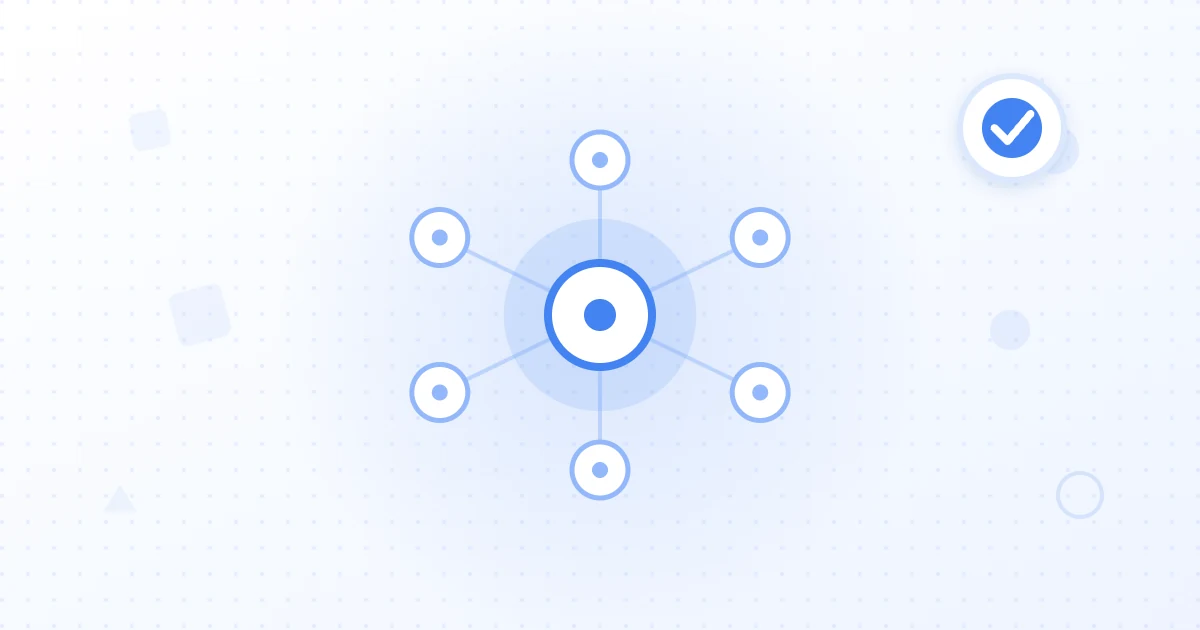
مخطط المعرفة (Knowledge Graph) هو في الأساس قاعدة بيانات ضخمة من الكيانات وعلاقاتها. عندما تستطيع Google التعرف بثقة على علامتكم التجارية أو موضوعكم ككيان في هذا المخطط، يمكنها ربطكم باستعلامات ذات صلة، وإظهاركم في النتائج الغنية، والوثوق بكم كمصدر. تحمل الكيانات هناك معرّفات فريدة، وخصائص مصنّفة، وروابط (Edges) بكيانات أخرى.
هذا مهم إلى ما هو أبعد من البحث التقليدي. ولأن نماذج مثل Gemini مدرّبة على بيانات مخطط المعرفة، فإن ترسيخ الكيان يحدد الآن ما إذا كانت علامتكم التجارية أو خبرتكم سيتم الاستشهاد بها أصلاً في AI Overviews وإجابات AI mode. لم يعد Entity SEO مقتصراً على العلامات التجارية الكبيرة ذات ميزانيات العلاقات العامة؛ إنه بنية تحتية أساسية للظهور.
يسرّع SEO القائم على الكيانات بناء السلطة الموضوعية من خلال جعل العلاقات صريحة. فبدلاً من صفحات معزولة، تبنون نظاماً بيئياً مترابطاً للمحتوى يعكس طريقة عمل مخططات المعرفة: تحدد صفحة رئيسية الكيان الأساسي، وتغطي مقالات داعمة كيانات فرعية ذات صلة، وكلها مترابطة دلالياً. هذا يشير إلى أن موقعكم يغطي موضوعاً بشكل شامل بدلاً من تشتت الكلمات المفتاحية.
بشكل ملموس، اربطوا كيانكم الأساسي بالمفاهيم المحيطة به. إذا كنتم تبيعون برنامج CRM، فاربطوا هذا الكيان بأتمتة المبيعات، وتقييم العملاء المحتملين، والاحتفاظ بالعملاء بحيث تكون العلاقات واضحة. يضمن رسم هذا الهيكل باستخدام خريطة موضوعية (Topical Map) مدروسة أن تعزّز مجموعاتكم بعضها بعضاً وتسد الثغرات التي يتركها المنافسون مفتوحة.
ابدؤوا بالبيانات المنظمة: حوّلوا المحتوى الخاص بكم إلى JSON-LD لإزالة الغموض عن محركات البحث. أعطوا الأولوية لمخططات Schema مثل Organization وPerson للمؤلفين وArticle وProduct وما شابهها، وتأكدوا من تطابق الترميز مع المحتوى الظاهر في الصفحة. حدّدوا علاقات الكيانات في الكتابة نفسها، وهيكلوا الصفحات بعناوين واضحة وأسئلة شائعة وروابط داخلية استراتيجية.
رسّخوا سلطة المؤلف، لأن الشخص وراء المحتوى أصبح مهماً بقدر أهمية المحتوى نفسه بشكل متزايد؛ يرتبط هذا مباشرة بـE-A-T. ثم اكسبوا الإشارات والاستشهادات، بما فيها غير المرتبطة بروابط، لأن أنظمة Google يمكنها رصد الإشارات المتزامنة للكيانات حتى دون روابط تشعبية. تساعد أدوات مثل Google Cloud Natural Language API وInLinks وWordLift وأدوات تحليل فجوات المحتوى في استخراج الكيانات وتحليل البروز والربط الداخلي، ويؤدي إقرانها مع بحث الكلمات المفتاحية وتخطيط المحتوى المنضبط إلى إبقاء العمل مركّزاً.
داخل كل صفحة، يُعد جعل كيانكم المستهدف مركزياً جزءاً من العمل. يقيس بروز الكيان (Entity Salience) مدى ارتباط الصفحة فعلياً بكيان معين، ويساعد البروز المرتفع Google على ربط الصفحة بالاستعلامات الصحيحة. تسمية الكيان وتصنيفه مبكراً، وجعله الموضوع النحوي، ووصف خصائصه وعلاقاته، كل ذلك يرفع هذا البروز.
لهذا السبب يعزّز Entity SEO والكتابة الواضحة بعضهما بعضاً. المحتوى المهيكل بحيث يكون كيان واحد هو الموضوع بلا شك يسهل تصنيفه واسترجاعه والاستشهاد به على كل من محركات البحث وأنظمة الذكاء الاصطناعي، وهذا يتراكم عبر شبكة محتوى مترابطة جيداً ليصبح خبرة معترفاً بها.
بالنسبة لـ SEO التقليدي، يحصّن تحسين الكيانات المحتوى الخاص بكم ضد محرك يفهم المعنى بدلاً من مطابقة السلاسل النصية، مما يحسّن الظهور عبر العديد من الاستعلامات ذات الصلة في آن واحد. كما يفتح نتائج غنية ولوحات معرفة نادراً ما تحصل عليها الصفحات القائمة على الكلمات المفتاحية فقط.
بالنسبة لتحسين المحركات التوليدية، تُعد الكيانات المحلولة بوابة الاستشهاد. يفضّل مساعدو الذكاء الاصطناعي الإشارة إلى الكيانات التي يمكنهم تحديدها بثقة، لذا فإن نفس عمل الكيانات الذي يساعدكم على الترتيب يجعلكم أيضاً مصدراً أكثر أماناً للنموذج ليقتبس منه. هذه هي الجسر بين Entity SEO وتحسين الاستشهادات بالذكاء الاصطناعي.
تُبنى سلطة الكيان تدريجياً. يمكن للتطبيق الأولي لـ Schema أن يُظهر نتائج خلال أسابيع، لكن التعرف الهام في مخطط المعرفة يستغرق عادة من ستة إلى اثني عشر شهراً من بناء الكيانات المستمر. لا يوجد تحوّل فوري، لذا فإن الصبر والتنفيذ الثابت أمران مهمان.
التحدي الآخر هو الجوهر: لا يفيد Schema كثيراً بدون محتوى مطابق، ونادراً ما تنجح ملاحقة إشارات الكيانات بدون خبرة حقيقية. الطريق الأكثر موثوقية هو تغطية المواضيع بدقة، والحفاظ على اتساق الحقائق، وترك البيانات المنظمة تصف محتوى يكتسب سلطته حقاً.
يعمل Entity SEO على التحسين من أجل المعنى، من خلال هيكلة المحتوى حول كيانات محددة بوضوح وعلاقاتها بحيث تفهم محركات البحث وأنظمة الذكاء الاصطناعي ما تدور حوله صفحاتكم. يكافئ هذا العمق الموضوعي، والعلاقات الصريحة، والبيانات المنظمة النظيفة، وسلطة المؤلف، والإشارات المكتسبة، وكل ذلك يتراكم في ظهور دائم عبر البحث وإجابات الذكاء الاصطناعي.
للتعمق أكثر، يمكن ربط هذا الموضوع بـتحسين الكيانات الرقمية وتخطيط الخريطة الموضوعية، واستخدام أدوات البحث وتخطيط المحتوى الخاصة بـ Sorank لبناء مجموعات غنية بالكيانات ومترابطة جيداً. مصادر مرجعية: RankArise وMRS Digital.

يركز SEO القائم على الكلمات المفتاحية على الكلمات التي تظهر في الصفحة، وقد كافأ تاريخياً التكرار الدقيق. يركز Entity SEO على ما تدور حوله الصفحة فعلاً، من خلال التحسين حول كيانات محددة بوضوح وعلاقاتها بحيث تفهم Google المعنى. يمكن لصفحة كيان مبنية جيداً أن تُرتّب في العديد من الاستعلامات ذات الصلة دون تكرار العبارة الدقيقة، لأن المحرك يتعرف على المفهوم وليس فقط الكلمات.
أضيفوا بيانات منظمة بصيغة JSON-LD باستخدام مخططات مثل Organization وPerson وArticle وProduct، وتأكدوا من تطابقها مع المحتوى الظاهر في الصفحة. حدّدوا علاقات الكيانات في كتابتكم، وابنوا صفحاً رئيسية ومجموعات تربط المفاهيم ذات الصلة، ورسّخوا سلطة مؤلف واضحة. اكسبوا الإشارات والاستشهادات، بما فيها غير المرتبطة بروابط، لأن Google يمكنها رصد الإشارات المتزامنة للكيانات حتى دون روابط تشعبية.
تُبنى سلطة الكيان تدريجياً. يمكن للتطبيق الأولي لـ Schema أن يُظهر نتائج خلال أسابيع، لكن التعرف الهام في مخطط معرفة Google يستغرق عادة من ستة إلى اثني عشر شهراً من بناء الكيانات المستمر. يتراكم العمل بمرور الوقت، لذا فإن التنفيذ الثابت والتغطية الموضوعية الدقيقة والحقائق المتسقة أهم من أي تغيير سريع واحد.









.svg)
.svg)