
التفضيلات
خصوصيتك مهمة بالنسبة لنا، لذلك لديك خيار تعطيل أنواع معينة من التخزين التي قد لا تكون ضرورية للوظائف الأساسية للموقع. قد يؤثر حظر الفئات على تجربتك في الموقع. مزيد من المعلومات

خصوصيتك مهمة بالنسبة لنا، لذلك لديك خيار تعطيل أنواع معينة من التخزين التي قد لا تكون ضرورية للوظائف الأساسية للموقع. قد يؤثر حظر الفئات على تجربتك في الموقع. مزيد من المعلومات
يتيح البحث الوكيلي لوكلاء AI التخطيط وتشغيل وتحسين استعلامات متعددة للإجابة عن أهداف معقدة. تعرفوا على آلية عمله وكيفية الحصول على استشهادات.
.webp)
.webp)



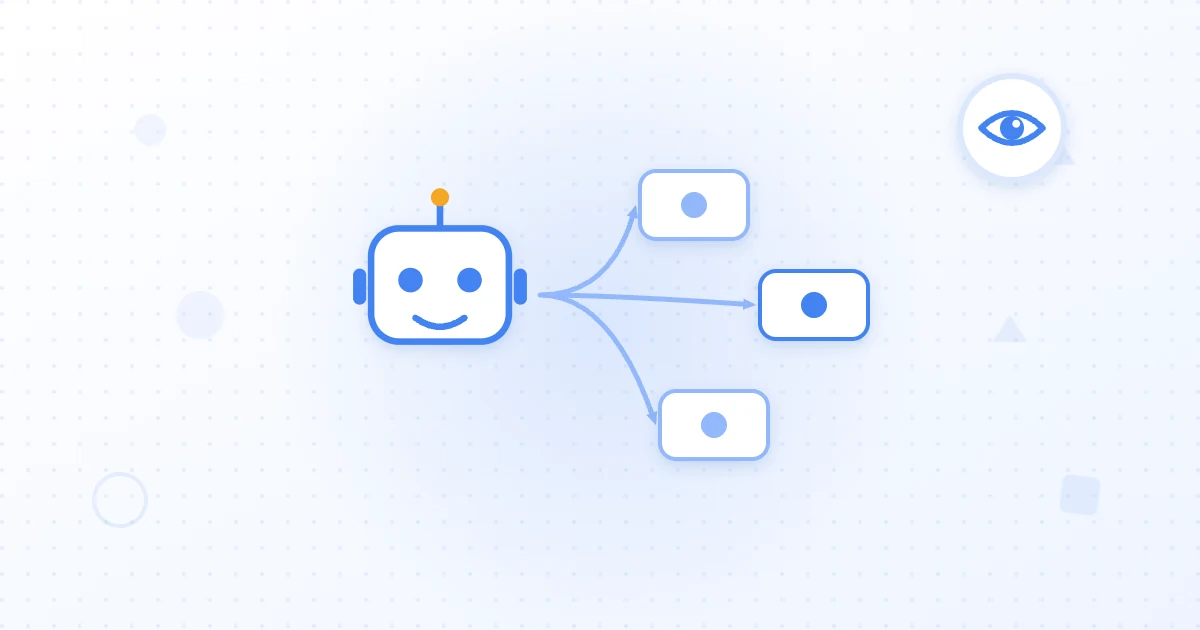
البحث الوكيلي هو ممارسة تتيح لوكيل AI مستقل قيادة عملية البحث بأكملها. فبدلاً من إرسال استعلام واحد ومسح صفحة من الروابط، يقسّم الوكيل الهدف إلى أسئلة فرعية، ويشغّل عدة عمليات بحث، ويقرأ النتائج ويقارنها، ويحدد ما هو ناقص، ويواصل البحث حتى يتمكن من الإجابة بثقة. والنتيجة إجابة مركّبة مدعومة بعدة مصادر، وليست قائمة مرتّبة يتعين على المستخدم غربلتها بنفسه.
يكتسب هذا التحول أهمية لأن جزءاً أكبر من عملية الاكتشاف يحدث الآن داخل مساعدات AI ووكلاء AI بدلاً من صفحة نتائج تقليدية. وعندما يتولى الوكيل عملية البحث، يتحول السؤال بالنسبة للمسوّقين من "هل أنا مرتب في نتائج كلمة مفتاحية" إلى "هل يجد الوكيل محتواي، ويثق به، ويستشهد به أثناء بحثه".
يستخدم البحث الوكيلي نموذج لغة كبيراً ليعمل كباحث نشط بدلاً من أداة بحث سلبية. يرجع البحث التقليدي نتائج استعلام واحد ثم يتوقف. أما الوكيل فيحتفظ بالهدف في الذاكرة، ويقرر الأدوات والاستعلامات التي سيستخدمها، ويقيّم كل مجموعة نتائج، ويواصل حتى يجمع أدلة كافية. وهذه القدرة على تنفيذ إجراءات متعددة الخطوات والاحتفاظ بالسياق واستدعاء الأدوات هي ما يميّز الوكيل عن مجرد رد روبوت محادثة بسيط.
عملياً، يشغّل البحث الوكيلي إمكانات البحث المعمّق والإجابات متعددة الخطوات التي تُلاحظ في مساعدات مثل ChatGPT وPerplexity وGemini. هذه الأنظمة لا تكتفي بتلخيص صفحة واحدة، بل تشغّل سلسلة من عمليات البحث، وتتحقق من الادعاءات بشكل متبادل، وتجمّع إجابة من مصادر عديدة، وهذا ما يمنح المحتوى الذي تستشهد به ظهوراً حقيقياً.
تتبع معظم أنظمة البحث الوكيلي الحلقة الإدراكية نفسها. يخطط الوكيل من خلال تفكيك هدف معقد إلى خطوات استرجاع أصغر. ويبحث من خلال تشغيل استعلام محدد الهدف. ويقيّم ما تحتويه النتائج وما هو ناقص فيها. ثم يحسّن الاستعلام التالي لسد تلك الفجوة، ويكرر الدورة حتى تصبح التغطية كافية للإجابة عن السؤال الأصلي.
ولأن كل جولة نتائج تغذي الاستعلام التالي، تتكيف العملية في الوقت الفعلي. يرجع البحث الواحد على الويب نتائج مرة واحدة فقط، في حين أن البحث الوكيلي تكراري بطبيعته. تصف بعض المنصات هذا بنمط التخطيط والتنفيذ والتأمل، حيث تحدد خطوة التأمل ما إذا كان لدى الوكيل ما يكفي للتوقف أو أنه يحتاج إلى جولة أخرى. وغالباً ما تعمل هذه الخطوات عبر سير عمل وكيلي ينسّق الأدوات والذاكرة التي يعتمد عليها الوكيل.
البحث التقليدي القائم على الكلمات المفتاحية تفاعلي: يجيب عن استعلام واحد في كل مرة ويترك إعادة الصياغة للمستخدم. أما البحث الوكيلي فهو استباقي وموجّه نحو الهدف، ويعيد صياغة الاستعلامات تلقائياً بناءً على ما تعلمه بالفعل. ويقع الاسترجاع المعزز بالتوليد، أو RAG، في مكان ما بينهما. يستمد RAG من مخزون محتوى ثابت ومفهرس مسبقاً، وهو مثالي للتوثيق الداخلي المستقر. أما البحث الوكيلي فهو مصمم لكل ما عدا ذلك: الويب المفتوح، والإشارات الآنية، والمصادر التي لا تتحكمون فيها أو لا تحدّثونها وفق جدول زمني ثابت.
طريقة مفيدة لتصور الفرق: روبوت محادثة يرجع بضعة روابط لمطاعم لا يزال مجرد بحث. أما الوكيل الذي يبحث في الخيارات، ويطرح أسئلة توضيحية، ويقارن التقييمات عبر مواقع مختلفة، ويحجز طاولة فهو وكيلي بالفعل. الوكيل يتصرف، بينما محرك البحث يستجيب فقط.
يمثّل البحث الوكيلي التحول التالي في الطريقة التي تكتسب بها العلامات التجارية ظهوراً، تماماً كما غيّر AI التوليدي الظهور في البحث من قبل. تعتمد نسبة ظهوركم الآن على ما إذا كانت الوكلاء تُظهر محتواكم وتثق به وتستشهد به أثناء البحث المستقل، وليس فقط على ترتيب صفحة معينة لكلمة مفتاحية واحدة. فقد تُستشهد صفحة مرتبة في المركز العاشر لمصطلح رئيسي مراراً إذا كانت تجيب عن الأسئلة الفرعية المحددة التي يطرحها الوكيل على طول الطريق.
هذه هي الفكرة الأساسية وراء تحسين الاستشهادات بواسطة AI وgenerative engine optimization. الهدف هو أن تصبحوا مصدراً موثوقاً تعود إليه الوكلاء عبر استعلامات عديدة، وهو ما يتراكم بما يتجاوز بكثير ترتيباً واحداً. كما يكافئ هذا النهج العمق، لأن الوكلاء تفضّل المواقع التي تغطي موضوعاً بشكل شامل بدلاً من تغطيته سطحياً.
ابدأوا بالإجابة عن الأسئلة مباشرة وفي وقت مبكر. ضعوا تعريفاً أو إجابة واضحة ومستقلة بذاتها قرب أعلى كل صفحة حتى يتمكن الوكيل من استخلاصها دون تخمين. ثم ابنوا عمقاً موضوعياً حقيقياً، يغطي المواضيع الفرعية والمقارنات والحالات الاستثنائية التي سيتحقق منها الوكيل. تتعامل استراتيجية محتوى AI القوية مع كل صفحة كعقدة واحدة ضمن مجموعة مواضيع مترابطة جيداً.
وبعيداً عن الكتابة، تُعد الإشارات التقنية مهمة. استخدموا البيانات المنظمة وschema markup حتى تتمكن الآلات من تفسير حقائقكم. عزّزوا الربط الداخلي حتى يتمكن الوكيل من الانتقال من صفحة إلى صفحة أخرى ذات صلة. حافظوا على اتساق الحقائق عبر الصفحات، وتأكدوا من أن موقعكم قابل للوصول من قبل زواحف AI التي تغذّي هذه الأنظمة. وإقران ذلك مع بحث الكلمات المفتاحية وتخطيط المحتوى المنضبط يساعدكم على استهداف الأسئلة التي تطرحها الوكلاء فعلياً.
يتألق البحث الوكيلي في الأسئلة التي لا يمكن لاستعلام واحد الإجابة عنها. غالباً ما يتطلب الاستخبار التنافسي تركيباً عبر عشرات الصفحات. وتتضمن العناية الواجبة التحقق المتبادل من الادعاء نفسه عبر مصادر مستقلة. وغالباً ما يمتد البحث السوقي والأكاديمي عبر مجتمعات تستخدم مصطلحات مختلفة للفكرة نفسها، وهو ما قد يفوته استعلام كلمة مفتاحية واحدة.
بالنسبة لهذه المهام، تكمن الفكرة كلها في قدرة الوكيل على إعادة الصياغة والتحقق. فهو يضحي بقليل من السرعة مقابل تغطية أوسع وأكثر رسوخاً بكثير، وهذا ما يجعل الفرق تلجأ بشكل متزايد إلى الأنظمة الوكيلية في الأبحاث عالية المخاطر بدلاً من عمليات البحث السريعة عن الحقائق.
البحث الوكيلي أكثر تكلفة وأبطأ من استعلام واحد، لأن كل جولة إضافية تضيف زمن استجابة وحوسبة. وبالنسبة لبحث بسيط تكفي فيه النتيجة الأولى، يكون البحث العادي أسرع وأرخص. ولا يؤتي العمق ثماره إلا عندما يكون السؤال معقداً بالفعل.
يكمن الخطر الأكبر في الموثوقية. ولأن الوكيل يسلسل خطوات عديدة، يمكن لانحراف خاطئ مبكر أن يتراكم إلى إجابة خاطئة بثقة عالية. لا تزال هذه الأنظمة بحاجة إلى إشراف بشري لرصد الهلوسات، والتحقق من المصادر، والحفاظ على توافق المخرجات مع النية الحقيقية للمستخدم. تعاملوا مع مخرجات البحث الوكيلي كمسودة قوية يجب التحقق منها، وليس كمصدر نهائي للحقيقة.
يحوّل البحث الوكيلي عملية الاسترجاع إلى حلقة بحث نشطة ومتعددة الخطوات، يقوم فيها وكيل AI بالتخطيط والبحث والتقييم والتحسين حتى يتمكن من الإجابة. وبالنسبة للمسوّقين والناشرين، يعيد ذلك صياغة مفهوم الظهور حول كونكم مصدراً موثوقاً وقابلاً للاستشهاد عبر استعلامات فرعية عديدة، بدلاً من ترتيب واحد لمرة واحدة لكلمة مفتاحية واحدة. والعلامات التجارية التي ستفوز هي تلك التي تجمع بين الإجابات المباشرة، والتغطية الموضوعية العميقة، والبنية النظيفة، والربط الداخلي القوي.
وللمضي قدماً أكثر، اربطوا ذلك بـتحسين الاستشهادات بواسطة AI وباستراتيجية محتوى AI أوسع، واستخدموا أدوات البحث والتخطيط من Sorank لاستهداف الأسئلة التي تطرحها الوكلاء أكثر من غيرها. المصادر المرجعية: Conductor، وFirecrawl، وOpenSearch.

تستجيب إجابة AI القياسية لمطالبة واحدة عبر تلخيص ما استرجعه النموذج في مرور واحد. أما البحث الوكيلي فهو حلقة: يخطط الوكيل لأسئلة فرعية، ويشغّل عدة عمليات بحث، ويتحقق من النتائج مقابل الهدف، ويحسّن استعلاماته حتى تكتمل الإجابة. إنه يتصرف كباحث، لا كعملية بحث واحدة.
ينتقل الظهور من ترتيب صفحة واحدة لكلمة مفتاحية واحدة إلى أن تصبحوا مصدراً تثق به الوكلاء عبر أسئلة فرعية عديدة. ولكي تُستشهد بمحتواكم، يحتاج إلى بنية واضحة، وإجابات مباشرة قرب الأعلى، وعمق موضوعي قوي، وربط داخلي نظيف يتيح للوكيل الانتقال بين الصفحات ذات الصلة. كما يساعد schema markup واتساق الحقائق الوكيل على استخلاص محتواكم وإعادة استخدامه.
جزئياً. يمكنكم مراقبة الإشارات والاستشهادات عبر مساعدات AI مثل ChatGPT وPerplexity وGemini باستخدام تتبع generative engine optimization، ثم مقارنة حصتكم من الظهور بالمنافسين. تُظهر هذه البيانات أي المطالبات تُظهركم، وأيها لا تُظهركم، وأي الصفحات يجب تعزيزها كي تستشهد بكم الوكلاء بشكل أكثر تكراراً.










.svg)
.svg)