
التفضيلات
خصوصيتك مهمة بالنسبة لنا، لذلك لديك خيار تعطيل أنواع معينة من التخزين التي قد لا تكون ضرورية للوظائف الأساسية للموقع. قد يؤثر حظر الفئات على تجربتك في الموقع. مزيد من المعلومات

خصوصيتك مهمة بالنسبة لنا، لذلك لديك خيار تعطيل أنواع معينة من التخزين التي قد لا تكون ضرورية للوظائف الأساسية للموقع. قد يؤثر حظر الفئات على تجربتك في الموقع. مزيد من المعلومات
اجعل تطبيق وموقع Softr الخاص بك مرئياً لـ Google والبحث بالذكاء الاصطناعي. استخدم كتل القوائم والتفاصيل، والبيانات الوصفية النظيفة، وJSON-LD، ومدونة مدعومة بقاعدة بيانات حتى يستشهد ChatGPT وPerplexity وClaude وGemini بصفحاتك.
.webp)
.webp)





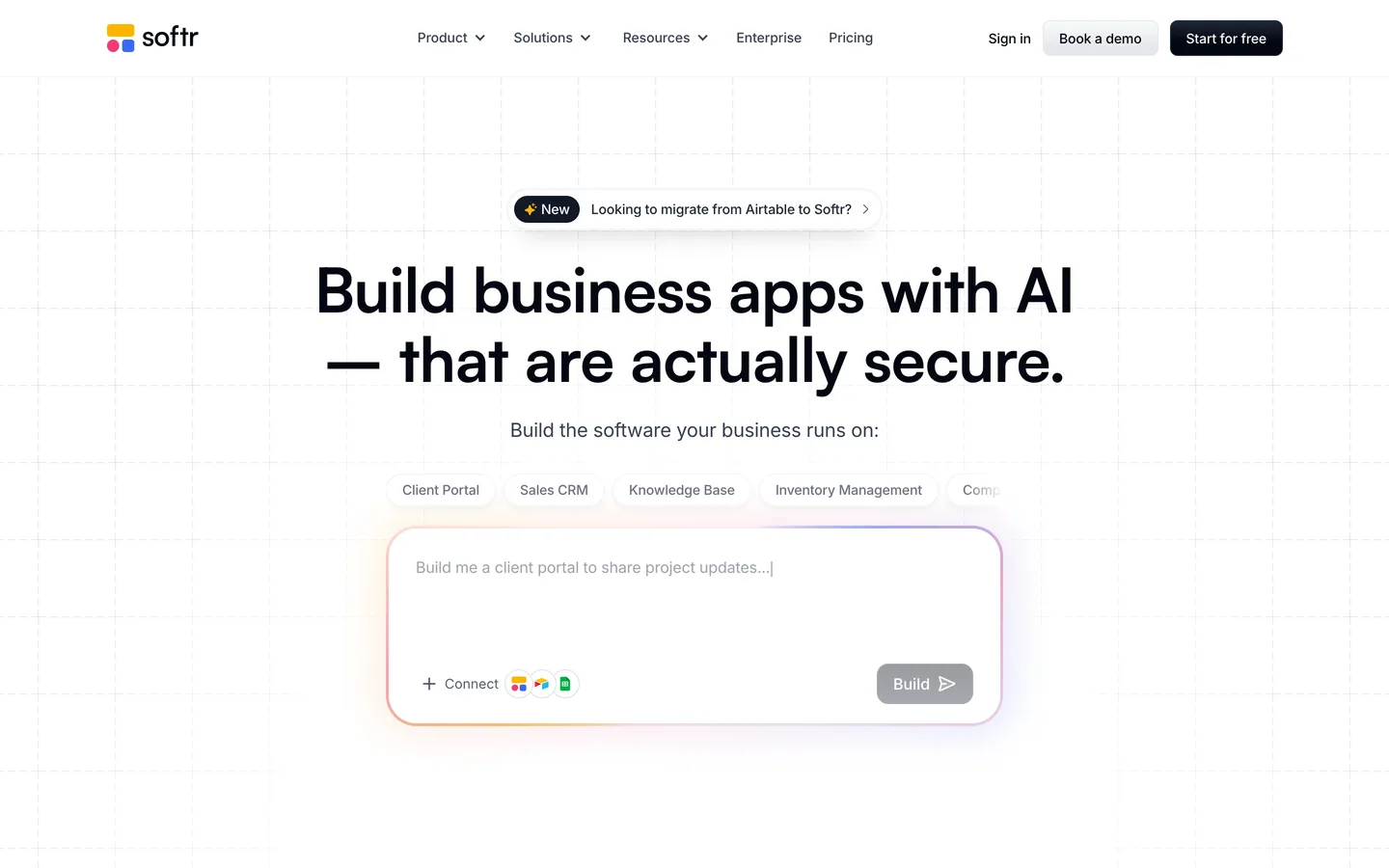



بنيت منتجك على Softr وتريد أن يستشهد المساعدون به، لا أن يُصنَّف فقط في Google؟ يحوّل Softr قاعدة بيانات مثل Airtable أو Google Sheets إلى تطبيق ويب أو موقع بدون كود، حيث تعرض الكتل سجلاتك كصفحات. مع البنية الصحيحة، يصبح هذا الإعداد المدفوع بالبيانات أساساً قوياً لتحسين محركات التوليد (GEO)، لأن محتواك يعيش بالفعل كسجلات نظيفة ومنظمة. ابدأ بـ geo seo audit أساسي وتتبع كل تحسّن في geo seo dashboard حي. يوضح هذا الدليل كيفية هيكلة الكتل وكتابة البيانات الوصفية وإضافة schema وتشغيل مدونة مدعومة بقاعدة بيانات حتى يفهم Google ومساعدون مثل ChatGPT وPerplexity وClaude وGemini صفحاتك ويستشهدون بها.
لا يزال SEO الكلاسيكي يقود حركة المرور، ويلخّص مساعدو الذكاء الاصطناعي الآن الويب ويقدمون قائمة قصيرة من المصادر. تحسين محركات التوليد هو ممارسة أن تصبح أحد تلك المصادر المستشهد بها. يمنحك Softr ميزة: صفحاتك مولّدة من سجلات قاعدة البيانات، لذا العناوين والأوصاف والفئات والعلاقات موجودة بالفعل كحقول منظمة. عندما تكشف هذه البنية بترميز نظيف، ترسم النماذج كياناتك بثقة وتستشهد بالصفحة التي تجيب على استفسار.
ابدأ بمعيار مرجعي. اسأل المساعدين الرائدين الأسئلة الحقيقية التي يطرحها جمهورك، ثم سجّل ما إذا كنت مستشهداً بك، وأي الروابط تظهر، وكيف يُشار إلى المنافسين. تتبع إشارات العلامة التجارية باستخدام ai mention tracking، وراجع الاستشهادات التي تكسبها عبر ai cited backlinks، وشغّل geo seo audit أساسياً لرسم الكيانات المرتبطة بك بالفعل.
في GEO، تصل النية كاستفسارات. اجمع الصياغة الدقيقة التي يستخدمها الناس في الدردشة والصوت، ثم اجمعها حسب المهمة: التعلم والمقارنة والاختيار والتصرف. وسّع التغطية باستخدام query fan-out tool وحدد أولويات المواضيع باستخدام keyword research. لكل تجميع، اختر صفحة قانونية واحدة، غالباً صفحة تفاصيل Softr مدفوعة بسجل، واجعلها موجزة وقابلة للاقتباس ومدعومة بأدلة واضحة.
يبني Softr صفحات ديناميكية من كتل القوائم وكتل تفاصيل العناصر المرتبطة بمصدر بياناتك. صمم قاعدة بياناتك بحيث يحتوي كل سجل على عنوان واضح وملخص وفئة وأي عناصر مرتبطة، ثم قم بتعيين تلك الحقول للعناوين والنص التمهيدي في صفحة التفاصيل. تصبح كتلة القائمة محور موضوع، وكل صفحة تفاصيل مرتبطة تجيب على سؤال مركّز واحد. يحافظ نموذج السجل-إلى-الصفحة على اتساق الأسماء والحقائق عبر كل صفحة مولّدة.
يدعم Softr مناطق مغلقة للأعضاء فقط وصفحات عامة، لذا ضع المحتوى الذي تريد الاستشهاد به في صفحات عامة يمكن الوصول إليها بدون تسجيل دخول. تأكد من أن هذه الصفحات تعرض نصها الرئيسي في HTML الأولي حتى تقرأه الزواحف ووكلاء الذكاء الاصطناعي بشكل موثوق. احتفظ بميزات التطبيق المسجّلة الدخول منفصلة عن المحتوى العام القابل للفهرسة، واستخدم روابط نظيفة وقابلة للقراءة لكل صفحة تفاصيل ديناميكية.
يتيح لك Softr تعيين حقول SEO للصفحة، وللصفحات الديناميكية يمكنك تعيين العنوان ووصف meta من حقول السجل، لذا كل صفحة مولّدة تحصل على عنوان ووصف دقيقين وفريدين. احتفظ بكيان رئيسي واحد لكل صفحة، عيّن روابط قانونية لتوحيد التكرارات، وتأكد من مطابقة علامات Open Graph لنية الصفحة. أعط كل صورة نص alt وصفياً مستمداً من بياناتك حيثما أمكن.
يسمح Softr بالكود المخصص، لذا حقن JSON-LD في رأس الصفحة أو كتلة كود. استخدم Article بالإضافة إلى WebPage وBreadcrumbList لصفحات المحتوى، وProduct مع offers لسجلات المنتج، وHowTo للبرامج التعليمية، وFAQPage لكتل الأسئلة. أضف schema Organization على مستوى الموقع مع name وlogo وsameAs وcontactPoint. نظراً لأن حقولك تُعيَّن بشكل نظيف إلى خصائص schema مثل name وdescription وimage وdatePublished، تظل البيانات المنظمة دقيقة على نطاق واسع.
أنشئ كتل سؤال وجواب صريحة تعكس الاستفسارات الحقيقية، لأنها من بين أكثر المحتويات القابلة للاقتباس للبحث بالذكاء الاصطناعي. احتفظ بكل إجابة بين 50 و120 كلمة، استشهد بالرابط الداخلي ذي الصلة، وأدرج مصدراً خارجياً موثوقاً واحداً. للإجراءات، اذكر المواد والخطوات والوقت المطلوب بتنسيق HowTo. يتيح لك نوع سجل FAQ مخصص في قاعدة بياناتك قولبة هذه الأنماط وإعادة استخدامها عبر الصفحات.
يمكن لـ Softr توليد sitemap للصفحات المنشورة، لذا أرسله في Google Search Console وحافظ عليه محدثاً مع إضافة السجلات. في قواعد robots، اسمح بالأدلة التي تحتوي على محتوى قابل للاقتباس واحجب الضوضاء. أضف ملف llms.txt في الجذر للإشارة إلى قواعد الزحف المفضلة لوكلاء الذكاء الاصطناعي، والروابط ذات الأولوية للاستشهاد، وشروط إعادة الاستخدام. تجعل هذه الملفات موقعك قابلاً للتنبؤ لمحركات البحث والمساعدين على حد سواء.
استخدم كتل القوائم وروابط السجلات المرتبطة لبناء محاور مواضيع تجمع صفحات التفاصيل ذات الصلة، وأضف breadcrumbs للتعبير عن التسلسل الهرمي. اكتب نص ربط وصفياً وسرّع التخطيط باستخدام topical cluster generator. إذا كانت أجزاء من مجموعتك تعمل في مكان آخر، طبّق نفس المبادئ على bubble وwebflow وframer وwordpress، واربطها بربط متسق.
لا يزال GEO يعتمد على السلطة. اكسب استشهادات من منشورات موثوقة وأبحاث أولية ومجتمعات متخصصة. انشر تحت خبراء مسمّين، أظهر بيانات اعتماد المراجعين، واحتفظ بسير المؤلفين وصفحة About التي تعزز E-E-A-T. تتبع التقدم باستخدام domain authority tracker مع تراكم المراجع.
يعرض Softr واجهة برمجة تطبيقات عامة ولديه تطبيق Make.com مخصص، ومدونة Softr هي كتلة قائمة تغذيها السجلات، لذا يتصل Sorank عبر جسر webhook من Make.com: كل مقال ينتجه Sorank يُرسل إلى سيناريو Make.com، وينشئ Make سجل مدونة جديد في مصدر بيانات Softr الخاص بك عبر تطبيق Softr المخصص، ثم تعرضه كتل القائمة والتفاصيل الخاصة بك كصفحة. لا يوجد موصل Sorank أصلي، ومسار webhook مع Make يؤتمت النشر من طرف إلى طرف. أنتج مسودات محسّنة بسرعة باستخدام blog article generator، عيّن حقول السجل إلى صفحة تفاصيل مدونتك، والجأ إلى مدونة Sorank المستضافة ذاتياً إذا كان إعدادك يقيد ذلك.
تتبع الاستفسارات التي تشغّل علامتك التجارية، والصفحات المستشهد بها، وأين يفوز المنافسون. قارن نفسك بـ seo competitor spy، وشاهد ترتيبك على geo leaderboard، وانسب التحويلات من المساعدين بصفحات هبوط موسومة وUTMs فريدة. راجع شهرياً، وحدّث السجلات التي تفوز بالاستشهادات، ووسّع التجمعات التي تؤدي بشكل جيد.
يمنحك Softr بنية مدفوعة بقاعدة بيانات؛ ويمنحك GEO الاستراتيجية. عندما تُعيَّن سجلاتك إلى كيانات واضحة، وتعرض كتلك بيانات وصفية وJSON-LD دقيقين، ومدونة مدعومة بقاعدة بيانات تغطي الذيل الطويل، يستشهد بك المساعدون بثقة. صمم بياناتك، وابنِ كتلك، وأضف schema وإجابات قابلة للاقتباس، واربط Sorank عبر Make.com، ودع Sorank يقود عمليات التدقيق والمحتوى وتتبع الإشارات.

يمكن لـ Softr أن يؤدي جيداً لـ GEO لأن صفحاته مولّدة من سجلات قاعدة البيانات، لذا العناوين والأوصاف والفئات والعلاقات موجودة بالفعل كحقول منظمة. ابنِ صفحات عامة بدون تسجيل دخول بكتل القوائم والتفاصيل، عيّن حقول السجل إلى عنوان الصفحة ووصف meta، وتأكد من عرض النص الرئيسي في HTML الأولي. يتيح لك الكود المخصص لـ Softr إضافة JSON-LD لـ Article وFAQPage وHowTo وOrganization، ويمكنك توليد sitemap وإضافة ملف llms.txt. مع سجلات نظيفة وصفحات عامة، يمكن لـ ChatGPT وPerplexity وClaude وGemini الوصول والاستشهاد بمحتواك بشكل موثوق.
اكتب محتوى يركز على الإجابة معيّناً إلى الاستفسارات الحقيقية. صمم سجلاً بعنوان واضح وملخص من جملتين وفئة، ثم عيّن تلك الحقول إلى صفحة تفاصيل تفتح بالملخص ومخطط قابل للمسح. ابنِ كتل FAQ صريحة بإجابات من 50 إلى 120 كلمة، ادعمها بـ schema FAQPage عبر الكود المخصص لـ Softr، واستخدم كتلة قائمة كمحور موضوع يربط صفحات التفاصيل ذات الصلة. أضف schema Article وHowTo، احتفظ بكيان واحد لكل صفحة، وثبّت كل ادعاء بمصدر. تمنح هذه البنية المدفوعة بالسجلات محركات الذكاء الاصطناعي مقاطع نظيفة وقابلة للاقتباس.
يعرض Softr واجهة برمجة تطبيقات عامة ولديه تطبيق Make.com مخصص، ومدونة Softr هي كتلة قائمة تغذيها السجلات، لذا يتصل Sorank عبر جسر webhook من Make.com بدلاً من موصل أصلي. كل مقال ينتجه Sorank يُرسل إلى سيناريو Make.com، وينشئ Make سجل مدونة جديد في مصدر بيانات Softr الخاص بك عبر تطبيق Softr المخصص، ثم تعرضه كتلك كصفحة. بعد النشر، يجري Sorank عمليات تدقيق GEO وSEO مصممة لموقعك، ويتتبع إشارات الذكاء الاصطناعي عبر ChatGPT وPerplexity وGemini، ويراقب المنافسين، ويقترح تحسينات المحتوى من لوحة تحكم واحدة. عيّن حقول السجل إلى صفحة تفاصيل مدونتك، والجأ إلى مدونة Sorank المستضافة ذاتياً إذا كان إعدادك يقيد ذلك.








.svg)
.svg)