設定
当社はプライバシーを重視しており、ウェブサイトの基本機能に必要のない特定のストレージを無効にするオプションを提供しています。カテゴリーをブロックすると、ウェブサイトでの体験に影響が出る可能性があります。詳細はこちら

当社はプライバシーを重視しており、ウェブサイトの基本機能に必要のない特定のストレージを無効にするオプションを提供しています。カテゴリーをブロックすると、ウェブサイトでの体験に影響が出る可能性があります。詳細はこちら

Softr のアプリとウェブサイトを Google と AI 検索に見つけてもらいましょう。リストと詳細のブロック、きれいなメタデータ、JSON-LD、データベースにもとづくブログを使い、ChatGPT、Perplexity、Claude、Gemini にページを引用してもらいます。
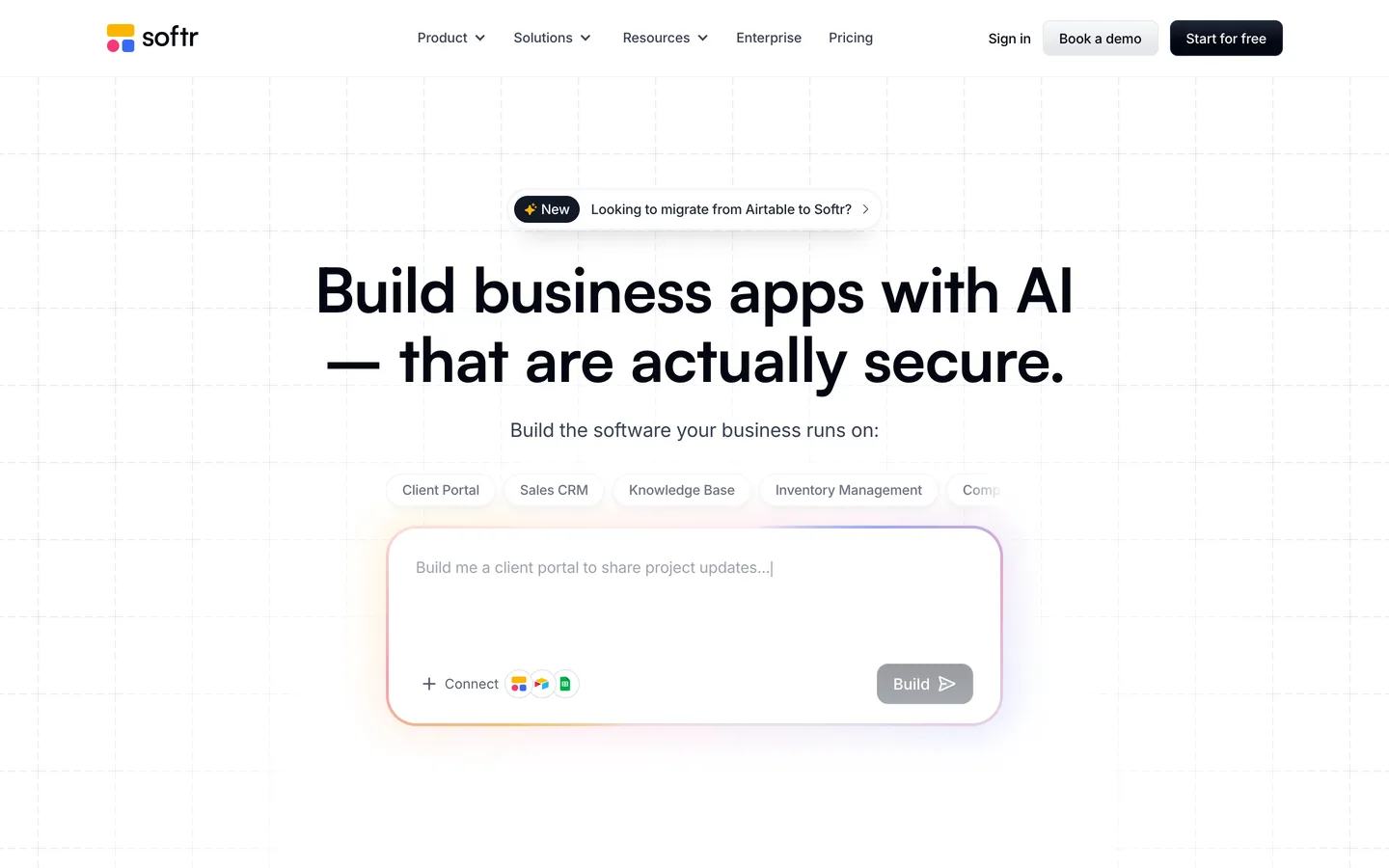











































Built your product on Softr and want assistants to cite it, not only rank it on Google? Softr turns a database like Airtable or Google Sheets into a no-code web app or website, where blocks render your records as pages. With the right structure, that data-driven setup becomes a strong base for generative engine optimization (GEO), because your content already lives as clean, structured records. Start with a baseline geo seo audit and track every gain in a living geo seo dashboard. This guide shows how to structure blocks, write metadata, add schema, and run a database-backed blog so Google and assistants like ChatGPT, Perplexity, Claude, and Gemini understand and cite your pages.
Classic SEO still drives traffic, and AI assistants now summarize the web and present a short list of sources. Generative Engine Optimization is the practice of becoming one of those cited sources. Softr gives you an advantage: your pages are generated from database records, so titles, descriptions, categories, and relationships already exist as structured fields. When you expose that structure with clean markup, models map your entities with confidence and cite the page that answers a prompt.
Begin with a benchmark. Ask the leading assistants the real questions your audience asks, then record whether you are cited, which URLs appear, and how competitors are referenced. Track brand mentions with ai mention tracking, review the citations you earn through ai cited backlinks, and run a baseline geo seo audit to map the entities already associated with you.
In GEO, intent arrives as prompts. Collect the exact wording people use in chat and voice, then group it by task: learn, compare, choose, and act. Expand coverage with the query fan-out tool and prioritize topics with keyword research. For each cluster, pick one canonical page, often a Softr detail page driven by a record, and make it concise, quotable, and backed by clear evidence.
Softr builds dynamic pages from list blocks and item detail blocks bound to your data source. Design your database so each record holds a clear title, a summary, a category, and any related items, then map those fields into headings and intro text on the detail page. A list block becomes a topic hub, and each linked detail page answers one focused question. This record-to-page model keeps names and facts consistent across every generated page.
Softr supports gated, members-only areas and public pages, so place the content you want cited on public pages reachable without login. Confirm those pages render their main text in the initial HTML so crawlers and AI agents read it reliably. Keep logged-in app features separate from the public, indexable content, and use clean, readable URLs for every dynamic detail page.
Softr lets you set page SEO fields, and for dynamic pages you can map the title and meta description from record fields, so every generated page gets a precise, unique title and description. Keep one main entity per page, set canonical URLs to consolidate duplicates, and confirm Open Graph tags match the page intent. Give every image descriptive alt text drawn from your data where possible.
Softr allows custom code, so inject JSON-LD in the page header or a code block. Use Article plus WebPage and BreadcrumbList for content pages, Product with offers for product records, HowTo for tutorials, and FAQPage for question blocks. Add a site-wide Organization schema with name, logo, sameAs, and contactPoint. Because your fields map cleanly to schema properties like name, description, image, and datePublished, structured data stays accurate at scale.
Create explicit question and answer blocks that mirror real prompts, since these are among the most quotable content for AI search. Keep each answer between 50 and 120 words, cite the relevant internal URL, and include one authoritative outbound source. For procedures, list materials, steps, and time required in HowTo format. A dedicated FAQ record type in your database lets you template these patterns and reuse them across pages.
Softr can generate a sitemap for your published pages, so submit it in Google Search Console and keep it current as records are added. In robots rules, allow the directories that hold citable content and disallow noise. Add an llms.txt file at the root to signal preferred crawl rules for AI agents, the priority URLs to cite, and your reuse terms. These files make your site predictable for search engines and assistants alike.
Use list blocks and related-record links to build topic hubs that group related detail pages, and add breadcrumbs to express hierarchy. Write descriptive anchor text and accelerate planning with a topical cluster generator. If parts of your stack run elsewhere, apply the same principles on bubble, webflow, framer, and wordpress, and connect them with consistent linking.
GEO still runs on authority. Earn citations from credible publications, primary research, and specialized communities. Publish under named experts, show reviewer credentials, and keep author bios and an About page that strengthen E-E-A-T. Track progress with a domain authority tracker as references accumulate.
Softr exposes a public API and has a dedicated Make.com app, and a Softr blog is a list block fed by records, so Sorank connects through a Make.com webhook bridge: each article Sorank generates is sent to a Make.com scenario, and Make creates a new blog record in your Softr data source through the dedicated Softr app, which your list and detail blocks then render as a page. There is no native Sorank connector, and the webhook plus Make route automates publishing end to end. Produce optimized drafts fast with the blog article generator, map the record fields to your blog detail page, and fall back to Sorank's self-hosted blog if your setup restricts it.
Track which prompts trigger your brand, which pages are cited, and where competitors win. Compare yourself with seo competitor spy, watch your rank on a geo leaderboard, and attribute conversions from assistants with tagged landing pages and unique UTMs. Review monthly, refresh the records that win citations, and expand the clusters that perform.
Softr gives you database-driven structure; GEO gives you the strategy. When your records map to clear entities, your blocks render precise metadata and JSON-LD, and a database-backed blog covers the long tail, assistants cite you with confidence. Design your data, structure your blocks, add schema and citable answers, connect Sorank through Make.com, and let Sorank drive audits, content, and mention tracking.

Softr は、ページがデータベースのレコードから生成され、タイトル、説明、カテゴリー、リレーションがすでに構造化されたフィールドとして存在するので、GEO でよく機能します。リストと詳細のブロックでログイン不要の公開ページを作り、レコードのフィールドをページのタイトルとメタディスクリプションに対応させ、主な本文が最初の HTML にレンダリングされることを確認しましょう。Softr のカスタムコードで Article、FAQPage、HowTo、Organization の JSON-LD を加え、サイトマップを生成し、llms.txt ファイルを加えられます。きれいなレコードと公開ページがあれば、ChatGPT、Perplexity、Claude、Gemini がコンテンツに確実に到達して引用できます。
実際のプロンプトに対応した、答えを先に示すコンテンツを書きましょう。明確なタイトル、2 文の要約、カテゴリーを持つレコードを設計し、それらのフィールドを、要約と見通しのよい構成で始まる詳細ページに対応させましょう。50〜120 語の答えを持つ明示的な FAQ ブロックを作り、Softr のカスタムコードで FAQPage のスキーマを加えて裏づけ、リストのブロックを関連する詳細ページにリンクするテーマのハブとして使います。Article と HowTo のスキーマを加え、1 ページに 1 つのエンティティを保ち、各主張を情報源に結びつけましょう。このレコード主導の構成が、AIにきれいで引用しやすい文章を与えます。
Softr は公開 API と専用の Make.com アプリを提供しており、Softr のブログはレコードから作られるリストのブロックなので、Sorank はネイティブのコネクターではなく Make.com の Webhook の橋渡しで連携します。Sorank が生成した各記事は Make.com のシナリオに送られ、Make が専用の Softr アプリを通じて Softr のデータソースに新しいブログのレコードを作成し、ブロックがそれをページとしてレンダリングします。Sorank は公開に加えて、サイトに合わせた GEO と SEO の監査を行い、ChatGPT、Perplexity、Geminiでの AI による言及を追跡し、競合を監視し、一つのダッシュボードからコンテンツの最適化を提案します。レコードのフィールドをブログの詳細ページに対応させ、環境で制限されている場合は Sorank がホストするブログに切り替えましょう。
先行導入企業のご紹介
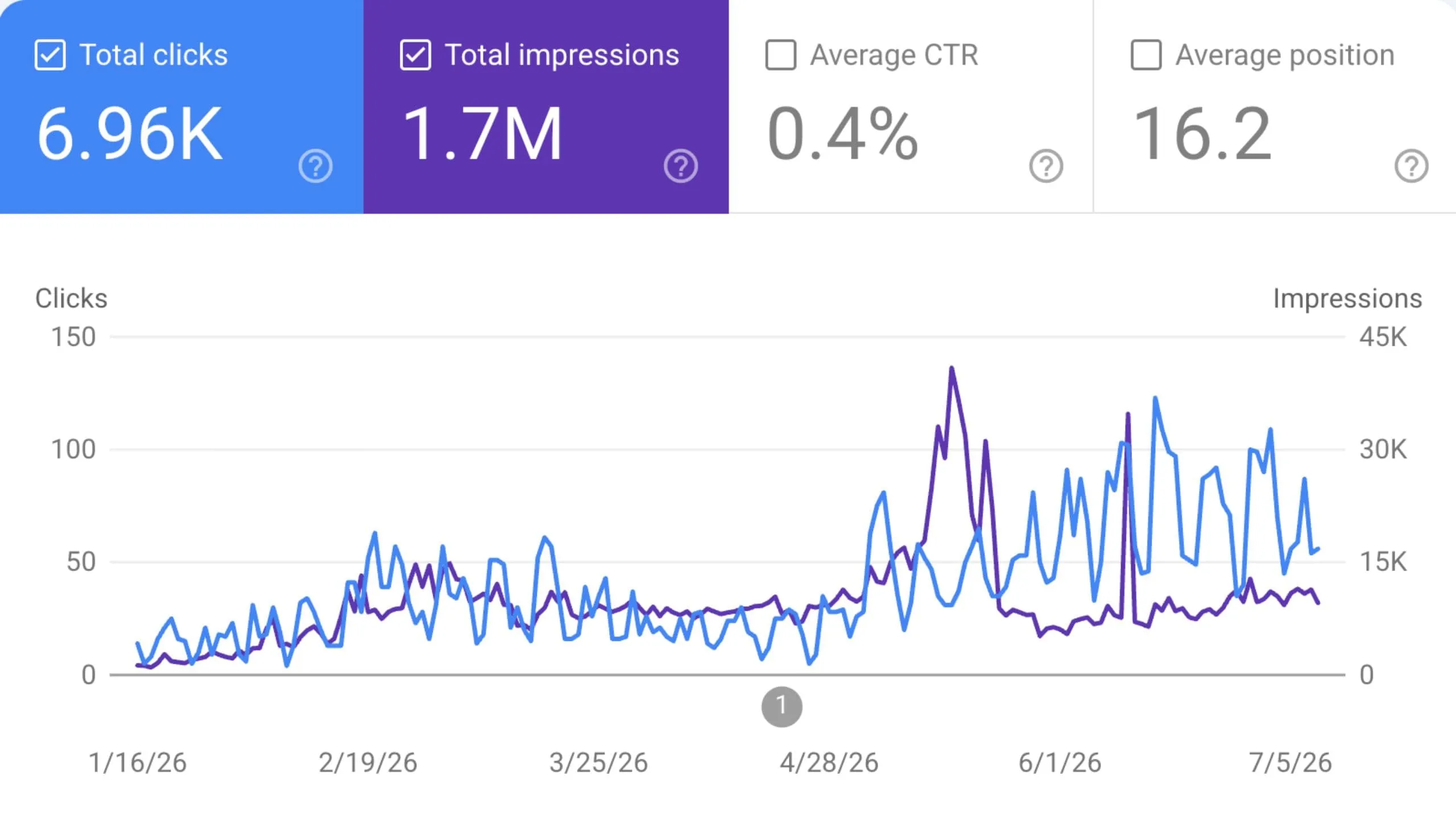
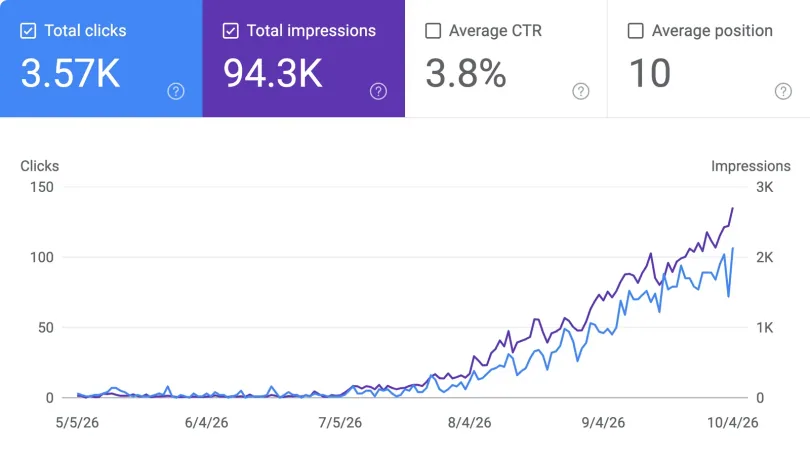
 “2年間、クライアントの100%がLinkedIn経由でした。毎日の投稿、コメント、DMでのフォローアップ…完全にアルゴリズム頼みでした。SEOに取り組むべきだとわかっていても、時間がかかる、技術的すぎる、自分の仕事ではないと、いつも後回しにしていました。Sorankでようやく一歩を踏み出しました。4か月で、何も投稿しなくても毎月15件のオーガニックリードを獲得しています。まだLinkedInと半々ではありませんが、自動で育つ2つ目のリード源ができたことで安心して眠れるようになりました。”
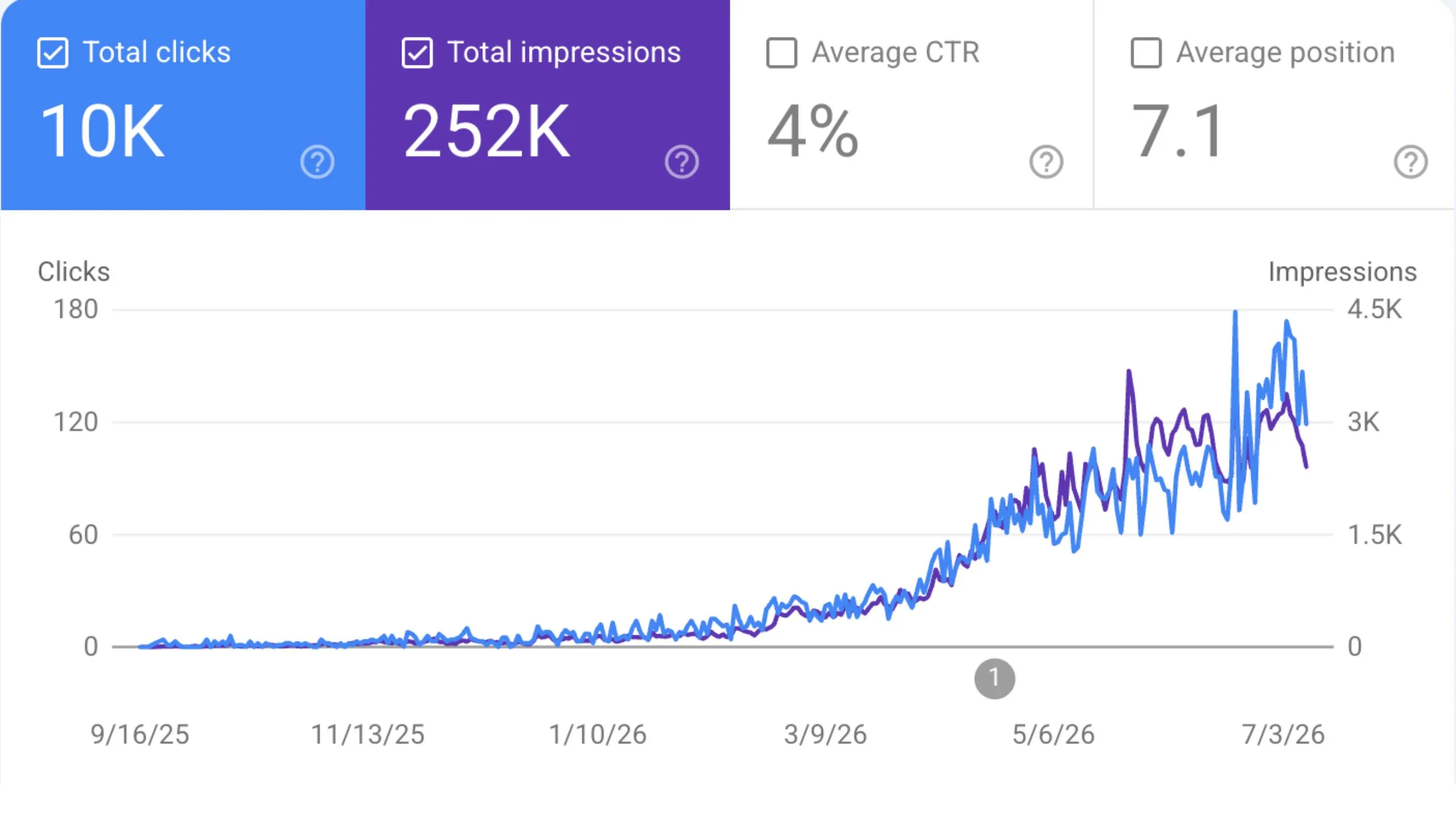
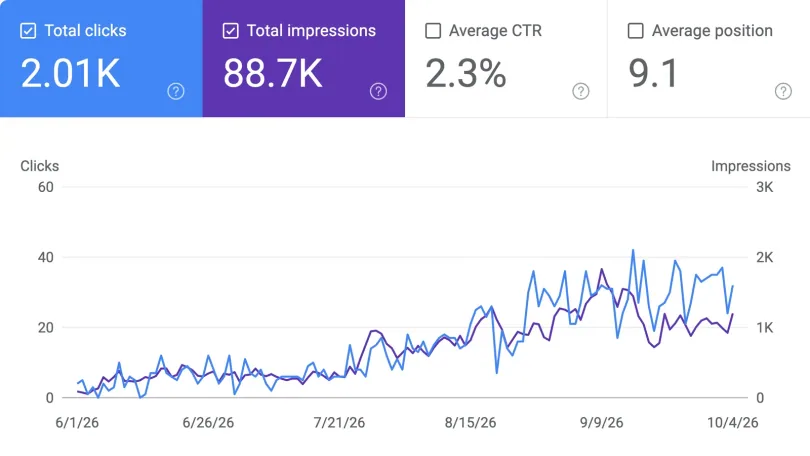
 Valentin Thomyコールドメール専門エージェンシー“Sorankは、クライアントに提供する成果を大きく変えてくれました。AIが実際に使っているキーワードを特定し、特定の競合が引用される理由を理解し、以前は完全に見落としていたチャンスを見つけられるようになりました。クライアントは、より早い順位上昇、AIの回答での可視性向上、そしてすべての施策のROIがより明確になったことを実感しています。”

 Benjamin Rouxovirank.com
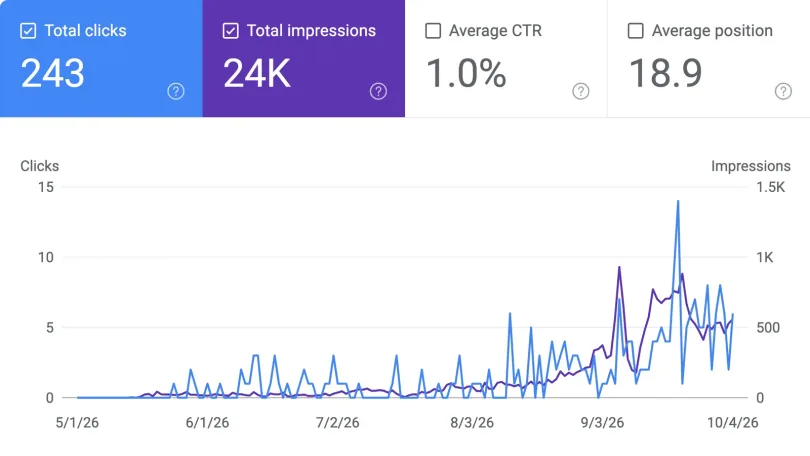
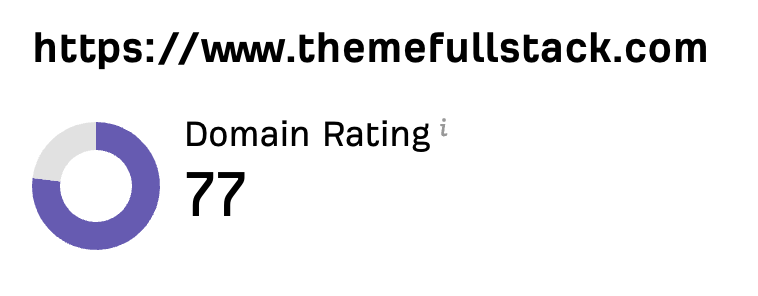 “私はマーケターではなく開発者です。私のShopifyテーマは口コミと広告だけで売れていました。Sorankのおかげで、SEOの組み立て方と上位表示される記事の書き方がようやくわかりました。監査で商品ページが遅すぎることも判明しました。2か月でオーガニックトラフィックは2倍になり、ShopifyテーマについてChatGPTで検索されたときの回答にも表示され始めています。しかも、週に約2時間の作業だけです。”

 Thème FullStackthemefullstack.com“Sorankのおかげで、私たちのSEOエージェンシーの働き方は大きく変わりました。すべてが一元化・自動化されたため、クライアント1社あたりにかける時間が大幅に減りました。以前は何時間もかかっていた作業が今では数分で終わり、ようやくビジネスの中で働くのではなく、ビジネスそのものに取り組めるようになりました。”

 Océane Bondismaison-leverage.com