
التفضيلات
خصوصيتك مهمة بالنسبة لنا، لذلك لديك خيار تعطيل أنواع معينة من التخزين التي قد لا تكون ضرورية للوظائف الأساسية للموقع. قد يؤثر حظر الفئات على تجربتك في الموقع. مزيد من المعلومات

خصوصيتك مهمة بالنسبة لنا، لذلك لديك خيار تعطيل أنواع معينة من التخزين التي قد لا تكون ضرورية للوظائف الأساسية للموقع. قد يؤثر حظر الفئات على تجربتك في الموقع. مزيد من المعلومات
اجعل موقع Site123 الخاص بك مرئياً لمحركات Google والذكاء الاصطناعي. قم بإعداد البيانات الوصفية والبيانات المهيكلة وأفضل ممارسات GEO حتى يستشهد ChatGPT وPerplexity وClaude وGemini بصفحاتك.
.webp)
.webp)





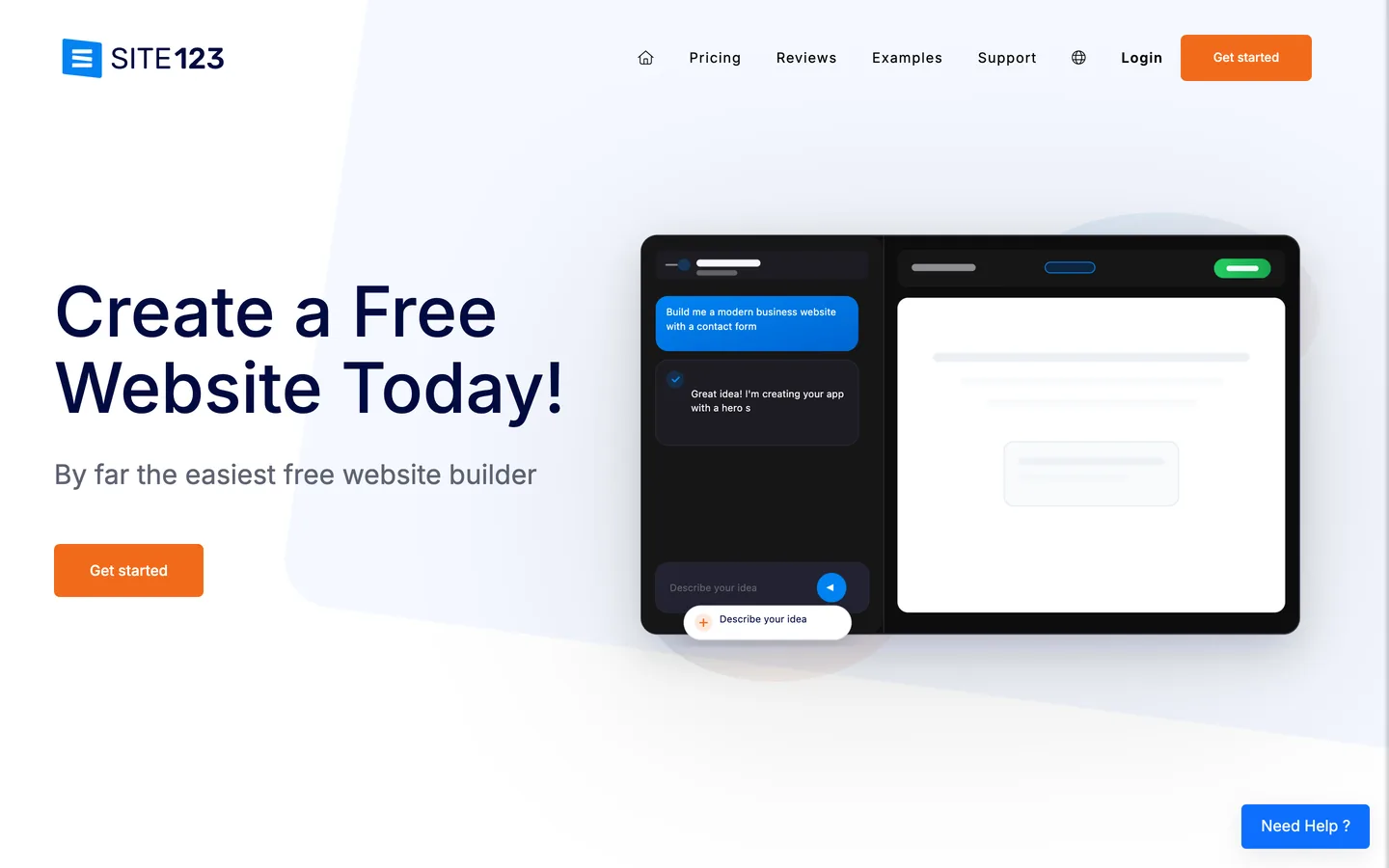



Site123 هو أداة إنشاء مواقع موجهة تزيل كل حاجز تقني لإطلاق موقع احترافي. مساعده خطوة بخطوة، والاستضافة المدمجة، والقوالب المصممة مسبقاً تتيح للشركات الصغيرة والعاملين المستقلين والمنظمات غير الربحية الانتقال إلى البث المباشر في دقائق. تحويل تلك الصفحات إلى مصادر يثق بها مساعدو الذكاء الاصطناعي مثل ChatGPT وPerplexity وClaude وGemini ويستشهدون بها يتطلب نهج GEO مركز. ابدأ بـ geo seo audit أساسي وتتبع كل تحسين في geo seo dashboard. يتناول هذا الدليل كل طبقة من Site123 GEO، من إعدادات الصفحة إلى بناء السلطة.
يجيب مساعدو الذكاء الاصطناعي الآن على الأسئلة بالاستشهاد بحفنة من المصادر الموثوقة. تحسين المحرك التوليدي يعني جعل موقعك أحد تلك المصادر. بساطة Site123 هي أصل ذو حدين لـ GEO: تفرض المنصة بنية صفحة نظيفة ومتسقة، وهو أمر جيد للزواحف، لكنها تحد من قدرتك على إضافة schema مخصص وتكوينات تقنية متقدمة. الاستراتيجية هي تعظيم كل إعداد يقدمه Site123 وبناء السلطة من خلال محتوى عالي الجودة وقابل للاستشهاد.
قبل تغيير أي شيء، قِس مكانتك. اسأل ChatGPT وPerplexity وGemini أهم أسئلة عملك، ولاحظ ما إذا كان موقعك أو علامتك التجارية أو محتواك يظهر في الإجابات. استخدم ai mention tracking لالتقاط استشهادات العلامة التجارية بمرور الوقت، وتحقق من الروابط التي تصدر عنها محركات الذكاء الاصطناعي فعلاً مع ai cited backlinks، وأجرِ geo seo audit كاملاً لقياس حالتك الحالية.
يبدأ GEO من فهم كيف يتحدث جمهورك بالضبط مع مساعدي الذكاء الاصطناعي. اجمع الأسئلة والعبارات التي يستخدمونها عند البحث عن منتجك أو خدمتك. اجمعها حسب النية: التعلم عن موضوع، مقارنة الخيارات، إيجاد مزود محلي، أو الحصول على تعليمات. استخدم query fan-out tool لتوسيع كل مطالبة بذرية إلى مجموعة كاملة، وأولوية مع keyword research. يجب أن تتطابق كل مجموعة مع صفحة قانونية واحدة على موقع Site123 الخاص بك.
يولد Site123 HTML نظيفاً ومصيَّراً في الخادم لجميع صفحاته. هذا يعني أن محركات البحث وزواحف الذكاء الاصطناعي تتلقى محتوى مشكلاً بالكامل دون الحاجة إلى تنفيذ JavaScript. تنشئ المنصة تلقائياً sitemap لصفحاتك المنشورة. تستخدم كل صفحة بنية URL يمكن التنبؤ بها بناءً على تسميات التنقل الخاصة بك. احتفظ بهذه التسميات وصفية ومركزة على الموضوع، لأنها تصبح أجزاء slug في عناوين URL وإشارة نية موضوعية للزواحف.
يوفر Site123 إعدادات SEO لكل صفحة في المحرر حيث يمكنك تعيين عناوين صفحات مخصصة وأوصاف meta. افتح لوحة SEO لكل صفحة واكتب عنواناً يسمي الكيان الأساسي والفائدة الرئيسية. احتفظ بأوصاف meta بين 140 و160 حرفاً مع بيان قيمة واضح ومحدد. يدعم Site123 أيضاً علامات Open Graph للمشاركة الاجتماعية؛ تأكد من أن عنوان OG والوصف يطابقان نية الصفحة وأن صورة OG عالية الجودة وممثلة للمحتوى.
يستخدم Site123 H1 لعناوين الصفحات ويتيح لك استخدام علامات H2 وH3 داخل أقسام المحتوى. استخدم هذا التسلسل الهرمي باستمرار: H1 واحد لكل صفحة، H2 للأقسام الرئيسية، H3 للأقسام الفرعية. داخل كل قسم، افتح بإجابة مباشرة من جملة أو جملتين قبل التوسع بتفاصيل داعمة. تستخرج محركات الذكاء الاصطناعي البيان الواضح الأول في كل قسم كاستشهاد محتمل، لذا فإن التحميل الأمامي لإجاباتك مهم للغاية.
يتضمن Site123 قوالب صفحات FAQ وكتل محتوى. استخدمها استراتيجياً. يجب أن يعكس كل سؤال مطالبة مستخدم حقيقية، ويجب أن تظل كل إجابة بين 50 و120 كلمة. محتوى Q&A الصريح هو أحد التنسيقات ذات الإشارة العالية للاستشهاد بالذكاء الاصطناعي، لأنه يعكس تماماً كيف يصوغ المساعدون الردود. ابنِ أقسام FAQ لأكثر مواضيعك ومناطق خدمتك تنافسية.
دعم schema المدمج في Site123 محدود مقارنة بالمنصات ذات الكود المفتوح. تضيف المنصة علامات meta أساسية تلقائياً لكنها لا تولد JSON-LD جاهزاً. إذا كانت خطة Site123 الخاصة بك تدعم تضمين كود HTML أو كتلة كود مخصصة، فحقن JSON-LD هناك. أولوية schema من Organization مع name وdescription وlogo وcontactPoint وfoundingDate وروابط sameAs لملفاتك الشخصية المعتمدة. لأعمال الخدمات، أضف schema من LocalBusiness. لصفحات المحتوى، استخدم Article مع datePublished وauthor. إذا لم يكن HTML المخصص متاحاً في خطتك، ركز على إشارات المحتوى في الصفحة وبناء السلطة.
يولد Site123 sitemap تلقائياً ويجعله متاحاً على نطاقك. أرسله في Google Search Console بعد ربط نطاق مخصص. تدير المنصة robots.txt تلقائياً. بالنسبة لـ llms.txt، الذي يشير لزواحف الذكاء الاصطناعي إلى صفحات الاستشهاد المفضلة وشروط إعادة الاستخدام، تحقق مما إذا كانت خطتك تسمح بتحميل ملف على مستوى الجذر أو تكوين edge القائم على DNS. أصبح هذا الملف مهماً بشكل متزايد حيث تتبناه زواحف الذكاء الاصطناعي كمعيار.
ابنِ مراكز مواضيع واضحة عن طريق تجميع الصفحات ذات الصلة تحت قسم منظم واحد في تنقل Site123. أضف روابط داخلية سياقية داخل صفحات المحتوى الخاصة بك باستخدام أداة الربط في Site123، مع نص ارتساء وصفي يخبر القراء والزواحف بما تغطيه الصفحة المرتبطة. استخدم topical cluster generator لرسم مجموعاتك قبل بناء الصفحات. قارن كيف يقترب البناة الموجهون الآخرون من GEO على jimdo، strikingly، وgodaddy-website-builder.
تزن محركات الذكاء الاصطناعي السلطة بشكل كبير. اكسب استشهادات من الأدلة المحلية وجمعيات الصناعة وذكر الصحافة. إذا كنت تخدم منطقة محلية، أدرج عملك في Google Business Profile وBing Places والأدلة الخاصة بالفئة. حافظ على اتساق NAP (الاسم والعنوان والهاتف) عبر كل قائمة. انشر محتوى تحت مؤلفين مسمّين مع سير ذاتية قصيرة لأوراق الاعتماد، وارتبط من صفحة About إلى الملفات الشخصية الخارجية القابلة للتحقق. تتبع مسار السلطة مع domain authority tracker.
ليس لدى Site123 واجهة برمجة تطبيقات كتابة عامة، مما يعني أنه لا توجد نقطة نهاية برمجية لدفع مقالات المدونة إلى قسم المدونة الخاص به. يعالج Sorank هذا من خلال نشر واستضافة محتوى SEO الخاص بك على مدونة مخصصة على نطاقك الفرعي أو مجلدك الفرعي، والذي تربطه بشكل بارز من موقع Site123 الخاص بك. يمنحك هذا طبقة محتوى تلقائياً بالكامل وقابلة للفهرسة تنمو جنباً إلى جنب مع صفحات Site123 المبنية يدوياً. أنتج مقالات محسّنة مع blog article generator، استضفها عبر Sorank، واعرضها من خلال عنصر تنقل مدونة مرتبط على موقع Site123 الخاص بك.
تتبع الاستفسارات التي تعرض علامتك التجارية، والصفحات التي تكسب استشهادات الذكاء الاصطناعي، وأين يتفوق عليك المنافسون. استخدم seo competitor spy للمقارنة المرجعية، شاهد مكانتك على geo leaderboard، وضع علامة على حركة المرور المدفوعة بالذكاء الاصطناعي مع UTMs فريدة لإسناد التحويل. عد إلى محتواك ربع سنوي لتحديث الإجابات وإضافة كتل FAQ جديدة مع تطور مطالبات جمهورك. استكشف أنماطاً مماثلة على webflow وhostinger-website-builder.
البساطة الموجهة لـ Site123 هي ميزة حقيقية للحصول على موقع نظيف وقابل للزحف بسرعة. اقرن هذا الأساس النظيف مع بيانات وصفية مدروسة، ومحتوى بأولوية الإجابة، وكتل FAQ، ومدونة مرتبطة تستضيفها Sorank، وستبني حضوراً تتعرف عليه محركات الذكاء الاصطناعي وتستشهد به. كل مكسب في السلطة والبنية يتراكم بمرور الوقت.

Site123 نقطة انطلاق قوية لـ GEO لأنه ينتج HTML نظيفاً ومصيَّراً في الخادم تحلله محركات البحث وزواحف الذكاء الاصطناعي دون مشكلات في تنفيذ JavaScript. تنشئ المنصة تلقائياً sitemap وتطبق بنى URL متسقة. تتيح لك لوحة SEO الخاصة بها تعيين عناوين مخصصة وأوصاف meta لكل صفحة. القيد الرئيسي هو تخصيص schema محدود ووصول محدود إلى الكود المخصص في الخطط الأساسية. عظّم إشارات المحتوى في الصفحة: بنية بأولوية الإجابة، وكتل FAQ صريحة، ومؤلفين مسمّين. مع وجود هذه، يمكن لمساعدي الذكاء الاصطناعي مثل ChatGPT وPerplexity وClaude وGemini تحليل والاستشهاد بموثوقية بصفحات Site123 الخاصة بك.
اكتب محتوى بأولوية الإجابة على كل صفحة مهمة: افتح بإجابة مباشرة من جملة أو جملتين، ثم وسع بالأدلة. استخدم التسلسل الهرمي لعناوين Site123 (H1 وH2 وH3) باستمرار حتى يتمكن محللو الذكاء الاصطناعي من استخراج بنية المستند. أضف أقسام FAQ باستخدام قالب FAQ في Site123 أو كتل المحتوى، بإجابات من 50 إلى 120 كلمة تعكس مطالبات المستخدم الحقيقية. اربط نطاقاً مخصصاً، وأرسل sitemap الخاص بك إلى Google Search Console، وتحقق من الفهرسة باستخدام أداة فحص URL. إذا كانت خطتك تدعم HTML المخصص، أضف JSON-LD لـ schema Organization وArticle. ابنِ روابط داخلية بين الصفحات ذات الصلة بنص ارتساء وصفي.
لا يوفر Site123 واجهة برمجة تطبيقات كتابة محتوى عامة، لذا لا يمكن لـ Sorank دفع المقالات مباشرة إلى مدونة Site123. بدلاً من ذلك، ينشر Sorank ويستضيف مقالات SEO الخاصة بك على مدونة مخصصة على نطاقك الفرعي أو مجلدك الفرعي، والذي تربطه من تنقل Site123. يمنح هذا عملك تدفق محتوى تلقائياً بالكامل وقابلاً للفهرسة ينمو دون لمس محرر Site123. يقوم Sorank أيضاً بإجراء عمليات تدقيق GEO وSEO على نطاقك، ويتتبع إشارات علامة الذكاء الاصطناعي عبر ChatGPT وPerplexity وGemini، ويراقب المنافسين، ويركز جميع الرؤى في لوحة تحكم واحدة. تعمل مدونة Sorank وموقع Site123 الخاص بك معاً لتحقيق أقصى قدر من رؤية البحث والذكاء الاصطناعي.








.svg)
.svg)