
التفضيلات
خصوصيتك مهمة بالنسبة لنا، لذلك لديك خيار تعطيل أنواع معينة من التخزين التي قد لا تكون ضرورية للوظائف الأساسية للموقع. قد يؤثر حظر الفئات على تجربتك في الموقع. مزيد من المعلومات

خصوصيتك مهمة بالنسبة لنا، لذلك لديك خيار تعطيل أنواع معينة من التخزين التي قد لا تكون ضرورية للوظائف الأساسية للموقع. قد يؤثر حظر الفئات على تجربتك في الموقع. مزيد من المعلومات
اجعل موقع Framer الخاص بك مرئياً لـ Google والبحث بالذكاء الاصطناعي. استخدم مجموعات Framer CMS وإعدادات SEO لكل صفحة و JSON-LD و llms.txt حتى يستشهد ChatGPT و Perplexity و Claude و Gemini بصفحاتك.
.webp)
.webp)





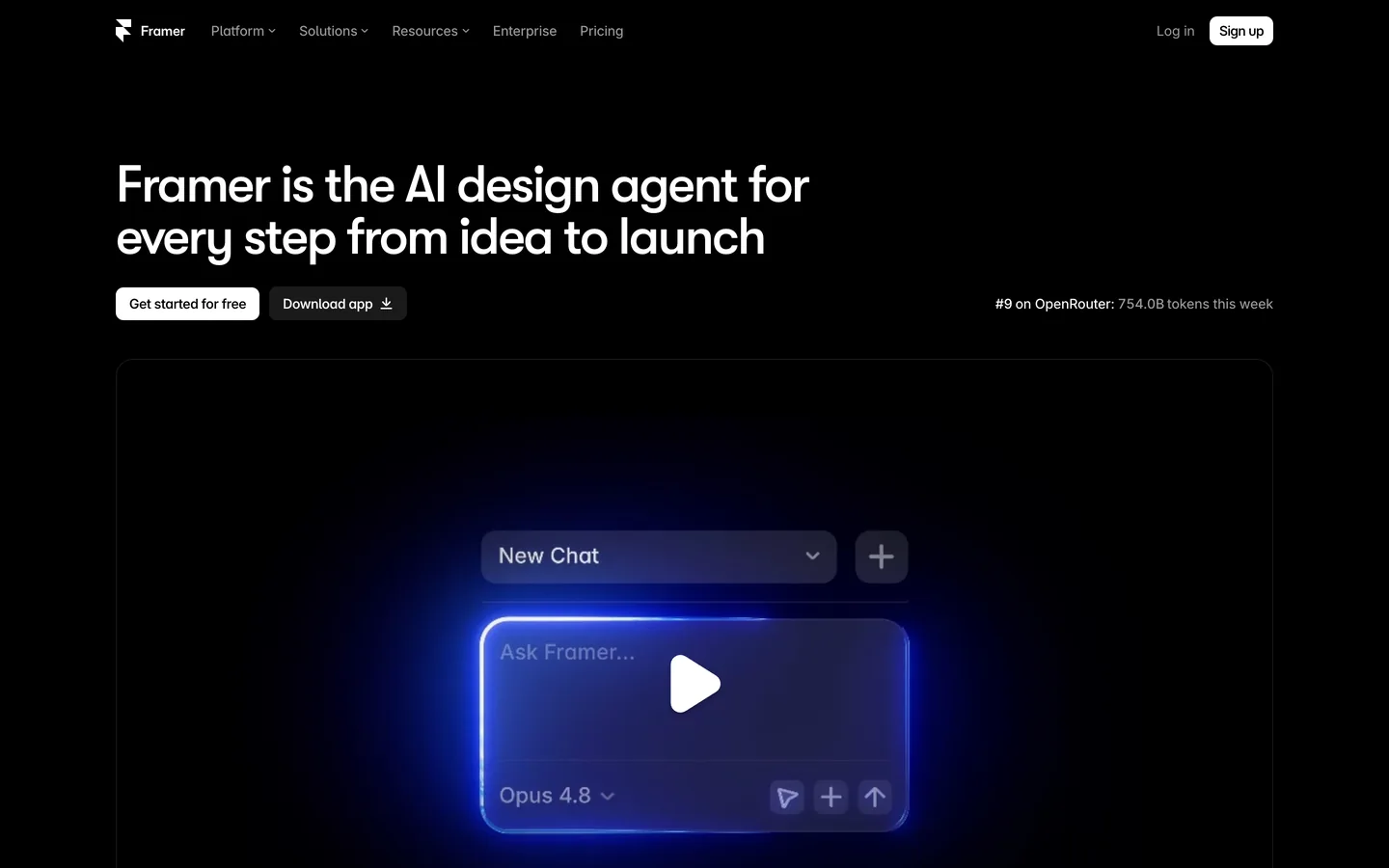



هل تريد أن يظهر موقع Framer الخاص بك في إجابات الذكاء الاصطناعي، وليس فقط في نتائج البحث الكلاسيكية؟ بدأ Framer كأداة تصميم ونما ليصبح منشئ مواقع يقدم صفحات سريعة ومعروضة بشكل ثابت من استضافته الخاصة، مما يجعله قاعدة قوية لتحسين المحركات التوليدية (GEO). ابدأ بـ geo seo audit أساسي وتتبع كل مكسب في geo seo dashboard حي. يوضح هذا الدليل كيفية هيكلة Framer وعرضه وتعليقه بحيث يفهم Google والمساعدون مثل ChatGPT و Perplexity و Claude و Gemini عملك ويثقون به ويستشهدون به.
لا يزال SEO الكلاسيكي مهماً، والآن يقرأ مساعدو الذكاء الاصطناعي الويب ويلخصونه ويعرضون قائمة قصيرة من المصادر. تحسين المحركات التوليدية هو ممارسة أن تصبح أحد تلك المصادر المستشهد بها. يساعد Framer هنا لأنه يعرض الصفحات مسبقاً بشكل ثابت إلى HTML نظيف ودلالي يُقدم من CDN عالمي، لذلك يتلقى الزواحف وجالبو المساعدين محتوى كاملاً بدلاً من قشرة فارغة تحتاج إلى تنفيذ نصوص برمجية ثقيلة. تجعل هذه السرعة والوضوح صفحات Framer سهلة التحليل والاقتباس.
ابدأ بمرجع أساسي. اسأل المساعدين الرائدين الأسئلة الحقيقية التي يطرحها جمهورك، ثم سجل ما إذا كنت تظهر، وأي عناوين URL من Framer تظهر، وكيف يتم الإشارة إلى المنافسين. راقب ذكر العلامة التجارية باستخدام ai mention tracking، وراجع المصادر التي تكسبها من خلال ai cited backlinks، وقم بتشغيل geo seo audit أساسي لرسم الكيانات التي تربطها النماذج بالفعل باسمك.
في GEO، تأخذ النية شكل مطالبات. اجمع الصياغة الدقيقة التي يستخدمها الأشخاص في الدردشة والصوت، ثم قم بتجميعها حسب المهمة: التعلم والمقارنة والاختيار والتطبيق. وسّع التغطية باستخدام query fan-out tool وحدد أولويات الموضوعات باستخدام keyword research. لكل مجموعة، اختر صفحة Framer واحدة لتكون الإجابة الأساسية، واجعلها موجزة وقابلة للاقتباس ومدعومة بأدلة صريحة.
عامل مجموعات Framer CMS كعمود فقري للمحتوى الخاص بك. أنشئ مجموعات للمقالات والأدلة ودراسات الحالة والأسئلة الشائعة ومسرد المصطلحات، ثم صمم قالب تفاصيل واحد لكل مجموعة حتى يشترك كل إدخال في تخطيط متسق. ارسم حقول مجموعتك إلى خصائص schema.org بالروح: حقل العنوان إلى name، وحقل الملخص إلى description، وحقل الغلاف إلى image، وحقل التاريخ إلى datePublished، وحقل المؤلف إلى author. تشير القوالب النظيفة والقابلة للتكرار إلى العمق الموضوعي الذي تكافئه النماذج.
يعرض Framer نفس الصفحة عبر نقاط توقف سطح المكتب والجهاز اللوحي والهاتف، لذا صمم بترتيب عناوين منطقي يصمد في كل حجم. استخدم H1 واحداً لكل صفحة، ثم H2 و H3 بترتيب القراءة، وابنِ مكونات قابلة لإعادة الاستخدام للتنبيهات وصفوف الأسئلة الشائعة والسير الذاتية للمؤلفين. احتفظ بالنص كطبقات نصية حقيقية بدلاً من الصور حتى تتمكن الزواحف والمساعدون من قراءة كل كلمة.
يمنح Framer كل صفحة وكل قالب CMS إعدادات SEO الخاصة به. اكتب عنواناً دقيقاً ووصف meta واضحاً وslug نظيفاً يحتوي على الكيان الرئيسي. عيّن عنوان URL القانوني لتوحيد التكرارات، وأكد أن حقول Open Graph و Twitter card تتطابق مع نية الصفحة والنسخة المرئية. بالنسبة لإدخالات CMS، اربط هذه الحقول ببيانات المجموعة بحيث تنشئ كل مقالة بيانات وصفية صحيحة تلقائياً.
أضف JSON-LD من خلال رمز Framer المخصص، إما في head الموقع بأكمله أو في تضمين head لكل صفحة. استخدم Article بالإضافة إلى WebPage و BreadcrumbList في صفحات المحتوى، و FAQPage لكتل الأسئلة، و HowTo للإجراءات خطوة بخطوة. أضف كتلة Organization على مستوى الموقع مع logo و contactPoint و foundingDate وروابط sameAs إلى ملفاتك الشخصية الموثقة. اربط حقول المخطط بقيم CMS حيثما أمكن حتى يشحن كل إدخال بيانات منظمة دقيقة.
أنشئ كتل أسئلة وأجوبة صريحة تعكس المطالبات الحقيقية. احتفظ بكل إجابة بين 50 و 120 كلمة، واربط بالصفحة الداخلية ذات الصلة، واستشهد بمصدر خارجي موثوق واحد. ابنِ مكون FAQ قابل لإعادة الاستخدام في Framer بحيث يظهر نفس النمط الذي يمكن الوصول إليه عبر الموقع، مما يجعل الإجابات الفردية سهلة على المساعدين للاقتباس والإسناد.
يقوم Framer بإنشاء sitemap.xml للصفحات المنشورة ويتيح لك تحرير robots.txt من إعدادات الموقع؛ أرسل خريطة الموقع في Google Search Console. اسمح بالأدلة التي تحتوي على محتوى قابل للاقتباس واحتفظ بصفحات المرافق خارج الفهرس. أضف ملف llms.txt في الجذر من خلال ميزات الاستضافة المخصصة لـ Framer أو إعادة توجيه، مع سرد عناوين URL ذات الأولوية الخاصة بك للاقتباس وشروط إعادة الاستخدام الخاصة بك لوكلاء الذكاء الاصطناعي.
ابنِ مراكز موضوعات تجمع الصفحات ذات الصلة وتحدد إجاباتك الأساسية. أضف مسارات تنقل للتعبير عن التسلسل الهرمي وضع روابط داخلية سياقية مع مراسي وصفية، معجلة بواسطة topical cluster generator. إذا كانت أجزاء من حزمتك تعيش في مكان آخر، فطبق نفس المبادئ على webflow و readymag و tilda و wordpress.
لا يزال GEO يعمل على السلطة. اكتسب استشهادات من المنشورات الموثوقة والأبحاث الأصلية والمجتمعات المتخصصة. انشر تحت خبراء مسمين، وأظهر أوراق اعتماد المراجعين، واحتفظ بالسير الذاتية للمؤلفين وصفحة About التي تعزز E-E-A-T. تتبع التقدم باستخدام domain authority tracker وادرس من يقتبس المساعدون باستخدام seo competitor spy.
يعرض Framer إمكانية الكتابة إلى CMS من خلال Server API الأحدث الخاص به، لذلك يتصل Sorank من خلال جسر webhook Make.com: يتم إرسال كل مقالة ينشئها Sorank إلى سيناريو Make.com، وينشرها Make إلى Framer CMS الخاص بك باستخدام وحدة HTTP عامة مقابل CMS API. لا يوجد موصل أصلي ولا تطبيق Make.com مخصص حتى الآن، لذا فإن مسار webhook بالإضافة إلى Make يتعامل مع النشر من طرف إلى طرف. أنتج مسودات محسنة بسرعة باستخدام blog article generator. تحقق من صحة استدعاء إنشاء الإدخال على مشروع Framer الحي أولاً، وارجع إلى مدونة Sorank المستضافة ذاتياً إذا كان إعدادك يقيد الكتابة.
تتبع المطالبات التي تشغل علامتك التجارية، وأي صفحات Framer يتم الاستشهاد بها، وأين يفوز المنافسون. راقب مكانتك على geo leaderboard، ووسع المجموعات الفائزة، وانسب التحويلات من المساعدين بصفحات مقصودة موسومة و UTMs فريدة. عامل GEO كحلقة: قِس، وحسّن الإجابة الأساسية، وأعد النشر.
يمنحك Framer عرضاً ثابتاً سريعاً وترميزاً دلالياً نظيفاً و CMS مرناً؛ يمنحك GEO الاستراتيجية. عندما يعرض موقعك كيانات واضحة وبيانات وصفية دقيقة وأدلة موثوقة، يستشهد بك المساعدون بثقة. قم بإعداد مجموعات CMS وإعدادات SEO لكل صفحة و JSON-LD وإجابات قابلة للاقتباس، ثم دع Sorank يقود عمليات التدقيق والمحتوى والروابط.

يعد Framer قاعدة GEO قوية لأنه يعرض الصفحات مسبقاً إلى HTML نظيف ودلالي ويقدمها من CDN عالمي سريع، لذلك يتلقى زواحف الذكاء الاصطناعي وجالبو المساعدين محتوى كاملاً بدلاً من قشرة فارغة. تتيح لك مجموعات CMS الخاصة به قوالب المقالات والأسئلة الشائعة والأدلة ببنية متسقة، وتحمل كل صفحة وقالب إعدادات SEO الخاصة بها للعناوين والأوصاف والقانونية و Open Graph. أضف JSON-LD من خلال رمز مخصص، وأنشئ خريطة موقع، وحرر robots.txt، وانشر ملف llms.txt حتى يتمكن المساعدون مثل ChatGPT و Perplexity و Claude و Gemini من الوصول إلى صفحاتك وتحليلها والاستشهاد بها بثقة.
اكتب محتوى يبدأ بالإجابة مرتبطاً بمطالبات حقيقية. افتح كل صفحة Framer بملخص من جملتين، ثم مخطط قابل للمسح، واحتفظ بالفقرات تحت 120 كلمة. احتفظ بـ H1 واحد وتسلسل هرمي مرتب للعناوين، وابنِ مكون FAQ قابل لإعادة الاستخدام مع إجابات من 50 إلى 120 كلمة، واحتفظ بالنص كطبقات نصية حقيقية، وليس صور. ثبّت كل ادعاء بمصدر وأضف JSON-LD (Article و FAQPage و HowTo و Organization) من خلال رمز مخصص، مع ربط الحقول بقيم CMS حيثما أمكن. أضف روابط داخلية وصفية بين الإدخالات ذات الصلة حتى يتمكن المساعدون من متابعة مجموعات موضوعاتك ونسب الصفحة الصحيحة.
يمكن لـ Framer الكتابة إلى CMS الخاص به من خلال Server API الأحدث، لذلك يتصل Sorank من خلال جسر webhook Make.com بدلاً من موصل أصلي. يتم إرسال كل مقالة ينشئها Sorank إلى سيناريو Make.com من خلال webhook، وينشرها Make إلى Framer CMS الخاص بك باستخدام وحدة HTTP عامة مقابل CMS API. لا يوجد تطبيق Make.com مخصص حتى الآن. بالإضافة إلى النشر، يقوم Sorank بتشغيل عمليات تدقيق GEO و SEO مخصصة لموقعك، ويتتبع إشارات الذكاء الاصطناعي عبر ChatGPT و Perplexity و Gemini، ويراقب المنافسين، ويقترح تحسينات المحتوى من لوحة تحكم واحدة. تحقق من صحة استدعاء إنشاء الإدخال على مشروع Framer الحي أولاً، وارجع إلى مدونة Sorank المستضافة ذاتياً إذا كان إعدادك يقيد الكتابة.








.svg)
.svg)