
التفضيلات
خصوصيتك مهمة بالنسبة لنا، لذلك لديك خيار تعطيل أنواع معينة من التخزين التي قد لا تكون ضرورية للوظائف الأساسية للموقع. قد يؤثر حظر الفئات على تجربتك في الموقع. مزيد من المعلومات

خصوصيتك مهمة بالنسبة لنا، لذلك لديك خيار تعطيل أنواع معينة من التخزين التي قد لا تكون ضرورية للوظائف الأساسية للموقع. قد يؤثر حظر الفئات على تجربتك في الموقع. مزيد من المعلومات
اجعل متجر Shift4Shop الخاص بك مرئياً لبحث Google والذكاء الاصطناعي. استخدم قوالب المنتجات، ووحدة المدونة، و JSON-LD، و llms.txt حتى تستشهد ChatGPT و Perplexity و Claude و Gemini بكتالوجك وعلامتك.
.webp)
.webp)





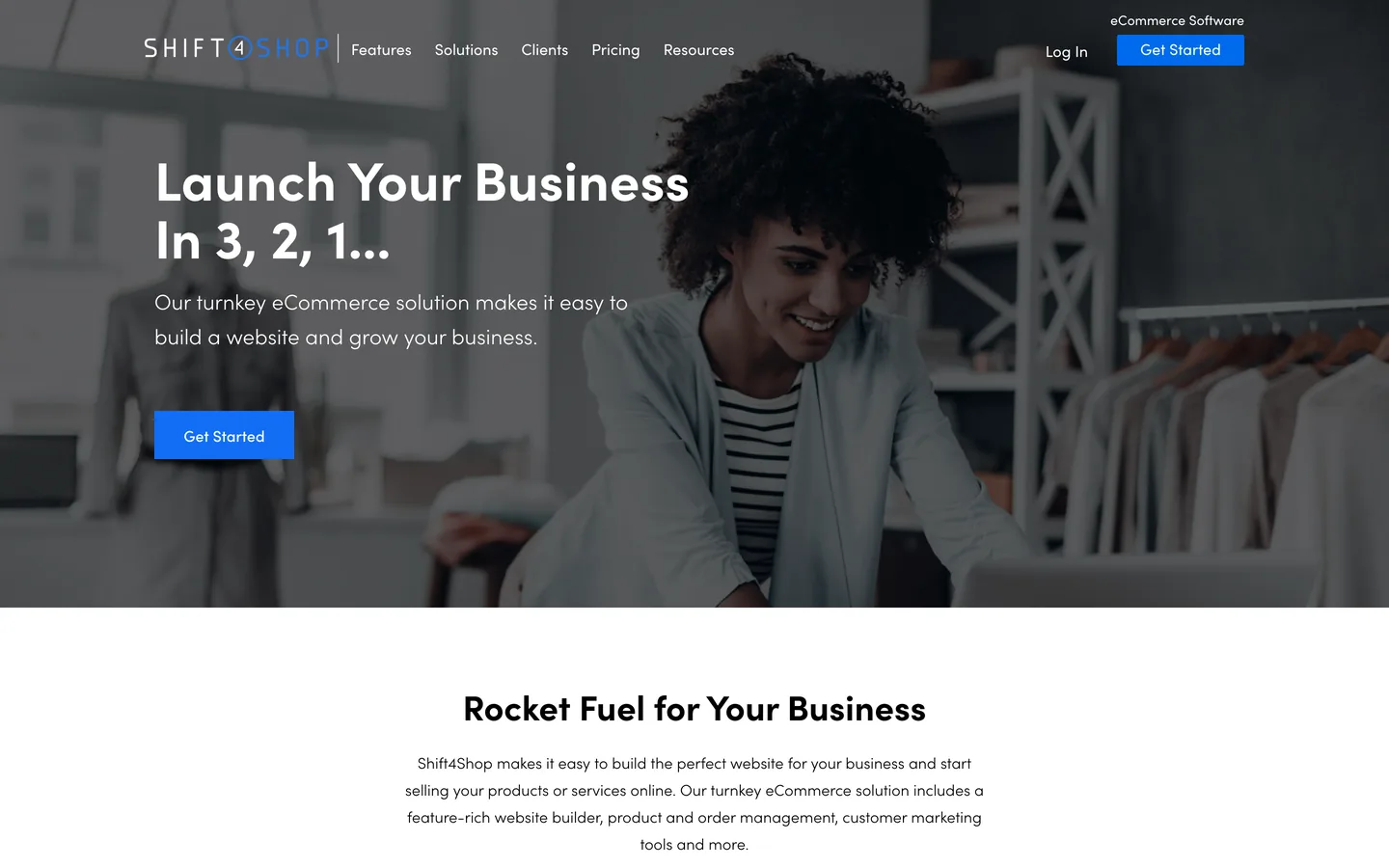



Shift4Shop، منصة المتجر المستضافة التي كانت تُعرف سابقاً باسم 3dcart، تأتي بمجموعة ميزات عميقة: كتالوج منتجات كامل، وقوالب HTML و CSS قابلة للتخصيص، وضوابط SEO دقيقة، ووحدة مدونة مضمّنة. مع الإعداد الصحيح، يجعلها هذا العمق قاعدة قوية لتحسين محركات التوليد (GEO)، وهي ممارسة أن تصبح مصدراً يستشهد به مساعدو الذكاء الاصطناعي. ابدأ بـ geo seo audit أساسي وتتبّع كل تحسين في geo seo dashboard حي. يوضح هذا الدليل كيفية هيكلة Shift4Shop وعرضه وتوسيمه بحيث يفهم Google والمساعدون مثل ChatGPT و Perplexity و Claude و Gemini صفحاتك ويثقون بها ويستشهدون بها.
لا يزال البحث الكلاسيكي يرسل المشترين إلى كتالوجك، والآن يقرأ مساعدو الذكاء الاصطناعي الويب ويلخّصونه ويقدّمون للمتسوقين قائمة قصيرة من المصادر الموصى بها. تحسين محركات التوليد هو العمل على أن تصبح أحد تلك المصادر المستشهد بها. يمنحك Shift4Shop ميزة لأن كل منتج وفئة ومجموعة خيارات هو سجل منظم تتحكم فيه، ومحرك القوالب يتيح لك تشكيل الترميز الدقيق الذي تقرأه الزواحف. عندما تكشف هذا الهيكل بعناوين وأوصاف ومخطط واضحة، تتعرف النماذج على ما تبيعه وتقتبس منك عندما يسأل مشترٍ عن الخيارات.
ابدأ بمعيار مرجعي. اسأل المساعدين الرائدين أسئلة الشراء التي يطرحها عملاؤك، ثم سجّل ما إذا كان يُستشهد بمتجرك، وأي عناوين URL تظهر، وكيف تُوصف المتاجر المنافسة. راقب إشارات العلامة التجارية باستخدام ai mention tracking، وراجع المصادر التي تكسبها من خلال ai cited backlinks، وأجرِ geo seo audit أساسي لرسم خريطة الكيانات المرتبطة بعلامتك التجارية بالفعل. يصبح هذا المعيار لوحة النتائج التي تتحسّن مقابلها في الأسابيع التالية.
في GEO، تصل النية على شكل مطالبات. اجمع الصياغة الدقيقة التي يستخدمها المتسوقون في الدردشة والصوت، ثم صنّفها حسب المهمة: الاكتشاف والمقارنة والاختيار والشراء. وسّع التغطية باستخدام query fan-out tool ورتّب المواضيع حسب الطلب باستخدام keyword research. لكل مجموعة، اختر صفحة واحدة للفوز بالاقتباس، منتج أو فئة أو دليل شراء، واجعلها موجزة ومحددة ومدعومة بأدلة واضحة حتى يتمكن مساعد من اقتباسها مباشرة.
تعامل مع كتالوج Shift4Shop كعمود فقري للكيانات في الموقع. امنح كل منتج اسماً دقيقاً ووصفاً حقيقياً وسمات كاملة مثل العلامة التجارية والخيارات والمواصفات، ونظّم المنتجات في فئات وفئات فرعية منطقية. اكتب مقدمة قصيرة في كل صفحة فئة بحيث تُقرأ كصفحة هبوط حقيقية بدلاً من شبكة عارية. اربط هذه الحقول بخصائص schema.org مثل name و description و image و brand و offers حتى يقرأ المساعدون كتالوجك كحقائق منظمة.
يعرض Shift4Shop الصفحات من قوالب HTML و CSS قابلة للتحرير، مما يتيح لك التحكم في العناوين والهيكل والترميز على الصفحة مباشرة. استخدم وسوم عناوين حقيقية لعناوين المنتجات والأقسام، احتفظ بالنص الأساسي في HTML بدلاً من الصور، وأضف نص alt وصفياً لصور المنتجات. حافظ على قالب سريع وصديق للجوال، مكّن نطاقاً مخصصاً و SSL، وتأكد من أن المحتوى المهم يُعرض من جانب الخادم حتى تحلّله زواحف Google والذكاء الاصطناعي دون تشغيل scripts.
يكشف Shift4Shop حقول SEO لكل منتج وفئة: اضبط عنوان صفحة دقيقاً، ووصف meta واضحاً، وعنوان URL نظيفاً يسمي الكيان. استخدم وسوم canonical لتوحيد المتغيرات المكررة أو المفلترة، وطبّق توجيهات robots لإبقاء الصفحات الرقيقة خارج الفهرس. اكتب كل وصف منتج بحيث تُقرأ جملته الأولى كإجابة يمكن للنموذج انتقاؤها، وامنح كل منتج نصاً فريداً بدلاً من قالب مشترك. تأكد من أن وسوم Open Graph تطابق نية الصفحة.
عزّز المعنى بـ JSON-LD المُضاف عبر القالب أو الرأس العام. استخدم Product مع offers و AggregateRating لصفحات المنتج، و BreadcrumbList لمسارات الفئات، و Article و WebPage لمنشورات المدونة، و FAQPage لكتل الأسئلة. أضف مخطط Organization على مستوى الموقع مع logo و contactPoint و foundingDate وروابط sameAs إلى ملفاتك المؤكدة، حتى يربط المساعدون كل صفحة بعلامة تجارية موثوقة واحدة ويعيدون استخدام تلك الحقائق بثقة في إجاباتهم.
أنشئ كتل أسئلة وأجوبة صريحة تعكس المطالبات الحقيقية: المقاسات والتوافق والشحن والإرجاع. اجعل كل إجابة بين 50 و 120 كلمة، اربط بالمنتج أو الفئة ذات الصلة، واستشهد بمصدر خارجي موثوق حيث يفيد. لأدلة الإعداد أو الاستخدام، أدرج المواد والخطوات والوقت في تنسيق HowTo حتى يتمكن مساعد من التقاط إجراء نظيف وكامل لمشترٍ يسأل عن كيفية عمل شيء ما.
ينشئ Shift4Shop خريطة موقع لمتجرك؛ تأكد أنها تسرد المنتجات والفئات ومنشورات المدونة، ثم أرسلها في Google Search Console. اترك قواعد robots مفتوحة للأدلة التي تحتوي على محتوى قابل للاقتباس وصامتة لمسارات العربة والبحث والحساب. أضف ملف llms.txt في الجذر للإشارة إلى قواعد الزحف المفضلة لديك لوكلاء الذكاء الاصطناعي، وعناوين URL ذات الأولوية للاقتباس، وشروط إعادة الاستخدام، لإعطاء المساعدين خريطة واضحة لما يجب اقتباسه من كتالوجك.
اجمع المنتجات والأدلة ذات الصلة في محاور موضوعية، ثم اربطها بمرابط وصفية ومسارات تنقل تعبّر عن التسلسل الهرمي. دليل الشراء الذي يربط بمنتجاته، والمنتجات التي تربط بالدليل، يبنيان العمق الموضوعي الذي تثق به النماذج. سرّع ذلك باستخدام topical cluster generator. إذا كانت أجزاء من حضورك تعمل في مكان آخر، طبّق نفس النهج على bigcommerce و woocommerce و shopify.
لا يزال GEO يعمل على السلطة. اكسب اقتباسات من الصحافة الصناعية ومواقع المراجعات والمجتمعات المتخصصة، وأظهر الأشخاص والسياسات وراء المتجر بمؤلفين مسمّين وصفحات شحن وإرجاع واضحة ومراجعات مرئية. تساعد إشارات E-E-A-T هذه المساعدين على معاملة متجرك كإجابة موثوقة. تتبّع مكانتك بمرور الوقت باستخدام domain authority tracker ورتّب الروابط التي تحرّكه.
يتضمن Shift4Shop وحدة مدونة، وتتمحور واجهة REST API حول المنتجات والطلبات والعملاء بدلاً من نقطة نهاية موثّقة لإنشاء منشورات المدونة، لذلك ينشر Sorank عبر مدونته المُدارة الخاصة. يستضيف Sorank مقالات SEO الخاصة بك على مدونة Sorank مُدارة (subdomain أو subfolder خاص بك) تربطها من تنقل Shift4Shop الخاص بك، مع ربط داخلي كامل بمنتجاتك وفئاتك. تحصل على محرك محتوى مؤتمت بالكامل وقابل للفهرسة يقود حركة البحث والذكاء الاصطناعي إلى المتجر، بينما يتعامل Shift4Shop مع الكتالوج والدفع. أنتج مسودات محسّنة بسرعة باستخدام blog article generator، ثم اربط كل مقال بصفحة الفئة المطابقة.
تتبّع أي المطالبات تُظهر علامتك التجارية، وأي الصفحات يُستشهد بها، وأين تفوز المتاجر المنافسة. قارن نفسك بـ seo competitor spy، وشاهد مكانتك على geo leaderboard، وانسب الزيارات المدفوعة بالمساعدين بصفحات هبوط موسومة و UTMs فريدة حتى تتمكن من إثبات الإيرادات.
يمنحك Shift4Shop واجهة متجر غنية بالميزات ومدفوعة بالقوالب؛ يمنحك GEO الاستراتيجية لتُقتبَس. عندما يكشف متجرك عن كيانات منتج واضحة وبيانات وصفية دقيقة وبيانات منظمة ومحتوى الإجابة أولاً، يستشهد بك المساعدون بثقة. أحكم كتالوجك، اضبط SEO و JSON-LD لكل صفحة، انشر أدلة الشراء، ودع مدونة Sorank المُدارة تحمل عبء المحتوى بينما يدير Shift4Shop المتجر.

يمكن لـ Shift4Shop أن يعمل جيداً لـ GEO لأنه يقرن كتالوجاً منظماً بقوالب HTML و CSS قابلة للتحرير، بحيث تتحكم في الترميز الدقيق الذي تقرأه زواحف الذكاء الاصطناعي. كل منتج وفئة ومجموعة خيارات هو سجل نظيف يمكنك كشفه بعناوين دقيقة وأوصاف meta ووسوم canonical و JSON-LD مثل Product و Organization المضاف عبر رأس القالب. يقدّم صفحات سريعة معروضة من جانب الخادم على نطاق مخصص مع SSL، وينشئ خريطة موقع، ويتيح لك إضافة ملف llms.txt في الجذر. مع أوصاف بأسلوب الإجابة أولاً، يمكن لـ ChatGPT و Perplexity و Claude و Gemini الوصول إلى صفحات المنتجات والفئات الخاصة بك واقتباسها.
اكتب صفحات بأسلوب الإجابة أولاً مرتبطة بمطالبات المشترين الحقيقية. افتتح كل صفحة منتج أو فئة بملخص من جملة أو جملتين يمكن للنموذج اقتباسه، ثم أضف مخططاً قابلاً للمسح واحتفظ بفقرات قصيرة. استخدم وسوم عناوين حقيقية عبر محرر القالب، وكتل FAQ صريحة بإجابات من 50 إلى 120 كلمة، وقسم حقائق واضحاً للمقاسات والتوافق والشحن. أضف JSON-LD (Product و FAQPage و Article و Organization) في الرأس العام، وانشر أدلة الشراء في وحدة المدونة التي تربط بالمنتجات التي تصفها. نص المنتج الفريد وأسماء الفئات المتسقة تعزّز الإشارات الموضوعية التي يتعرف عليها المساعدون.
يتضمن Shift4Shop وحدة مدونة، ولكن تتمحور واجهة REST API حول المنتجات والطلبات والعملاء بدلاً من نقطة نهاية موثّقة لإنشاء منشورات المدونة، لذلك ينشر Sorank عبر مدونته المُدارة الخاصة. يستضيف Sorank مقالات SEO الخاصة بك على مدونة Sorank مُدارة (subdomain أو subfolder خاص بك) تربطها من موقع Shift4Shop الخاص بك، مع ربط داخلي كامل بمنتجاتك وفئاتك. بالإضافة إلى النشر، يجري Sorank عمليات تدقيق GEO و SEO مصمّمة لمتجرك، ويتتبّع إشارات الذكاء الاصطناعي عبر ChatGPT و Perplexity و Gemini، ويراقب المنافسين، ويكشف عن فرص المحتوى من لوحة قيادة واحدة، بحيث تحصل على مدونة مؤتمتة قابلة للفهرسة دون مواجهة قيود Shift4Shop.








.svg)
.svg)